Tags
Lengthy

A young worker enters a wine factory and meets the quiet ethics of the craft. Iosseliani's first feature seeks the honesty inside the everyday.
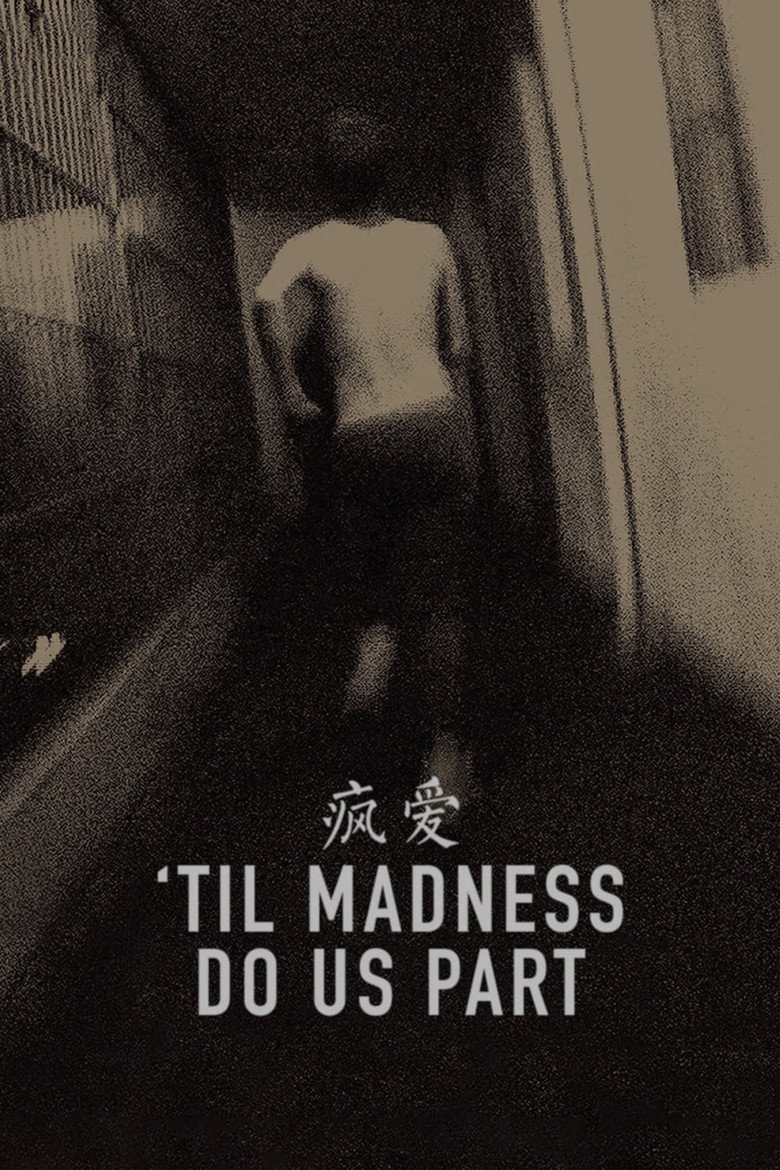
A long, immersive vigil inside a locked psychiatric ward in southern China. Behind closed doors, the patient and painful record of forgotten lives.

Two strangers fresh from breakups meet at a Manila airport and set off toward Baguio and Sagada, talking their broken hearts the whole way. Jadaone tells of healing not through grand gestures but through the warmth of one long conversation.
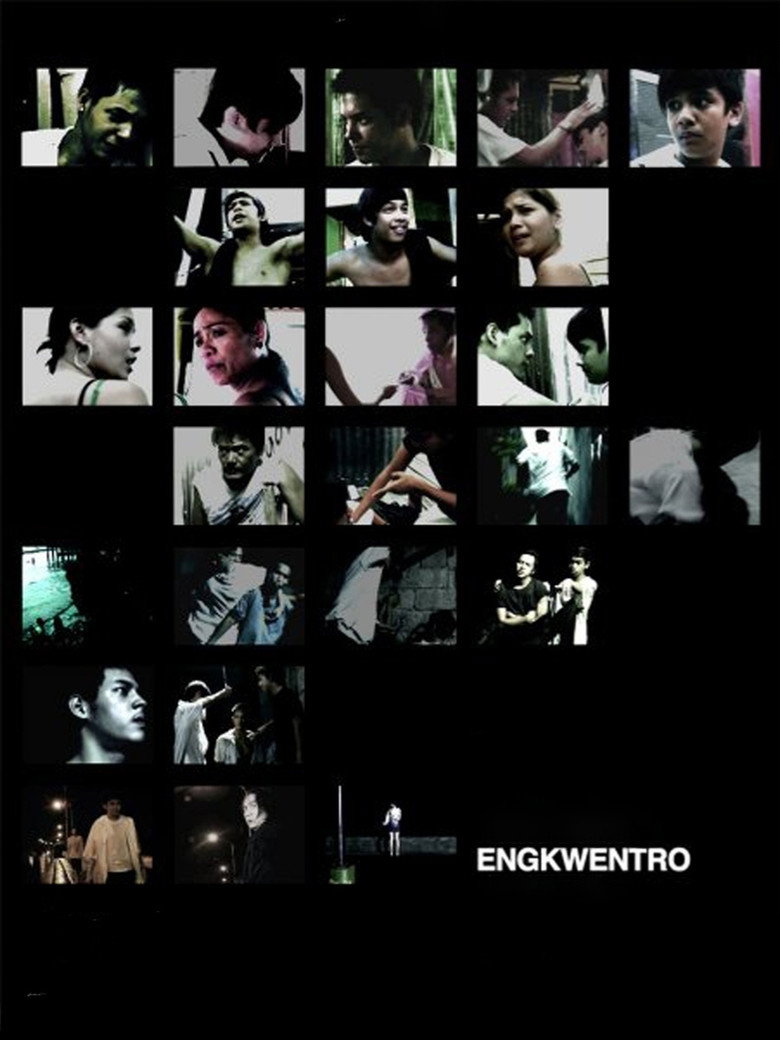
In Davao's tin-roofed streets, two brothers run through a single night in the shadow of a mayor's death squads that hunt the young. Diokno takes your breath away with unbroken long takes, where the state's extrajudicial killing flows as a hot, close terror.

In a Tondo slum threatened by demolition, children grow up amid rubble, rumor and the ordinary tenderness of families holding on. Jewel Maranan's patient long takes stay at eye level with the poor, refusing spectacle to reveal a whole century pressing down on a single neighborhood.


An actress-director feature drama. Woman director Amleset Muchie.

A narrator recounts the past of an address while the image shows today's street; the film never merges the two layers. McQueen accepts duration as a difficulty: only by looking this long does memory settle over the city.

An artist's unfinished work and the cult narrative running in his head advance inside the same film; both look for a sacrifice in order to be completed. Diaz uses duration not as a difficulty but as a condition: only at this length can he show how making turns into obsession.

Two stories run side by side: a woman held captive, and two men digging for treasure. Diaz films both in the same static shots and ties them together through the idea of repeated damage; the black and white here is not aesthetics but a question of endurance.

A city seen from inside a patrol car; the camera defends neither the criminal nor the police. Because Wiseman uses no narration and no interviews, the judgement is left to the viewer, and the cuts between scenes propose a comparison rather than a comment.

The sales floor of a luxury store and its management meetings stand side by side in the same film. Wiseman does not explain the hierarchy; who speaks to whom and how becomes clear on its own a few scenes later.

A lecture, a budget meeting and a student protest take place in three different rooms of the same institution. Wiseman lets the meeting scenes run uncut; a public university running out of money appears not as a news line but as hours of negotiation.

The city hall here is not a building but a chain of tasks running from refuse collection to marriage ceremonies. Wiseman does not describe governance from above; the meetings at the desk and the service in the street get equal time, and the state appears as daily labour.


