Tags
Money

What comes after the first sale: the man learns how much he lost, and with that knowledge a shovel ends up in his hand. Özcan presents obsession not as a character trait but as a business plan; the longer the tunnels grow, the further the family recedes, until what lies underground feels more real than anything above it.

What a death leaves behind is not only grief but an estate and the people who gather around it. Kesova runs the family reckoning at the tempo of comedy; who is standing where keeps shifting as the conversations go on.

An unpaid debt comes between people living in the same building, and neighbourliness turns overnight into a creditor's relation. Reyhan does not convert this into a moral lesson; he shows the hierarchy that money installs inside a family.

A stolen watch passes from hand to hand, and every hand brings it closer to the next.

A briefcase, money belonging to nobody in particular, and the market value of honesty. Erdem keeps raising the tempo until moral hesitation becomes a physical chase; the further the man runs, the less of his own measure he keeps. Money is present in nearly every scene, which makes this less a crime story than a study of appetite.

A young father sells his baby. The Dardennes' second Palme d'Or; here poverty becomes a moral collapse.

A cleaning woman in her sixties and a young Moroccan worker. Fassbinder tells racism and loneliness in the language of Sirk melodrama.

Four men, a truck of nitroglycerine and a broken road. Possibly the most nerve-shredding film ever made — every bump means death.

Three flatmates, a dead lodger and a suitcase of money. Boyle's first film, in which friendship rots fast and cheerfully.

A seven-year-old girl wants to buy a fish for the new year. Panahi's first film, in which a lost banknote becomes a child's entire world.
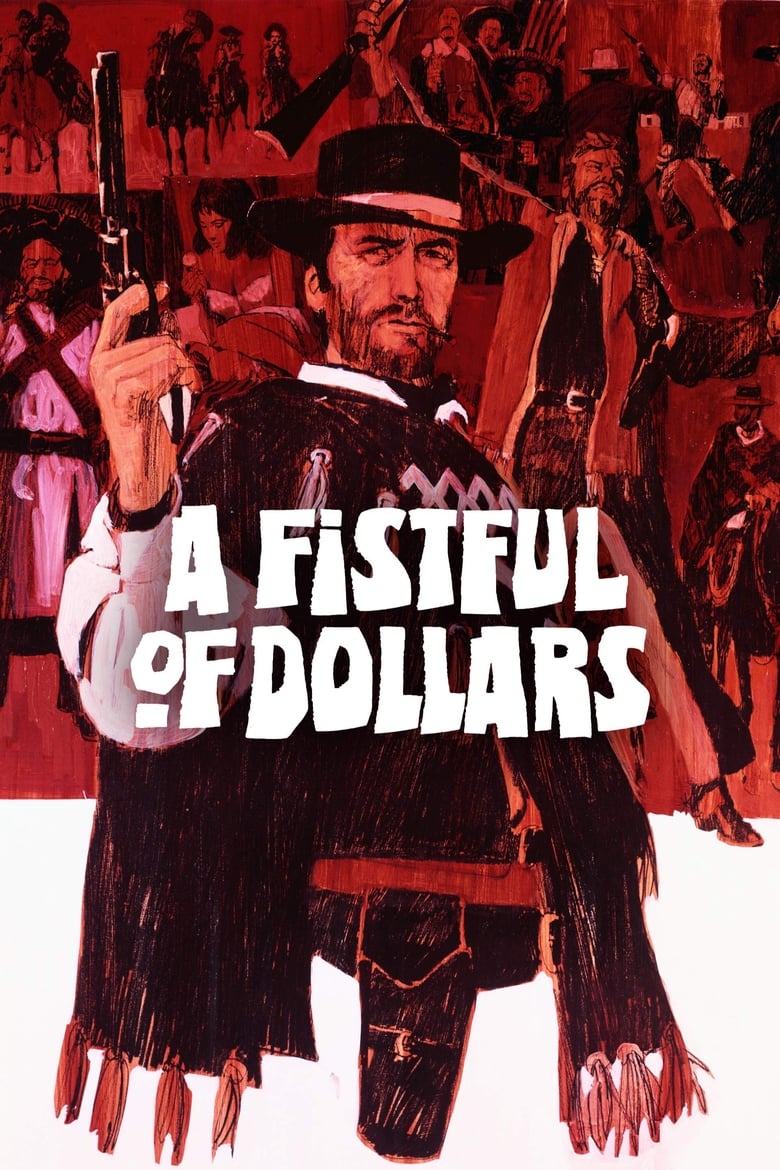
Leone's first western, adapted from Kurosawa's Yojimbo without permission and duly sued. Eastwood's Man With No Name was born here.

Mizoguchi's last film: five women in a brothel, none of them with a way out. The law banning prostitution passed partly because of it.

A bar hostess tries to open her own place and keeps falling back. The climb up the stairs is a metaphor for a woman's endurance.
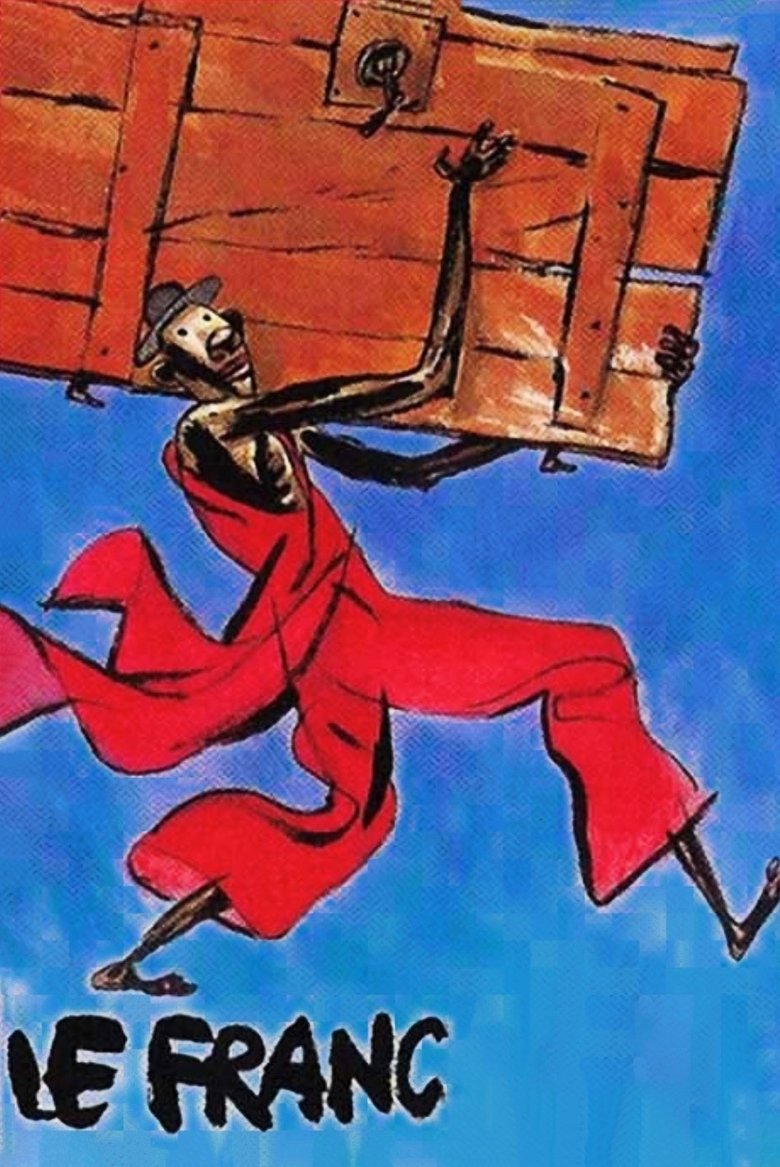
A musician wins the lottery but has glued the ticket to his door. A forty-five-minute fable, Mambéty's most cheerful film.

Four young people in Taipei, money and violence. Yang's coldest film, in which the city functions like an organism.
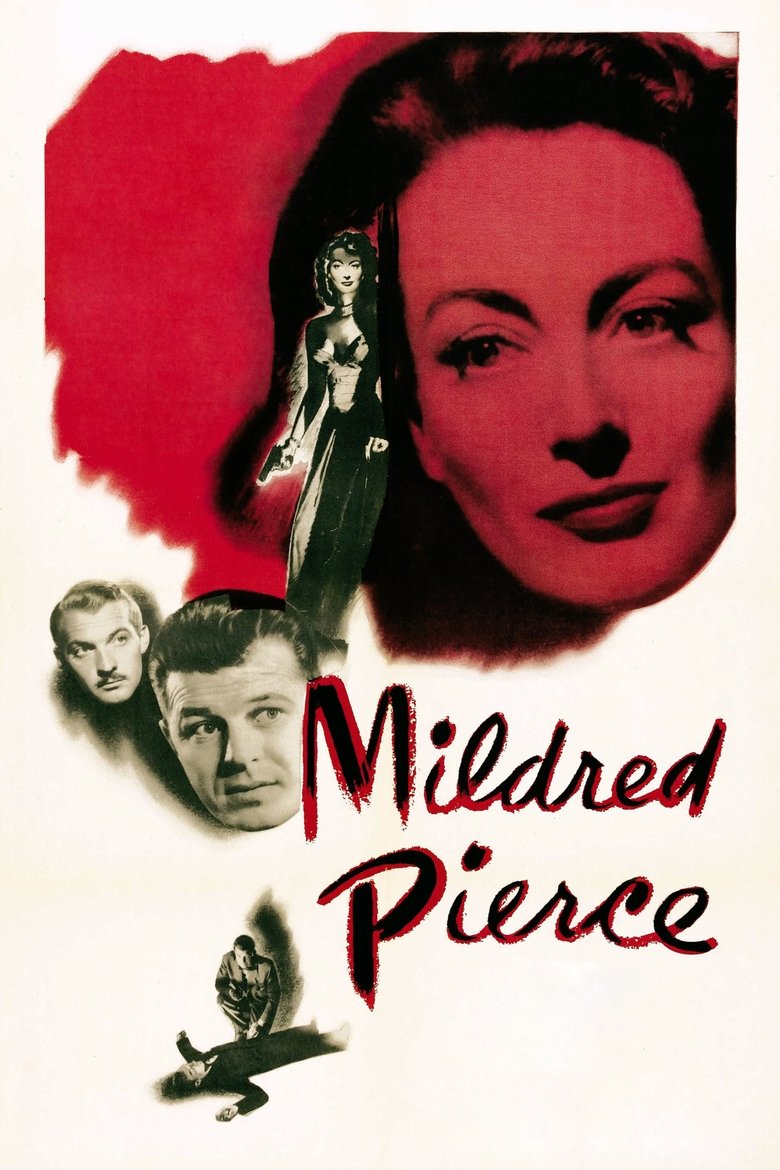
A mother sacrifices everything for her daughter and receives nothing back. Curtiz blends melodrama with noir; Joan Crawford's summit.

Facebook's founding is a pretext; what Fincher films is a friendship dismantled by contracts. Sorkin's dialogue works like a weapon.

Tarantino's most mature and quietest film. Pam Grier's weary heroine is less about the escape plan than about growing old.

A stripper marries an oligarch's son; then the family arrives. Baker plays class as comedy and lets it hurt all the way down.

The relentless drive of someone set on being great at a small game. Sweat, noise, and always the next table.


