Tags
propaganda

The apartment block is not a dwelling but a device; the moment the broadcast enters, the architecture turns hostile. Behram attaches the tools of genre directly to an allegory of control and builds the fear out of fluid and silence.
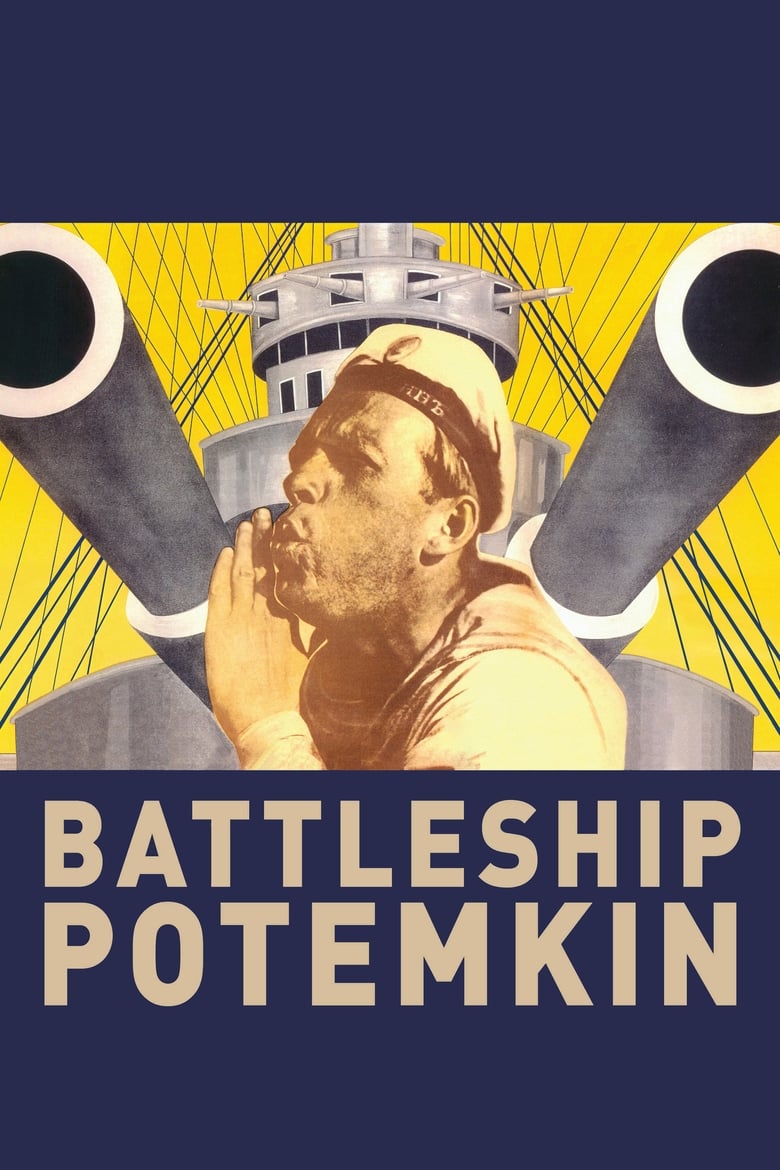
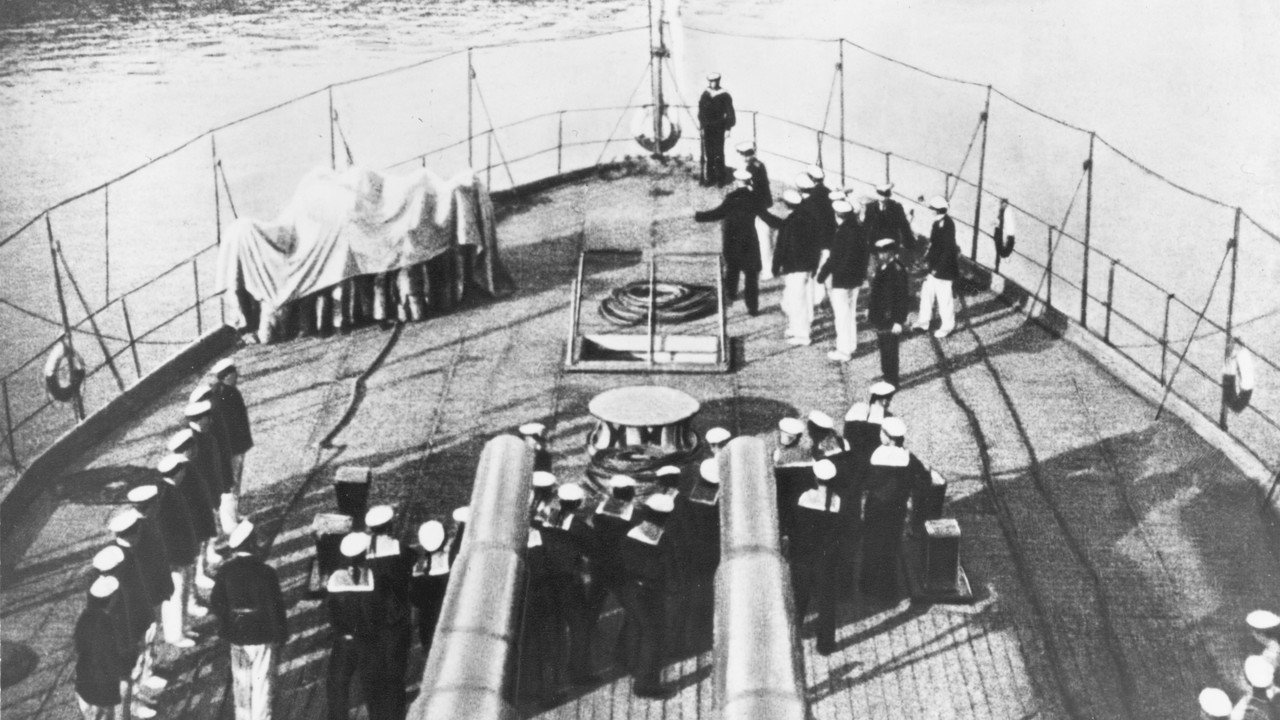
The Odessa Steps sequence is the most imitated in cinema. Eisenstein proved that editing itself produces emotion.

The October Revolution re-enacted. Eisenstein stormed the Winter Palace with a larger crowd than the real assault had.

A factory strike and the state's response. Eisenstein's first film, which ends by cutting to a slaughterhouse.

The battle on the ice and Prokofiev's score. A propaganda film made for Stalin, and technically magnificent.

The sound and image of Soviet industrialisation. Vertov's experiment with sound astonished even Chaplin.

Amid the rubble of Stalingrad, two snipers hunt each other through the frozen ruins. A duel of patience where a single breath can end everything.

Six survivors of a German U-boat sunk in Canada try to cross the country and reach the border.
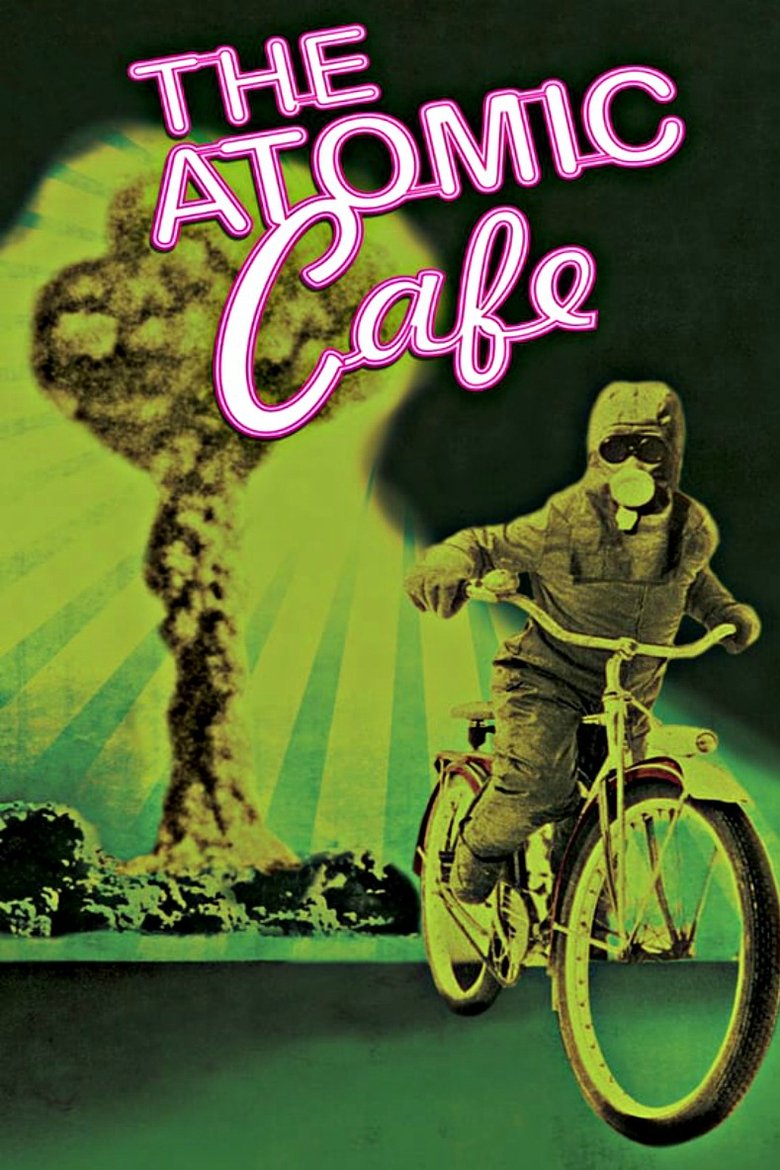
US government films from the forties and fifties normalising the atomic bomb, laid end to end without a word of comment.

An American reporter sent to Europe lands in the middle of an assassination and sets about unravelling a spy ring.

A dictator directs the camera himself, and what he wants shown tells more than what he does not.

When the occupiers arrive, the first thing seized is the screen. Szulkin presents propaganda not as a threat from outside but as the local apparatus changing hands; the newsreader's face carries the entire politics of the film.

When an actor takes the lead in a film commissioned by the regime, he is pulled into the innermost circle of power; this political thriller, the close of Tarik Saleh's Cairo trilogy, is about art turned into an instrument.