Tags
Refugee Life

For a young woman who fled the war and settled on the edge of Istanbul, identity is not a past but something renegotiated at every encounter. Baydar does not narrate refugee life as a situation report; she shows the gap between the girl's own dream and the place assigned to her.
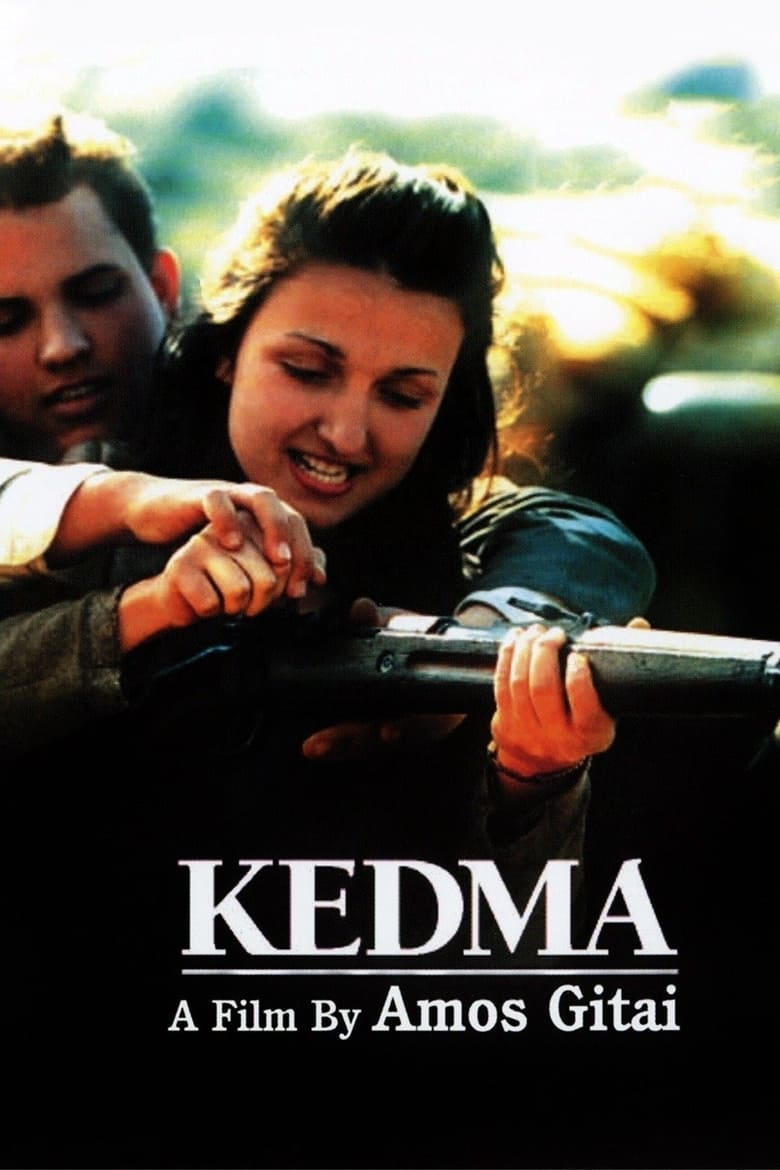
1948, two peoples, the same land. Gitai holds foundation and exile inside a single film.
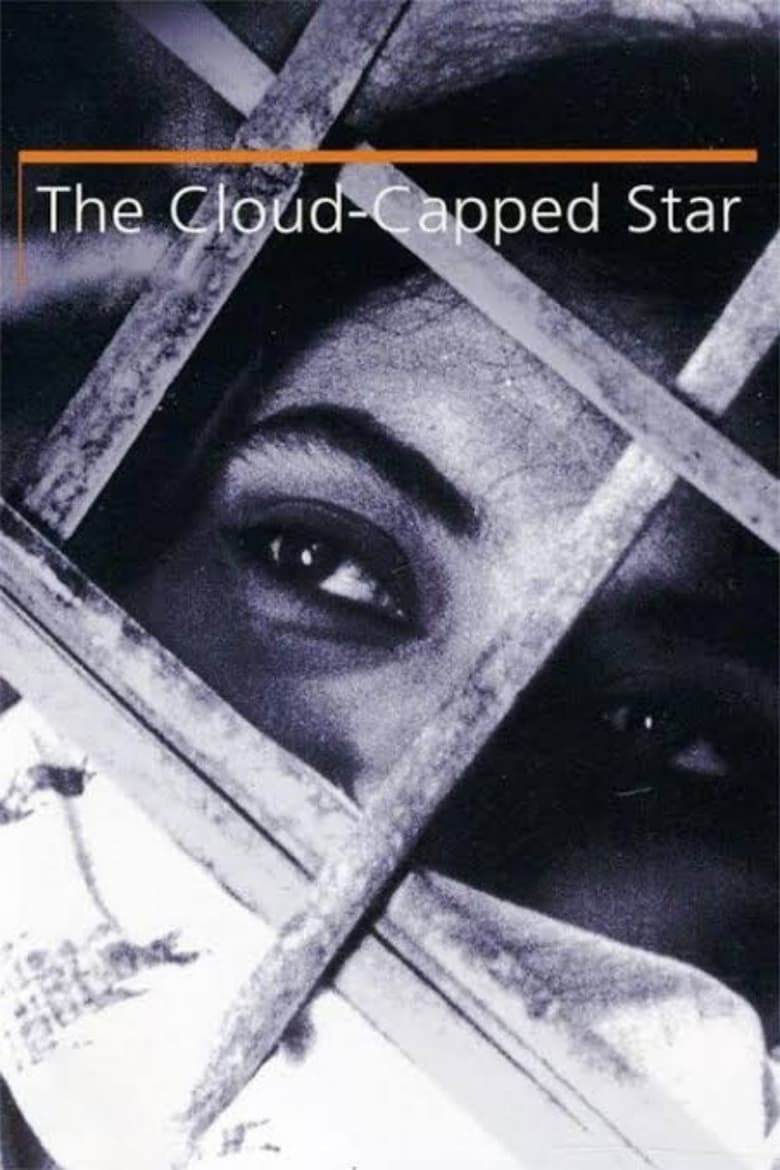
A family displaced to Calcutta after Partition and the sister who sacrifices herself. Ghatak's melodrama is a political mourning; the final cry is unforgettable.
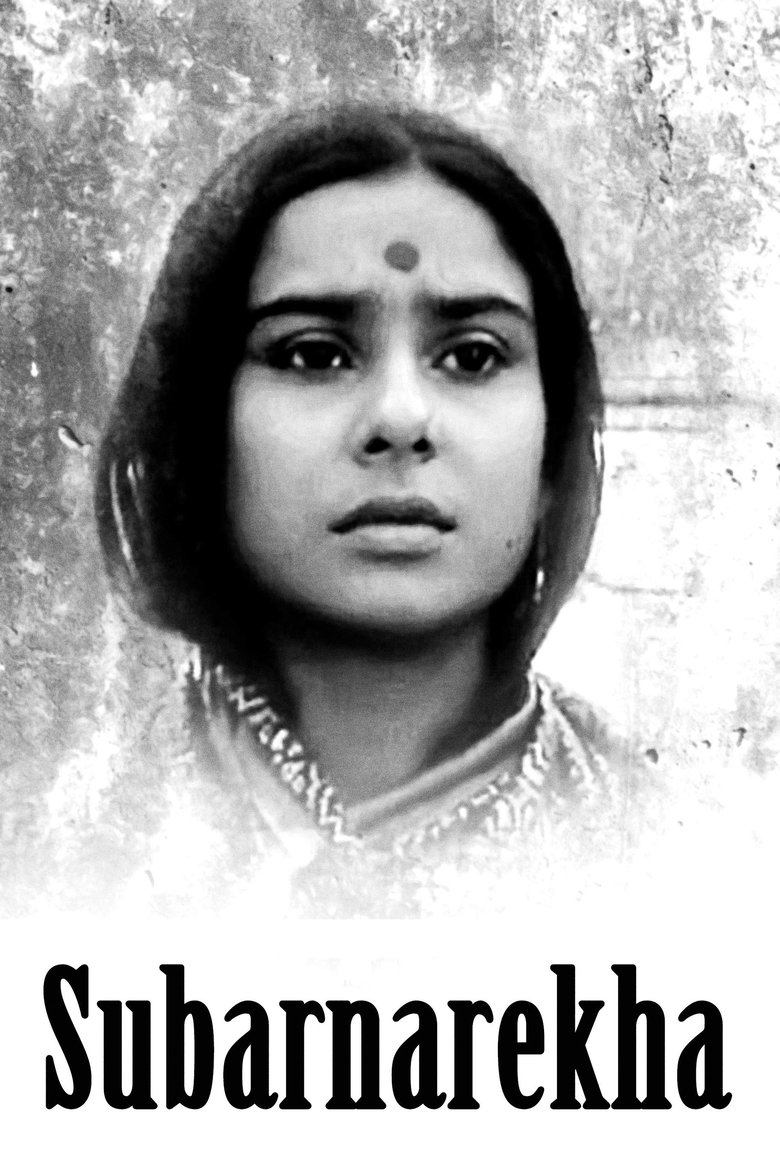
Siblings scattered by Partition who never recover. Ghatak's darkest film.

A dying mining town faces the refugees arriving at its door. Warm and angry at once, it insists that solidarity is hard but possible.

A group of refugees crossing the border meets Switzerland's 'the boat is full' policy. The bill for neutrality.
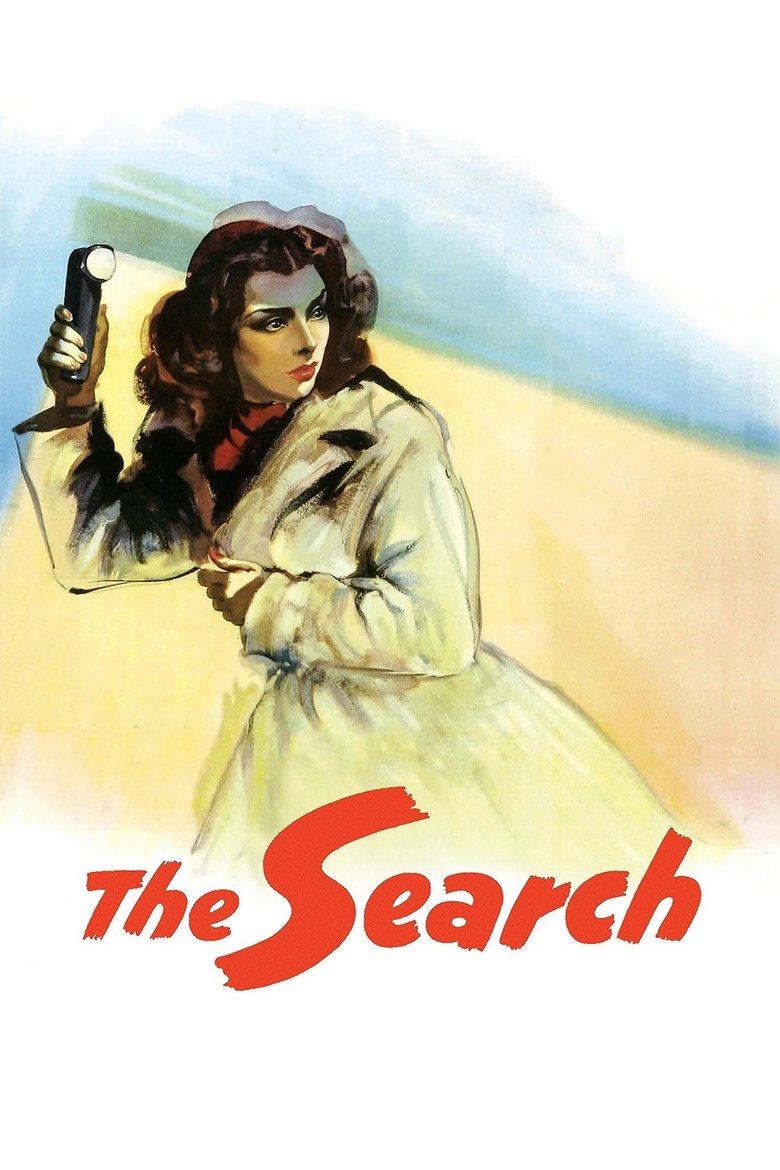
In postwar Germany an American soldier looks after a boy who will not speak, while his mother searches the camps. The ruins are real.

A Japanese photojournalist travels to postwar Vietnam and sees the gap between the tour and the truth. The end of Hui's Vietnam trilogy.

A Syrian refugee newly arrived in Finland and a man opening a restaurant cross each other's paths.
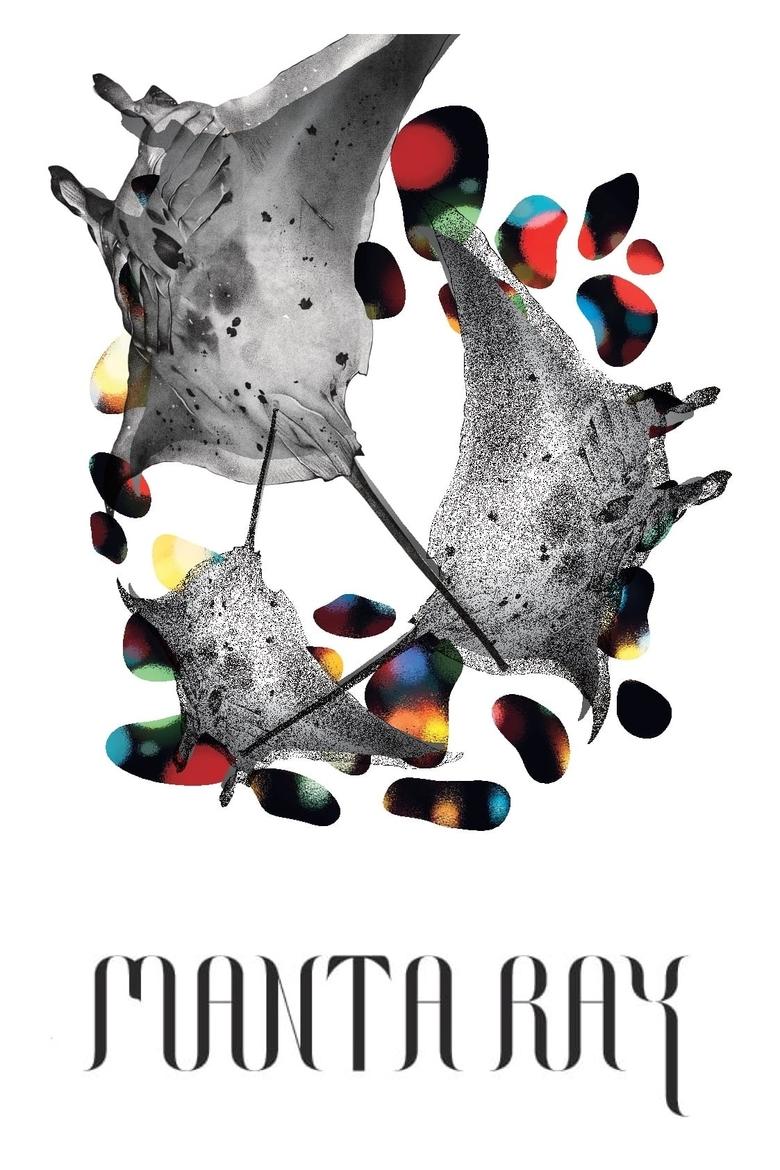
A Thai fisherman rescues a mute stranger and names him Thongchai; when the fisherman vanishes at sea, the stranger slowly takes over his life, in a poetic allegory of identity.
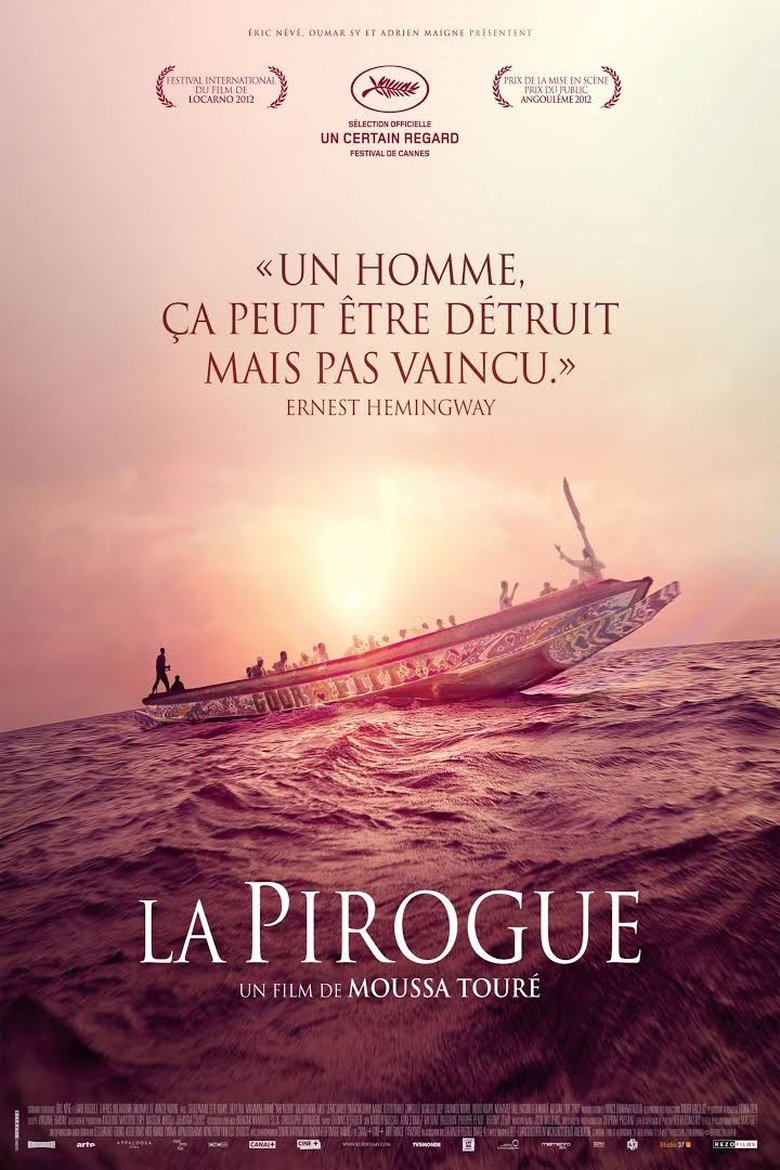
A Senegalese fishing captain reluctantly agrees to steer a pirogue of thirty men, some who have never seen the sea, toward Europe via the Canary Islands, facing every peril of the crossing.
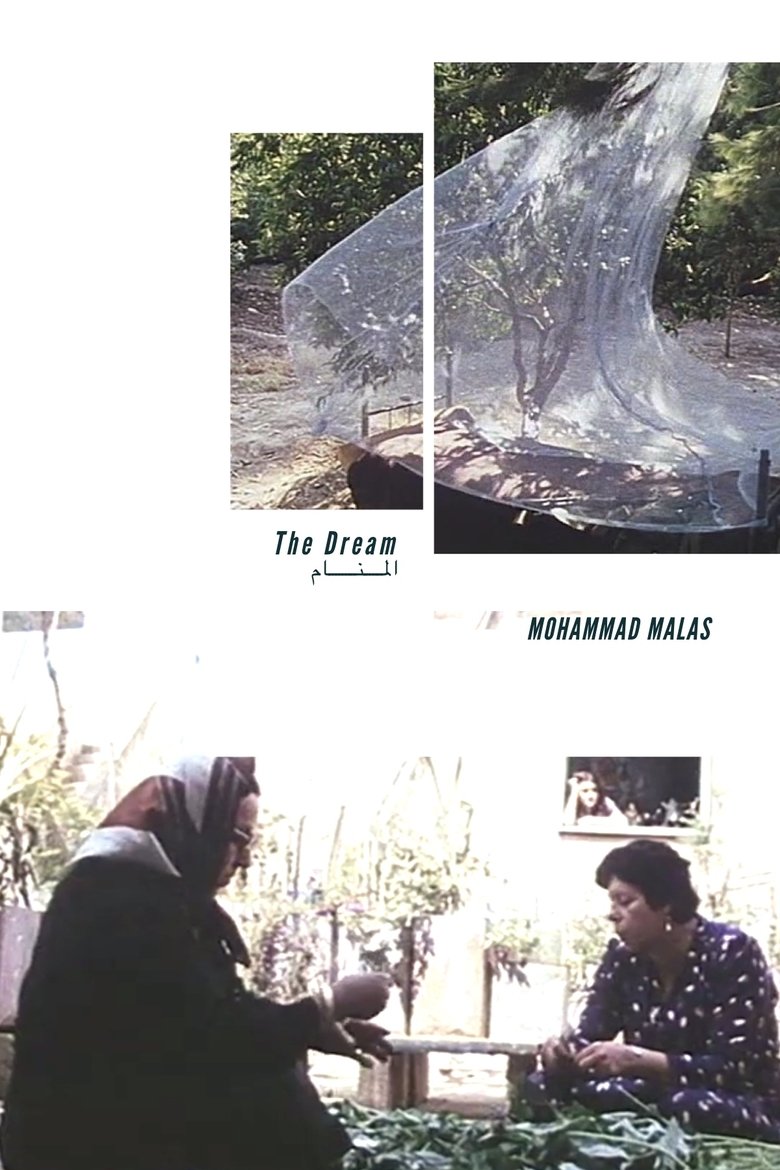
The dreams of Palestinians in Lebanese camps, shot partly in Sabra/Shatila before the massacre. A landmark doc; Mohammad Malas.

A story set in the past is filmed on today's streets, and the film never explains the mismatch. Petzold refuses to lock the refugee condition into one period; waiting, giving up your identity and being stuck at a port become timeless.

As the two cousins' plan advances, the line between victim and perpetrator blurs. Fleifel refuses to seal the refugee condition inside a narrative of victimhood; he shows how one person's survival comes to threaten another's.