Tags
Silence-Filled

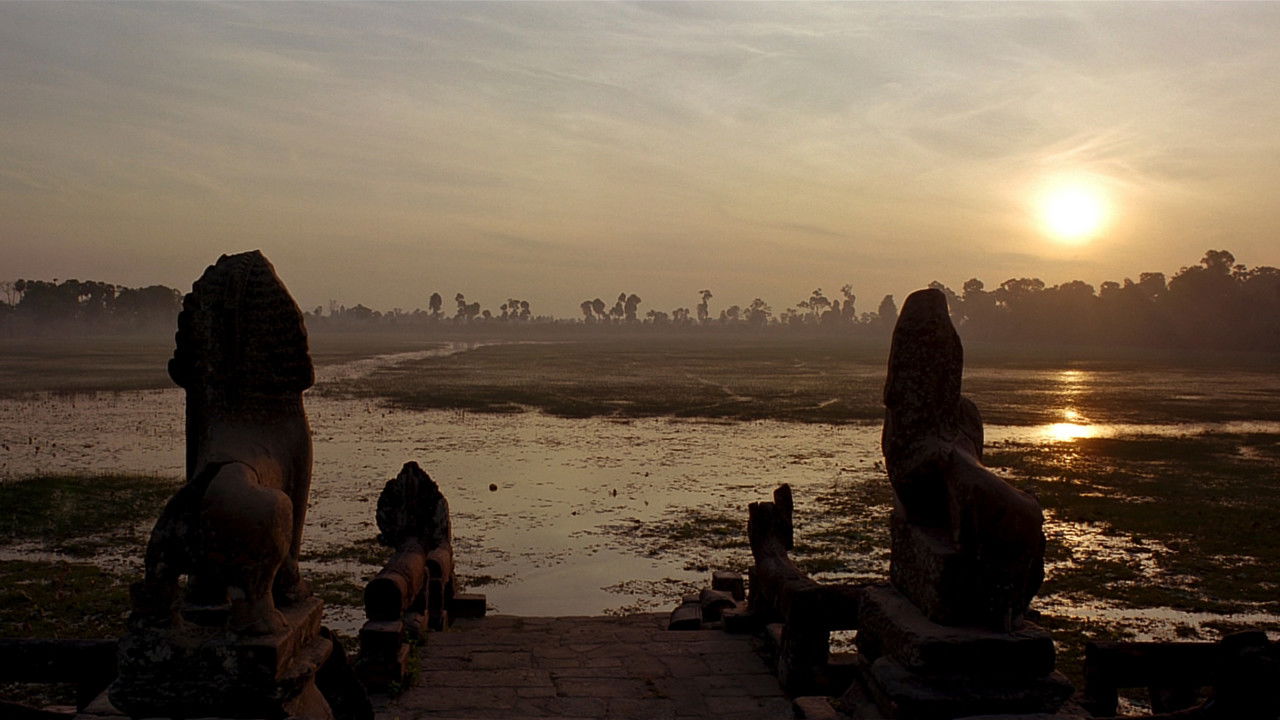
Not a word is spoken as it travels continent to continent, a purely visual rite. A wordless map of people, nature, and faith.

From Kim Ki-duk, a man who slips into empty homes and the woman who joins him — almost without a word between them. Quiet, graceful, dreamlike.

Phil Tippett wove this by hand over thirty years — a rotting, cog-driven, nightmare stop-motion world. No dialogue, no way out.

An island, a family, and a life that is nothing but carrying water each day. Not a single word — Shindo shows only labor and endurance.

The friendship of a dog and a robot, told without a single word. Warm, wistful, universal.

A cat survives a flood on a boat with other animals. Wordless, mesmerizing, award-winning.

A policeman, his dying wife and one last journey. Kitano's own paintings enter the film; brutality and tenderness share the frame.

Three people, an empty apartment, almost no dialogue. Tsai makes loneliness a physical matter; the weeping in the final scene is long and real.

A boy whose father has died connects with a woman in Paris through the difference in time zones. Tsai's most tender film.

A father and his two children in the ruins of Taipei. The last scene lasts fourteen minutes in which almost nothing happens — cinema at its limit.

A sick man and a young masseur in Bangkok. Tsai's barest film: almost no dialogue, and deliberately no subtitles. The massage scene runs twenty minutes and holds the film's entire feeling.

1944, Marzabotto; we watch the massacre through a girl who does not speak. Not one word leaves her mouth.

An old man and his niece resist the German officer billeted in their house by refusing to speak to him.

A jewel thief out of prison takes on the job he turned down, because of an old lover.
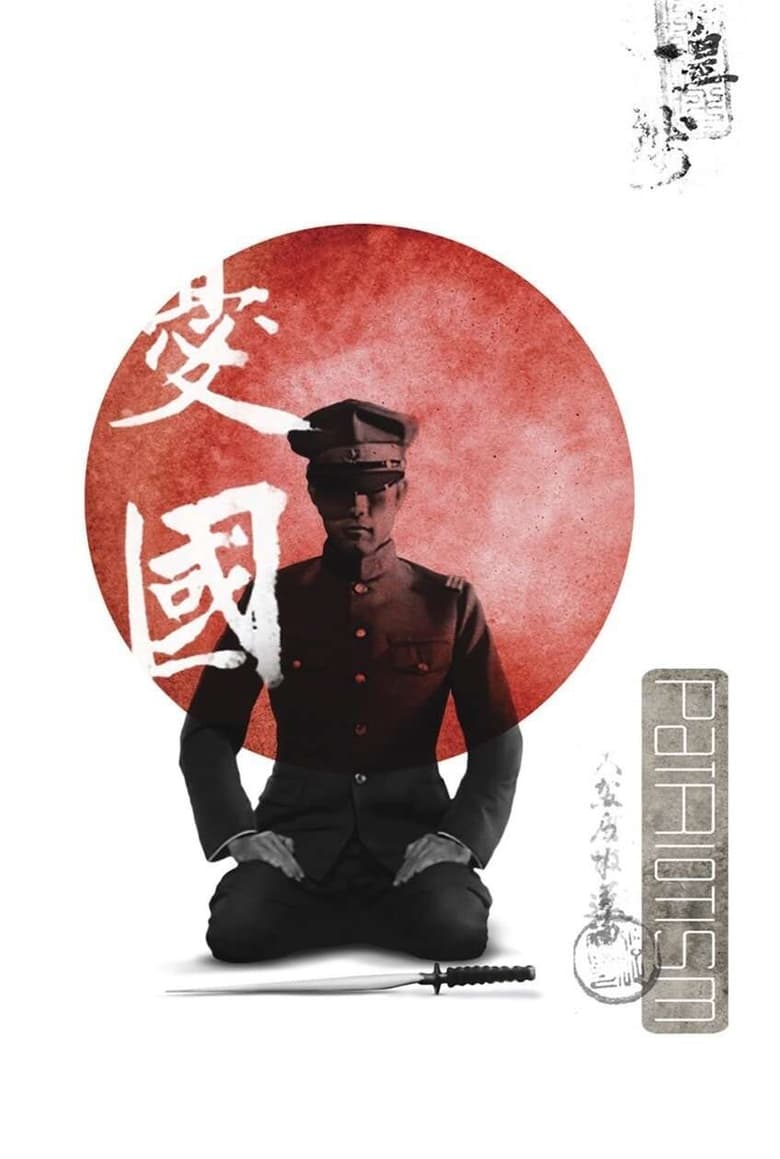
The death ritual of an officer and his wife is enacted without words on a Noh stage.