Tags
Wartime

Two runners go to Gallipoli. Weir tells the war through friendship; the final frame became Australia's national trauma.

French officers and their German commandant in a prison camp. Renoir reads the war through class: the officers understand each other better than their own men.

Two friends and the same woman, across twenty years. Jeanne Moreau running across the bridge became the emblem of the New Wave.
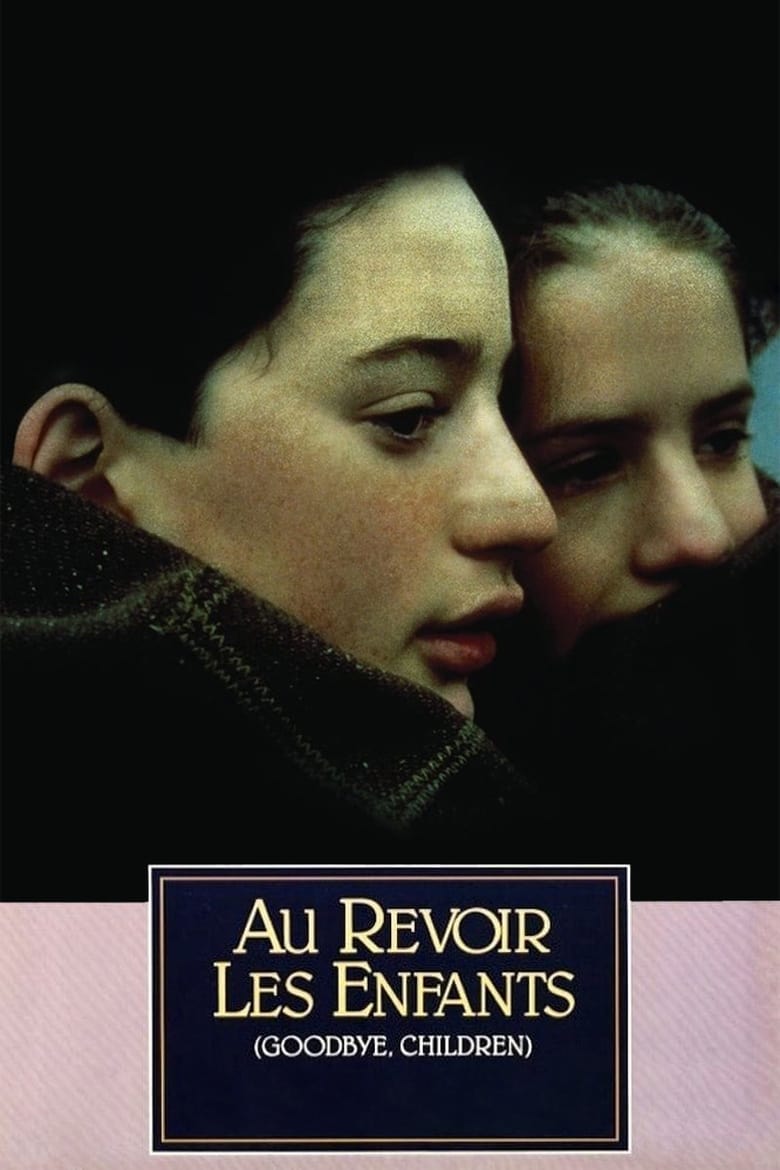
A boarding school in occupied France and the Jewish children hidden there. Malle is telling his own childhood; forty years on, the last scene is still unforgiven.
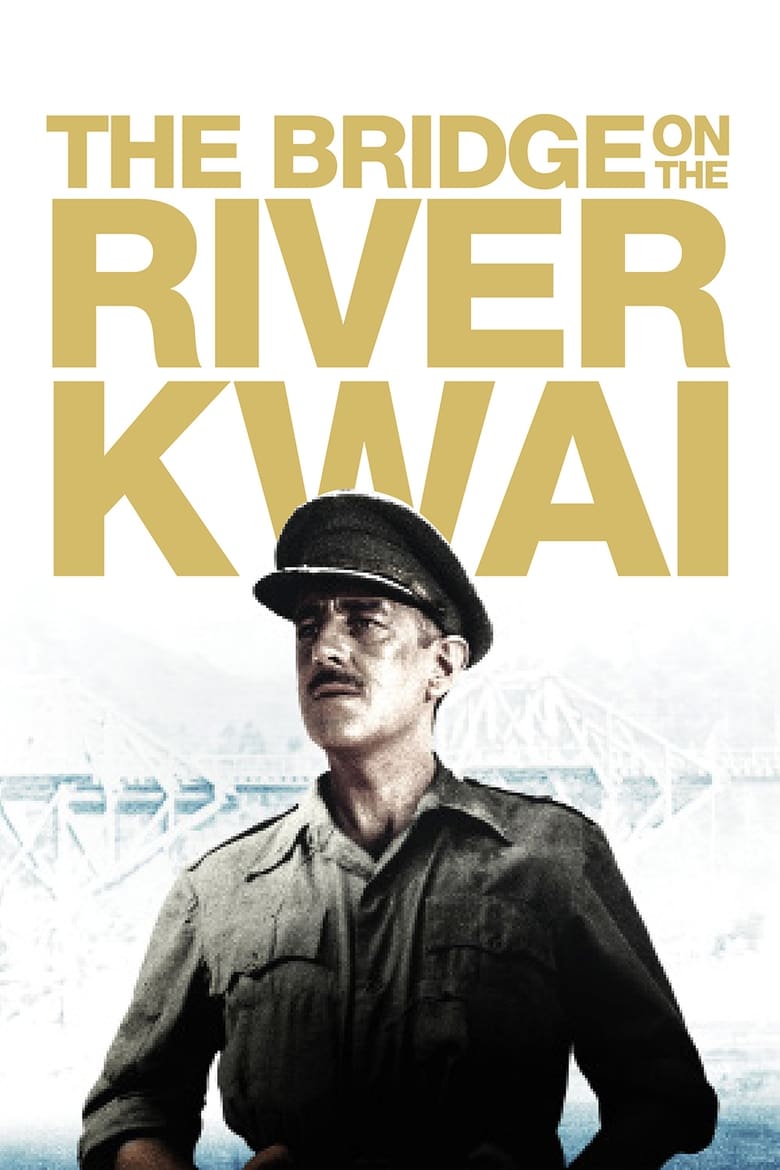
A British colonel in a Japanese POW camp builds a bridge for his captors. Alec Guinness's obstinacy carries the whole absurdity of war.
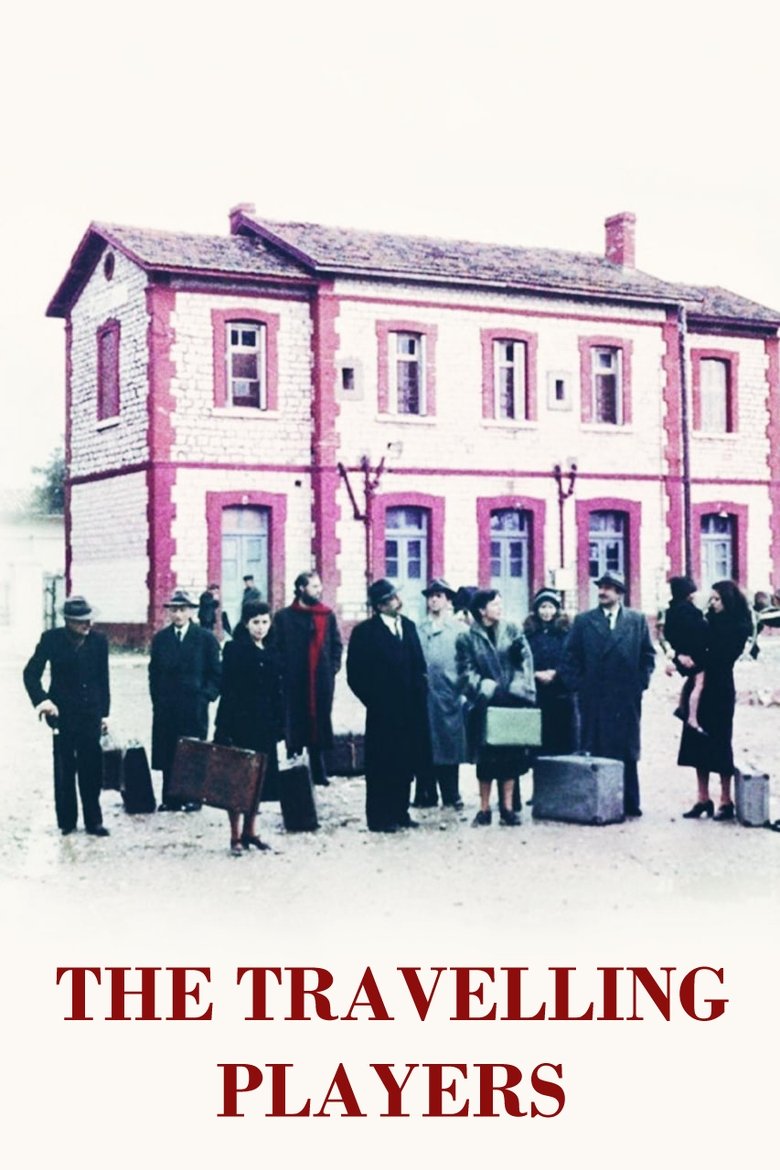
A travelling theatre troupe crosses Greece from 1939 to 1952. Four hours, eighty shots; Angelopoulos fits history into a single walk.

Three friends go to Vietnam and two come back. Woo's darkest film, in which heroism collapses completely.

A man and a woman hiding in the same room during the war. In a closed space Szabó shows how trust and betrayal become the same thing.

A medical unit in the Yom Kippur War. Gitai films his own war experience; the long takes in the mud are unbearable.

1948, two peoples, the same land. Gitai holds foundation and exile inside a single film.

Eight Italian soldiers are forgotten on a Greek island. Not a war film but a film about escaping war — and rarely has one been this sweet.

The first years of the Lebanese civil war and a love story. Bagdadi films war as everyday life; it won at Cannes.

Six students in occupied Holland end up on different sides. Verhoeven tells resistance not as heroism but as accident.

A Jewish singer infiltrates Nazi headquarters. Verhoeven dirties both the heroine and the resistance — nobody comes out of the war clean.

Insurgents taking refuge in the sewers during the Warsaw Uprising. Wajda offers no hope — he tells you at the start who will die.

A resistance fighter and an assassination on the war's last day. The peak of Wajda's trilogy; the death on the rubbish heap became a national symbol.

Władysław Szpilman surviving the Warsaw ghetto. Polanski is filming his own childhood; the piano scene, and that final concert.

Keaton's masterpiece: an engineer chasing his stolen locomotive and the woman he loves. The distance between laughter and danger has never been shorter.

Tarantino rewrites history, and does it with cinema itself. Christoph Waltz's opening scene is a masterclass.

In the ashes of war, the silent, bloody reckoning of a man who won't die. Few words, much dust.


