Tags
Wistful

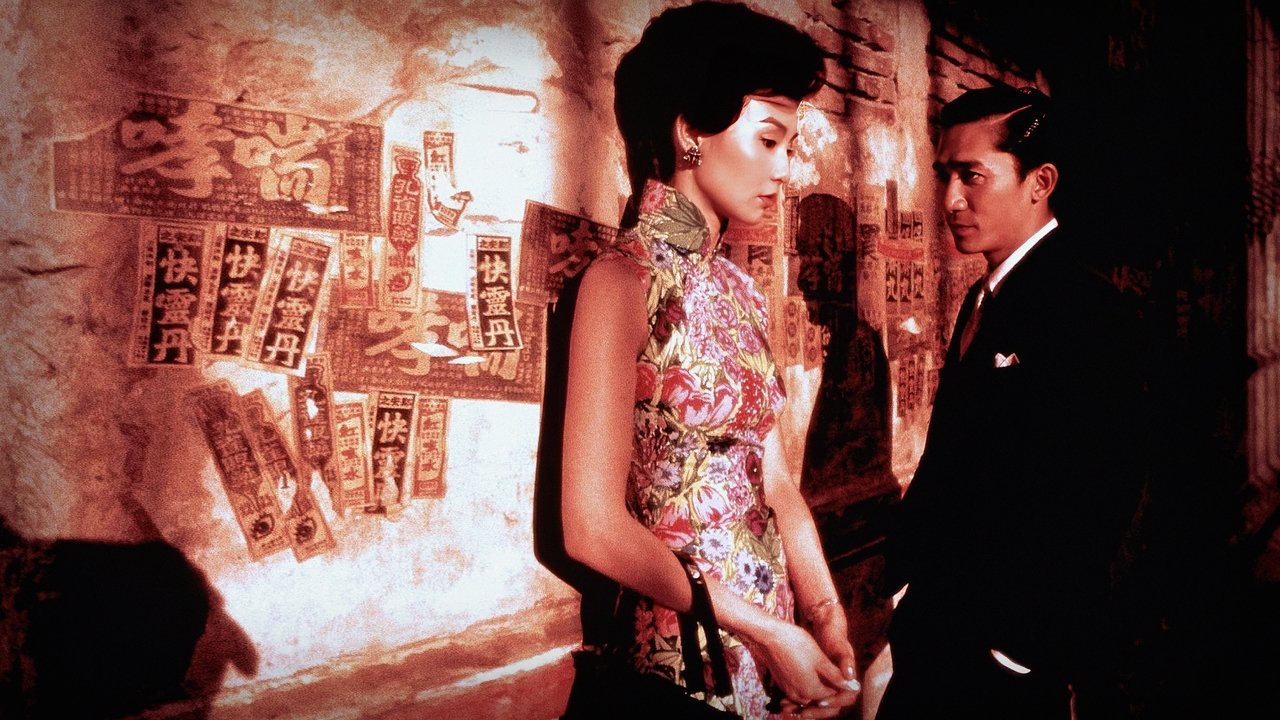
From Wong Kar-wai, the never-spoken love of two lonely neighbors. Everything stays in the glances and the space between them.
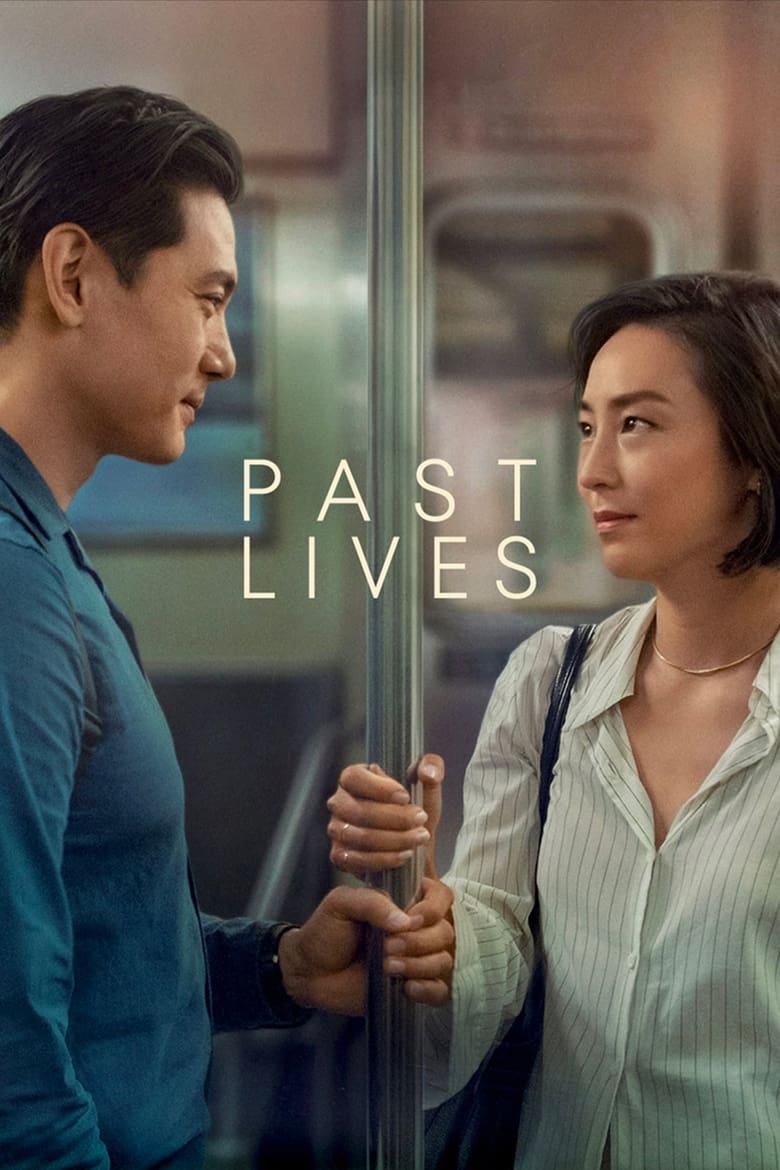
Two childhood loves reunited after twenty years. Quiet, moving, flawless, from Celine Song.

A lonely man falls in love with an AI operating system. Tender, wistful, as delicate as it is prescient.

Two strangers' fleeting, delicate bond in Tokyo. A tender film on loneliness and the city.

Two strangers walking and talking through one night in Vienna. Love at its purest, most talkative.

A father, a daughter, a holiday — and a grief hidden beneath memory. The ending reframes everything.

A woman finding herself through her thirties in Oslo. Smart, honest, moving.

A love slowly blooming between two young men one Italian summer. Full of sun and longing.

From Sorrentino, an aging writer who's lost the meaning amid Rome's splendor. Lavish parties, a deep emptiness underneath.

A man reappears after years and journeys back to his family. Wenders' timeless, wistful masterpiece.

In the 1980s, a Korean family tries to put down roots on an Arkansas farm. Simple, warm, quietly growing.

A widow and a widower meet at their children's school and slowly draw close. A love that grows on the Deauville sands, in the shadow of what each has lost.

A small-time gangster living on old stories clings to one last chance and a young waitress's dream. A crumbling Atlantic City makes the set for the fragile dignity of losers.

Over a summer, a boy carries secret love letters between an aristocratic woman and a farmer, grasping their meaning only much later. Beneath the English class order, the quiet loss of innocence.

As his wife is dying, a man is drawn to a young colleague. Im's hundred-and-second film, and his calmest.

During a family's summer at the beach, with a marriage on the brink, adolescent Janey's awakening desire tips toward loss. Christine Jeffs's sensual, melancholic study.

A man who flees his life in the city wanders the Estonian countryside for a summer, taking on a new identity in every place he enters.

A memoir opens up an argument about which version of the past the family accepts; the role played on set and the role played at home start to overlap. Kore-eda does not escalate the quarrel but watches instead who remembers which sentence.

The conversations lengthen, the drinking tables grow, and the woman apologises a little less each time. Hong keeps the camera fixed and leaves the zoom exposed; that crude movement deliberately breaks the emotional warmth of the scene.

The same seaside town is set up three times, with small details changing places each round. Hong uses repetition as a method rather than a game: what changes is not the events but the meaning people attach to them.