Tags
Women
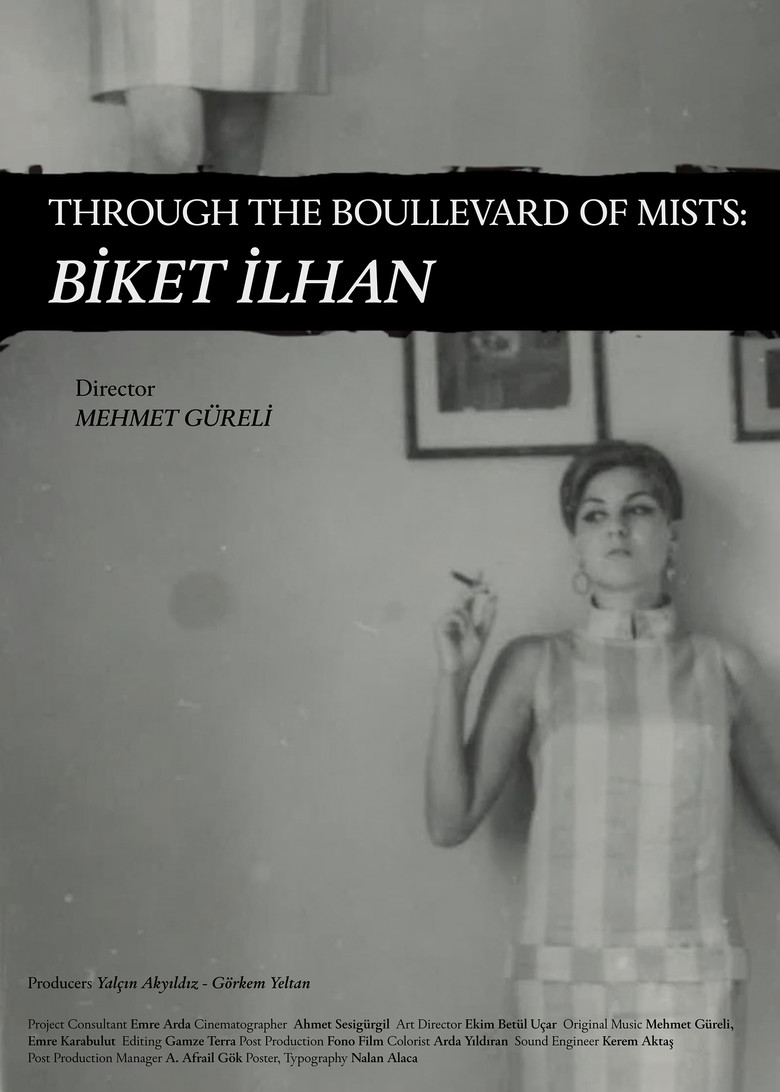
The documentary is about the labour of getting films made rather than the films themselves: finding producers, keeping going, staying independent. Güreli does not push the narrator forward; film history here is not a list of achievements but a working diary.

The prize in this sport is not a medal but a lifelong stipend, and that fact sets the film's entire morality. Gülen and Büyükcoşkun film the body as a career instrument and fill the training scenes with calculation rather than triumph.
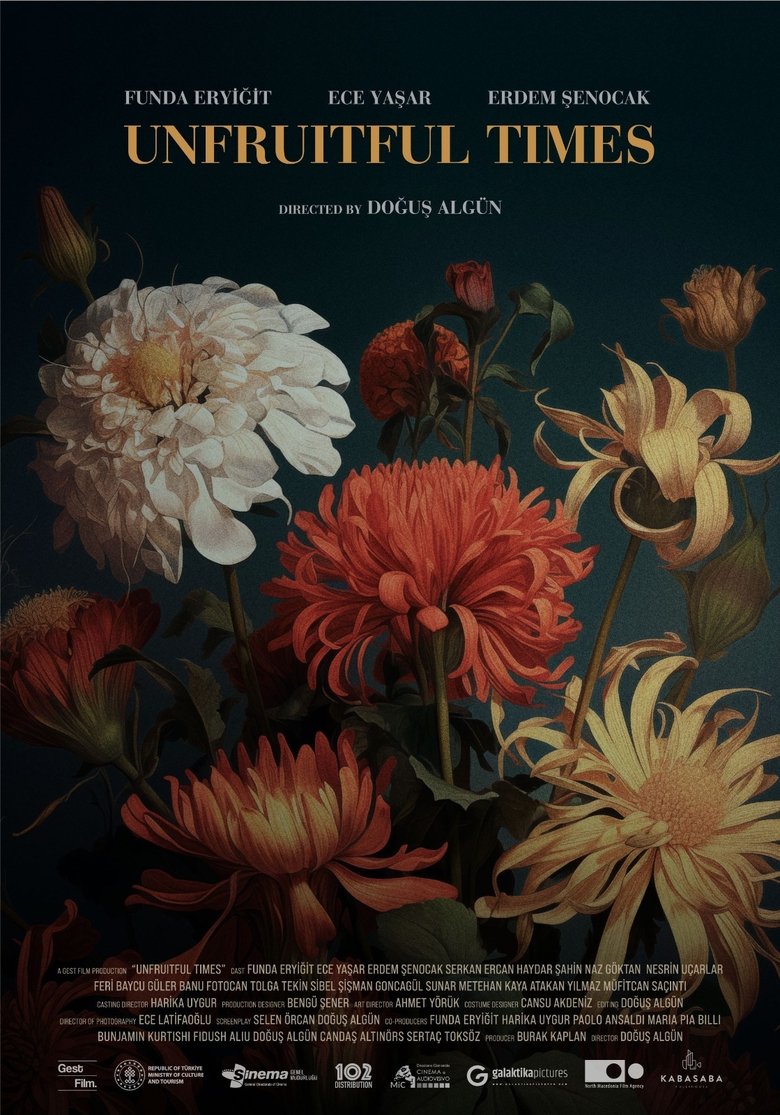
The lives of two sisters crack not under a blow from outside but under the steady pressure of the neighbourhood and the family. Algün does not chase big incidents; secrecy, rumour and being looked at accumulate, until even the sisters' hold on each other turns into a weight.
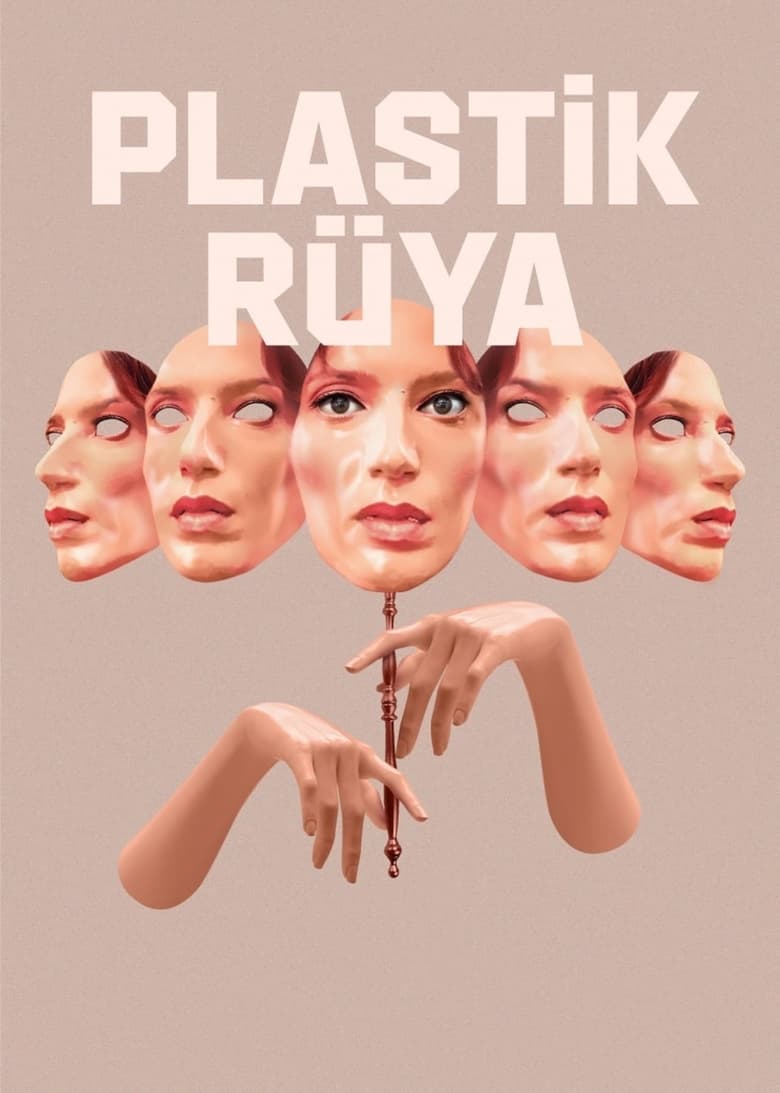
A suggestion, a needle, and a few days in front of the mirror. Bozcu conveys the pressure of beauty through the face itself rather than through argument; the closer the camera stays, the less clear it becomes whose expression this is.
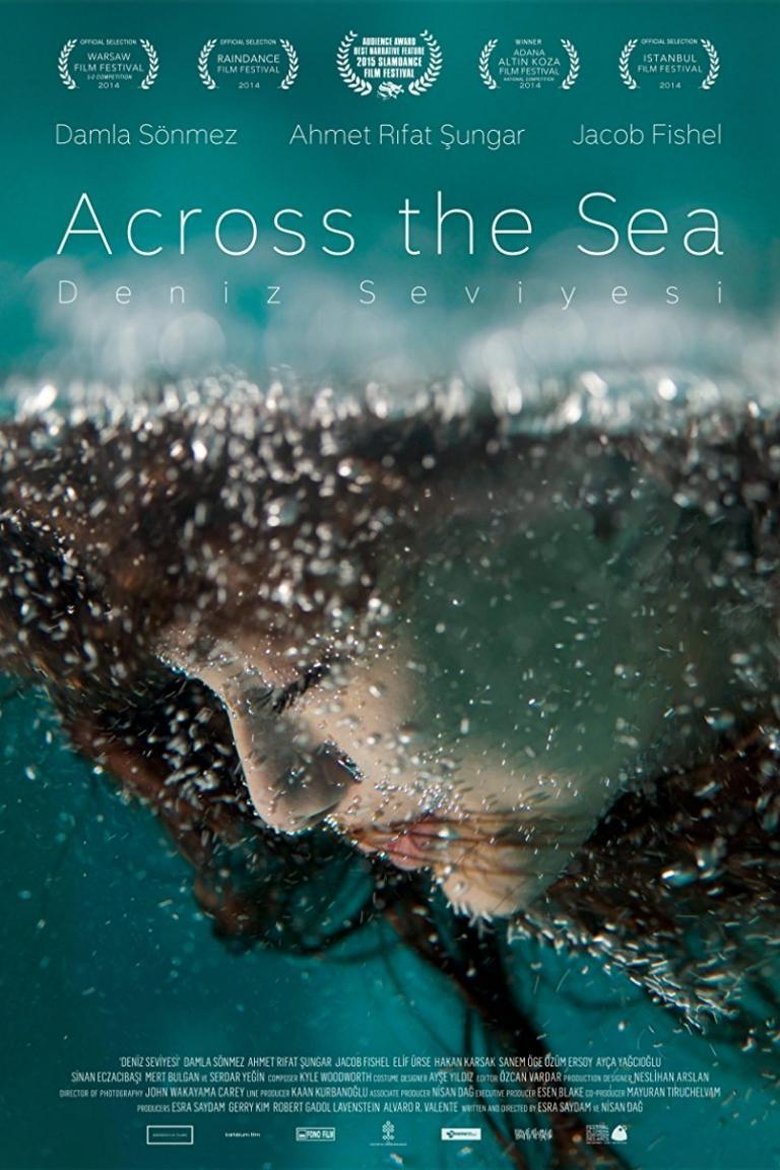
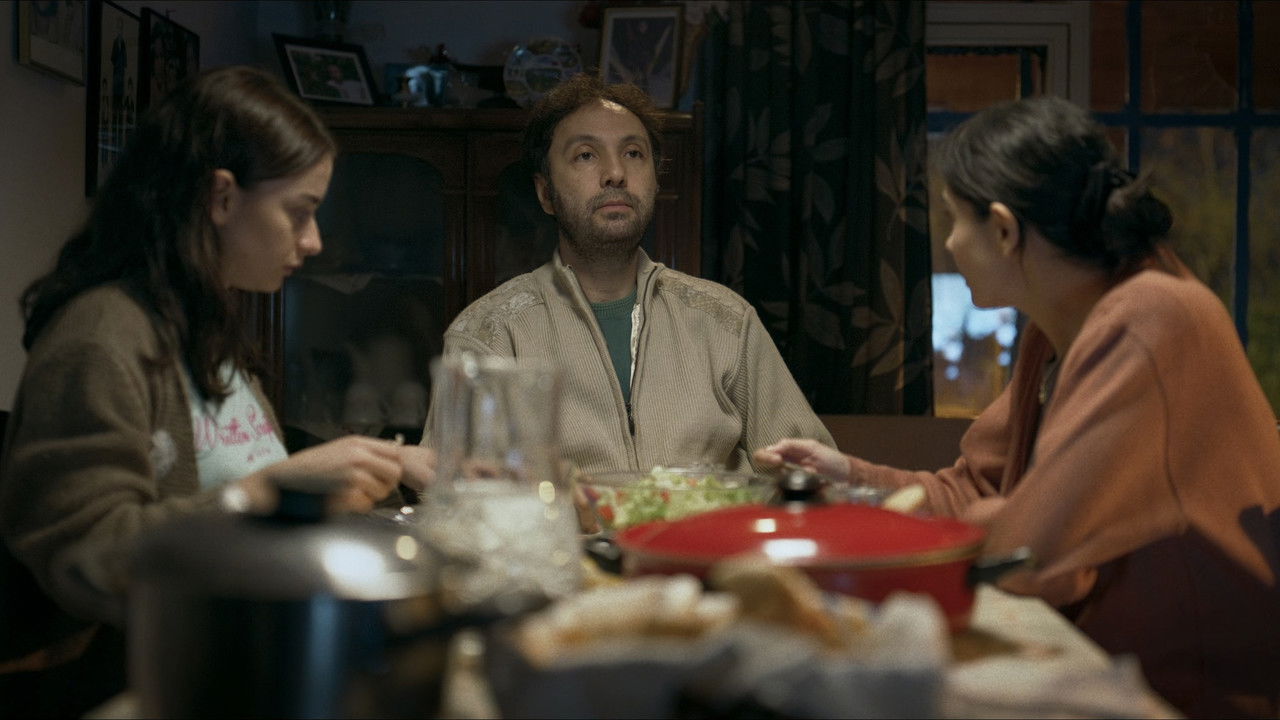
The return here is not a holiday but an attempt at reckoning; the house is where the untold thing is kept. Dağ and Saydam leave the unsaid between scenes rather than explaining it, and the coast becomes the measure of that waiting.
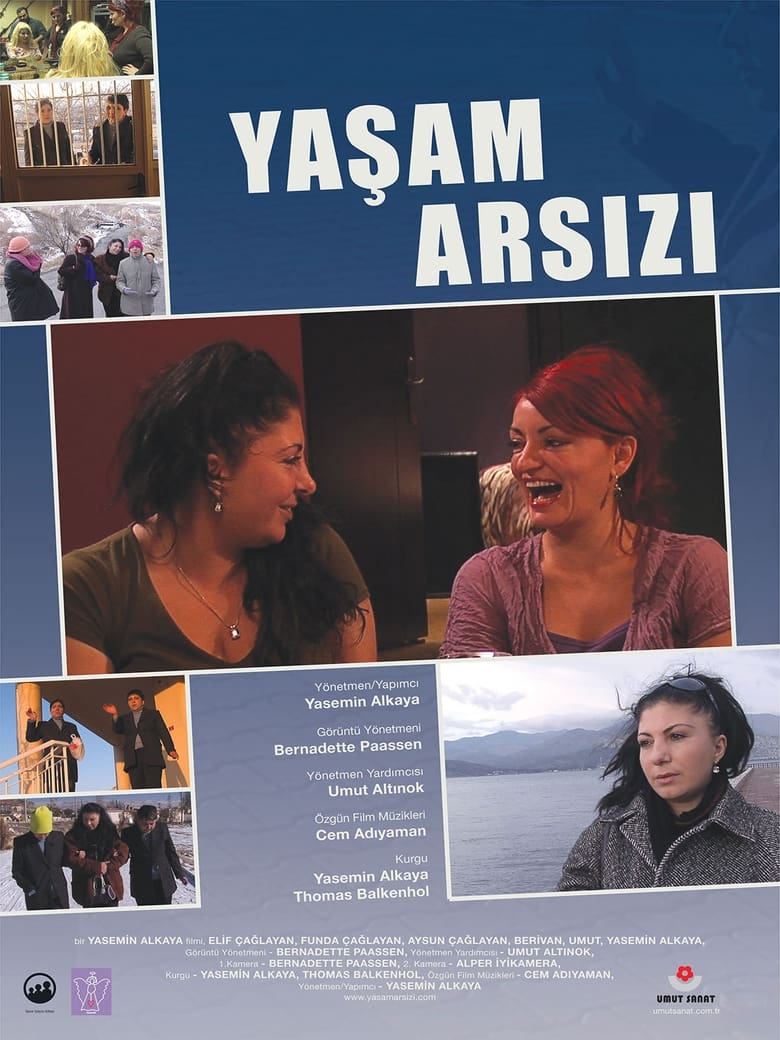
The camera enters a life and stays there; the woman speaking sets her own terms in her own words. Alkaya does not separate interview from staging, and that blurring lifts the film out of case study and into testimony.
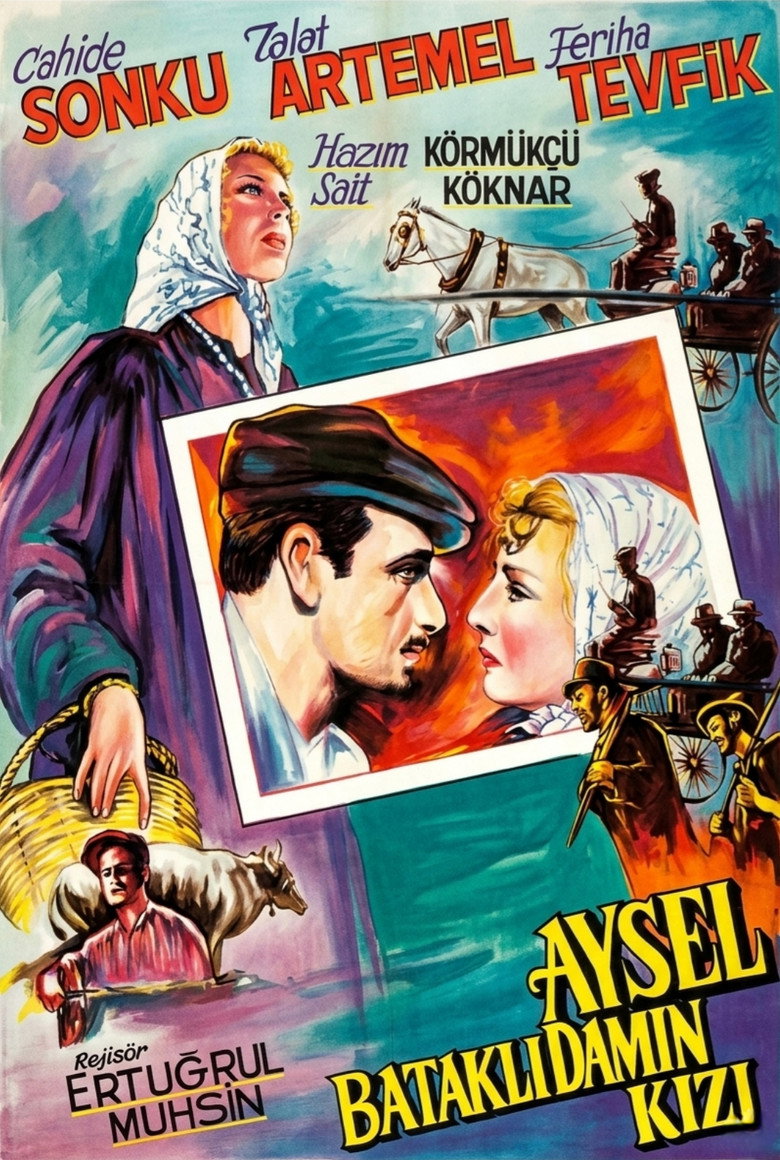
Everything early Turkish cinema inherited from the stage is visible here: the blocking, the register of the acting, the staging of the courtroom. Ertuğrul is not content to show the village girl is right; he also shows where the verdict is actually made.
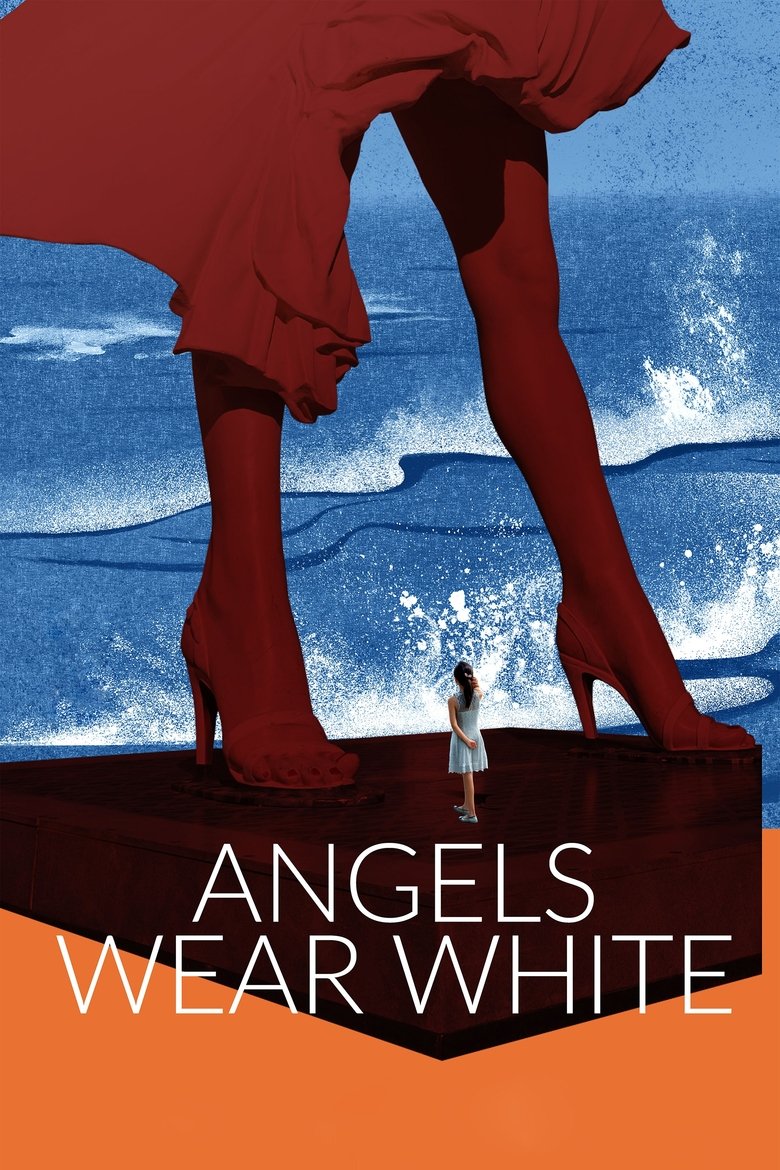
A girl working at a seaside hotel is the only witness to what was done to two children. She has the footage, but speaking means losing her job and her papers. Qu built the film around a giant statue of Marilyn Monroe — the most visible monument in the town.
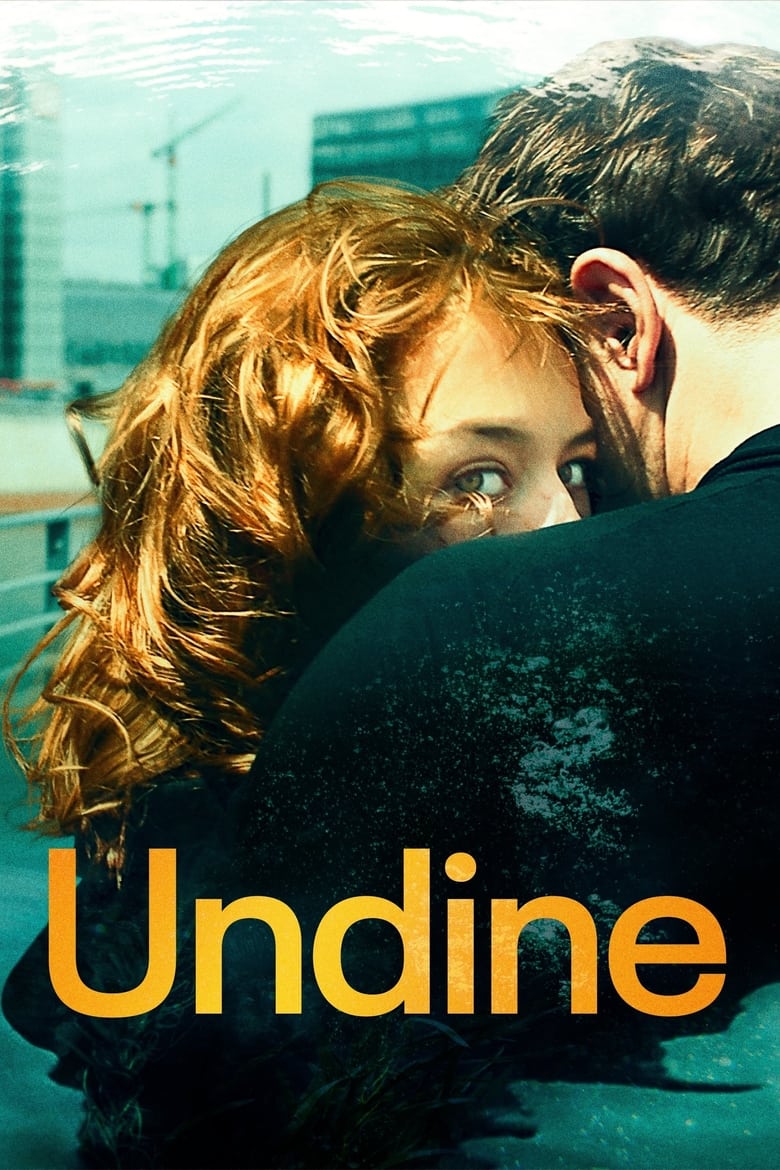
A guide who narrates Berlin's building history and an industrial diver. Petzold lays a water myth over the history of the city.

A woman with two children in East Germany trying to build a life of her own; among the first films to ask directly what it was to be a woman in a socialist country.

A woman who loses her son goes back to everyone in her past. Almodóvar's letter to women, and perhaps his finest film.

An abandoned woman, gazpacho and chaos. The comedy that introduced Almodóvar to the world, as fast as it is colourful.

A dead mother comes back and nobody is surprised. Almodóvar returns here to La Mancha, to his own roots; Penélope Cruz's best performance.
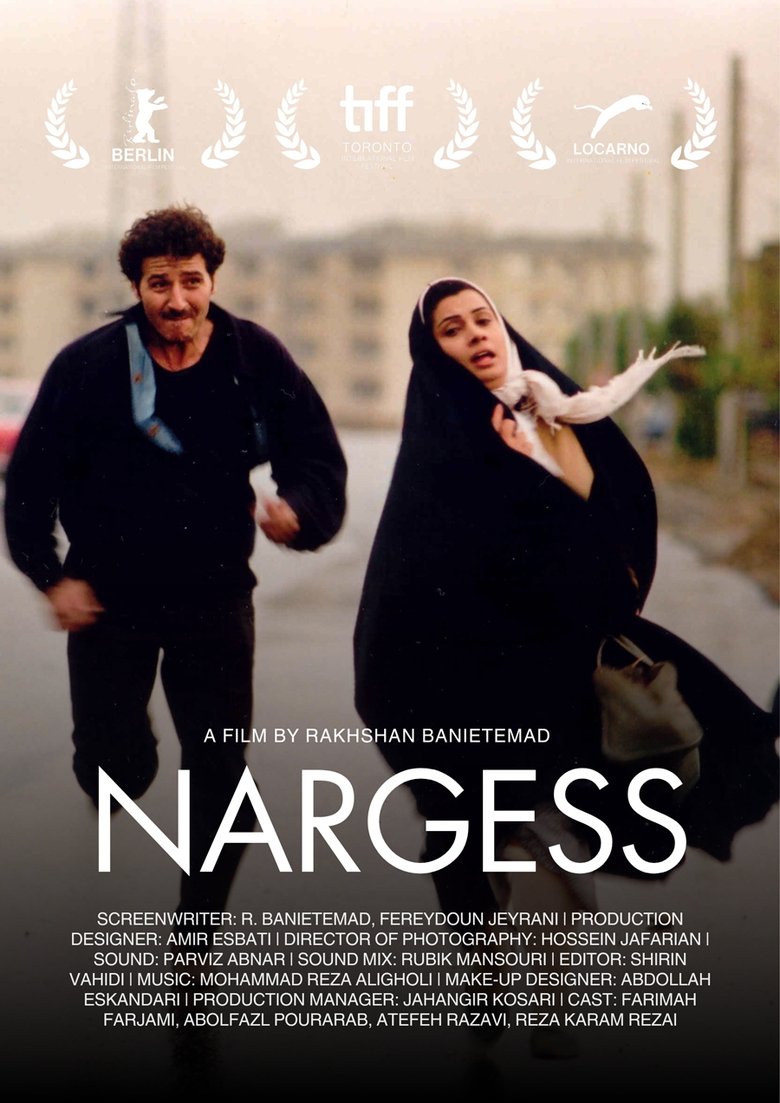
A young thief wants to leave his older partner and marry an innocent girl, and she agrees — by presenting herself as his mother. Bani-Etemad was among the first directors to describe women's lives directly after the revolution, and she did it from inside a crime story.
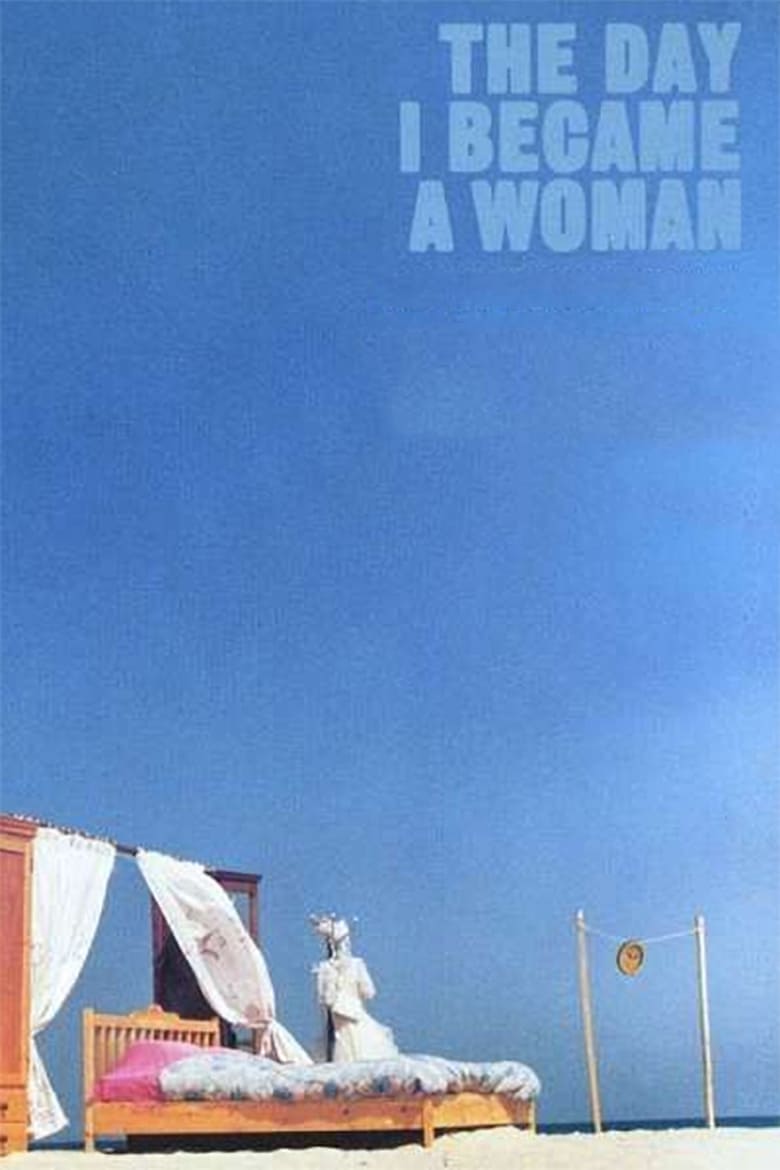
Three stories, three ages: a nine-year-old's last hour of play, a woman in a bicycle race with her husband riding after her, an old woman buying everything she never had, spread out on a beach. Meshkini tells a woman's life in three cuts and explains none of them.
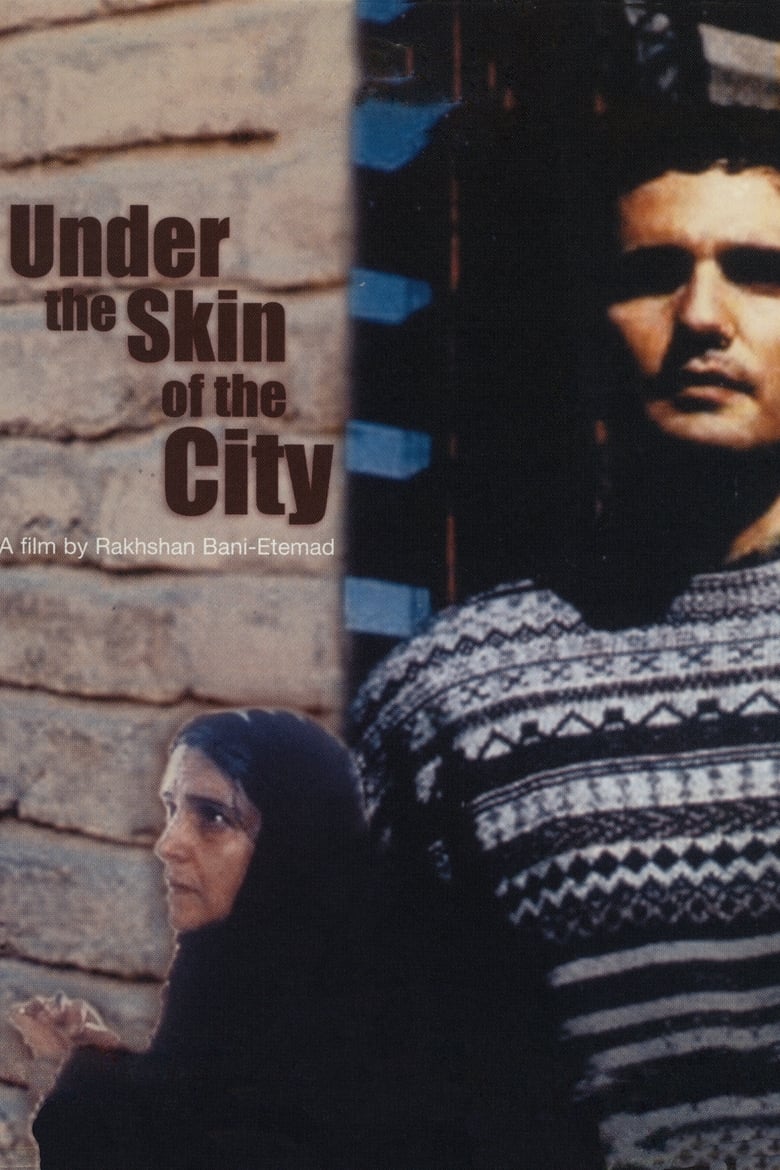
A family coming apart around a woman who works in a textile factory: a beaten pregnant daughter, a son drifting into politics, an elder son trying to sell the house to get abroad. The film is set during an election and nobody is voting for anybody.
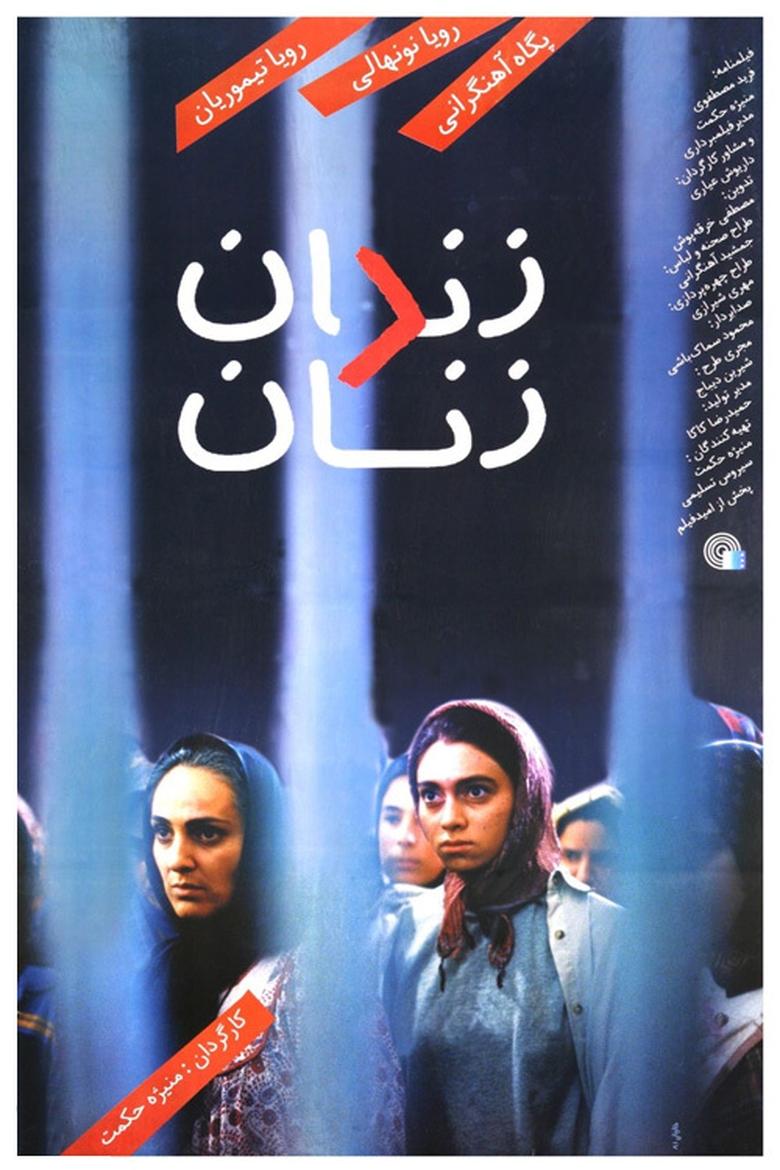
Eighteen years in a women's prison: a strict religious warden and a young midwife serving time for killing her mother's abusive husband. Hekmat shot in a real prison and censorship kept the film unreleased for a long time.
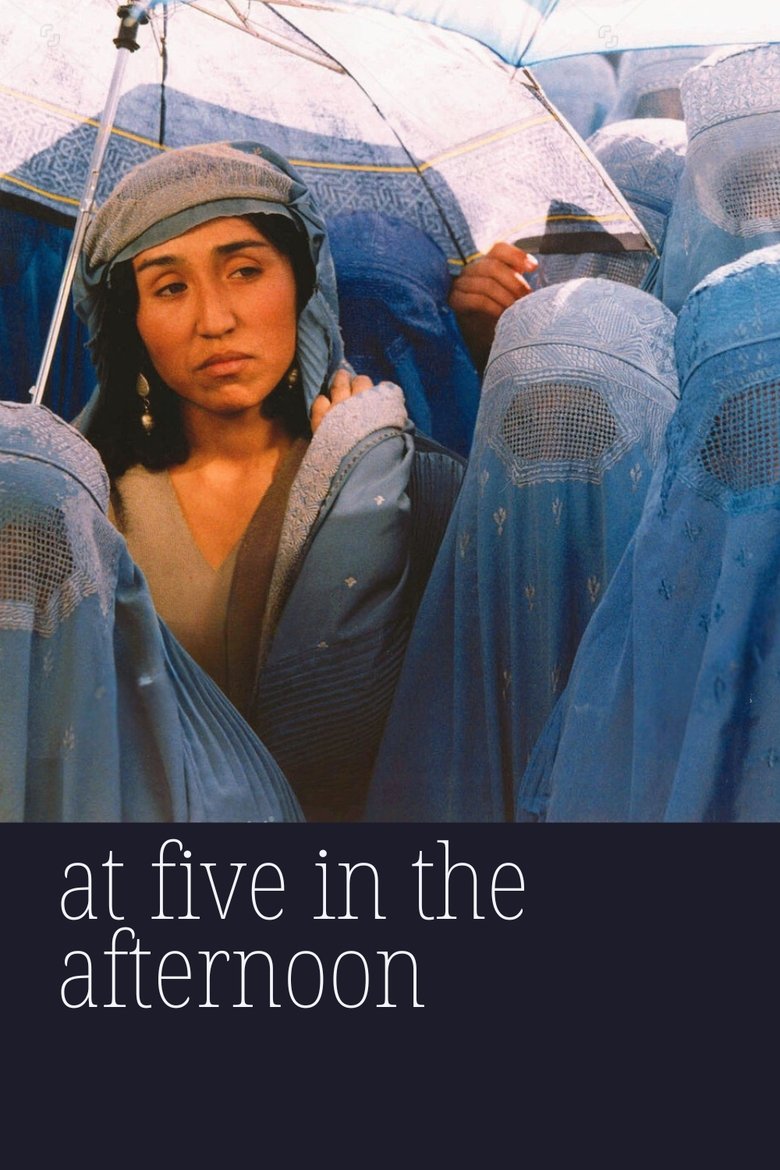
In post-Taliban Kabul a young woman secretly attends school and dreams of becoming president; if her father finds out it ends. The film was shot among ruins and takes its title from a Lorca poem.
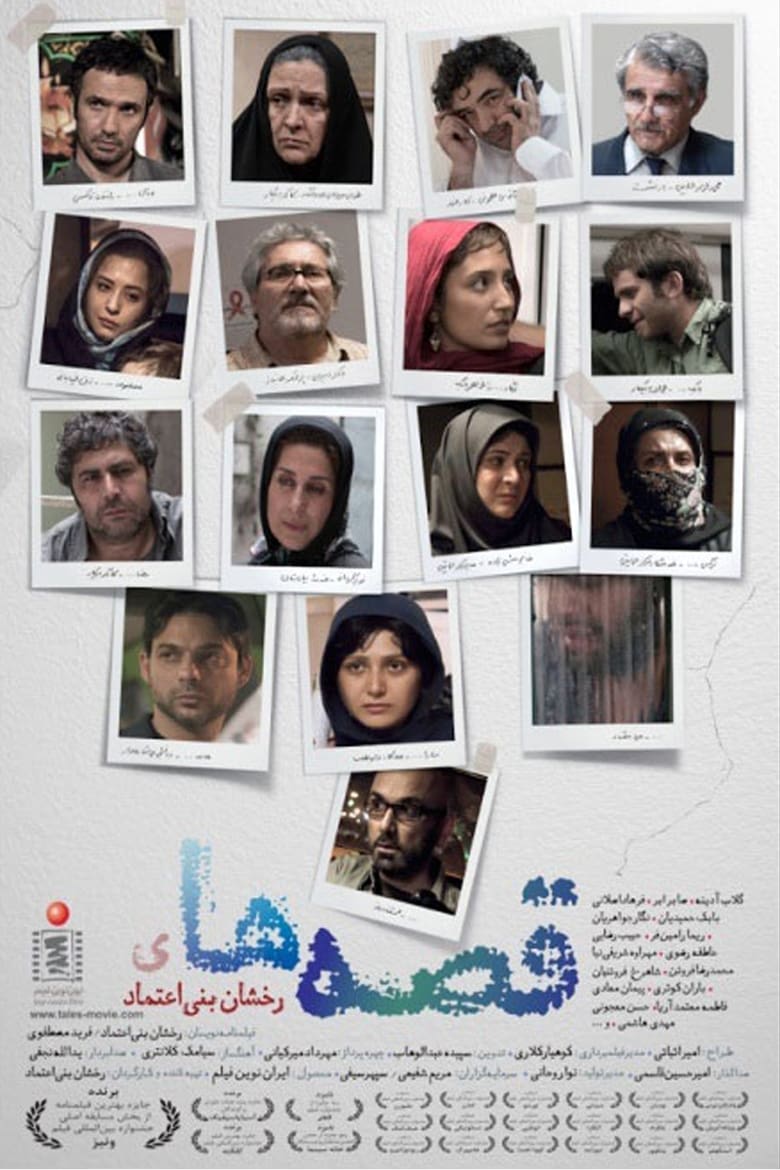
Seven stories, seven taxis and minibuses; Bani-Etemad finds the characters of her own earlier films years later and shows what became of them. It won the screenplay prize in Venice; it was banned in Iran and only received a release permit later, in 2015.
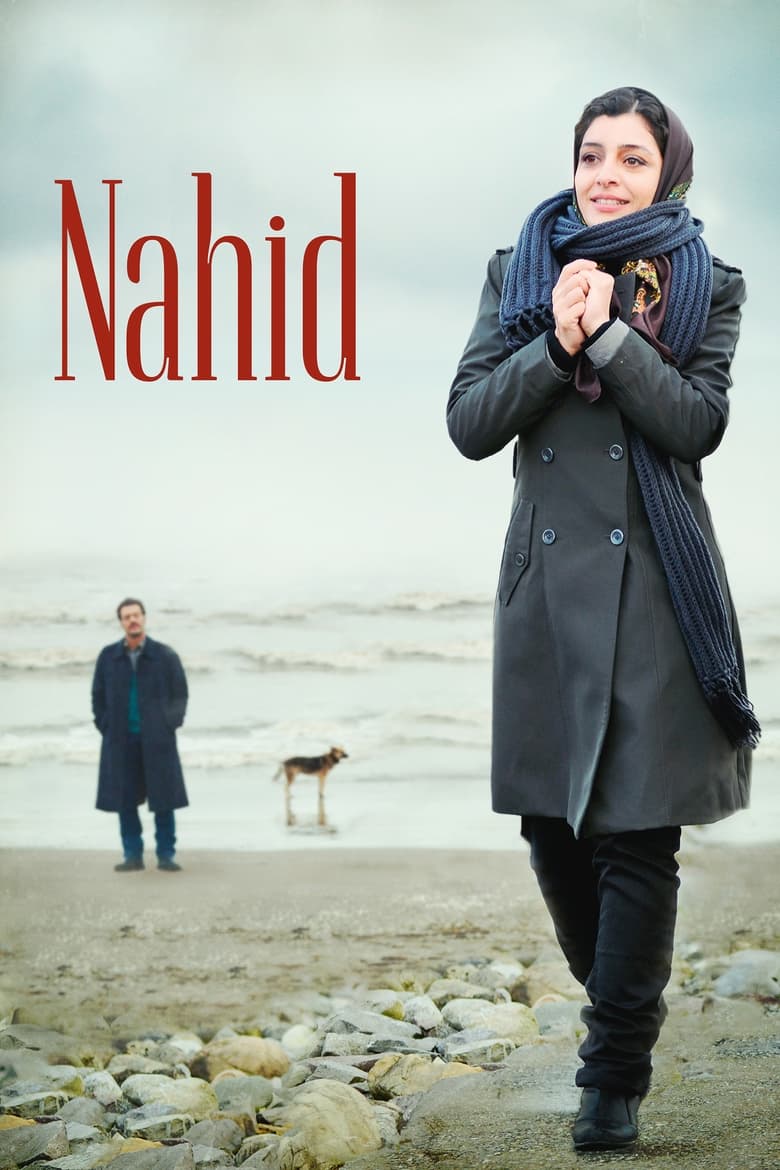
In northern Iran a divorced woman wants to remarry, but custody of her son depends on her not doing so; she is pushed towards what is called temporary marriage. Panahandeh won at Cannes with her first film, placing a legal loophole inside a love story.