Country room
Austria
The camera does not blink.
When does continuing to look become complicity?
In one scene Haneke turns to the audience and looks straight at them.
After that moment, going on watching is a choice.
The cinema of this country works by refusing to show.
Haneke sets up a scene of violence and does not turn the camera away. But he does not show the violence either — you hear it, you see the aftermath, the event itself is off-frame.
This is not delicacy. The opposite: because he does not show it, the viewer imagines it, and what they imagine is their own.
Ulrich Seidl uses another method.
He places the camera and leaves it. The frame is symmetrical, the people are in the centre, nobody moves. Whether it is documentary or fiction is unclear, because Seidl mixes the two.
And he does not let you escape. The scene does not end, no cut comes, you go on looking.
Read more
Jessica Hausner finds a third way.
In her films the colours are too clean, the frames too orderly, everything too calm. In Lourdes a miracle happens and the film says nothing about it. In Little Joe a plant makes people happy, and whether that is good is never settled.
Hausner does not judge. She leaves the judging to the viewer, and that gap is what unsettles.
What the three share is this: none of them tells you what to think.
They show a scene and wait. The discomfort comes from there — not from the film, but from your having gone on looking.
The Chain

The Seventh Continent
A family lives an ordinary life for three years and then makes a decision. Haneke's first feature, made from a real case.

Benny's Video
A boy is obsessed with his video camera, and one day what he records is a killing. The film does not show the killing — what is on screen is the boy's recording.

Funny Games
Two young men enter a holiday house and take the family hostage. In one scene one of them turns to the camera and asks the audience whether that is enough.

Northern Skirts
Four young people on the edge of Vienna and migrants fleeing a war. Albert films the city from the side tourists do not see.
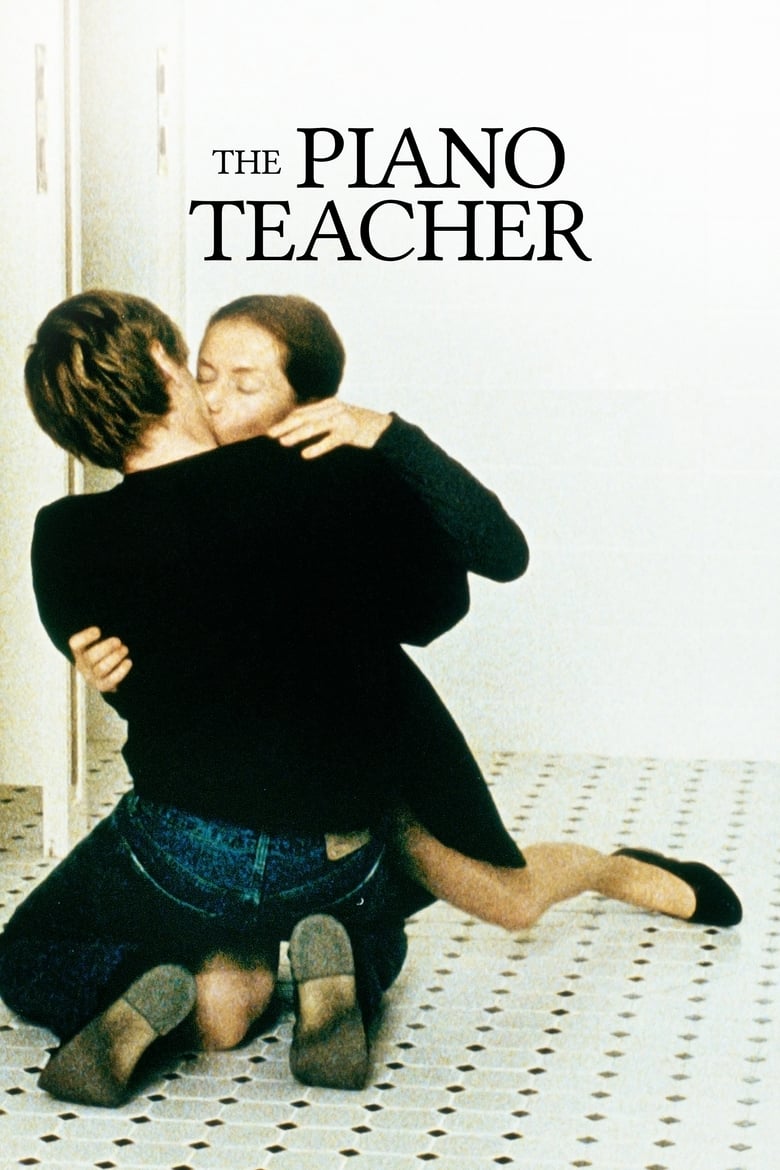
The Piano Teacher
A conservatoire teacher lives with her mother and becomes involved with a student. It won three prizes at once at Cannes: the Grand Prix and both acting awards.

Dog Days
A hot weekend in a Vienna suburb and a few houses. Seidl puts professional and non-professional actors in the same frame.

Caché
A family starts receiving tapes filmed outside their house, and who filmed them is never learned. The film looks at France's Algerian past.

The Counterfeiters
In a concentration camp prisoners are made to forge banknotes, working for the enemy in order to survive. It brought Austria an Oscar.

Import/Export
A Ukrainian nurse travels west, an unemployed Austrian travels east. The two journeys never meet.

Revanche
A robbery goes wrong and a woman dies. Afterwards two men begin living side by side without knowing it. The film was Austria's Oscar nominee.

Lourdes
A woman in a wheelchair joins a pilgrimage and is healed. The film does not say whether it is a miracle.

The White Ribbon
Strange things happen in a German village before the First World War and nobody takes responsibility. It won the Palme d'Or at Cannes.

Amour
An elderly couple and a stroke. The film takes place almost entirely in the flat; the one exception is the concert scene at the start. Haneke took a second Palme d'Or, and then the Oscar came.

Paradise: Love
An Austrian woman goes on holiday to Kenya and becomes involved with young men. Seidl made it as the first film of a trilogy.

Great Freedom
A man is imprisoned after the war and cannot get out for years — his crime is being homosexual. That article of the German penal code, §175, was enacted in 1871 and was not fully repealed until 1994.

Corsage
The Empress Elisabeth turns forty and stops doing what is expected of her. Kreutzer breaks the period on purpose — there are things in the film that do not belong to it.
Directors in this room