Austria · 1942
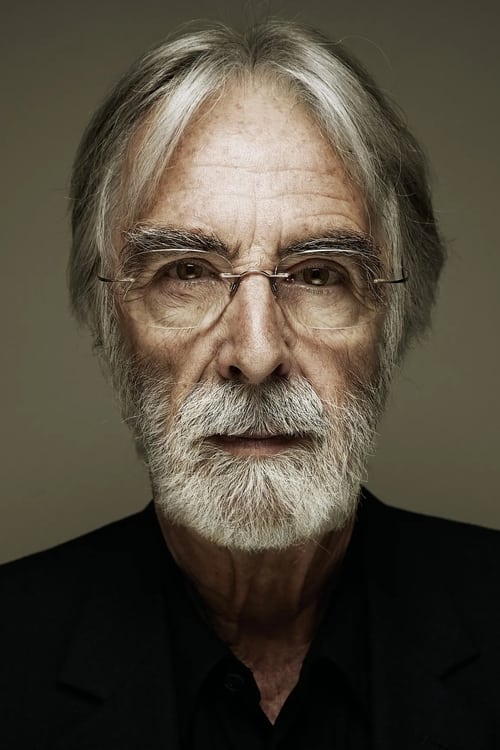
Michael Haneke
He never shows the violence; he lets you hear it instead, and keeps the camera waiting until the room empties.
“Film is 24 lies per second at the service of truth.”
24 Realities per Second (belgesel, 2005) — Haneke röportajı
The Cold Gaze
A piano teacher punishes her own desire with a razor blade. A family collapses without knowing who is watching them. Haneke's cinema is not a comfort film — it is an interrogation.
Michael Haneke takes it as a duty to make the viewer uncomfortable. For him cinema is not a shop where easy feelings are sold; it is a cold mirror held up to human darkness. He never aestheticises violence — on the contrary, he leaves it naked, uncomfortable, real. Because the violence Hollywood beautifies is, to him, a lie.
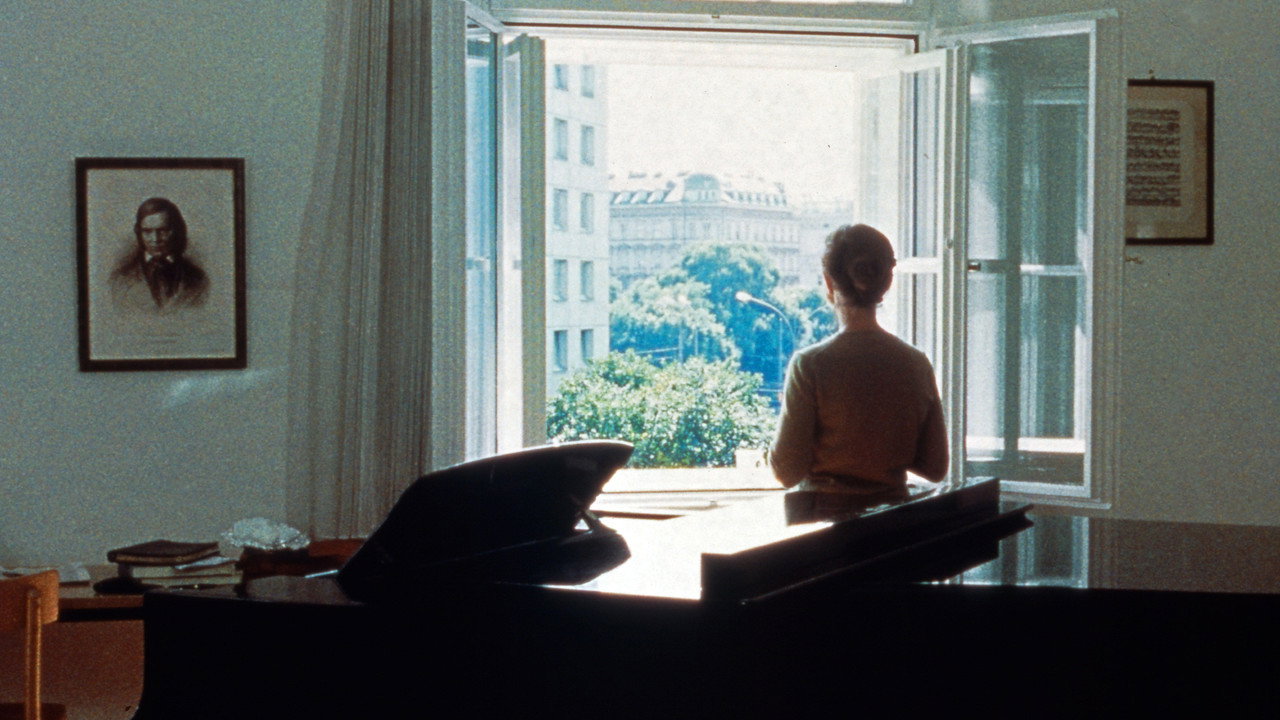
In The Piano Teacher, Erika Kohut is a suppressed volcano. Years of discipline, her mother's pressure, the coldness of art have rotted her from within. Isabelle Huppert plays the part with clinical precision — she neither begs for pity nor passes judgement. Haneke does the same: he only shows, and forces us to look.
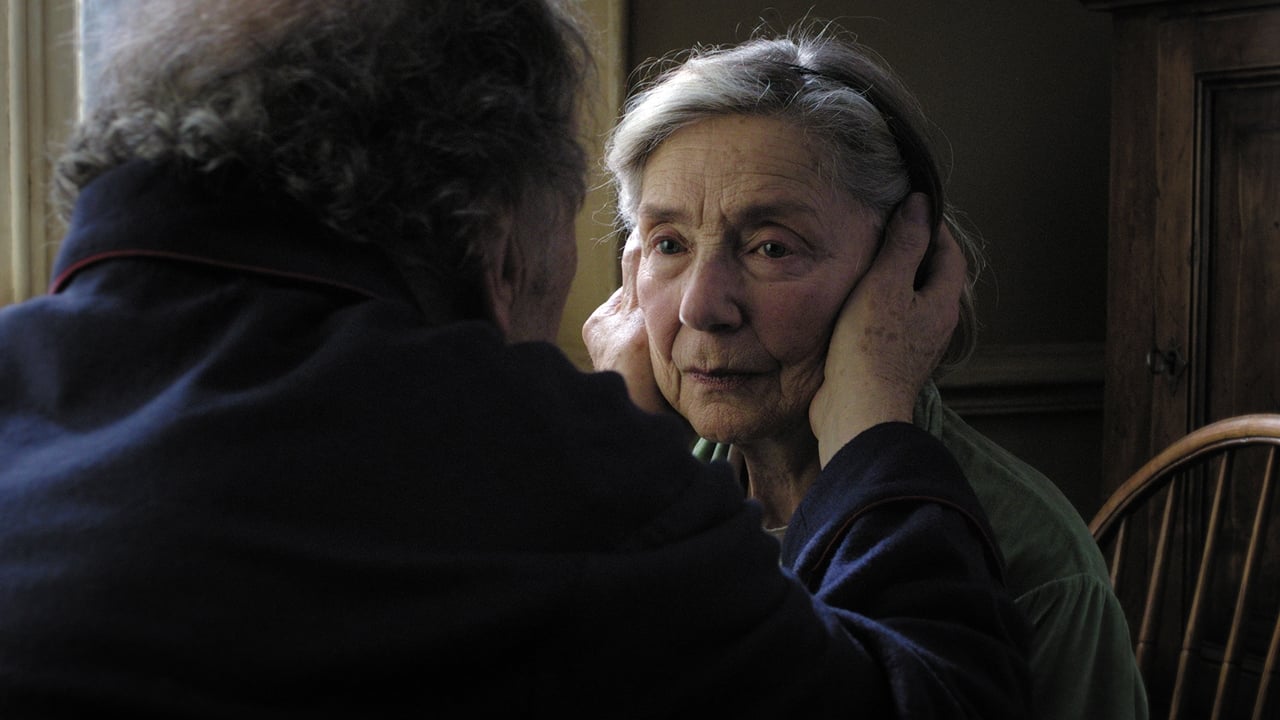
An Austrian. He studied philosophy and psychology, and those disciplines have soaked into his films. In Caché he worked on guilt, in Funny Games on the spectacle of violence, in Amour on the merciless patience of death. Every film is like a thesis — but never didactic; always unsettling.
Haneke is not an easy director. You do not take "pleasure" from his films. But after watching them you look at the world a little differently. And perhaps that is the hardest thing cinema can do.
THE WORLD OF Michael Haneke
Haneke almost never uses music. Surveillance and guilt, repression and eruption — in his films these are worked not with music but with silence. Because music tells the viewer what to feel, and Haneke regards that as manipulation. His silence is not a preference but an ethic: I will not tell you what to feel, decide for yourself.
His long, static shots can feel like torture. The spectacle of violence and the patience of death — these themes crystallise in scenes that run for minutes without a cut. A scene continues long after it ought to end; we want to escape, and the camera will not let us. That duration is Haneke's strongest weapon — because real life is like that too: pain does not end when we are ready for it to end.
Where to start
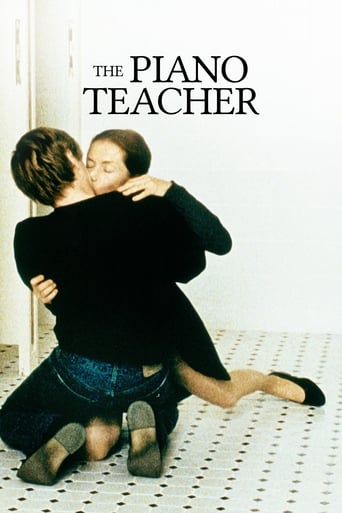
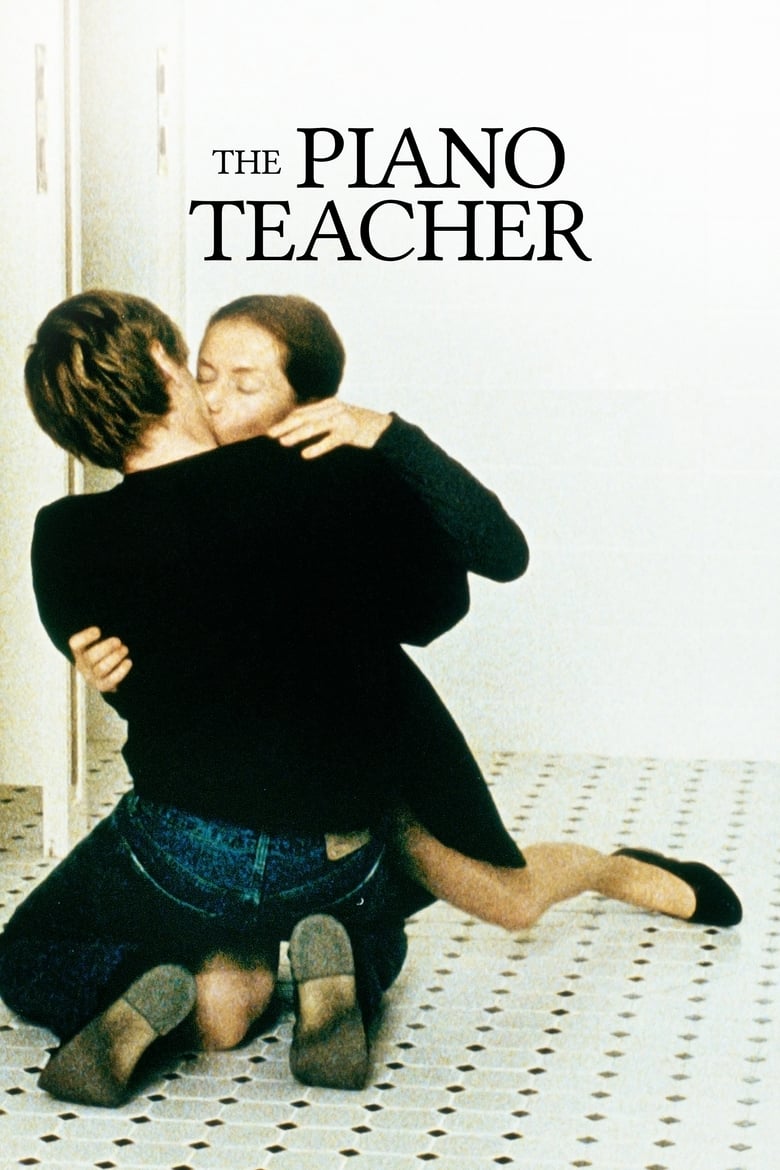 The Piano Teacher 2001
Bastırılmış arzunun klinik, sarsıcı portresi. Huppert'in zirvesi.
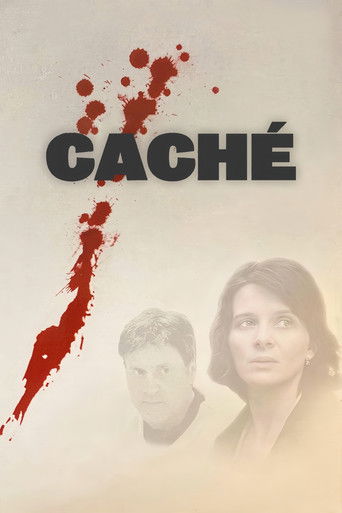
 Caché 2005
Kim izliyor? Neden? Suçluluk üzerine bir başyapıt.
 Amour 2012
Ölümün sabrı, sevginin sınırı. Palme d'Or, Oscar.
 Funny Games 1997
Şiddetin seyirlik doğasına tutulan ayna. Rahatsız edici, kasıtlı.
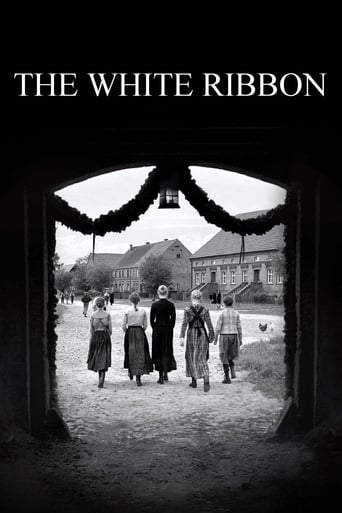
 The White Ribbon 2009
Bir köyde biriken kötülük. Faşizmin çekirdeği. Altın Palmiye.
Canon films





Awards
- European Film Awards · 2020 · won · The White Ribbon
- European Film Awards · 2020 · won · The White Ribbon
- Academy Awards · 2012 · won · Amour
- César · 2012 · won · Amour
- César · 2012 · won · Amour
- DirectingAcademy Awards · 2012 · nominated · Amour
- Best Original ScreenplayAcademy Awards · 2012 · nominated · Amour
- Best DirectionBAFTA · 2012 · nominated · Amour
See all · 19
- Best Original ScreenplayBAFTA · 2012 · nominated · Amour
- Best Foreign Language FilmAcademy Awards · 2009 · nominated · The White Ribbon
- Best DirectorCésar · 2005 · nominated · Caché
- Best Original ScreenplayCésar · 2005 · nominated · Caché
- Best ScreenwriterEuropean Film Awards · 2001 · nominated · The Piano Teacher
- Cannes Film Festival · 2012 · won · Amour
- Cannes Film Festival · 2009 · won · The White Ribbon
- Cannes Film FestivalCannes Film Festival · 2005 · nominated · Caché
- Cannes Film FestivalCannes Film Festival · 2001 · nominated · The Piano Teacher
- Cannes Film FestivalCannes Film Festival · 2000 · nominated · Code Unknown
- Sitges Film Festival · 1994 · won · 71 Fragments of a Chronology of Chance
Interviews
- TeoTosone