Country room
Brazil
They made an aesthetic out of hunger.Fizeram da fome uma estética.
What does a cinema without money do differently?O que um cinema sem dinheiro faz de outro jeito?
In 1965 Glauber Rocha wrote a text called "The Aesthetics of Hunger".Em 1965 Glauber Rocha escreveu um texto chamado "A Estética da Fome".
It argued that having no money was not a lack but a form.Dizia que não ter dinheiro não era uma falta, mas uma forma.
Glauber Rocha wrote a manifesto at twenty-five.Glauber Rocha escreveu um manifesto aos vinte e cinco anos.
Europe did not like Brazilian cinema because it found it crude: the camera shakes, the sound is poor, the actors are not professionals. Rocha answered that this crudeness was not a fault but the country itself.A Europa não gostava do cinema brasileiro porque o achava tosco: a câmera treme, o som é ruim, os atores não são profissionais. Rocha respondeu que essa tosquidão não era um defeito, mas o próprio país.
Read more
"The Aesthetics of Hunger" is the name of that text. In short it said: having no money is not something to hide; it will be the form of the film."A Estética da Fome" é o nome desse texto. Em resumo, dizia: não ter dinheiro não é algo a esconder; será a forma do filme.
In this country hunger has two geographies.Neste país a fome tem duas geografias.
One is the sertão: a dry region in the north-east where people leave the land and migrate. Cinema Novo went there and filmed the drought — in Vidas Secas a family walks and there is nothing to eat.Uma é o sertão: uma região seca do Nordeste de onde as pessoas partem, deixando a terra. O Cinema Novo foi até lá e filmou a seca — em Vidas Secas uma família caminha e não há nada para comer.
The other is the favela: the districts that grow at the edge of the city. Forty years later the camera turned there and City of God came out.A outra é a favela: os bairros que crescem na beira da cidade. Quarenta anos depois a câmera se voltou para lá e saiu Cidade de Deus.
The same hunger, a different place.A mesma fome, outro lugar.
In between there is a dictatorship.No meio há uma ditadura.
In 1964 the military took power and stayed for twenty-one years. Censorship came, directors went into exile, Rocha left the country.Em 1964 os militares tomaram o poder e ficaram vinte e um anos. Veio a censura, os diretores se exilaram, Rocha deixou o país.
Cinema went underground and turned to allegory: in Antonio das Mortes there is a hired killer, but what is being told is power.O cinema desceu à clandestinidade e passou à alegoria: em O Dragão da Maldade há um matador de aluguel, mas o que se conta é o poder.
Brazilian cinema still looks at the same places today.O cinema brasileiro ainda hoje olha para os mesmos lugares.
In Bacurau a town is erased from the map. In Aquarius a woman refuses to leave her flat. In I'm Still Here a family looks for a father who disappeared.Em Bacurau um povoado é apagado do mapa. Em Aquarius uma mulher se recusa a sair do apartamento. Em Ainda Estou Aqui uma família procura um pai que desapareceu.
The hunger changed. The gaze did not.A fome mudou. O olhar não.
The ChainA Corrente
The hunger changed, the gaze did notA fome mudou, o olhar não

Limite
Three people in a boat and the open sea. Peixoto was young at the time and never made another film. The print was considered lost for years, then restored.Três pessoas numa barca e o mar aberto. Peixoto era jovem na época e não fez outro filme. A cópia foi dada como perdida por anos e depois foi restaurada.

Ganga Bruta
A man kills his wife on their wedding night and is acquitted. Mauro made it as cinema passed from silence to sound; it was not understood on release and was rediscovered later.Um homem mata a mulher na noite de núpcias e é absolvido. Mauro o fez na passagem do cinema mudo para o sonoro; não foi entendido no lançamento e foi redescoberto depois.

Rio, 40 Degrees
On a Sunday in Rio five boys sell peanuts. The film ran into the censors and was banned; it is taken as the beginning of Cinema Novo.Num domingo no Rio, cinco meninos vendem amendoim. O filme esbarrou na censura e foi proibido; é tido como o começo do Cinema Novo.

The Given Word
A peasant carries a cross to a church to fulfil a vow, and the priest will not let him in. It won the Palme d'Or at Cannes — Brazil's only Palme.Um camponês carrega uma cruz até uma igreja para cumprir uma promessa, e o padre não o deixa entrar. Ganhou a Palma de Ouro em Cannes — a única Palma do Brasil.

Vidas Secas
A family walks in the sertão: a man, a woman, two children and a dog. The drought does not end and neither does the walking.Uma família caminha pelo sertão: um homem, uma mulher, duas crianças e um cachorro. A seca não termina e a caminhada também não.

Black God, White Devil
A farmhand kills his boss and runs; he joins first a preacher, then a band of outlaws. Rocha films the drought as myth.Um vaqueiro mata o patrão e foge; junta-se primeiro a um beato, depois a um bando de cangaceiros. Rocha filma a seca como um mito.
Entranced Earth
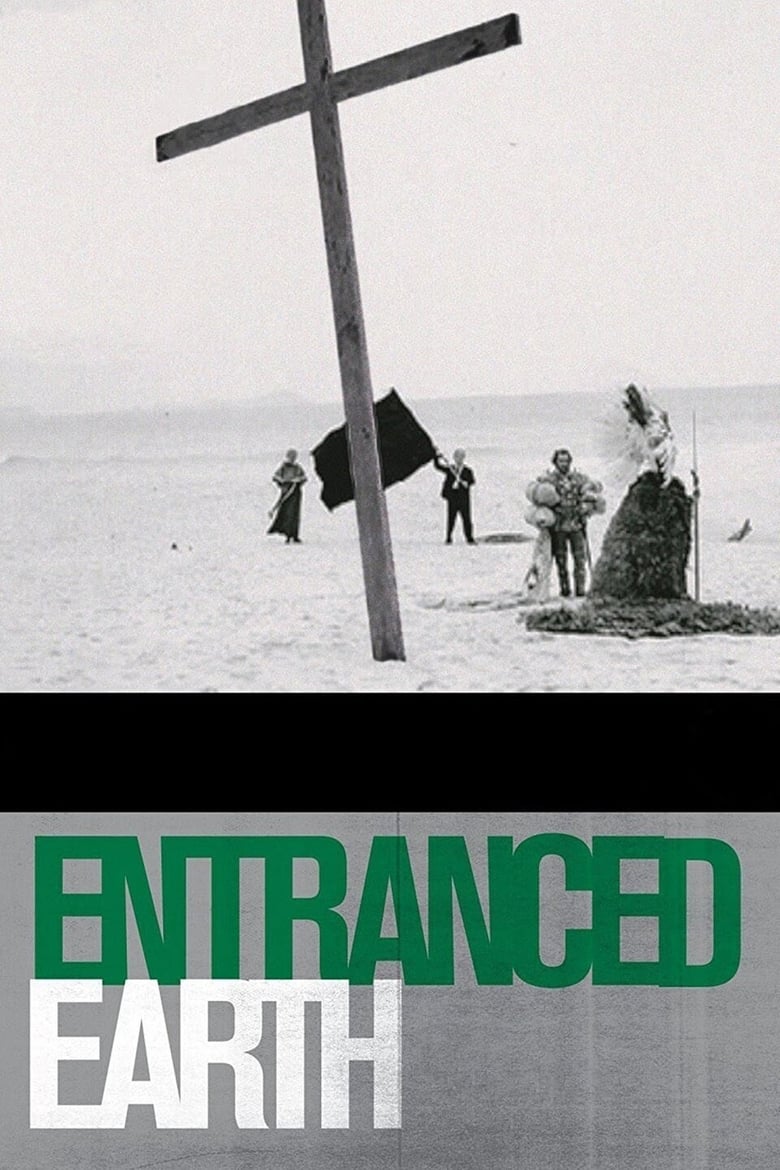
A poet enters politics and is caught between two bad options. The film came out three years after the coup and struggled with the censors.Um poeta entra na política e fica preso entre duas más opções. O filme saiu três anos depois do golpe e enfrentou a censura.

Antonio das Mortes
A hired killer hunts outlaws and then changes sides. Rocha won best director at Cannes for it and then left the country.Um matador de aluguel caça cangaceiros e depois muda de lado. Rocha ganhou o prêmio de melhor direção em Cannes com ele e depois deixou o país.

Macunaíma
A man is born in the forest, goes to the city and devours everything. Andrade took a novel and turned it into an allegory under the dictatorship.Um homem nasce na floresta, vai para a cidade e devora tudo. Andrade pegou um romance e o transformou numa alegoria sob a ditadura.

Xica da Silva
In the eighteenth century an enslaved woman gains power in the diamond district. Diegues turns history into carnival, and the film drew large audiences in Brazil.No século XVIII uma mulher escravizada ganha poder na região dos diamantes. Diegues transforma a história em carnaval, e o filme teve muito público no Brasil.

Central Station
A woman who writes letters at a station and a boy who has lost his mother travel north. It won the Golden Bear in Berlin and opened Brazilian cinema to the world again.Uma mulher que escreve cartas numa estação e um menino que perdeu a mãe viajam para o norte. Ganhou o Urso de Ouro em Berlim e reabriu o cinema brasileiro ao mundo.
City of God
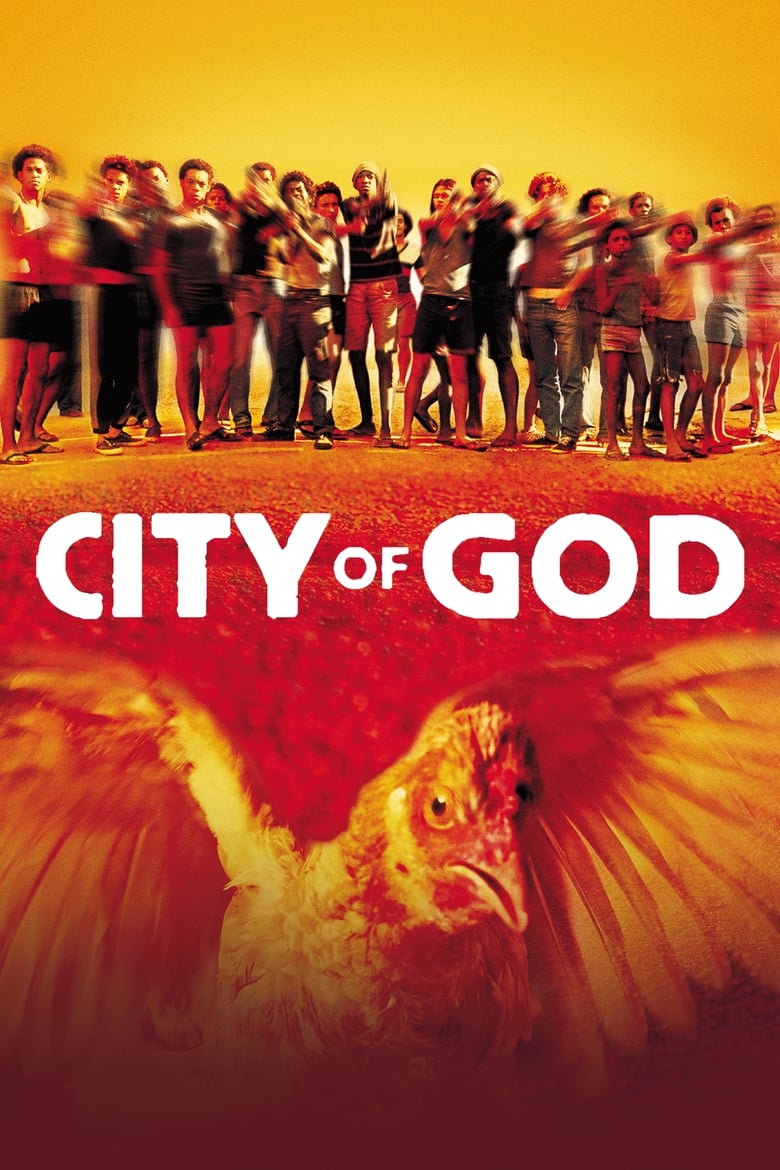
Two boys grow up in a favela in Rio: one becomes a photographer, the other a drug dealer. Most of the cast were chosen from those neighbourhoods.Dois meninos crescem numa favela do Rio: um vira fotógrafo, o outro traficante. A maior parte do elenco foi escolhida nesses bairros.

Elite Squad
A special police unit in Rio and one officer inside it. The film spread on pirated copies before its release in Brazil and set off a large argument.Uma unidade especial da polícia no Rio e um oficial dentro dela. O filme circulou em cópias piratas antes de estrear no Brasil e provocou uma grande polêmica.

Aquarius
A retired music critic refuses to leave her flat while a construction company waits her out. The team held up placards on the red carpet at Cannes.Uma crítica musical aposentada se recusa a deixar o apartamento enquanto uma construtora espera. A equipe abriu faixas no tapete vermelho de Cannes.

Bacurau
A town in the north-east disappears from the maps, and then armed strangers arrive. It won the jury prize at Cannes.Um povoado do Nordeste desaparece dos mapas, e depois chegam estranhos armados. Ganhou o prêmio do júri em Cannes.

I'm Still Here
In 1971 a family loses its father, and the mother spends years trying to learn what happened. Brazil's first Oscar came with this film.Em 1971 uma família perde o pai, e a mãe passa anos tentando saber o que aconteceu. O primeiro Oscar do Brasil veio com este filme.
Directors in this room


