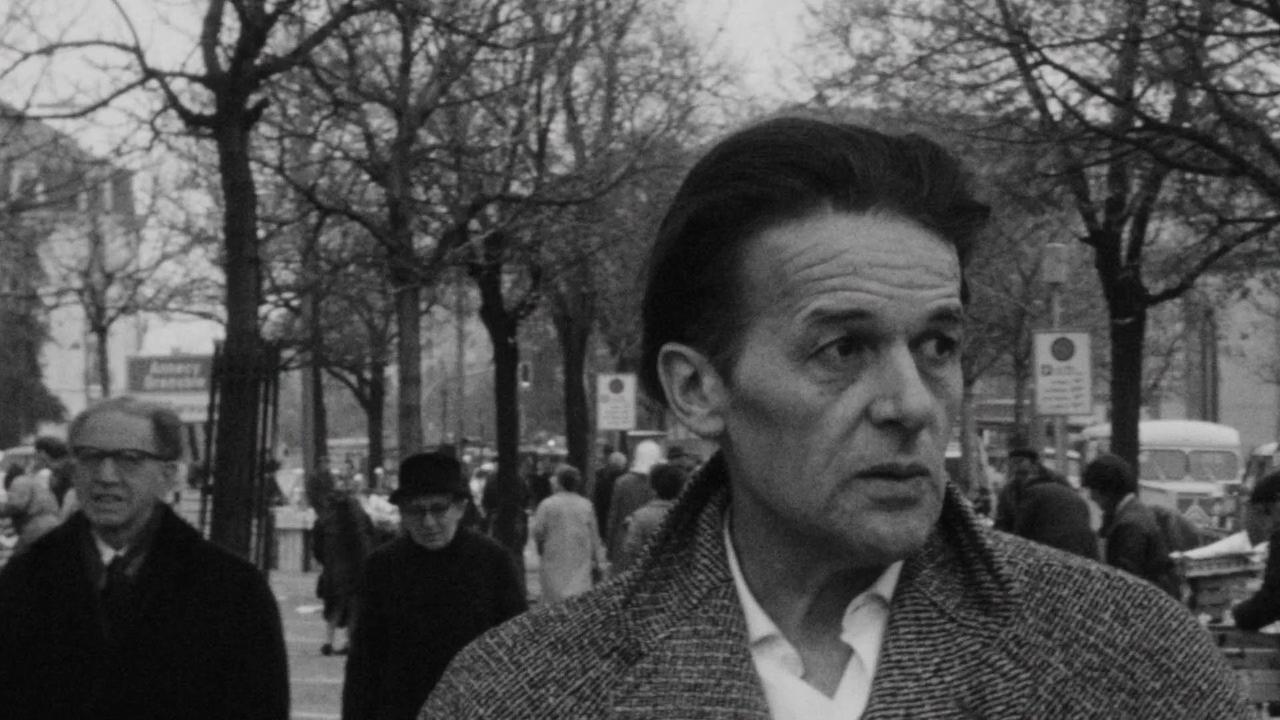
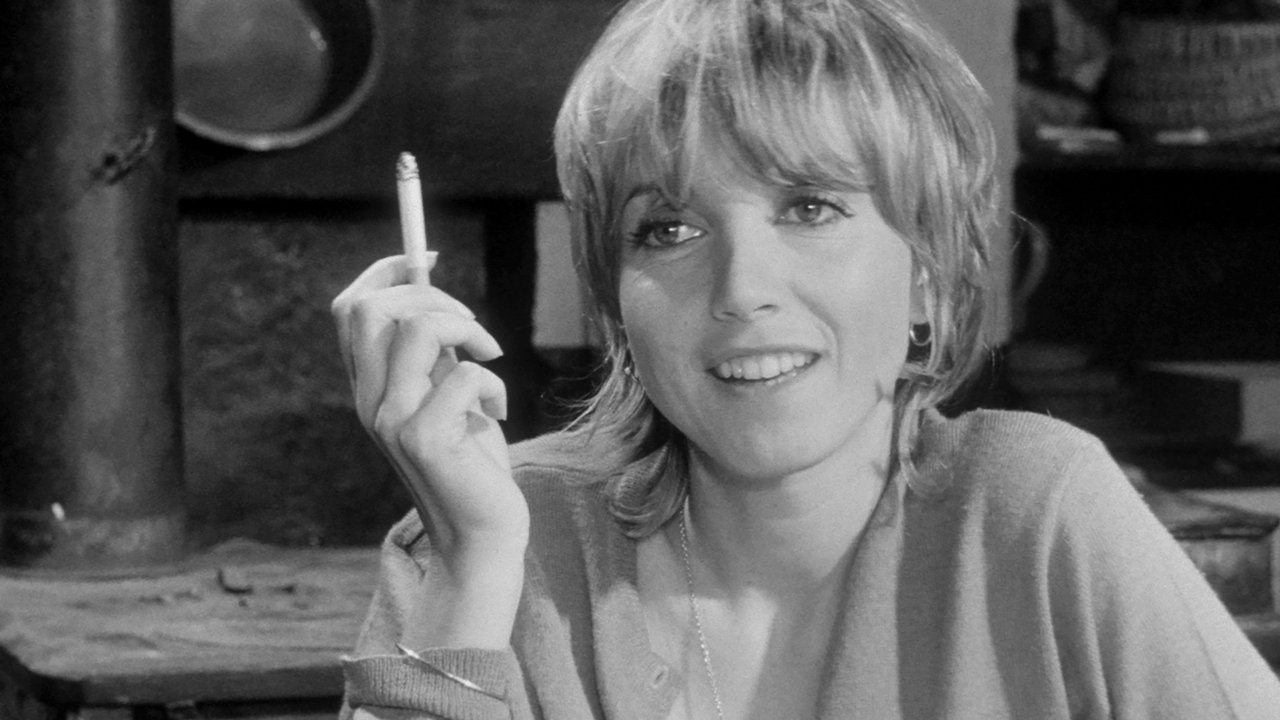
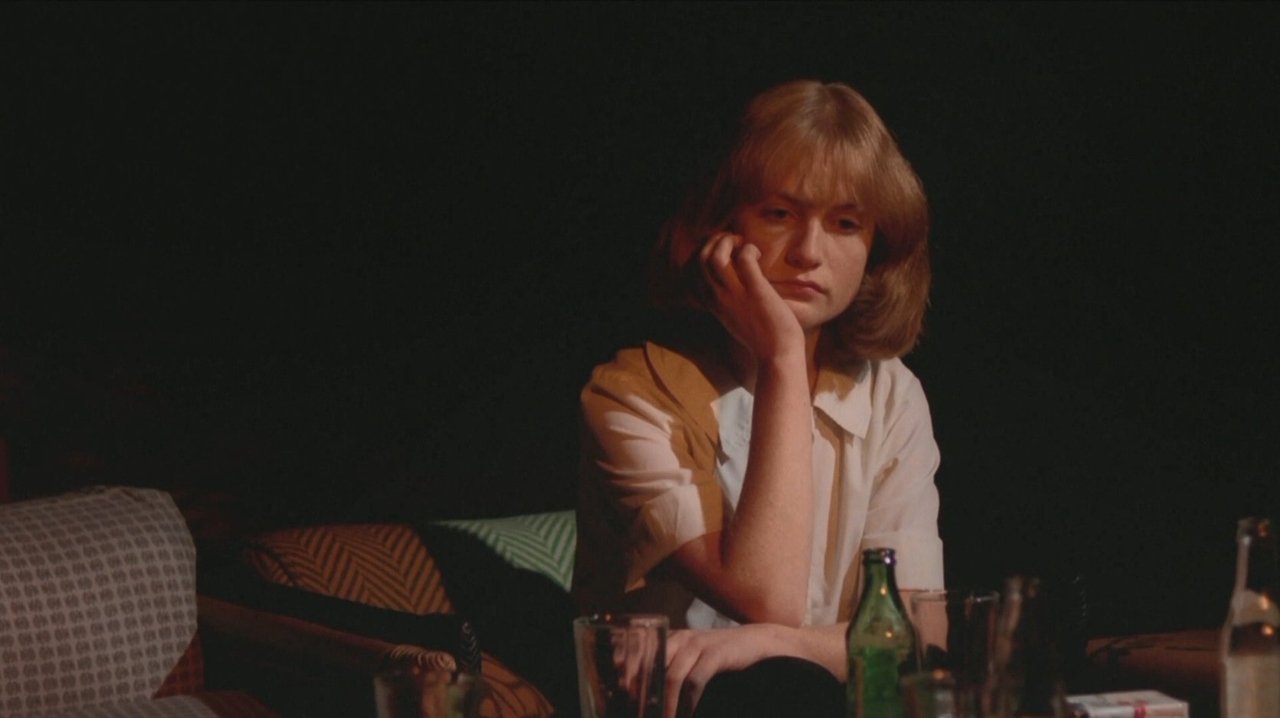
Country room
Switzerland
Switzerland has four official languages and its cinema fits into two of them. The German- and French-speaking strands work independently, draw on the same fund, go to the same festival and do not watch each other's films; the Italian-speaking south is represented by a handful of titles, and Romansh by almost none. The country is not complete.
How many cinemas does a country with four languages have?
1969 → 2024
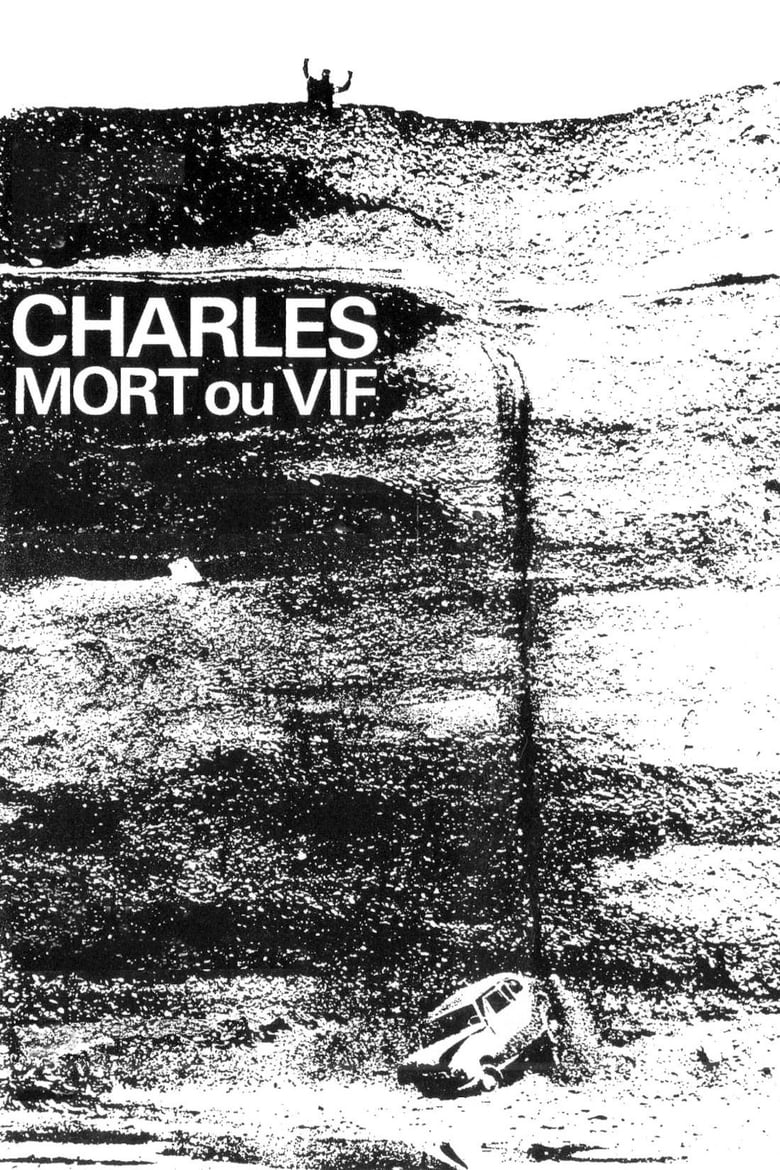
Charles, Dead or Alive
In Geneva a factory owner does not go to work one morning and never returns. It took the Golden Leopard at Locarno and is placed here as the date Swiss cinema began. Two years later a film comes out of the same circle, and this time nobody can write a woman.
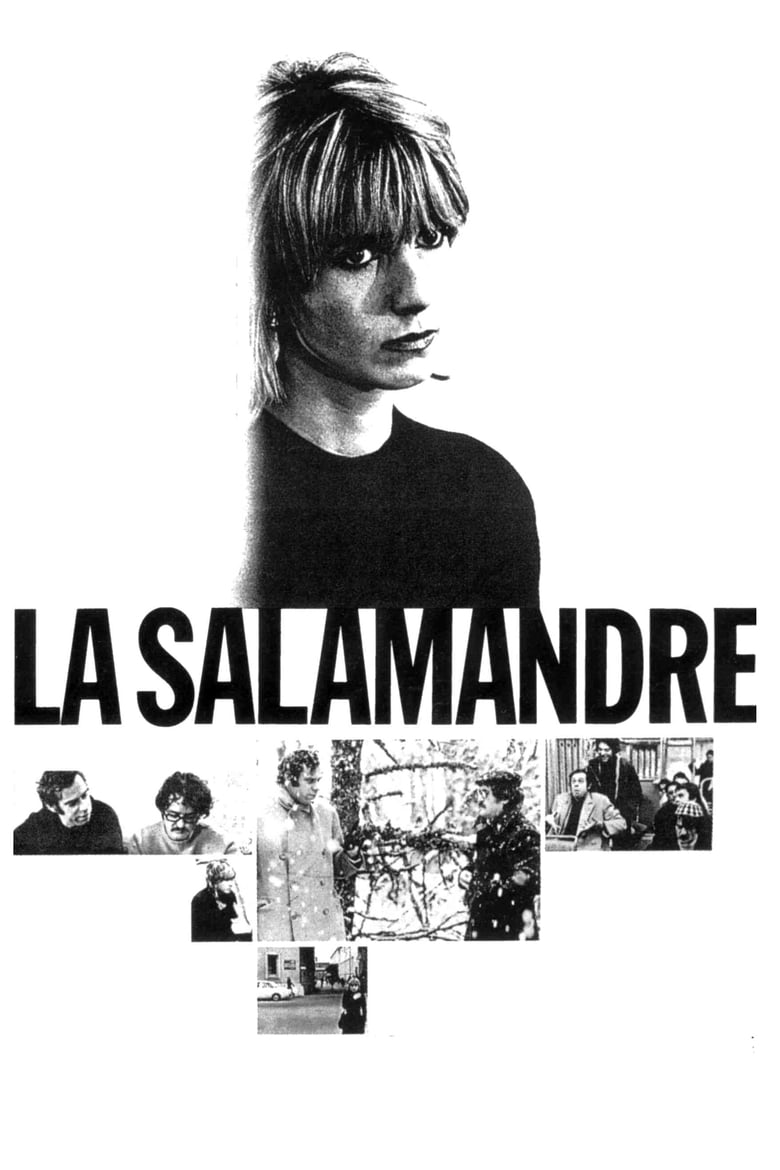
The Salamander
Two writers try to write a screenplay about Rosemonde, and she resembles neither version. Made on almost nothing, it became one of the most discussed films of the year in Europe. Six years later the same strand tells a difference of class without a word spoken.
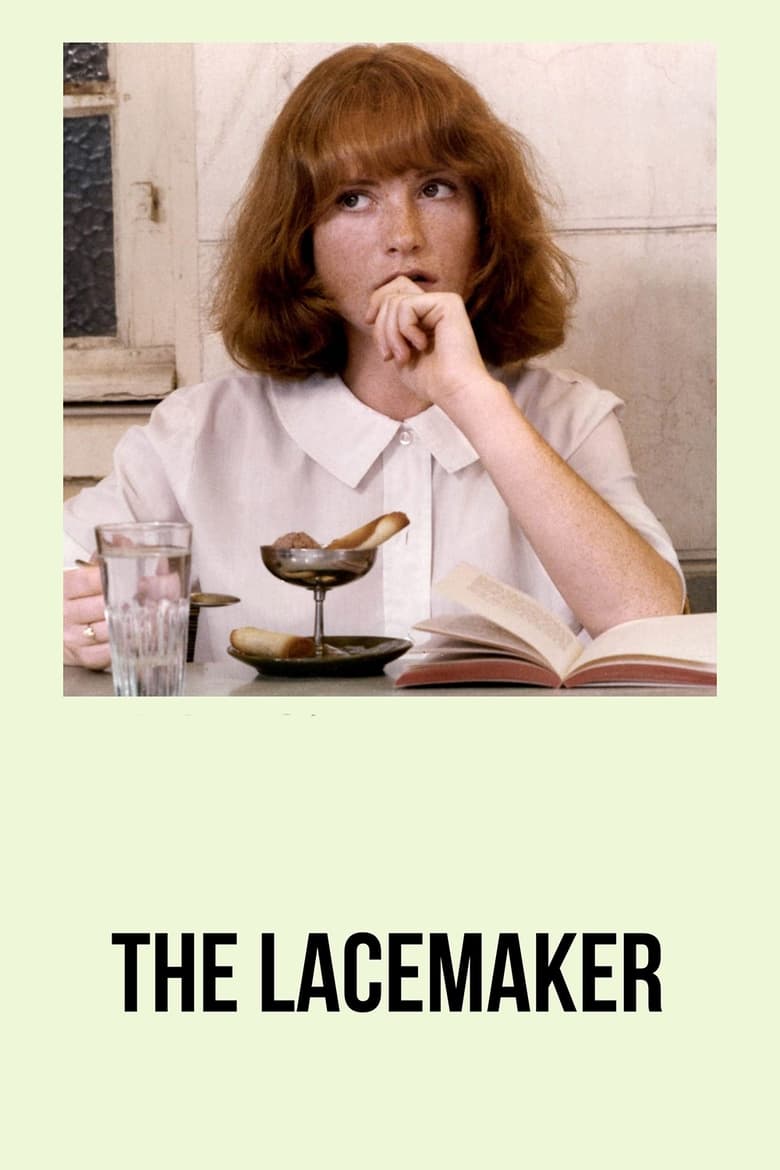
The Lacemaker
Pomme is a hairdresser's apprentice, her boyfriend a university student, and the reason for the parting is never said. Goretta's film became the best-known work of the French strand abroad. The following year the German side does something entirely different and the whole country goes to the cinema.
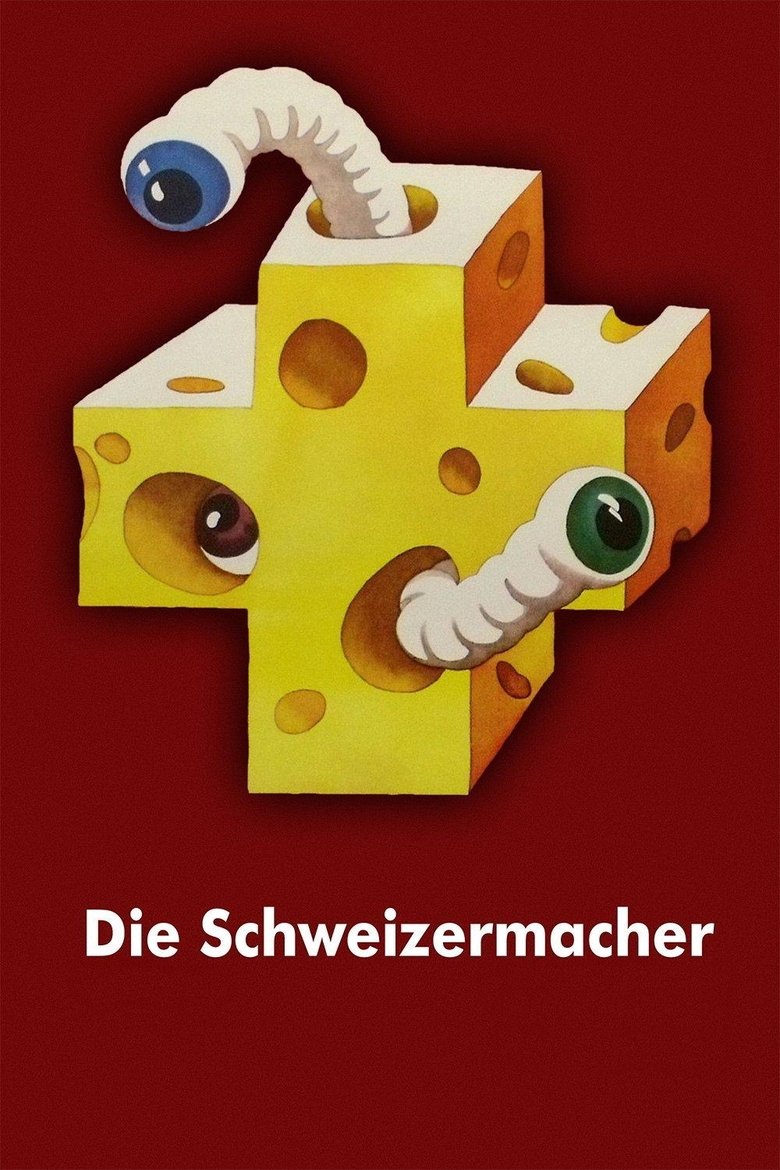
The Swissmakers
Two policemen investigate applicants for citizenship, and the film plays it as comedy. The biggest ticket-seller in Swiss history, and its subject is a procedure. Three years later the same bureaucracy is taken back to the war years and the comedy ends.

The Boat Is Full
Six people cross the border and try to hide in a village. Imhoof filmed the border Switzerland kept closed through the war, and the country argued about it for a long time. Four years later the German strand finally finds its own major film.
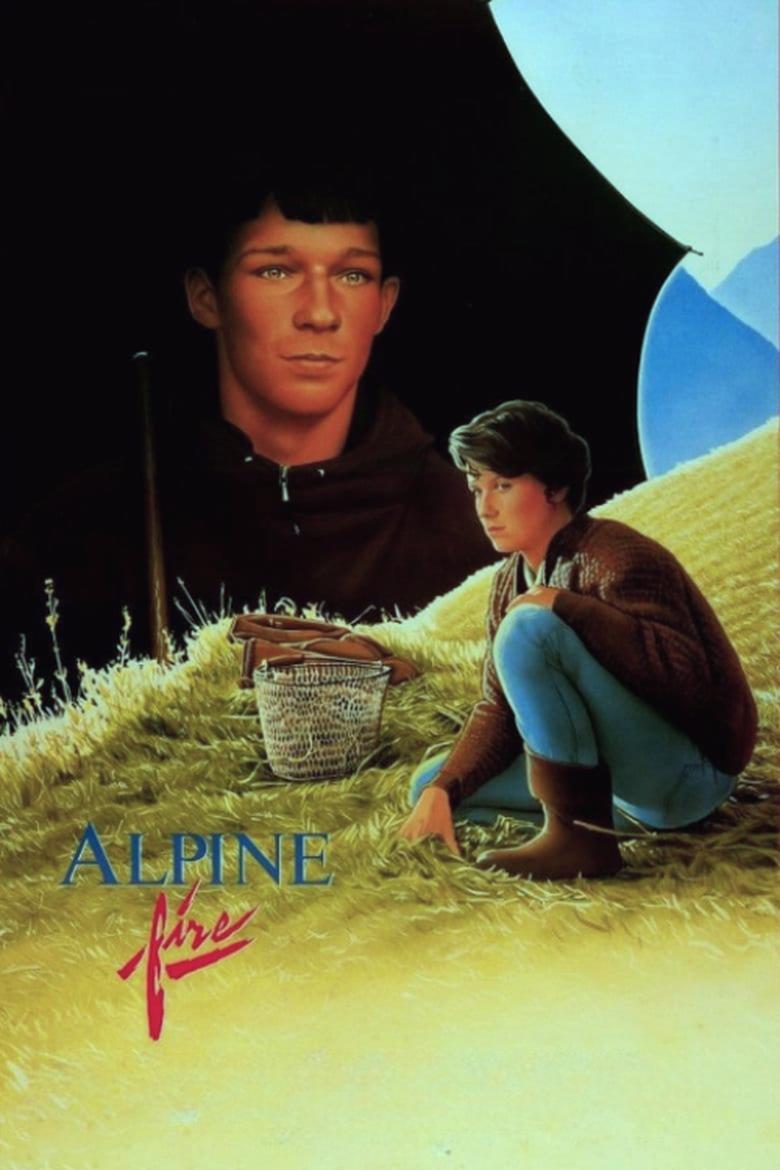
Alpine Fire
Four people on a mountain farm, a closed winter, and a boy who does not speak. It took the Golden Leopard at Locarno and answered on the German side what the French strand had done fourteen years earlier. Five years later a family sets out from eastern Turkey and tries to cross the Alps on foot.
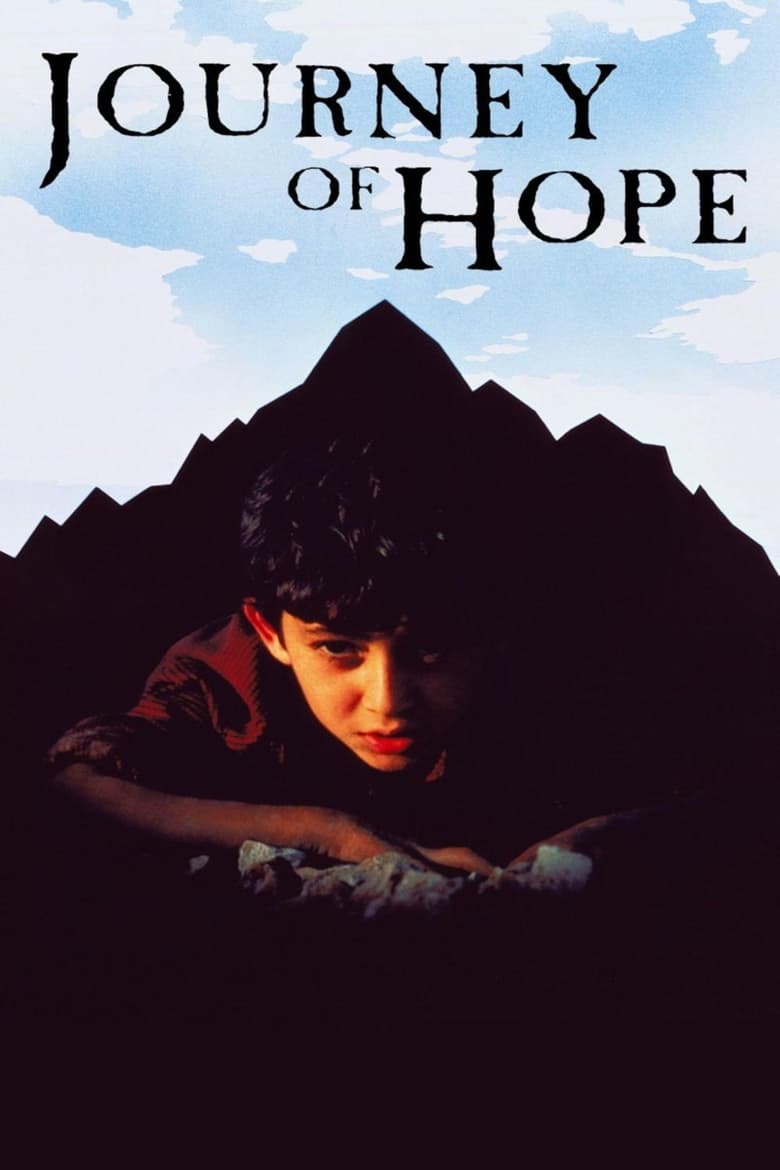
Journey of Hope
Haydar tries to bring his family to Switzerland and nobody says no to him — the smuggler, the official, the border police each simply do their job. The second of Switzerland's two Oscars. Ten years later the Italian strand becomes visible abroad for the first time.
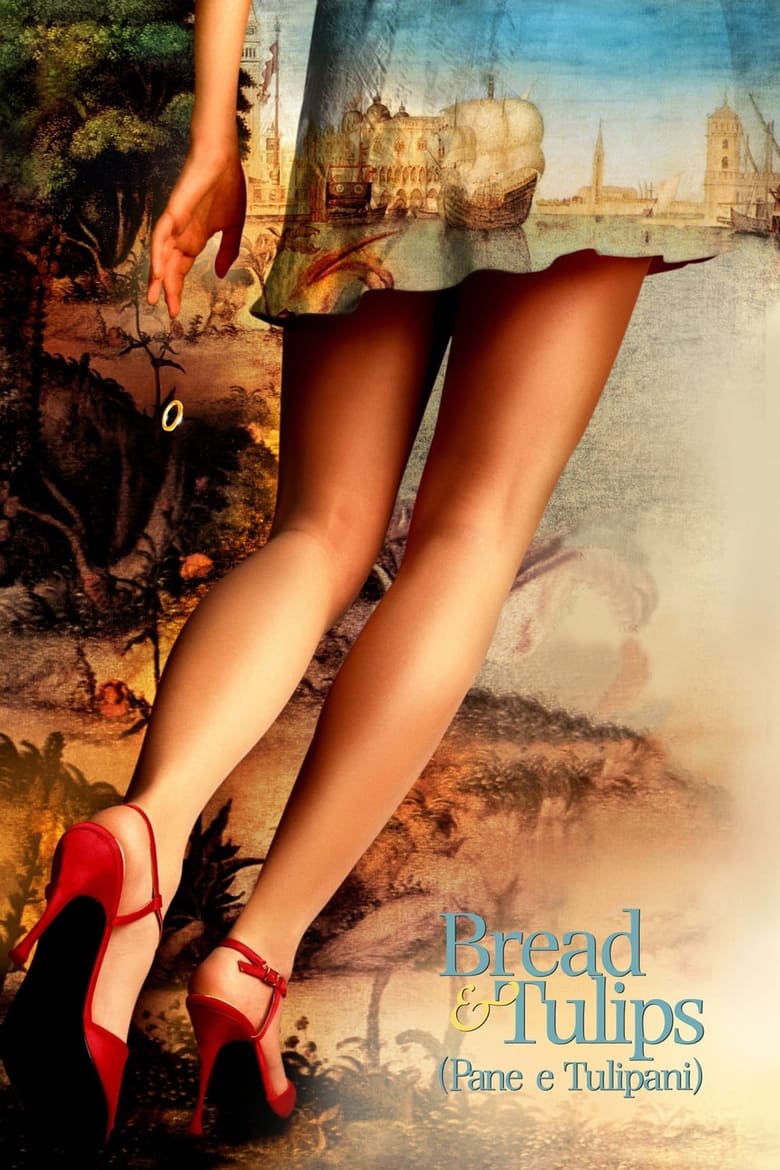
Bread and Tulips
Rosalba does not get back on the coach at the rest stop and stays in Venice. With this film the Italian-speaking side of Switzerland found an international place. The following year one camera is mounted on top of another.
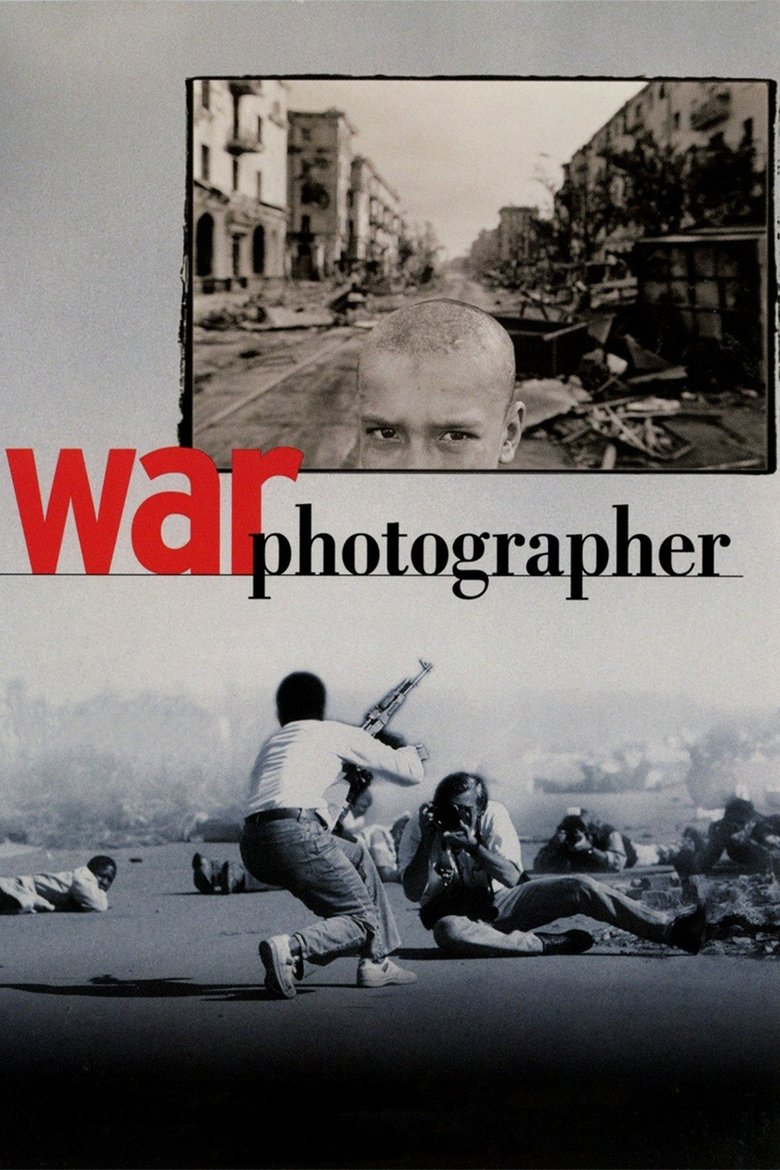
War Photographer
James Nachtwey looks through the viewfinder and we see what he sees. It was nominated for an Oscar and became the film through which Swiss documentary was recognised abroad. Seven years later a family chooses to live beside a motorway, and the road opens.
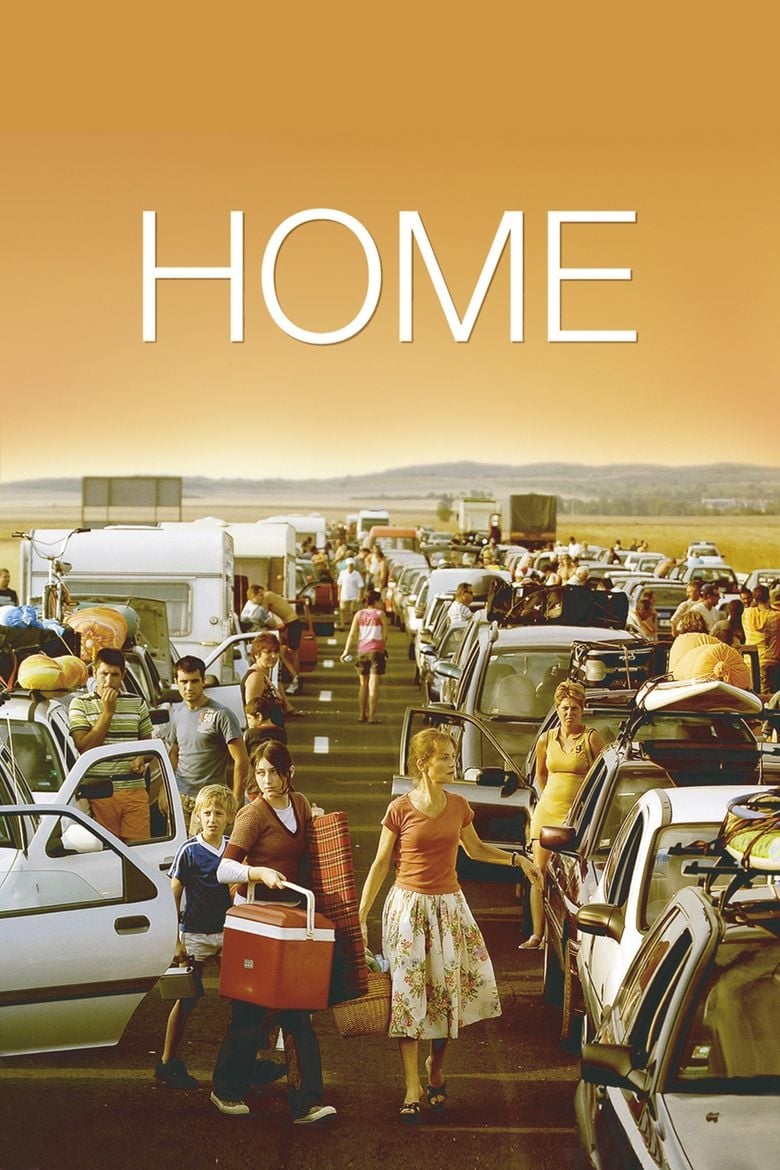
Home
With her first film Ursula Meier re-founded the French strand. The house stays where it is, the outside changes, and the family chooses to remain indoors. Four years later the same director sets two floors of the mountain side by side.
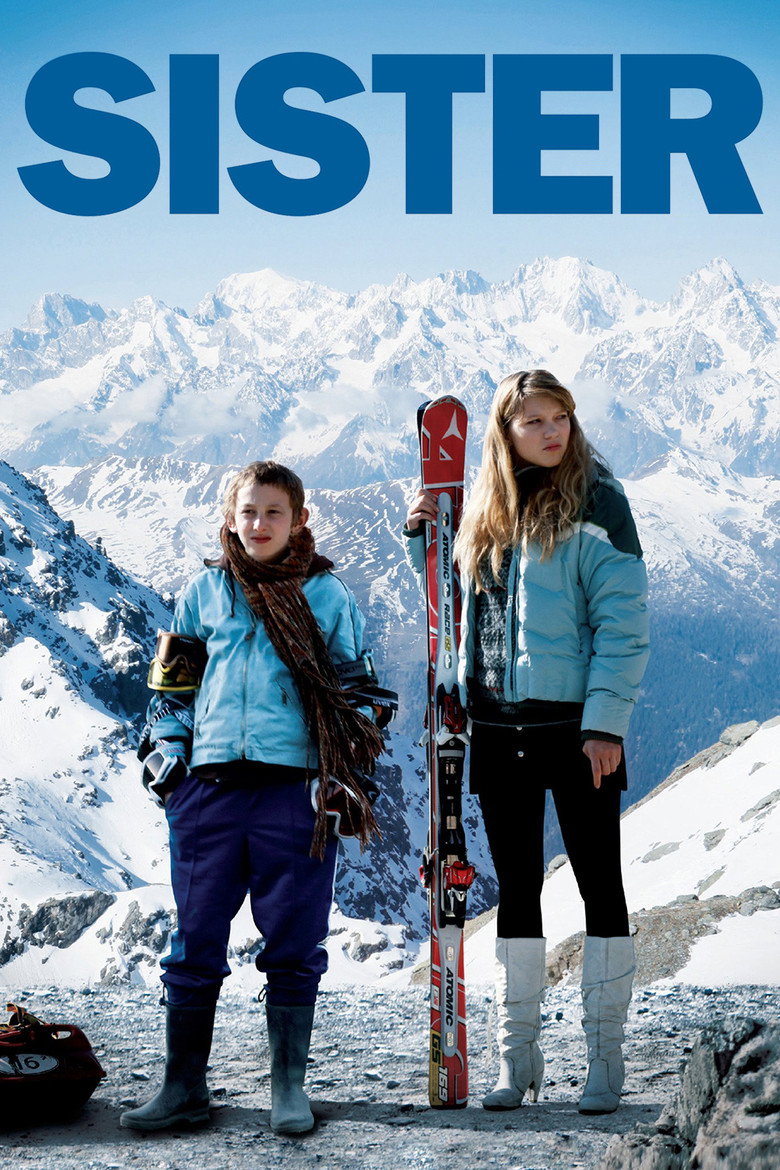
Sister
Simon steals at the ski resort above and returns to the estate below. It won the Silver Bear in Berlin and became the film that shows Switzerland's class question most plainly. Five years later the German side tells the story of a referendum.

The Divine Order
Nora runs a campaign in her village for women's suffrage and cannot take a job without her husband's permission. Switzerland was among the last countries in Europe to grant women the federal vote. The following year a call-centre worker becomes somebody else on the phone.
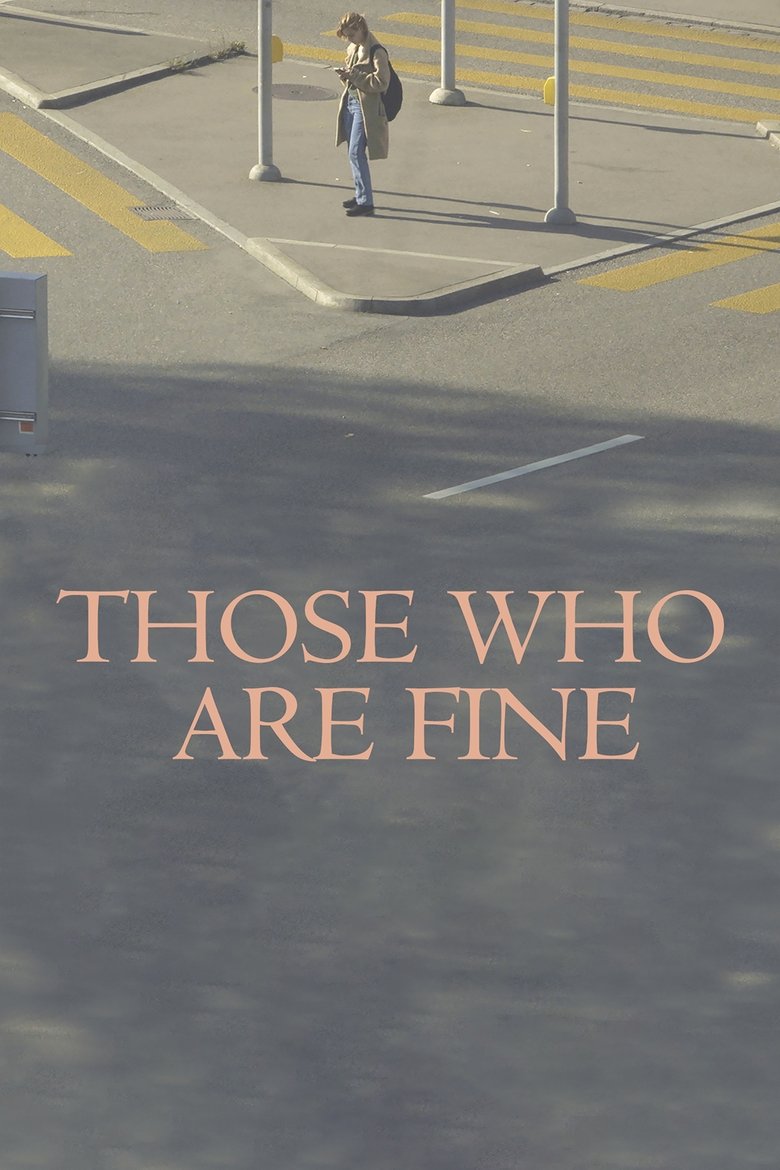
Those Who Are Fine
Alice uses the language of her sales job in the fraud as well, and there is no difference between the two. Schäublin always films people from a distance, small inside a crowd. Three years later the Italian strand returns, and this time the subject is a killing.

3/19
Camilla kills an undocumented migrant and nobody comes looking for him. The second and last Italian link in the chain — the number goes no further. The following year, in a watch factory, four separate measures of time collide.
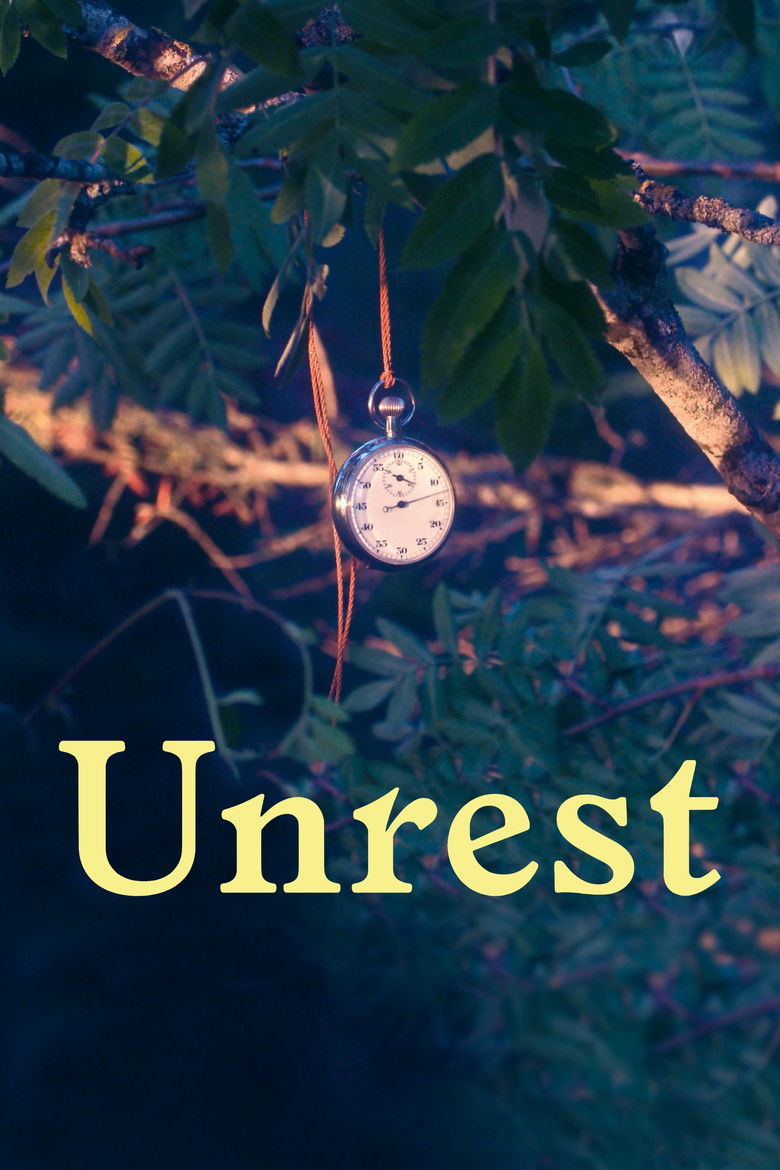
Unrest
The nineteenth century, watchmaking, and anarchists who oppose unifying the clock. It won the directing prize in Berlin's Encounters section. Two years later a dog goes to court and the chain returns to the language it began in.

Dog on Trial
A young lawyer takes on the defence of a dog that has bitten three people. The chain began with a factory owner walking out and ends at an animal's hearing — fifty-five years in between.