Country room
Algeria
In this country a significant part of the population speaks Berber, and in only one of the thirty films in this room is that language heard. That film is an essay made in 1978 by a woman writer, and for forty-seven years afterwards nothing like it was made again. Even the films set in Kabylia were made in Arabic.
When a country's cinema chooses a language, whom does it leave outside?
There are four stops in this room. The first is cinéma moudjahid: films the state supported after independence, telling the war — this country's Palme d'Or came from there. The second is the state and criticism; in the seventies the camera left the war, entered the city and began filming everyday life. The third is the black decade: the internal conflict of the nineties and the few films that could be made in those years. The last is the present.
Read more
Nineteen of the thirty films in this room are co-productions, and in fourteen of them the partner is France.
1965 → 2023

Dawn of the Damned
A colonial history built from archive footage, and one of the first works of the newly founded state film institution. Three years after independence, there was one subject to tell. The next year a mother searches for her son among the French camps.
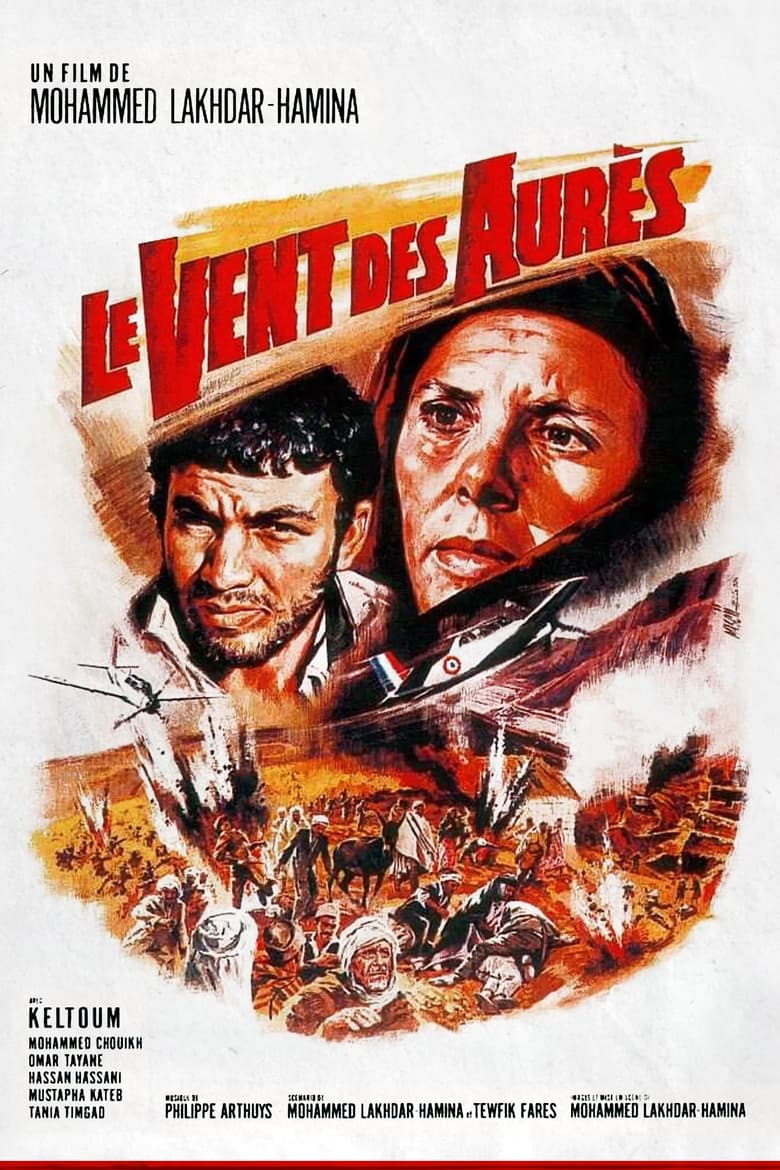
The Winds of the Aures
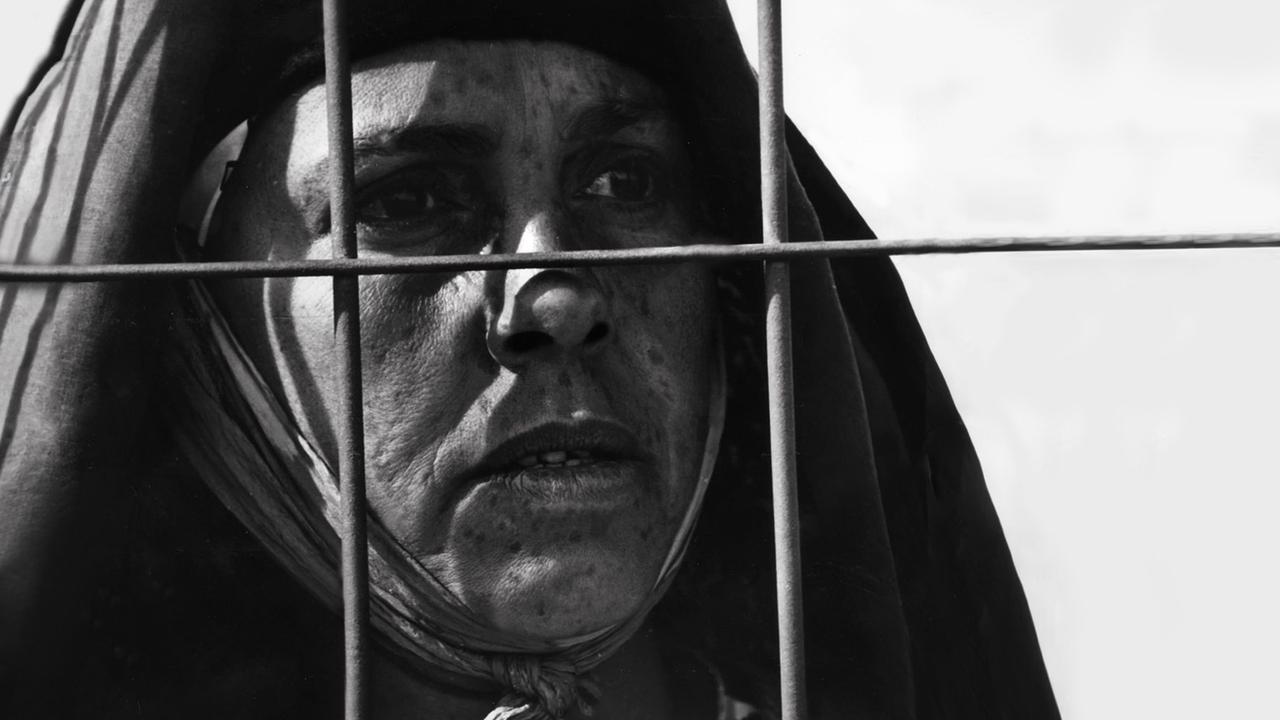
She is turned away at every gate and crosses the mountain once more. Lakhdar-Hamina filmed the war not from the front but from the eyes of the one waiting, and won the first-film prize at Cannes. Three years later a Kabyle village splits between resistance and collaboration.
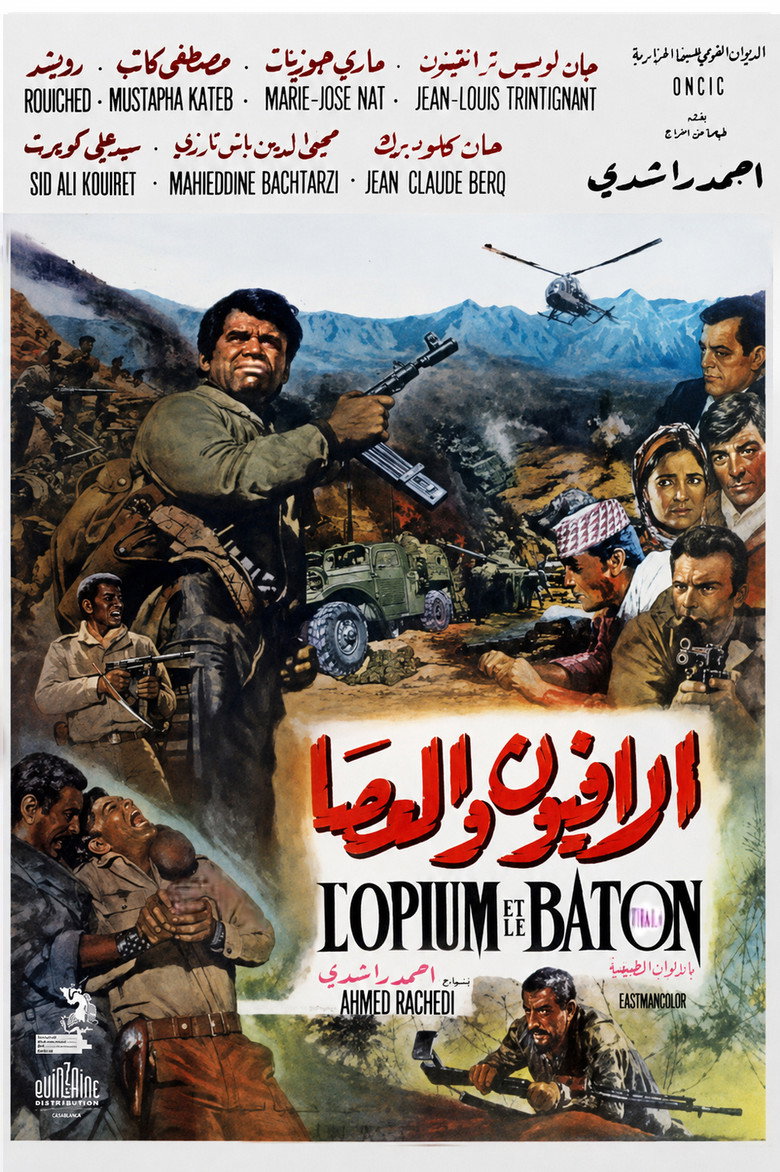
Opium and the Stick
Three brothers, a village, and everyone forced to choose a side. Adapted from Mammeri's novel and, though set in Kabylia, made in Arabic. Five years later a three-hour epic takes the biggest prize at Cannes.
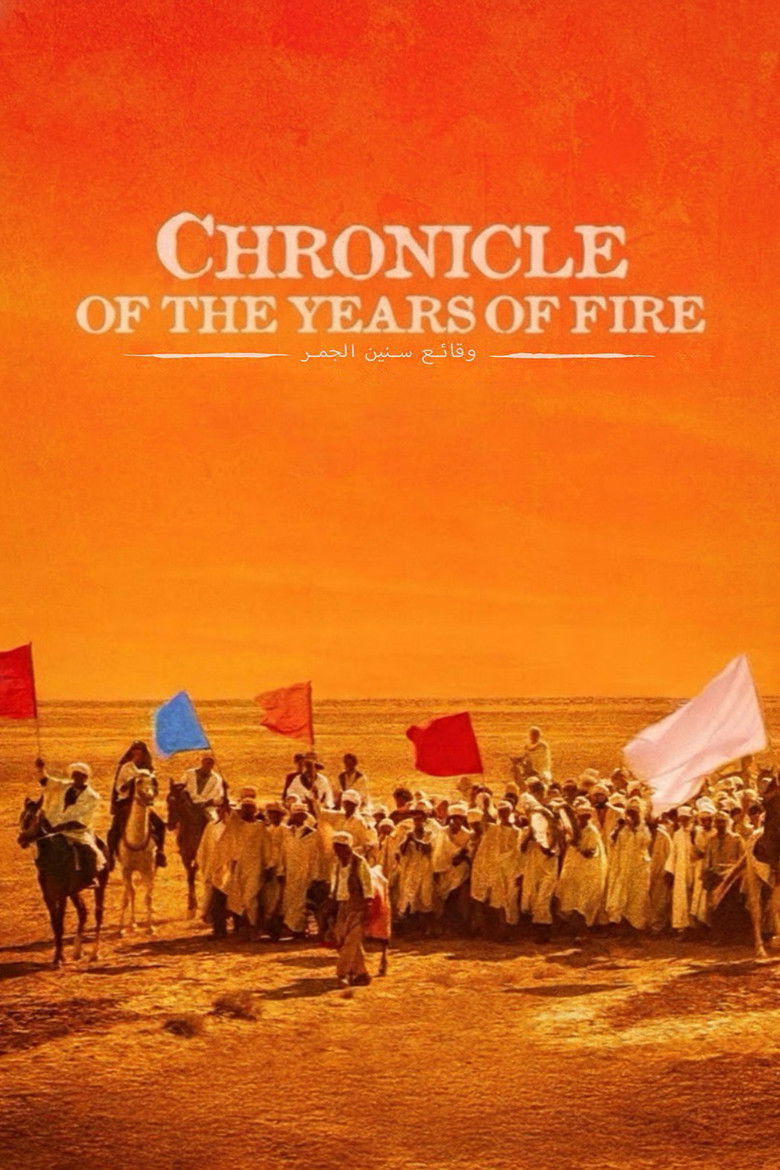
Chronicle of the Years of Fire
Drought, migration, and the roads to war. It won the Palme d'Or, and that award went to an African country for the first time — state cinema reached its highest point here. The next year the camera leaves the epic and enters a stairwell.
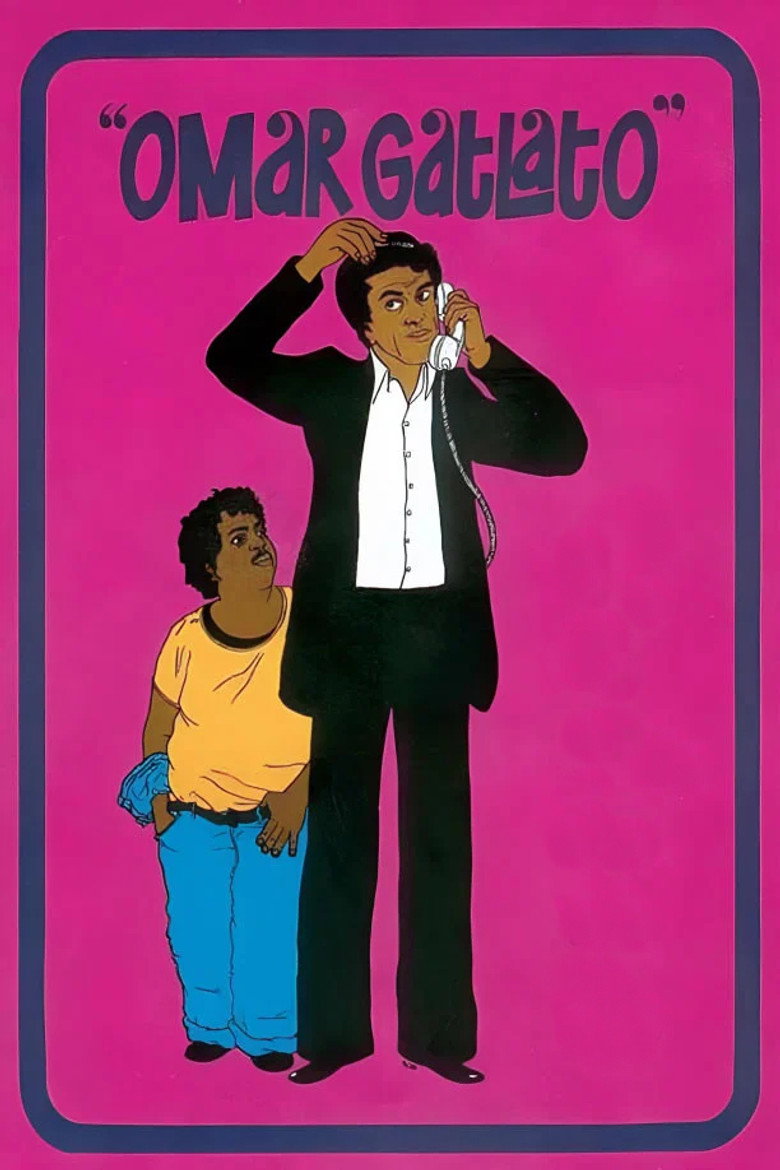
Omar Gatlato
Omar records music, walks around, and cannot manage to speak to a woman. Allouache put in place of the war hero a young man who achieves nothing, and modern Algerian cinema began here. Two years later a novelist goes up the mountain and listens to old women.
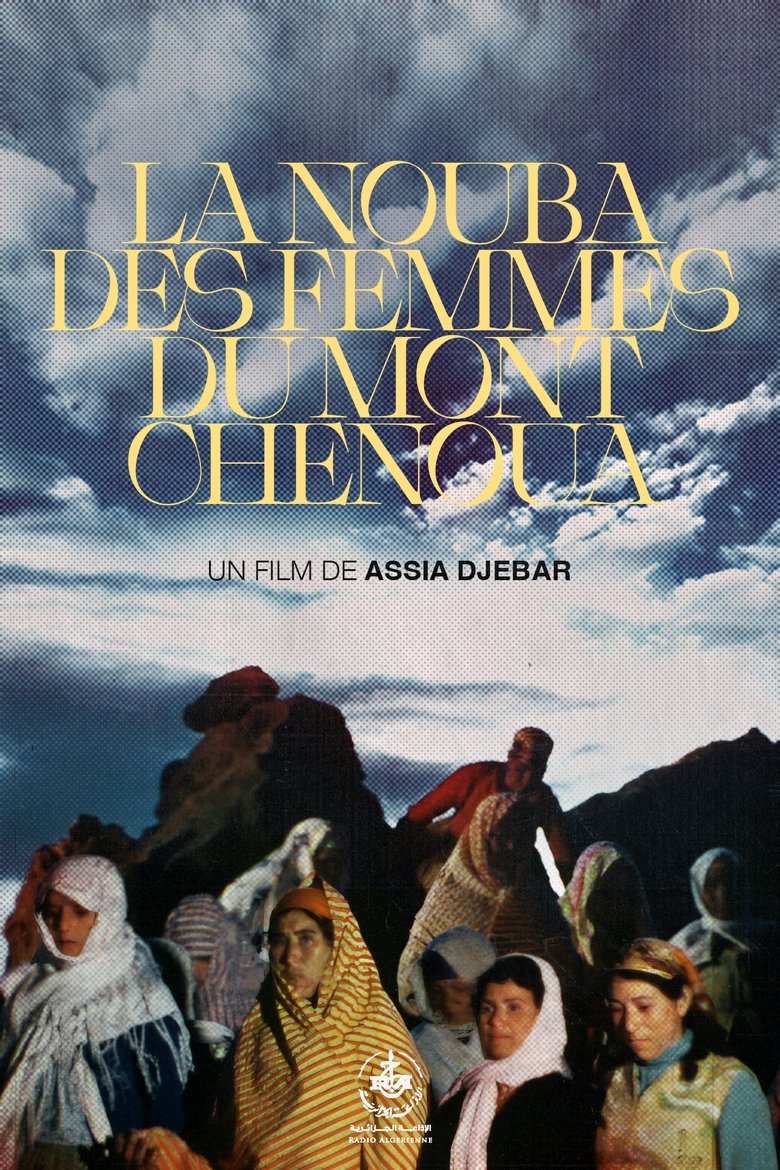
The Nouba of the Women of Mount Chenoua
No narrative, only interview and landscape, and the war memories come from women's mouths. This is the room's only film in a Berber language, and for forty-seven years nothing like it was made again. Ten years later a young man who cannot marry in a village becomes a satire of patriarchy.

The Citadel
Nobody will give him a daughter and the village's rules are never questioned. Chouikh built patriarchy as an allegory, and this film came just before the black decade. Six years later a loudspeaker is removed from a roof in a neighbourhood.
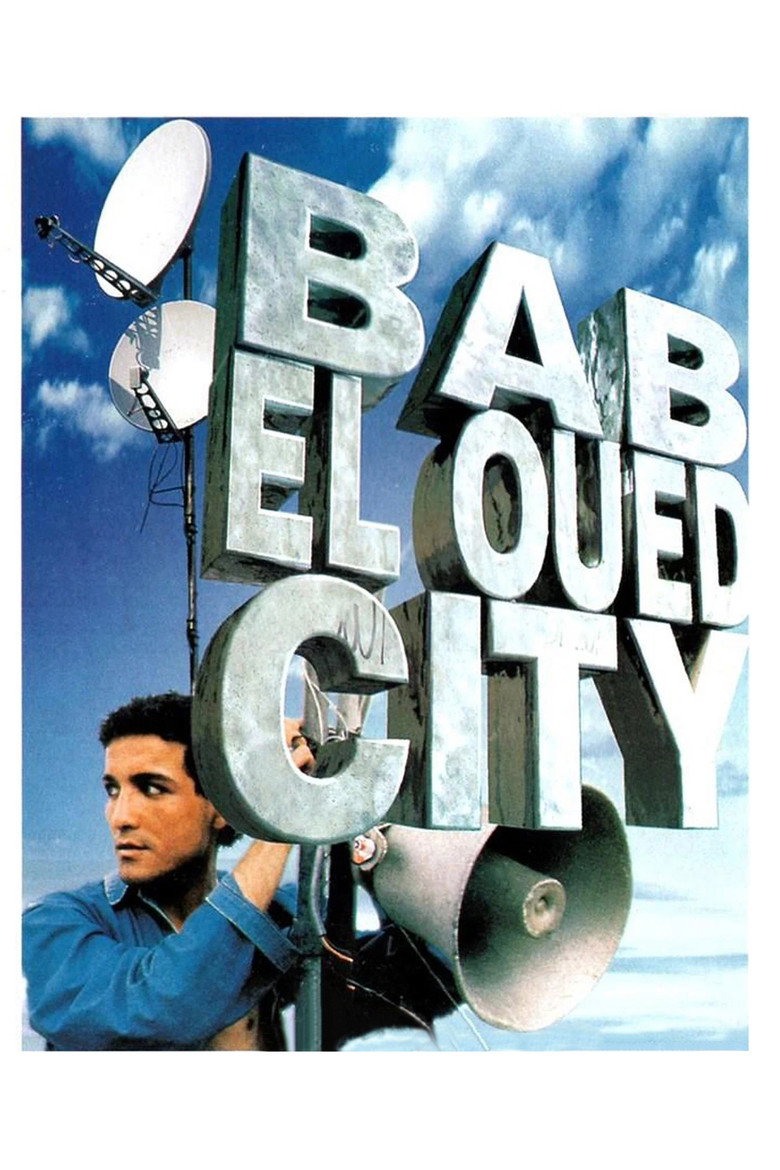
Bab El Oued City
One small act splits the whole quarter in two. Allouache made the film in the most intense year of the conflict, in real streets and largely in secret. Four years later a wall rises between two communities in the desert.

The Desert Ark
Two children cannot love each other and the oasis divides. Chouikh described the black decade as an allegory, without ever naming it. Five years later a teacher refuses to plant a bomb at her school.

Rachida
She is shot, flees to the village, and the wound does not heal. Bachir-Chouikh made her first film and told the black decade as what a single body carries. Five years later a surveyor mapping the south meets a migrant.

Inland
There is almost no speech and the encounter is never explained. Teguia filmed the south not as a geography but as the place the country does not look at itself. Five years later a jihadist who has laid down his weapon returns to town, protected by the amnesty law.

The Repentant
Nobody can call him to account and the film punishes nobody at the end. Allouache showed what the amnesty arrangement meant inside the shape of a thriller. Four years later three separate generations carry a debt from the past along the same provincial road.

Until the Birds Return
Three stories, three generations, and none of them closes. Moussaoui filmed contemporary Algeria as a state of guilt. Two years later, staging a fashion show in a university hall counts as resistance.

Papicha
Nedjma sews dresses while posters go up on the walls. The film was made in the country but could not be released in Algeria — and this was the film sent to the Academy. Four years later two directors make a historical epic without state money.

The Last Queen
The sixteenth century, Queen Zaphira, and financing raised by the makers themselves. The chain began in 1965 with an institution the state founded and ends fifty-eight years later with an epic made without it — in between, the language never changed.