Country room
Iran
Cinema learns from what it cannot show.
How do you tell what you are not allowed to show?
Iran did not choose this question. The question was handed to it.
The answer became a form.
Picture a director. In the film two people are talking in a car. The woman does not remove her headscarf — not even inside her own home, because the camera is there. No touching. No song. Not a kiss, not even a hand.
Now watch that film and tell me: what is missing?
For years the question was asked as "what did Iranian cinema lose". It was the wrong question.
After the revolution cinema was not shut down; it was bound by rules. What could not be shown was written out at length. The list grew a little longer each year. Directors had two options: fall silent, or work around the rule.
They worked around it. And in working around it they found something.
Children. Nobody objected to following a child. Kiarostami filmed a boy walking from village to village to return a friend's notebook; the film looked like a matter of homework, and described the stubbornness of an entire country. In Majidi's film a single pair of shoes is shared between two siblings. Simple. And too innocent for any censor to oppose.
Then came the car. The inside of a car was both public and private; two people could sit side by side and talk for hours. Kiarostami filmed nearly all his late work from that front seat. Panahi became a taxi driver and carried the city with its passengers.
Then there is the line between documentary and fiction — Iranian cinema's strangest legacy.
Read more
In Close-Up a real impostor plays himself, the family he deceived plays itself, the courtroom is the actual courtroom. Where does the documentary end and the film begin? Kiarostami does not answer. He has no intention of answering.
This was not a stylistic choice at the start. Professional actors were expensive, permits were hard, there were no studios. They filmed with people found on the street, in real houses, in real light. Necessity became an aesthetic, and then that aesthetic spread across the world.
The ban continues. In 2010 Panahi was given a twenty-year prohibition on filmmaking; in those years he made five films. One he sent to Cannes on a flash drive hidden inside a cake. Rasoulof had to flee the country. Names were struck from credits, films went unscreened at home.
But the films exist.
This room is not telling a story of resistance — that would be easy, and it would be wrong. Iranian cinema does not define itself by victimhood.
What it describes is more interesting: how an art finds another direction when a wall goes up in front of it. Restriction sometimes becomes the style itself.
Now go back to the beginning. Those two people in the car. They are not touching.
And still you understand everything.
The Chain

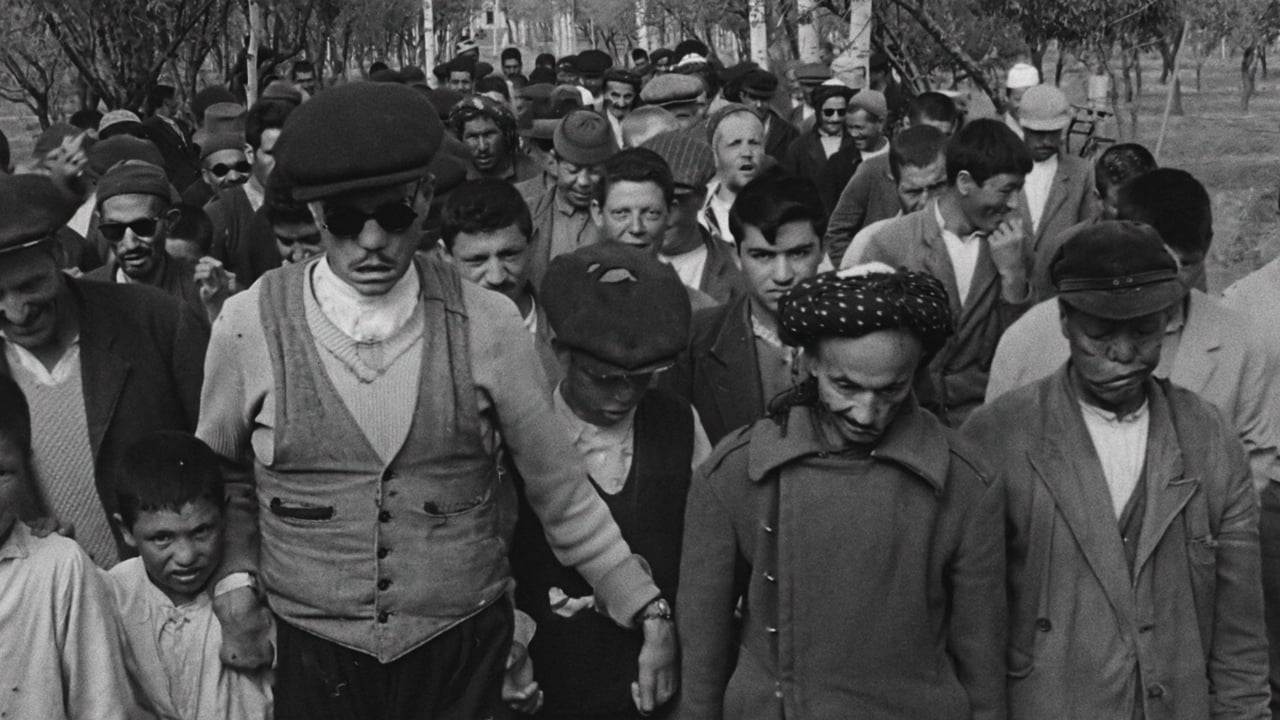
The House Is Black
A poet spends twelve days in a leper colony and makes a twenty-minute film; Iranian cinema begins here and never begins the same way again.

The Brick and the Mirror
A taxi driver finds an abandoned baby on his back seat and spends the night unable to decide; Tehran is filmed as a modern city for the first time.

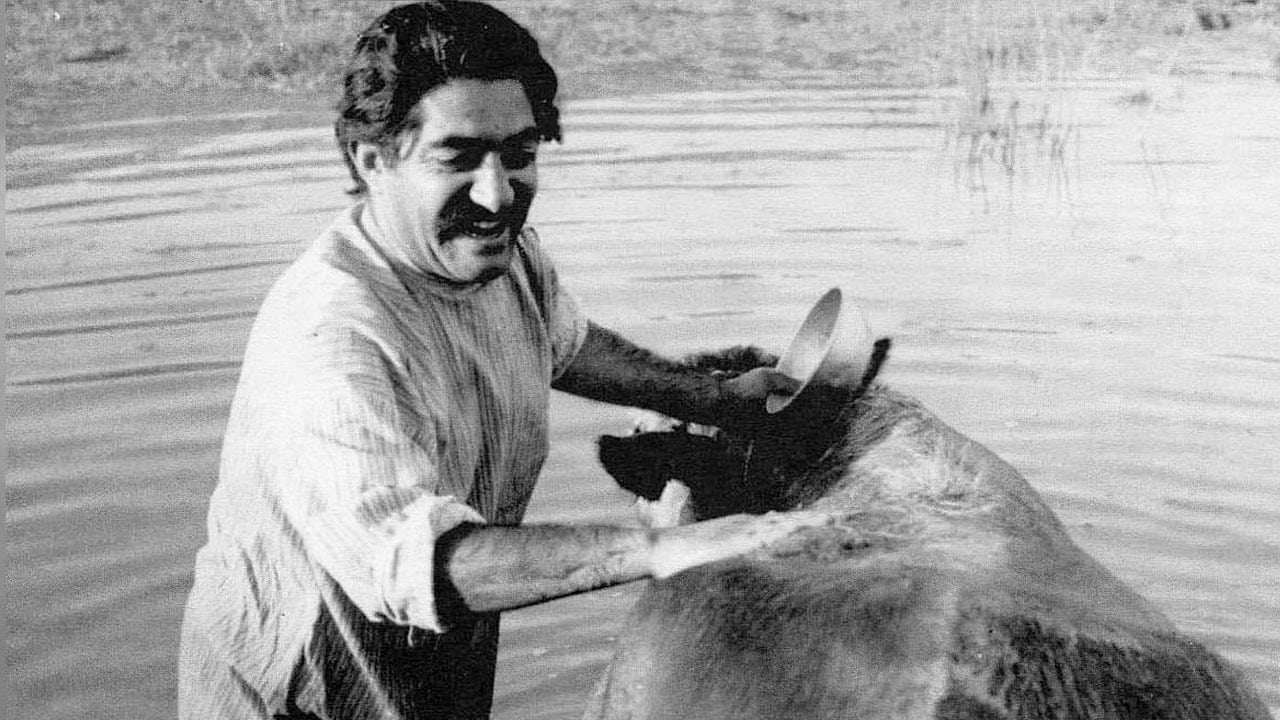
The Cow
A villager whose cow dies slowly becomes the cow; the Iranian New Wave began with this film and it stayed in circulation even after the revolution.

Still Life
The daily repetition of an old railway crossing keeper; almost nothing happens, and for exactly that reason everything is visible.

The Runner
An orphan boy living by the docks trying to learn to read; one of the first Iranian films after the revolution to reach the outside.

Close-Up
The real trial of a man who passed himself off as Makhmalbaf; the impostor, the family he deceived and the courtroom are all real.

The White Balloon
A seven-year-old girl who wants a goldfish for the new year; Panahi's first film and the Caméra d'Or at Cannes.
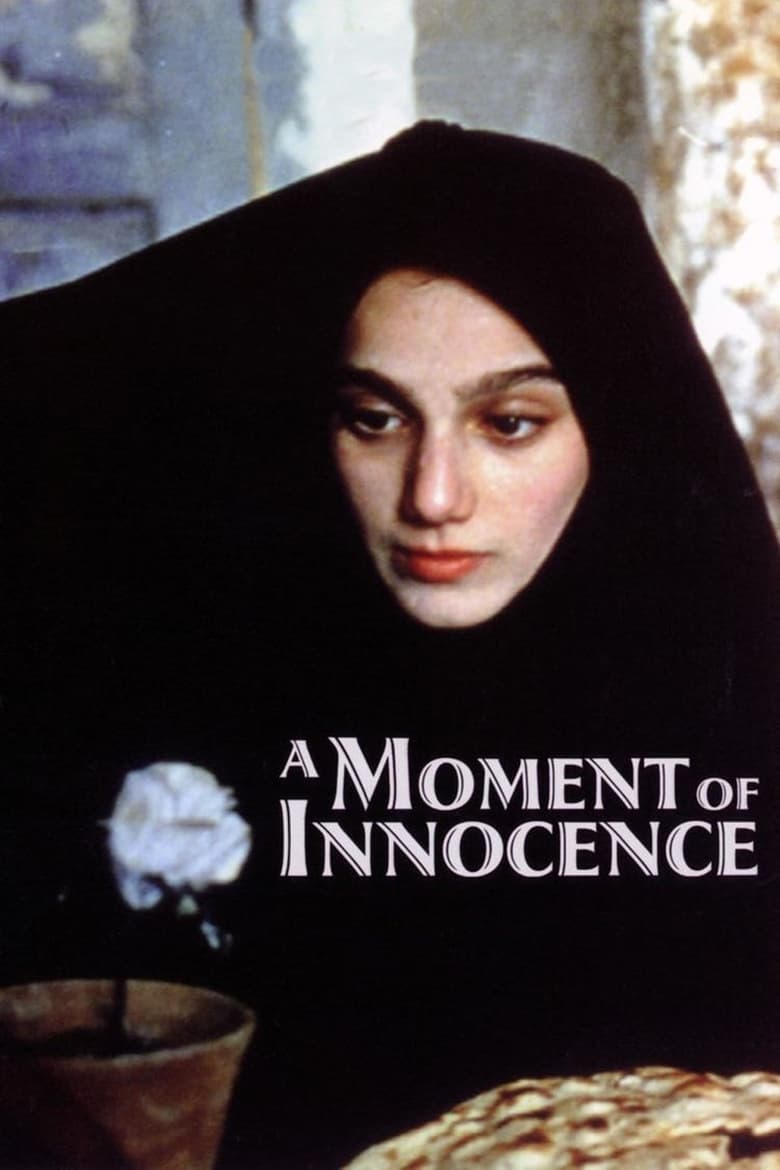
A Moment of Innocence
The director finds the policeman he stabbed in his youth and they make the film together; both a confession and a reenactment.

Taste of Cherry
A man drives around looking for someone to bury him; it won the Palme d'Or and its ending is still argued over.

Children of Heaven
Two siblings sharing a single pair of shoes; the first Iranian film nominated for an Oscar.
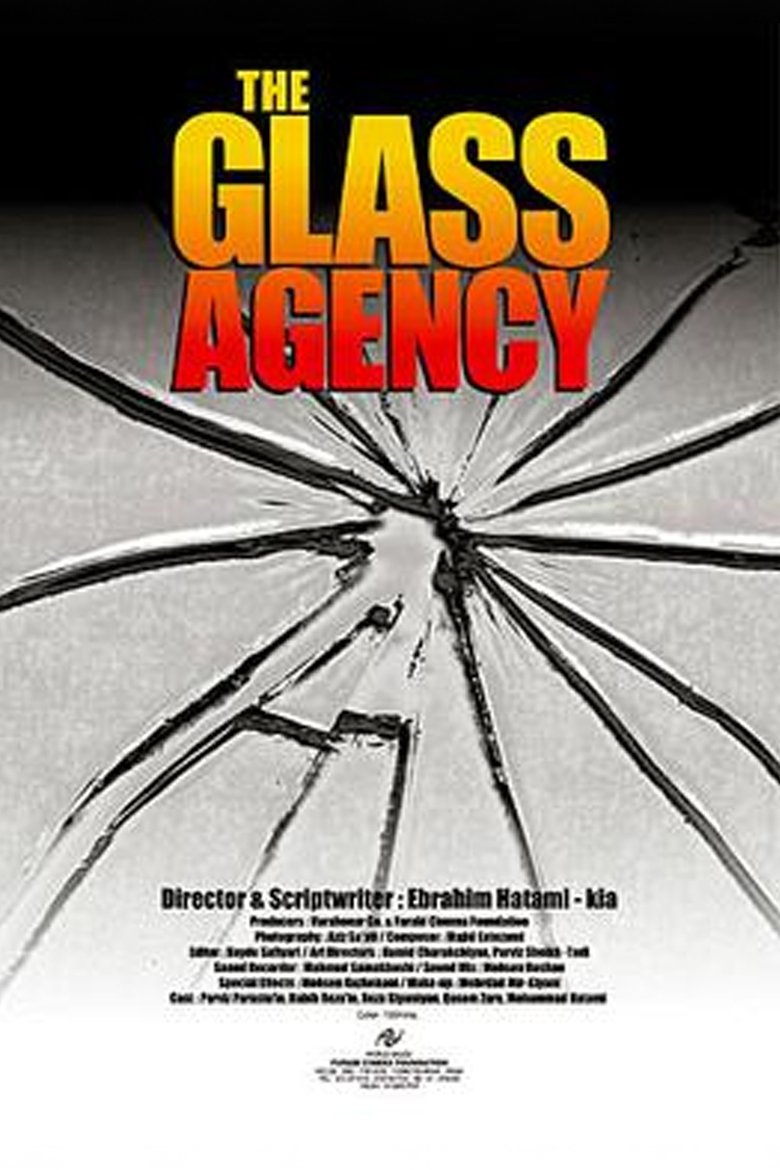
The Glass Agency
A war veteran seizes a travel agency to get his friend treated; the cinema Iran watches most at home and the world sees least.

Turtles Can Fly
Children clearing mines on the Kurdish border before the war; Ghobadi shot the film in Iraq, in a real refugee camp.

A Separation
A divorce case turns into an accident on a staircase and it never becomes clear who is right; the Oscar and the Golden Bear.

There Is No Evil
The death penalty told through four separate stories; Rasoulof could not travel to collect the prize and his daughter went up in his place in Berlin.

Hit the Road
A family drives towards the border and nobody says why; Jafar Panahi's son makes his first film.

It Was Just an Accident
Thirty years ago his first film followed a child's goldfish; after bans and prison he returned with the Palme d'Or.
Directors in this room