Country room
Mali
Around seventeen of the twenty-four films in this room are in Bambara, and when cinema was founded in this country the official language was French. Cissé made his first film in French, moved to Bambara with his second, and never made a film that abandoned it. Everyone who came after him took the same road.
What does a cinema gain by leaving the official language?
1973 → 2023

Five Days in a Life
A young man fleeing a Quranic school looks for work in the city and holds on nowhere. Cissé made his first feature in French — the only French-language opening in this chain.\n\nFive years later the same director has moved to Bambara and enters a factory.

Work
A porter, an engineer, and an owner standing against the workers. Cissé filmed class conflict directly and took FESPACO's top award.\n\nFive years later students rise against military rule.

The Wind
The army enters the school and an old man carrying traditional knowledge stands with the young. Cissé made this film while military rule was still in place and took a second top award at FESPACO.\n\nThree years later two children collect rubbish at night for a school fee.

The Garbage Boys
Education is not free and the children pay for it themselves. Sissoko made his first film and became this room's second major director.\n\nThe next year a son flees his father's knowledge and a film of myth is built.
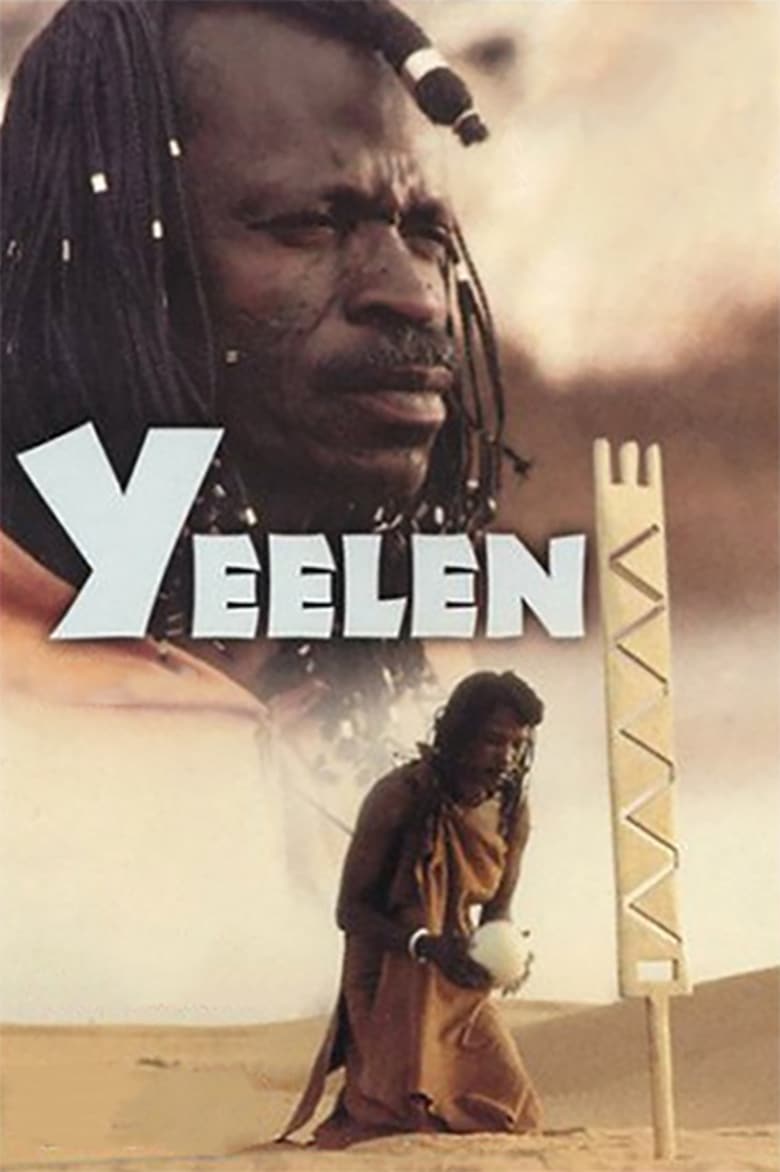
Yeelen
Komo knowledge is a power, and that power does not pass from father to son but turns into a conflict between them. It won the jury prize at Cannes and became Malian cinema's best-known film.\n\nTwo years later a widow is to be married to her brother-in-law.
- A Dance for Heroes
A Dance for Heroes
Nanyuma does not want it and the village does not count it a question. Sissoko took on forced marriage and female circumcision in the same film — few films did so in those years.\n\nThe same year a kingdom's founding legend reaches the screen.

The Legend of Ségou
The kingdom of Ségou, the founding of power, and an epic taken from oral tradition. Coulibaly built the film not as a history lesson but in the form in which it is told.\n\nTwo years later an agricultural officer goes after a lost healing knowledge.

Fire!
The knowledge he finds suits nobody, and corruption and ecology cross in the same story. Drabo entered this room as its third major name.\n\nFour years later a tyrant chooses a wife for his son and the town cannot object.

Guimba the Tyrant
Griot narration carries a satire of power, and the form of the tale gets past the censors. It took FESPACO's top award.\n\nTwo years later, in a Dogon tale, women take power.

Skirt Power
A reversal lasting one day, and at the end the order returns. Drabo questioned the order of gender as comedy and did not supply the answer.\n\nThe same year, in the Sahel, a mother tries to keep her family standing.

Mother of the Dunes
Every road offered asks a concession and the woman accepts none. Ascofaré made the film in Songhay — one of the few links in this chain outside Bambara.\n\nTwo years later a story from Genesis is translated into a Bambara epic.

Genesis
The blood feud between Jacob and Esau continues between two tribes. Sissoko set the sacred text inside a local tradition of telling and entered a Cannes sidebar.\n\nThree years later a village's sacred well dries up and someone is sought to blame.
- Kabala
Kabala
An outcast returns and the test tradition sets turns into a reckoning. Kouyaté used the form of the tale for a social question.\n\nFive years later the World Bank is put on trial in a Bamako courtyard.

Bamako
Real lawyers, real witnesses, and everyday life going on around them. The director is Mauritanian and the film was made in Mali — the question of debt fitted into a courtyard.\n\nNine years later a coup has happened and a young man turns to trafficking.

Wùlu
A young man moving from driving to drug trafficking rises against the background of the 2012 coup. Coulibaly attempted genre at this scale in Mali for the first time.\n\nSeven years later a woman director films a love between drought and tradition in the Sahel.

Banel & Adama
Two young people, a drought, and a love colliding with tradition. The chain began in 1973 with a film in French and ends fifty years later with a film in Fula — in between, no link abandoned its native language to return to the official one.
Directors in this room
