Country room
Malaysia
In this country Malay, Chinese and Indian communities live together, and the state manages that as a balance. In five of the twenty-two films in this room four languages are spoken at once — Malay, Chinese, Tamil and English — and all five are by one director. Yasmin Ahmad died in 2009, and that multilingual cinema had no direct successor.
If a cinema's multilingualism rests on one person, what happens when that person is gone?
There are four stops in this room. The first is Yasmin Ahmad: five films made in five years, each in four languages at once. The second is the new wave — a generation working with digital cameras in the two-thousands, most of them speaking Chinese. The third is tradition and the golden age: the studio cinema of the sixties and two films that returned to it in the nineties. The last is the present.
Read more
There are two women directors in this room, and seventeen years lie between them.
1966 → 2023

Do Re Mi
Three friends, a debt, and a lie told to a mother-in-law. P. Ramlee directed, acted and wrote the music — in the sixties he carried this country's cinema almost single-handed. Twenty-nine years later an undocumented family settles at the kampung's edge.

The Arsonist
The man sets fires and nobody asks why. U-Wei carried Faulkner to Malaysia, and this country's cinema was seen abroad for the first time since the golden age. Four years later the same director crosses to the other side of the border.

Jogho
A bullfight, a blood feud, and one people divided between two states. U-Wei filmed Kelantan and southern Thailand as a single cultural space. Four years later the digital camera becomes cheap and somebody asks about one night in 1987.

The Big Durian
In Chow Kit a soldier goes into the street and everybody remembers that night differently. Amir Muhammad opened the new wave and, even in his first film, did not separate document from fiction. The next year a Malay girl talks to a Chinese boy selling pirated VCDs.

Sepet
Neither quite knows the other's language and they go on talking. Yasmin Ahmad made the first film in this room in which four languages are spoken at once, and it drew harsh objections at home. Two years later the same character returns seven years older.

Gubra
Orked is married, her father is ill, and the imam in the kampung talks with his neighbours who are sex workers. Yasmin Ahmad ran two stories in parallel and tied neither to a conclusion. The same year a Chinese-speaking generation begins working with digital cameras.

Rain Dogs
A young man moves between two cities and holds on in neither. Ho Yuhang kept the narrative thin and left the film's weight to the length of the scenes. The same year somebody follows the trail of an exiled communist leader.

The Last Communist
The film never shows Chin Peng; it shows the towns he passed through. It was banned in Malaysia, and it is the only banned film in this room. The same year a girl comes from Penang to the capital for work.
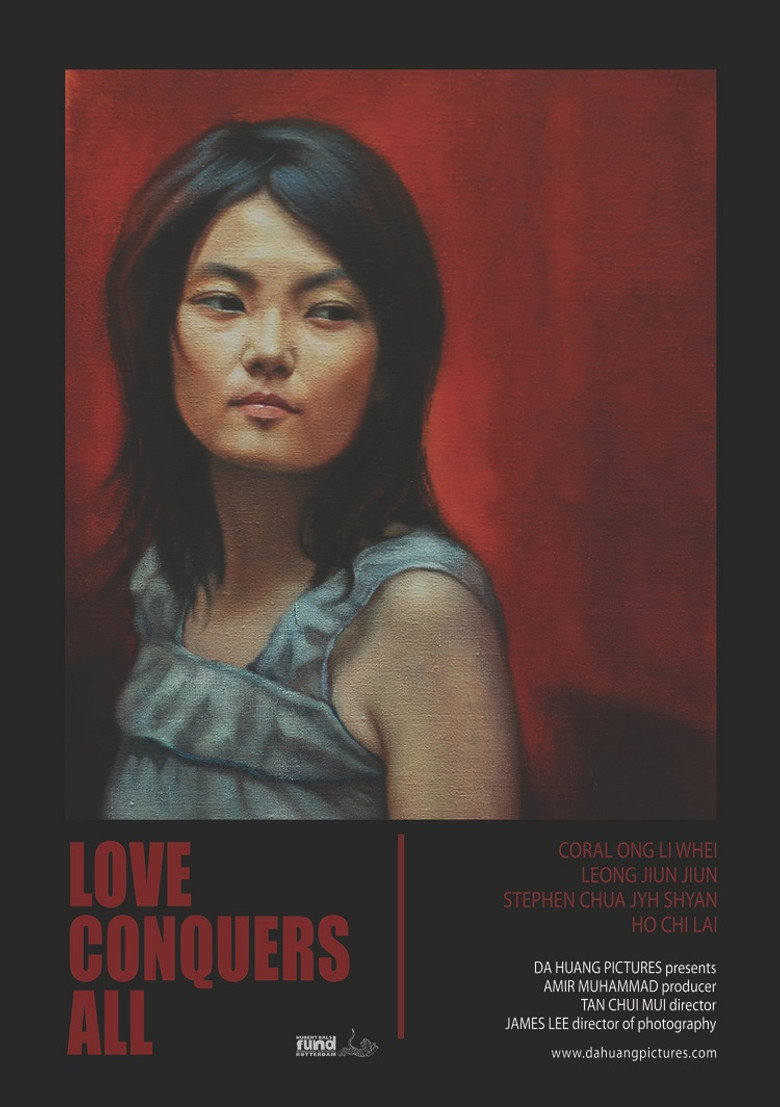
Love Conquers All
A man who keeps approaching and a girl nobody warns. Tan Chui Mui did not show the ending and became this room's first woman director. The next year the camera returns to the kampung of the nineties.

Mukhsin
One summer, two children, and something to be remembered later. Yasmin Ahmad reduced melodrama to its plainest form and put no event in it. Two years later a crime sets two families against each other.

At the End of Daybreak
Two mothers show what they are capable of to protect their children. Ho Yuhang left moral judgment to the viewer and rescued nobody. The same year children from four communities take the same stage at a school competition.

Talentime
Melur sings and Mahesh cannot hear her. Yasmin Ahmad's last film — she died that year, and Tamil is spoken most in this film. Three years later three brothers return to a village whose name means "murder".

Bunohan: Return to Murder
Each returns for a different reason and none can leave. Dain Said joined the crime film to a narrative drawn from shadow puppetry. Eight years later, in the forest, a girl caked in clay speaks a prophecy.

Roh
What she says comes to pass and nobody comes to help. Emir Ezwan grounded horror in Malay folklore and made inevitability the film's form. Three years later two brothers without papers work in the capital's market.

Abang Adik
The elder brother speaks in sign and the state does not acknowledge that either of them exists. Jin Ong showed what those without citizenship are able to do. The same year, at a school, a girl's body begins to change.
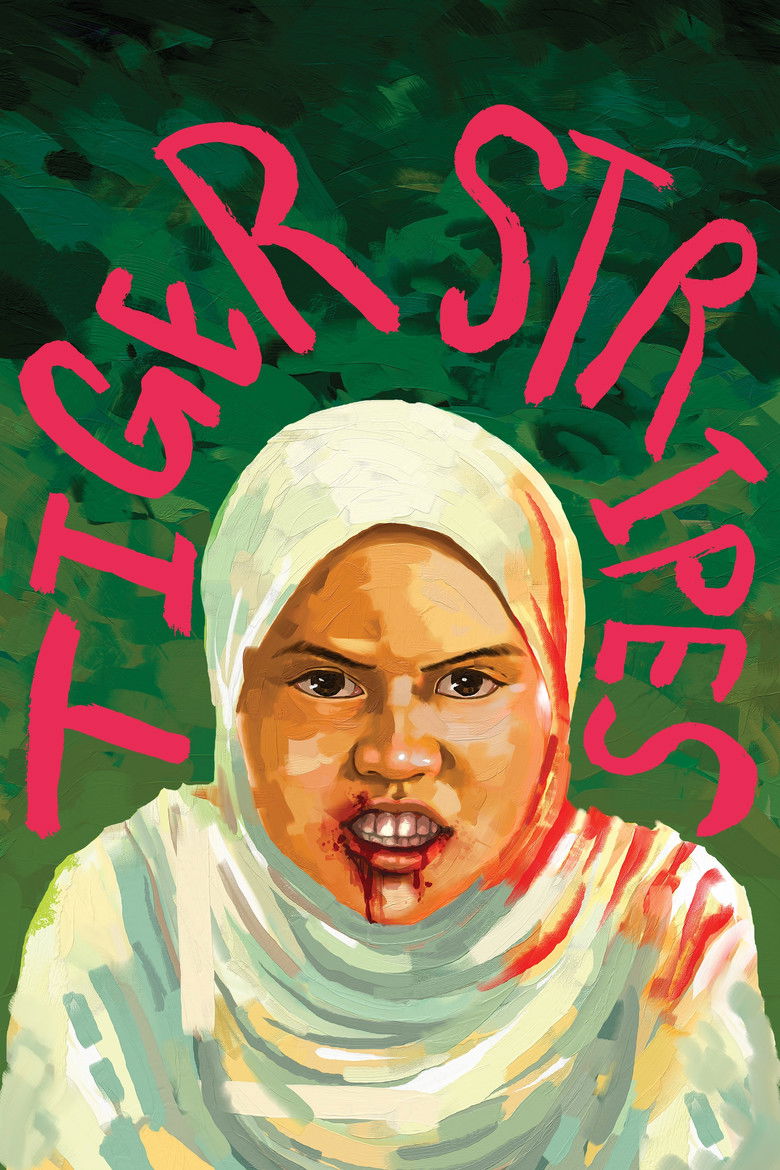
Tiger Stripes
The school shuts her out and she accepts the transformation. The chain began in 1966 with a studio comedy and ends fifty-seven years later with a horror film — in between there are five films in which four languages are spoken at once, and all five are by one director.
