Country room
Romania
Romania's cinema is not the work of a country but of a decade.
How does a country's cinema come into being all at once?
In the early 2000s Romanian cinema amounted to a few older films abroad; there was no continuous body of work.
Then a handful of directors, each broke in the same way, arrived at the same method separately.
The Chain
1957 → 2026
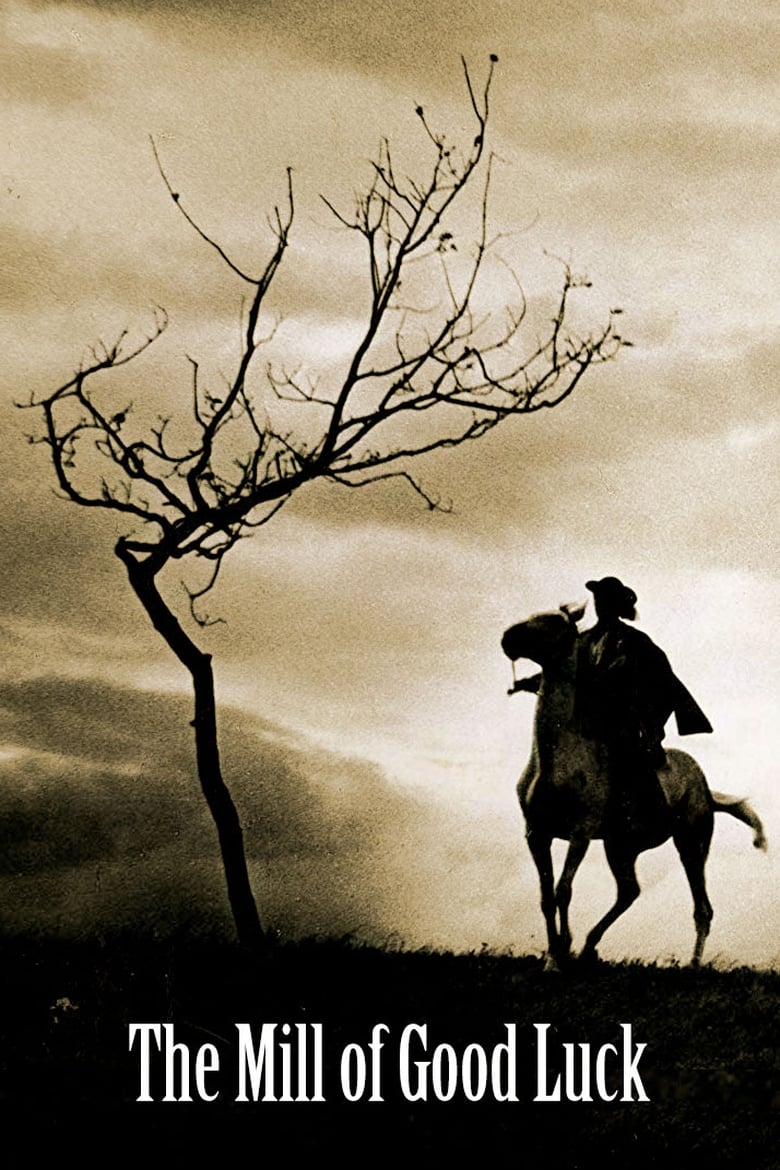
The Mill of Good Luck
A film from the years when post-war Romanian cinema was being set up. There is a state studio, a crew, an audience — and no one outside knows about it. Eight years later this cinema crosses the border for the first time.
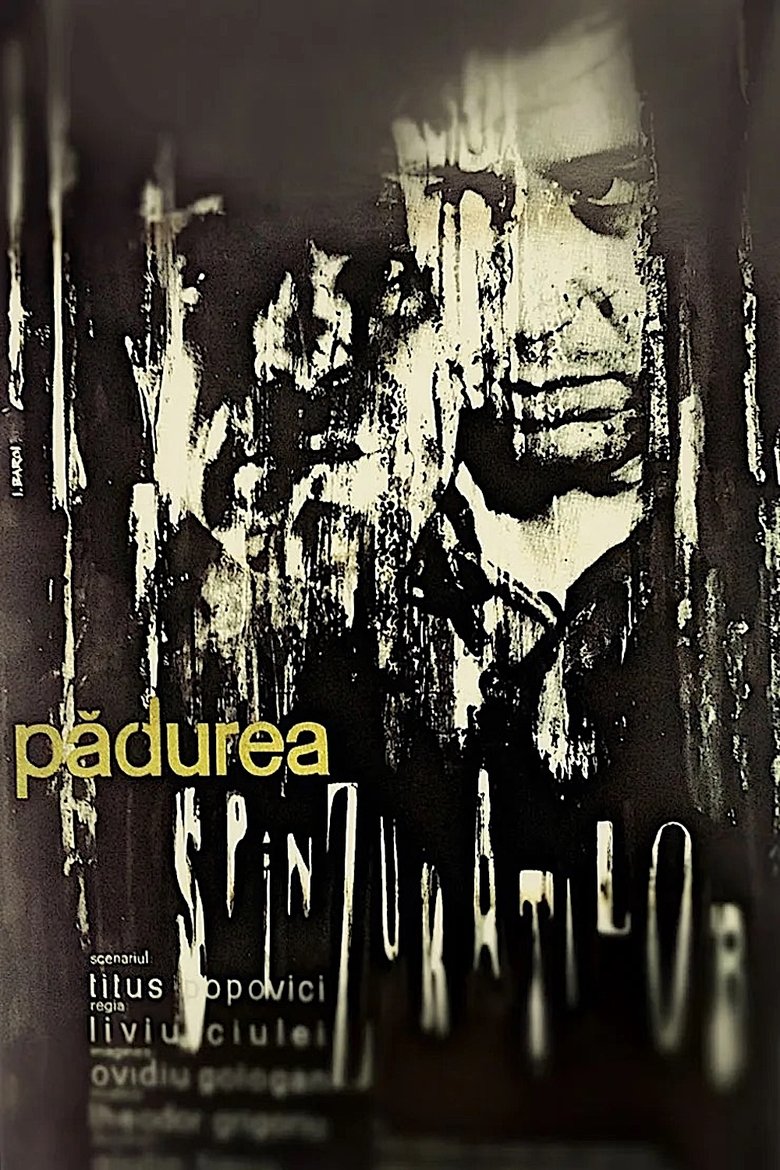
Forest of the Hanged
The directing prize at Cannes. The first moment Romanian cinema was seen abroad — and for a long time it remained the only one. Three years later someone turns the camera on the state, and the film does not come off the shelf.
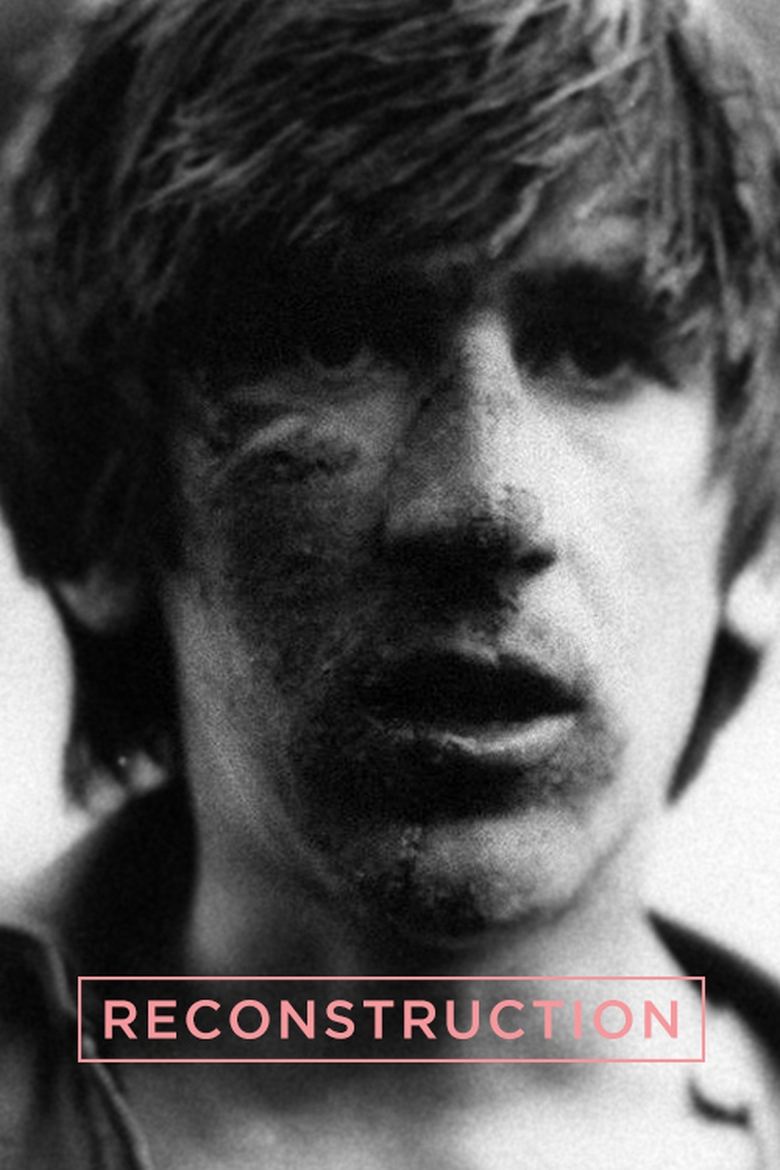
Reconstruction
One of the first Romanian films to take procedure itself as its subject. The method the next generation would rediscover forty years later is already here: wait, don't cut, don't explain. The seventies and eighties: the cinema keeps working, but lowers its voice.
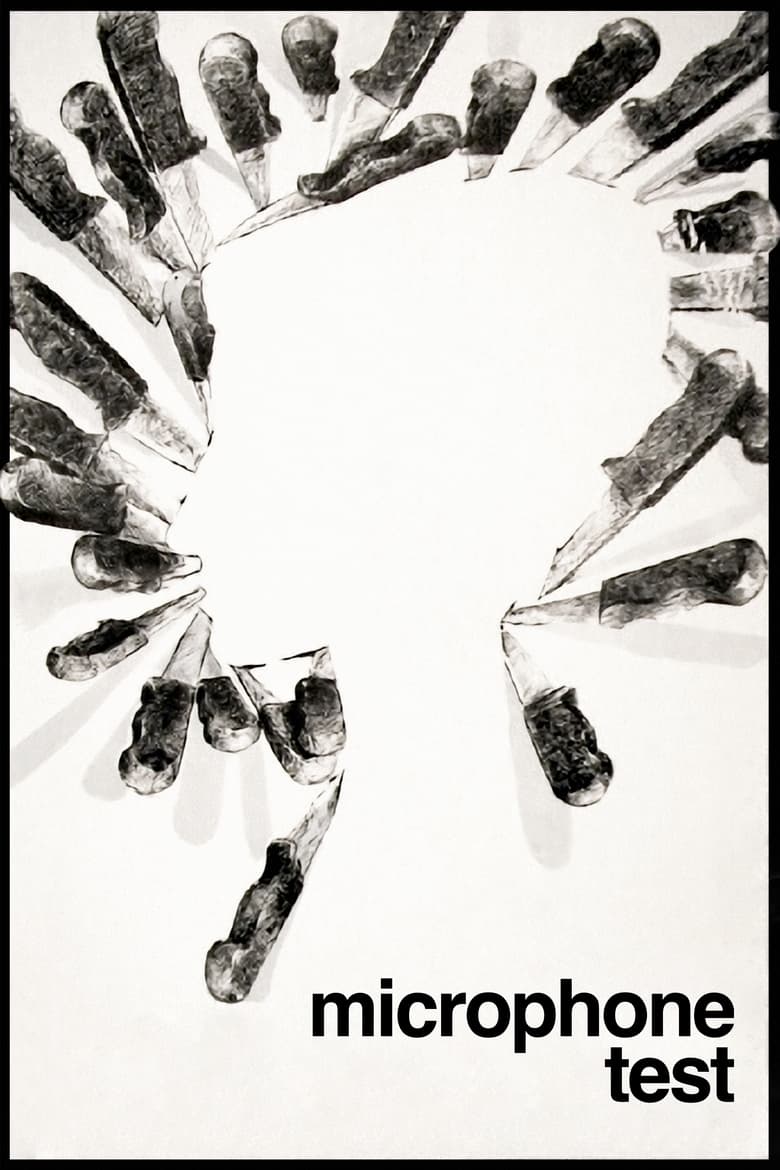
Microphone Test
A film about the man holding the camera. In the middle of the Ceaușescu years, recording itself is shown as an instrument of power — which is as close as one could get to saying it. Then the regime falls, and for a decade no one knows what to do.
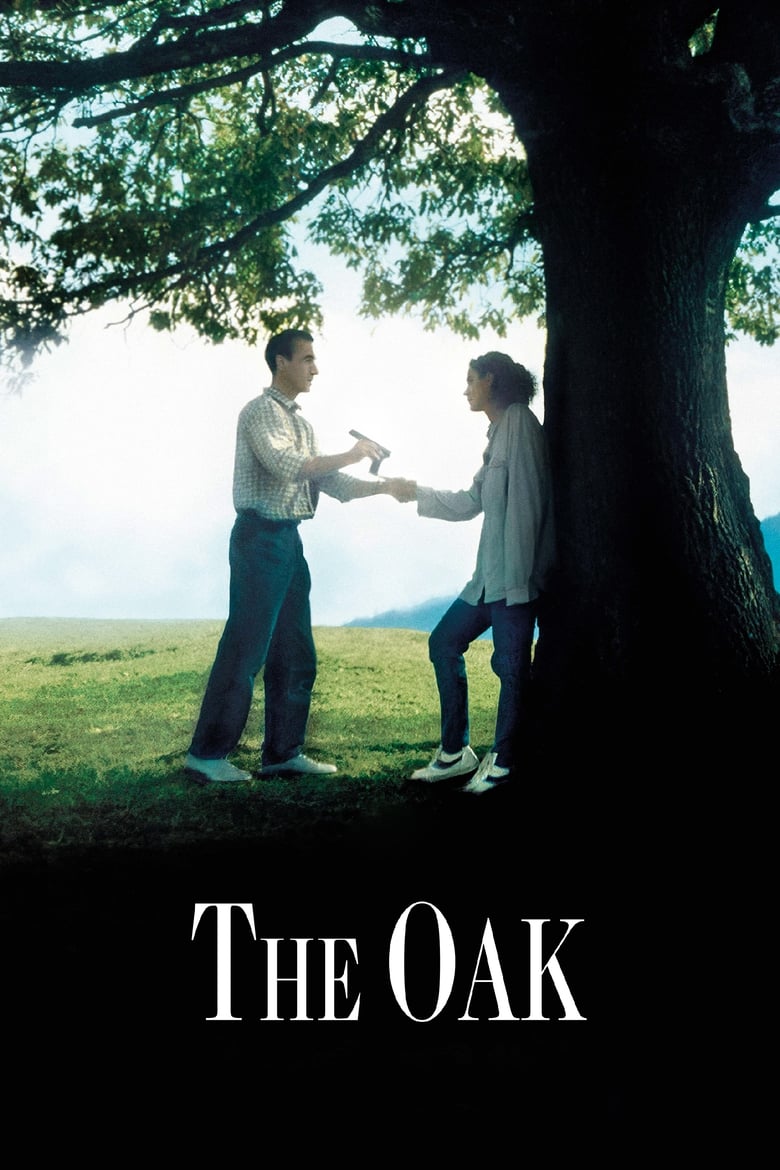
The Oak
Shot just after the revolution. A film that crosses the country end to end and finds the same faces at the same desks. Through the nineties the studio collapses and production stops. In 2001 three people get into a van.
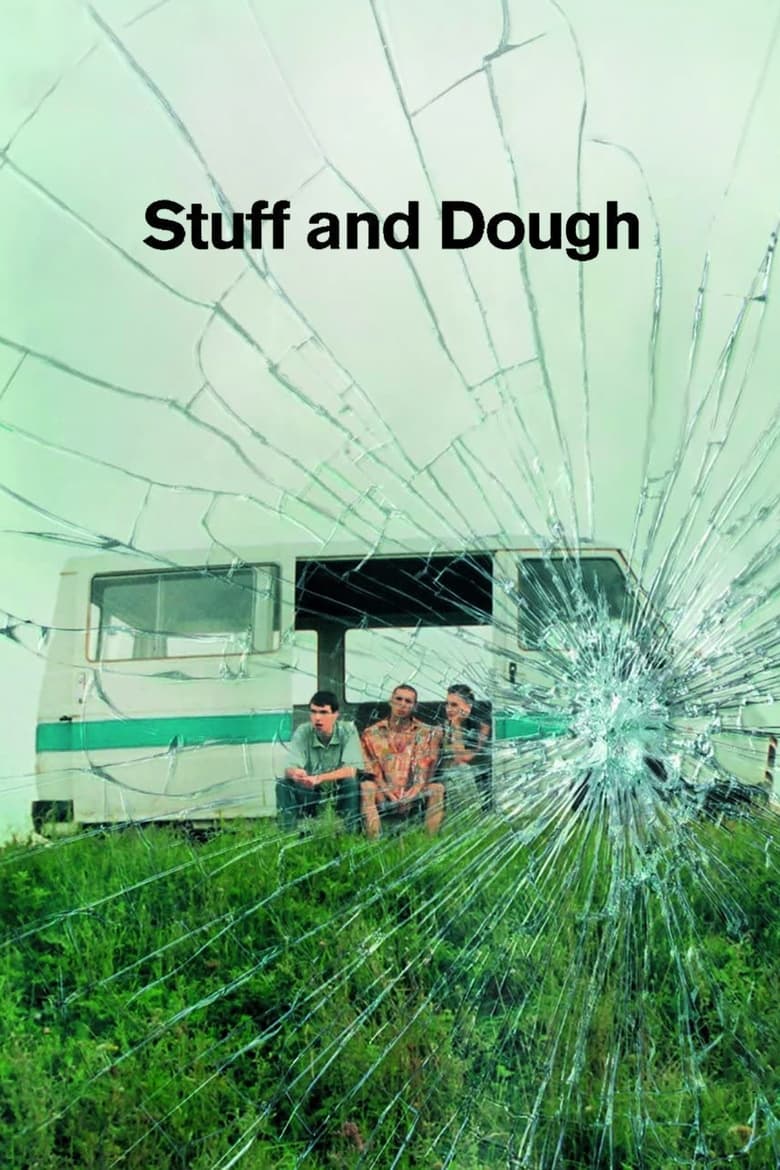
Stuff and Dough
The film taken as the start of the wave. No budget, a small crew, a handheld camera — everything later called a style is here a necessity. Four years later the same director convinces the world with one night and one ambulance.
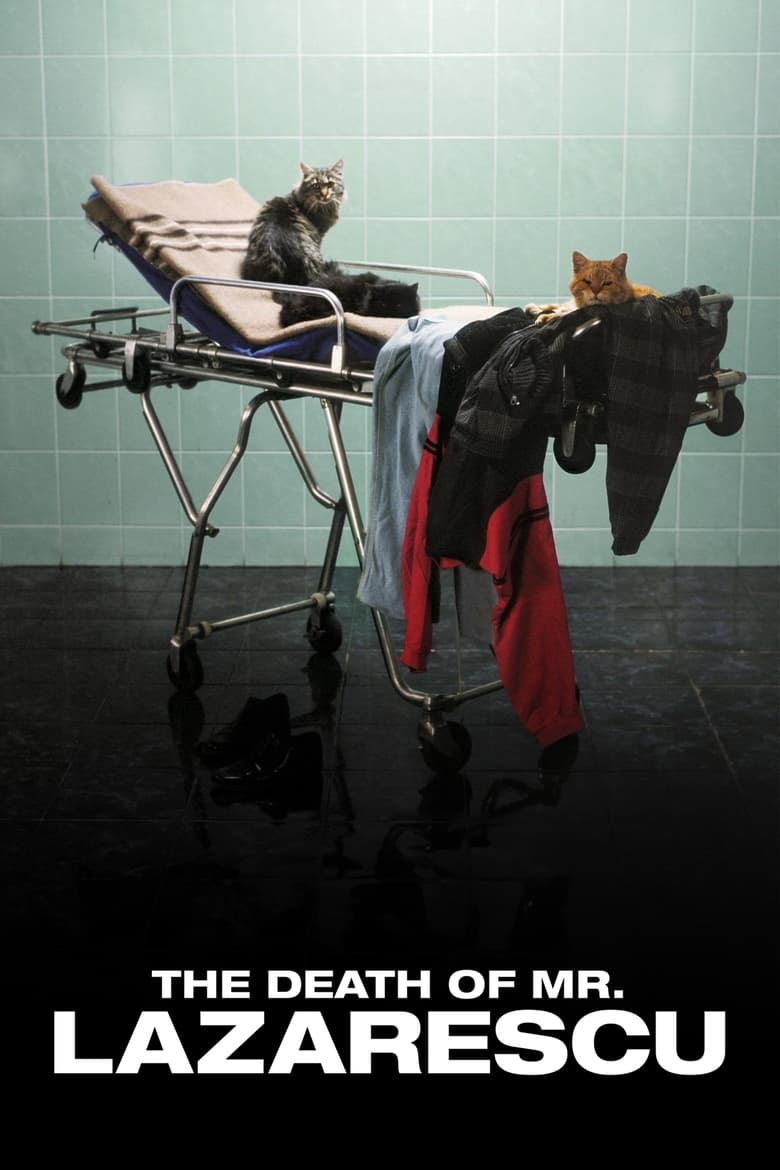
The Death of Mr. Lazarescu
The founding film of the wave. From here on, what "a Romanian film" means is settled: real time, a fixed camera, a system in which no one is guilty. The following year the same method is used to make people laugh.
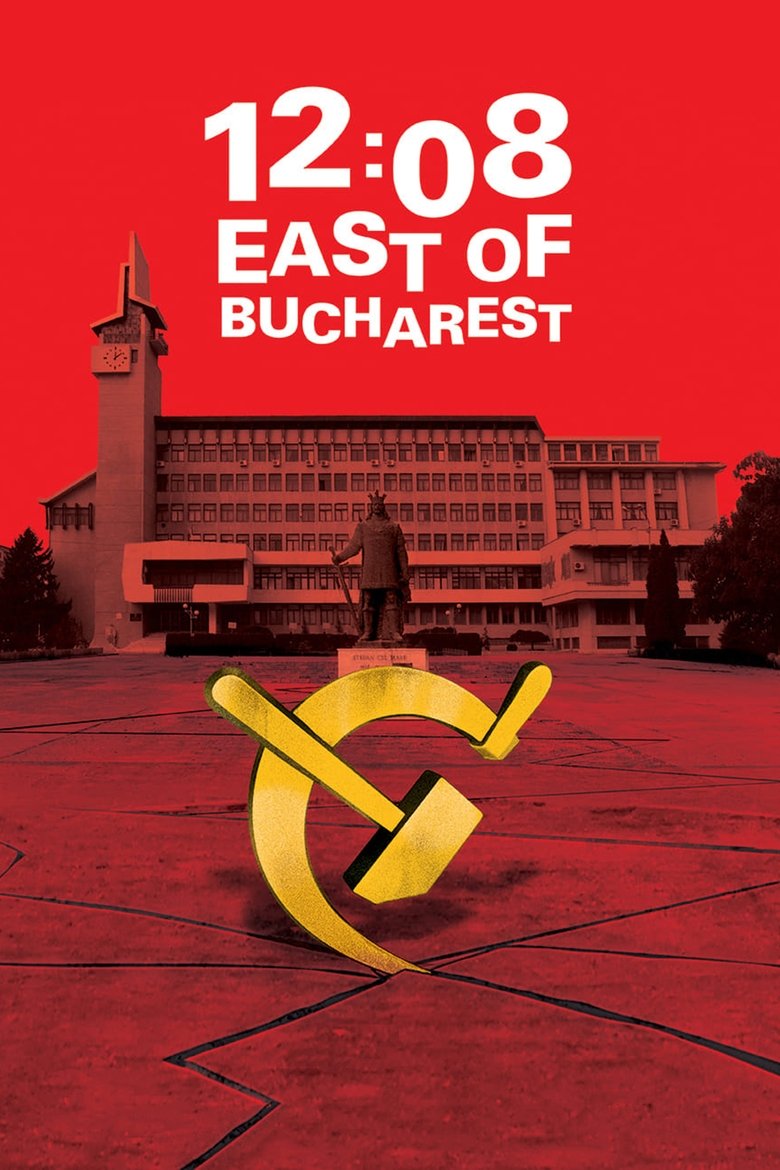
12:08 East of Bucharest
The comic wing of the wave. What the revolution was gets argued out in a provincial studio, over the clock — and the argument is never settled. A year later the top prize at Cannes goes to Romania.

4 Months, 3 Weeks and 2 Days
The Palme d'Or. The moment the wave was seen from outside, given a name, and had the next decade's expectations set for it. After the prize the method hardens: three years later comes a three-hour film that explains nothing.

Aurora
The furthest point of the wave. It grants the viewer no help at all; here the method tests its own limit. Then the subjects move from outside to inside: family instead of institution, belief instead of procedure.
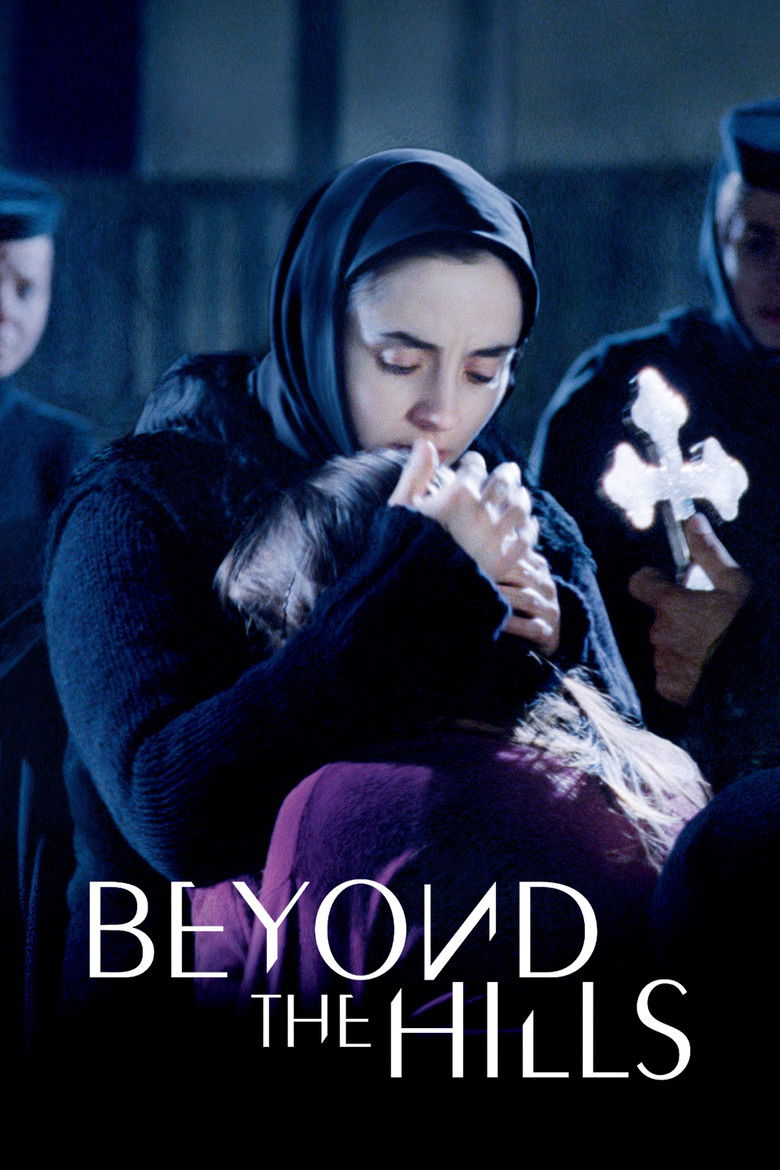
Beyond the Hills
It starts from a real case and blames no one. The wave's moral stance is at its clearest here: catastrophe happens without ill will. A year later Berlin opens up to the wave's second generation.
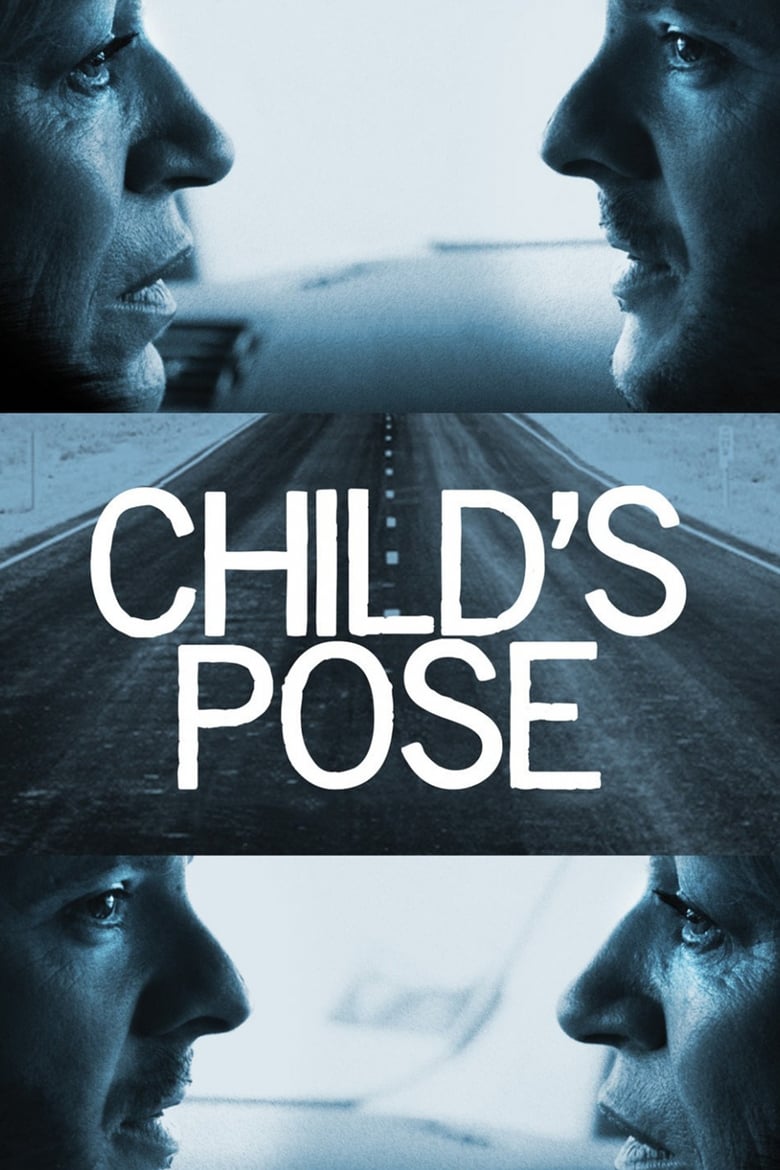
Child's Pose
The Golden Bear. Not the founders of the wave but those raised on its method start winning — the method is now something that can be learned. Three years later the method returns to its own master and shuts itself into a flat.
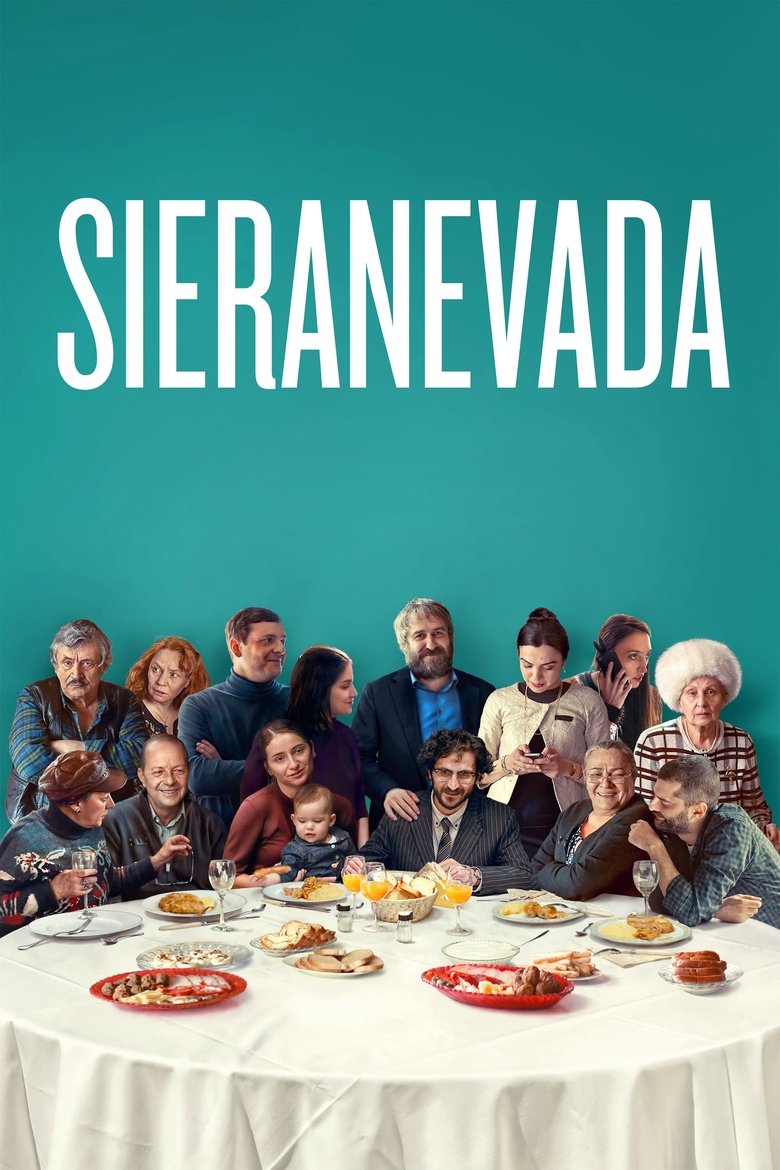
Sieranevada
The wave's film of maturity. One location, three hours, unbroken talk — the form is no longer something to display but a habit that is carried. Then fiction is no longer enough; the camera goes inside a real investigation.
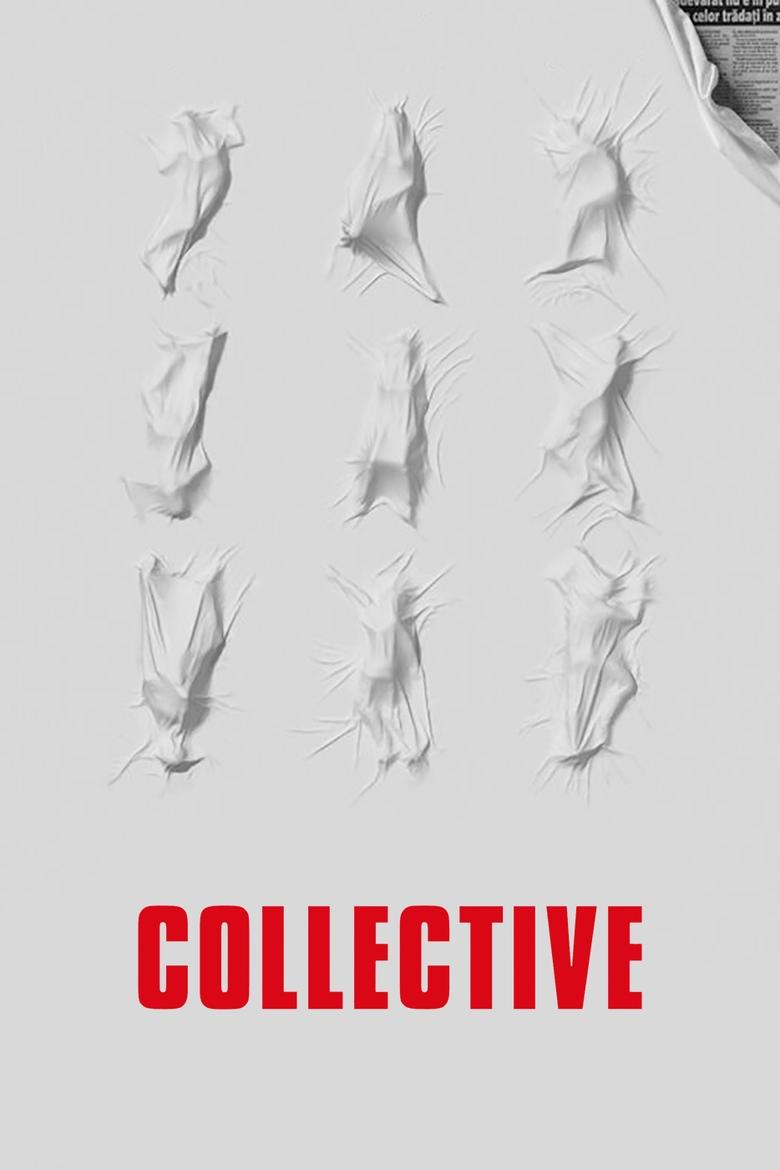
Collective
The point at which documentary joined the wave. The system fiction had been describing for years is here shown on the record. It was nominated in two categories at the Oscars. Two years later a director abandons the method and turns to face the audience.

Bad Luck Banging or Loony Porn
The Golden Bear. The first major prize for openly breaking the wave's rules: the camera moves, the film splits in three, and in the middle there is not a story but a dictionary. Five years later one of the wave's founders takes the top prize at Cannes for the second time — this time with a film not set in Romania.
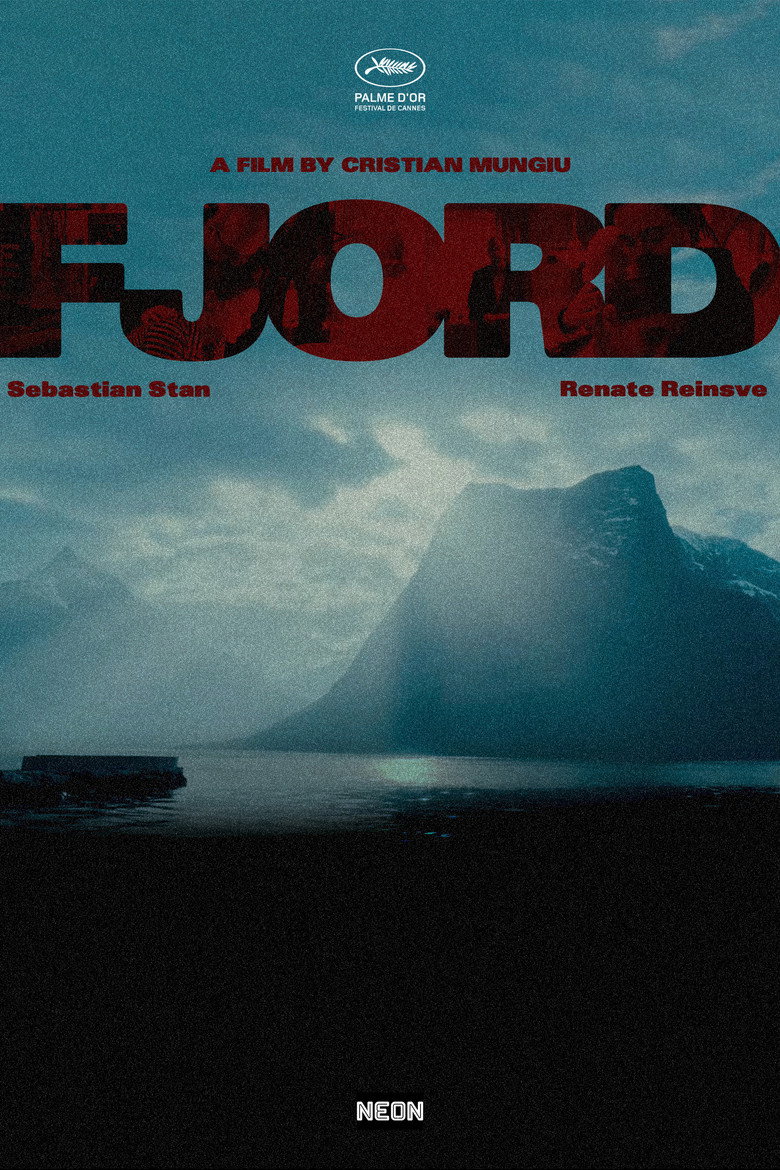
Fjord
A second Palme d'Or. The chain ends far from where it began: a Romanian film can now be set in Norway and still count as one.
Directors in this room