Country room
Syria
Most of the films in this room were made with the permission of a single state institution. The institution produced few films, often did not show them, and directors said what they wanted to say by moving it into the village, the family, the fable. After 2011 there was no permission left, and cinema handed the camera to other hands: to people working in a hospital under siege, to someone filming on a phone, to a director sitting at an editing table abroad.
If a country only ever appears on screen in pieces, where is the whole of it?
There are four stops in this room. The first is an institution: the state produced the films, the number was small, and some of what was produced went unshown for years. The second is a generation — Malas and those around him, directors filming childhood, the father, the act of remembering. The third is what was shot abroad. The last is after 2011: most of these films are documentaries and most were edited outside the country.
Read more
The Syria that these twenty films put on screen is either a village, a besieged neighbourhood, or an image reassembled from a distance. The large city in peacetime is almost never filmed.
The Chain
1970 → 2019

Film-Essay on the Euphrates Dam
A new dam, concrete, and the progress of construction. Amiralay made his first film to describe a development project — this room's first film opens as a promotional job. Two years later fiction begins, and the subject goes straight to the mountains.

The Cheetah
A man living in the mountains, the village below, and the reckoning set between them. With one of the first features the state institution produced, Maleh established a pattern: the matter is not stated directly, it is moved out to the countryside. The same year, inside a water truck, in the desert.

The Dupes
Three men climb into the empty tank of a water truck, hoping to cross the border that way. Heat, waiting and the lid staying shut carry the film's entire tension. An Egyptian directed it, the state institution produced it, and those two facts are why it is in this room. Twelve years later the camera comes down to the city, beside a child.

Dreams of the City
A woman moves to Damascus with her sons and the city ties them to their grandfather's house. Malas films the Damascus of the fifties at a child's height; politics enters through the radio and through the moments the adults fall silent. Four years later two films arrive at once, and both return to the village.

Stars in Broad Daylight
Two weddings, one family, and the hierarchy inside the house. Ossama Mohammed filmed the family not as a family but as a scaled-down order of power. The state institution produced it and it did not open in Syria — that is the most repeated fact in this room. The same year, the same institution, an entirely different tone.

Nights of The Jackal
A father, his children, and the sounds heard in the village at night. Inside the same institution Abdelhamid built a language close to comedy, routing his criticism of authority through a ridiculous father. Malas this time goes to a destroyed city.
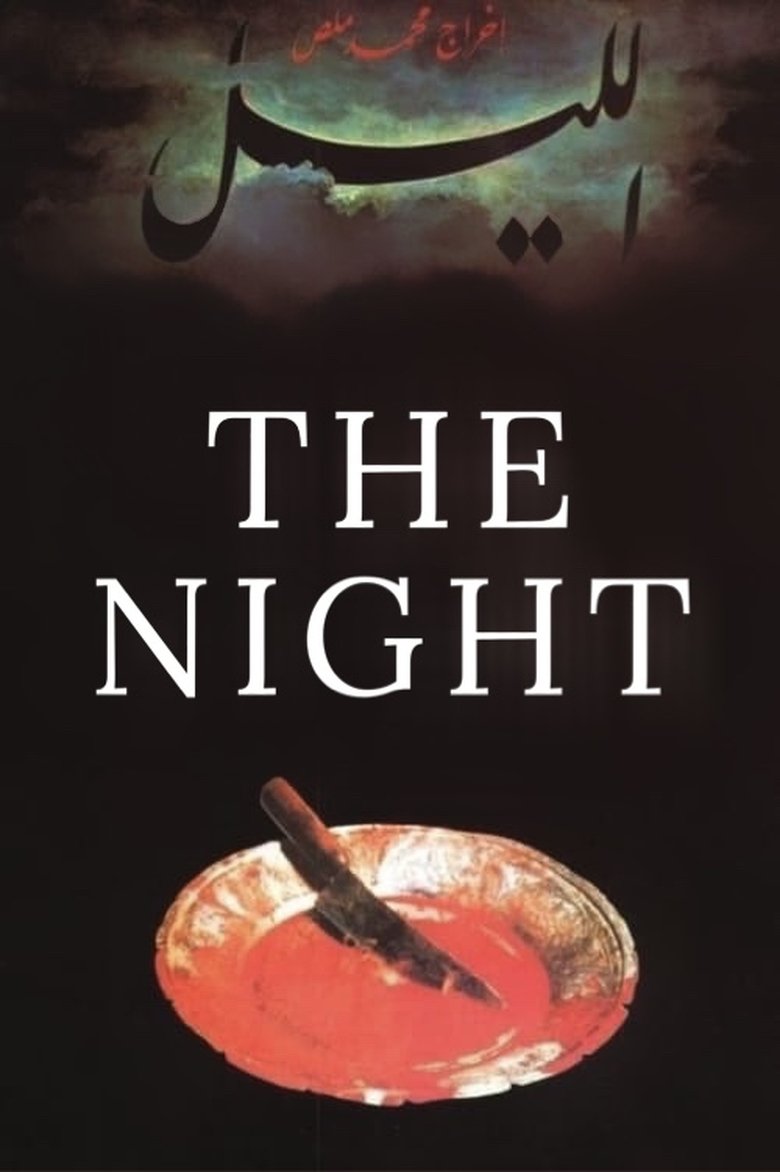
The Night
Quneitra, a destroyed town, and a childhood recounted as having happened there. Malas built a city from memory because it no longer stands, and the film's time therefore does not run straight. Amiralay returns years later, this time to a dying writer's room.

There Are Many Things One Can Talk About...
An ailing playwright, a room, and conversations being recorded. Amiralay records the last period of one man's life, and that record takes in a country's last thirty years as well. Fiction goes back out to the village, this time three generations at once.

Sacrifices
A grandfather dies and his inheritance is split among three grandsons. Ossama Mohammed took the narrative out of event order; the film asks to be stood in and looked at rather than followed. And thirty-three years later Amiralay goes back to the region of his first film.

A Flood in Baath Country
The same dam region, the same director, thirty years on. This time Amiralay films the school, the headman and the villages left under the reservoir, returning to the project he praised in his first film and taking it back. There is no second instance in this room of a cinema disowning its own first film this openly. Malas's last fiction, and the subject is again the inside of a house.

Passion
Aleppo, a family, and the problem created by a woman singing. Malas shuts the question of honour inside the family; the outside enters only through windows and sounds. A year later the camera leaves the country and stays there.

I Am the One Who Brings Flowers to Her Grave
A few women, years in prison, and lives now lived in another country. The two directors built the film not as a collection of testimony but as a conversation among people who know each other. Eight years later the film is now shot in two places at once.

Silvered Water
Footage shot in one city, an editing table in another, and the correspondence joining them. Ossama Mohammed could not enter the country; Bedirxan was inside, filming. The film was built from those two positions — for the first time, who shoots and who edits are two separate jobs. From here on the camera is mostly not held by directors.
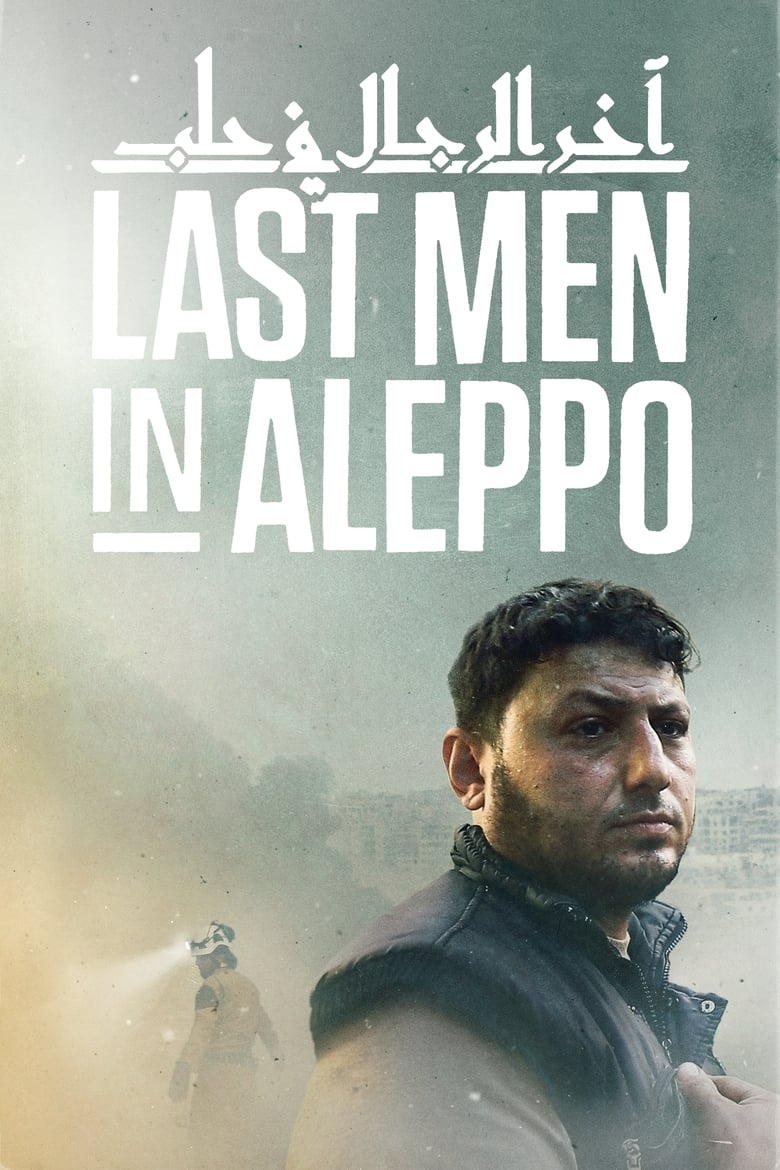
Last Men in Aleppo
A team goes to the rubble, digs, then moves on to the next address. Fayyad did not turn rescue work into a heroic narrative; he filmed the repetition too, and the empty hours between. A year later fiction returns, but it is now shot in another country.

The Day I Lost My Shadow
A woman goes out to find a gas canister and by the end of the day she is outside the city. Kaadan turns an errand into a journey; the disappearance of shadows remains the film's only unreal element. And the last film goes underground.

The Cave
A hospital built underground, corridors, and the sound coming from above. Fayyad built the film around the day of the woman doctor running the hospital; alongside the work there is also the fact of her being questioned for being a woman. The room's first film shot the construction of a dam; the last shoots a hospital staying standing underground.

