Country room
Ukraine
Ten of the twenty-five films in this room are from the Soviet period, and most of those are not in Ukrainian. Almost everything made after independence is. What language a cinema speaks is not a preference — it has to do with who permits it.
Does a cinema decide for itself what language to speak?
There are four stops in this room. The first is Ukraine within the Soviet Union: Dovzhenko, Vertov and Muratova — directors working by Moscow's permission who nonetheless found their own language. The second is poetic cinema, a movement founded in the sixties and suppressed soon after. The third is independence: films made under their own name after 1991. The last is war — eight films since 2014.
Read more
A third of the films here are from the last decade, and war is not a subject but the condition of filming itself.
1929 → 2022

Man with a Movie Camera
One day, one city, and a film with nothing staged. Vertov shot in Odessa and Kyiv and refused storytelling altogether. The same year an uprising beginning in a factory is filmed.

Arsenal
Kyiv in 1918, a civil war, and the dead who speak. Dovzhenko filmed war not as a sequence of events but as a lament. The next year a tractor arrives in a village and apple trees stand in the rain.

Earth
A young man is killed and the film explains nothing. Dovzhenko did not film collectivisation as propaganda and was criticised in Moscow. The same year the camera goes down into the mines of the Donbas.

Enthusiasm
A coal basin and a film in which sound is used this way for the first time. Vertov filmed the Donbas as industry — ninety years later the same place became this room's geography of war. Thirty-five years later a blood feud in the Carpathians is told through ritual.

Shadows of Forgotten Ancestors
Hutsul tradition becomes not folklore but the film's own language. This film began the poetic cinema movement, and years later its director went to prison. The same year, in an emptied village, an old man paints his house white.
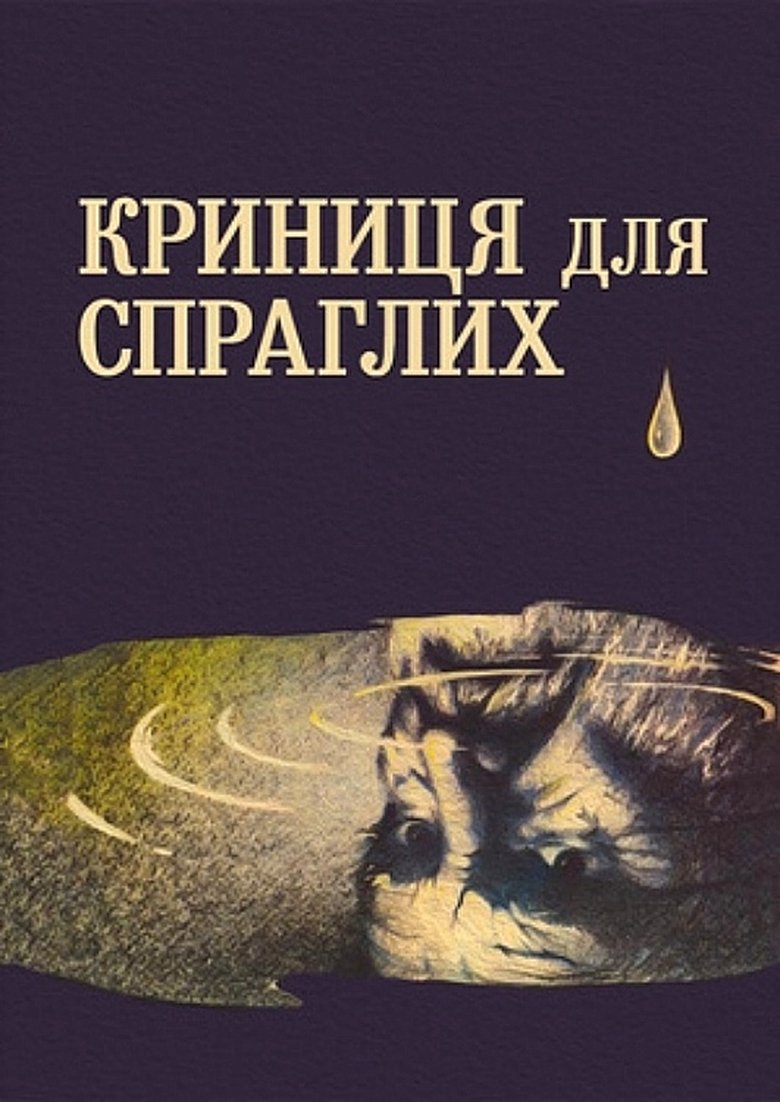
A Well for the Thirsty
There is almost no speech and the village is empty. After it was made the film was kept on the shelf for twenty-two years and could only be shown in 1987. Two years later three people in a flat live in three separate times.

Brief Encounters
Three people never meet and the narrative breaks. In her first film Muratova found her form, and all her later work came out of that brokenness. Four years later a son wants to leave and his mother does not hear it.

The Long Farewell
Two people do not understand each other and the film records it in detail. It was shelved and shown only sixteen years later. Eighteen years later Soviet society collapses in two separate forms.
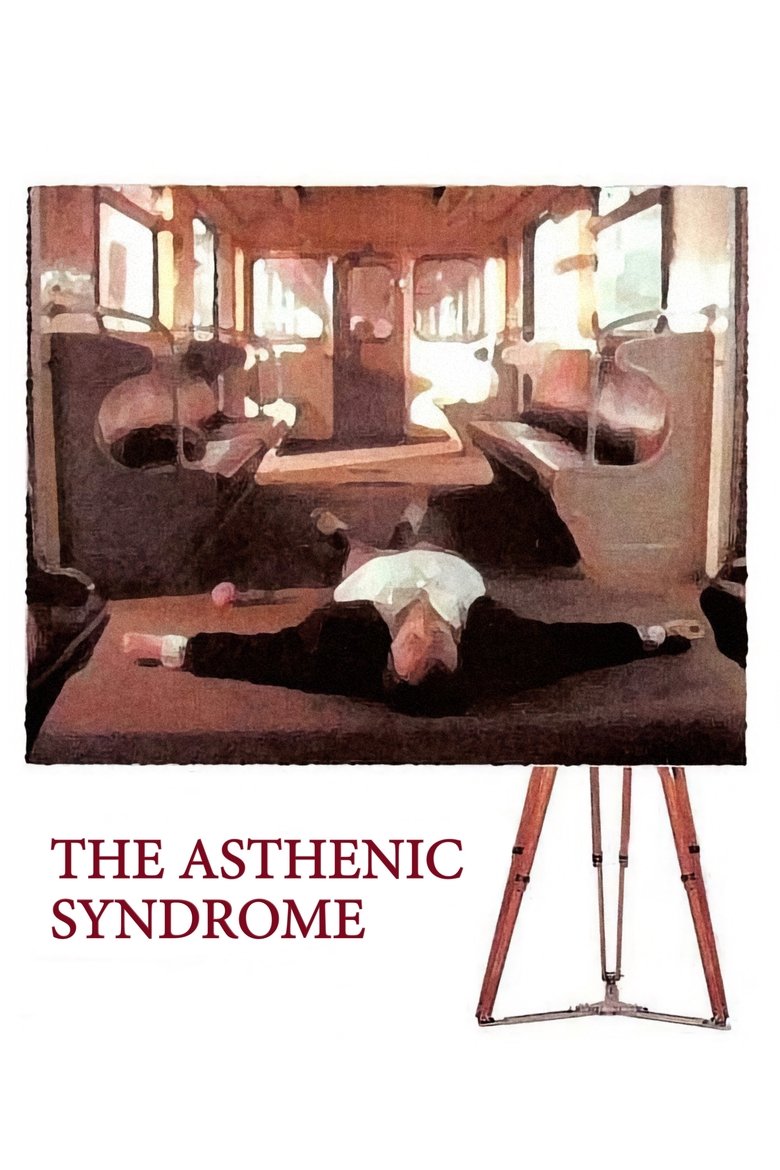
The Asthenic Syndrome
Two parts, two forms, and no link between them. Muratova filmed the collapse not as a thesis but as a sequence of people falling asleep and flying into rage. Twenty-one years later a lorry driver disappears in the provinces.

My Joy
The driver disappears and the film passes to other people. Loznitsa came from documentary and deliberately scattered the narrative in his first fiction. Four years later not one word is heard in a school for deaf children.
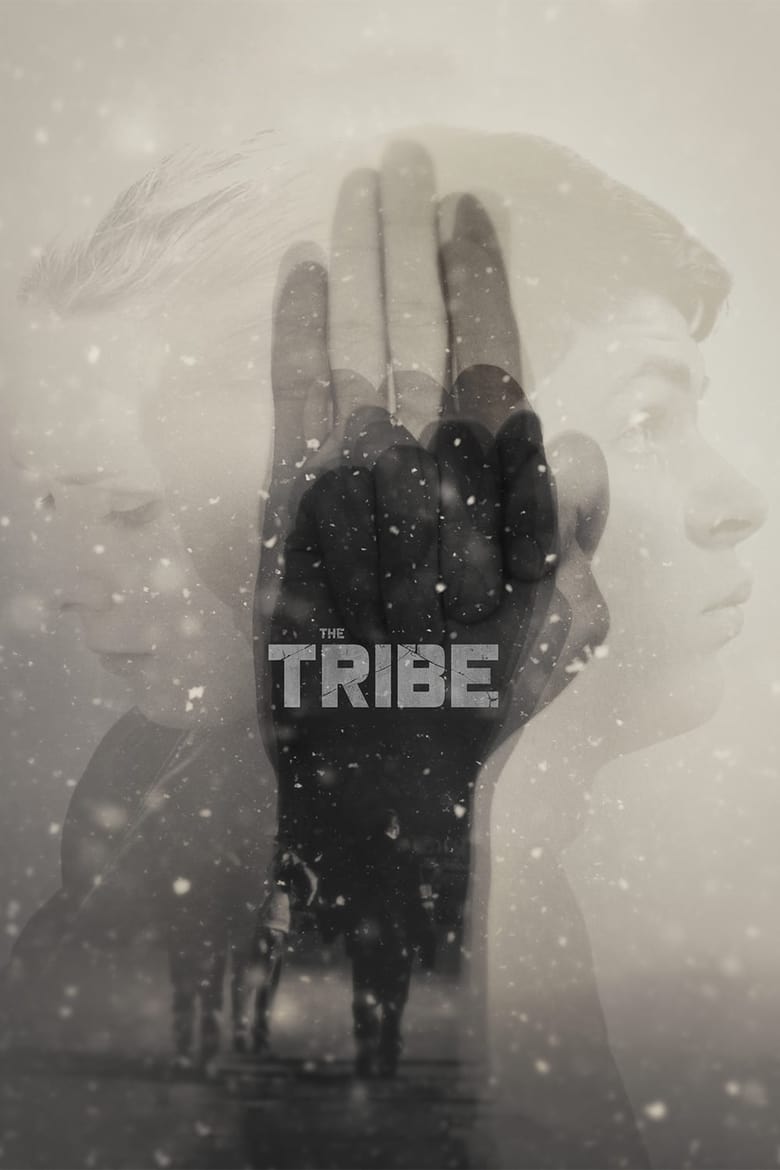
The Tribe
The whole film advances in sign language without subtitles. Slaboshpytskyi made not understanding the film's condition, and that same year war began in the east. Four years later the Donbas is told through thirteen separate lies.
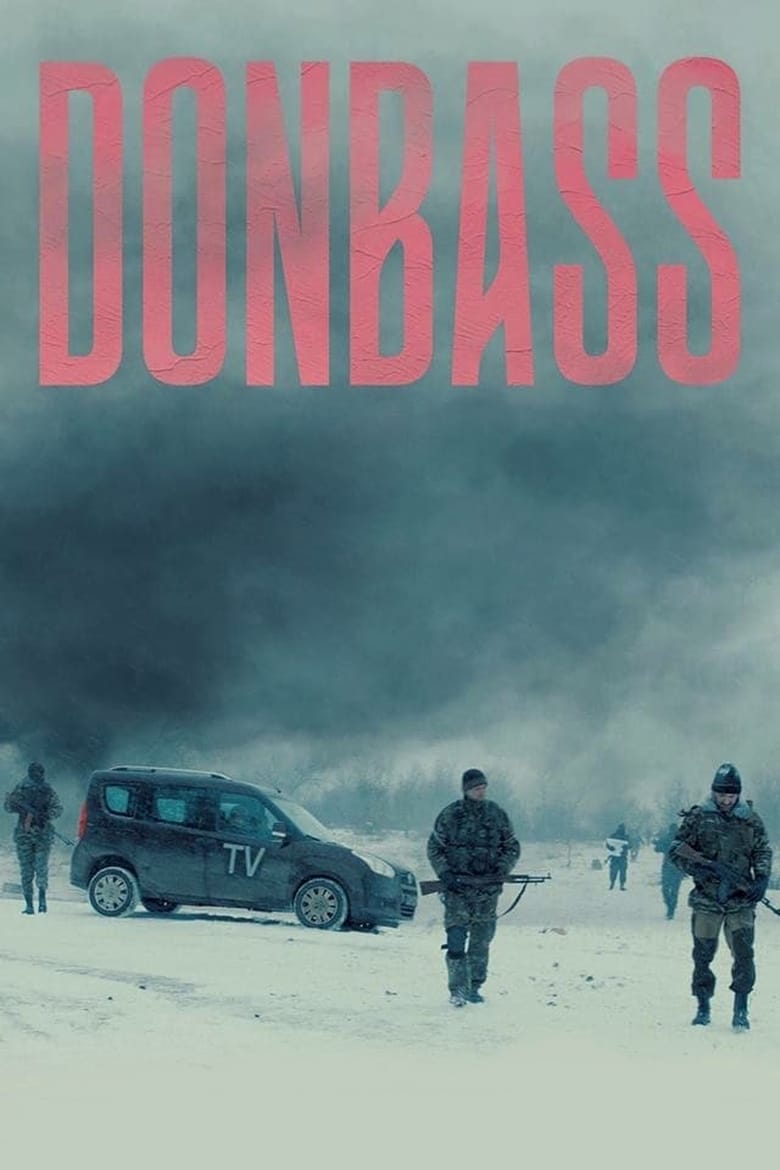
Donbass
Thirteen episodes do not connect and it never becomes clear who is telling the truth. Loznitsa worked from real videos and made each episode the record of a deception. Two years later somebody imagines the war's end.

Atlantis
In 2025 the war is over and what remains is poisoned land. Vasyanovych made the film in 2019, and when that date came the war was still going on. The same year a family on the front line makes its own film.
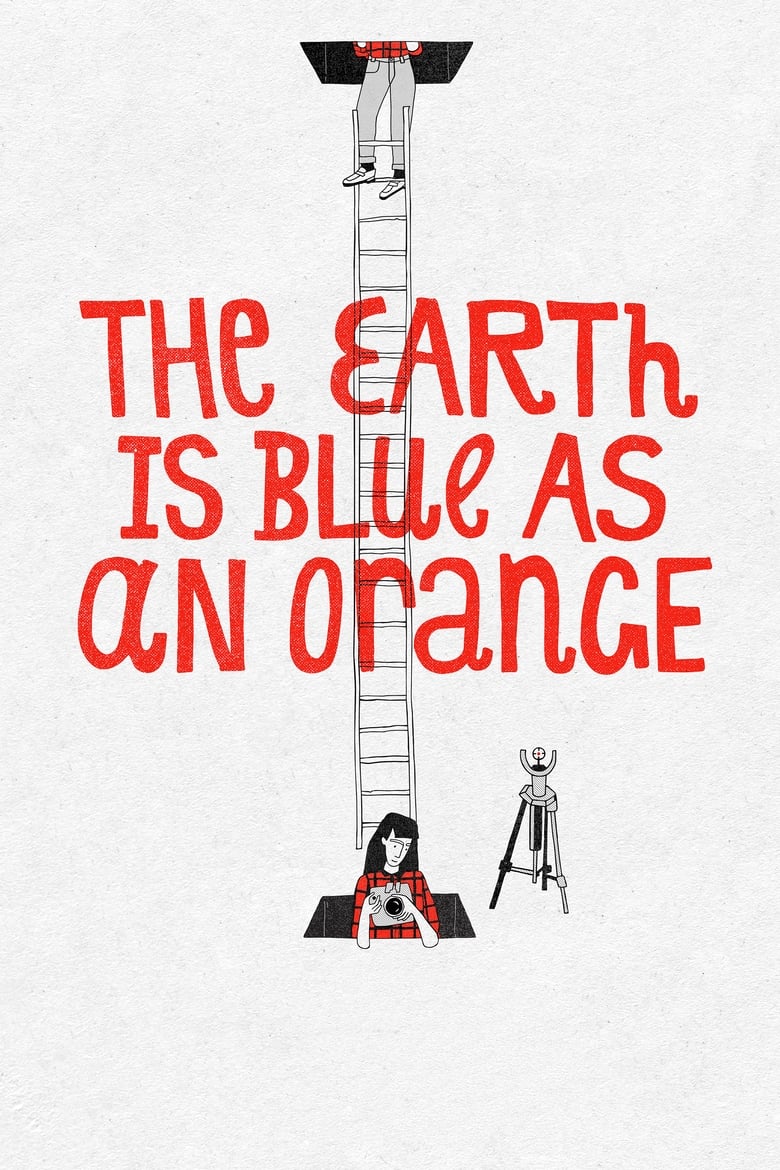
The Earth Is Blue as an Orange
A mother and her four children make a film about their own lives, and Tsilyk films them. Here the camera is not an instrument of witness but a method of staying upright. Two years later a house's wall collapses and a pregnant woman stays there.

Klondike
In 2014 a passenger plane is shot down and the wreckage comes down near that house. Er Gorbach filmed the war not as a front but as something entering the house. The same year a woman soldier returning from captivity meets another war at home.

Butterfly Vision
Nobody asks her what happened and she does not tell. The chain began in 1929 with an unstaged city film and ends ninety-three years later with a return that cannot be told — in between, a cinema first waited for permission and then found its own language.


