United States · 1899–1980
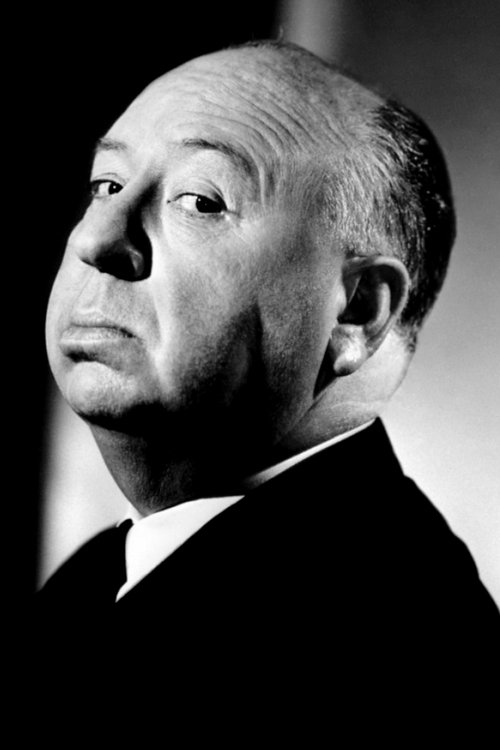
Alfred Hitchcock
He finished the film in his head before shooting it; the set was the boring part.
“There is no terror in the bang, only in the anticipation of it.”
Yaygın belgelenmiş Hitchcock atfı (film literatürü); birincil röportaj tam tespit edilemedi
The Geometry of Fear
Alfred Hitchcock assembled cinema like a clock: every cog in place, every spring wound. The explosion is inevitable. The audience knows this. That knowledge — that waiting in fear — is Hitchcock's entire world.
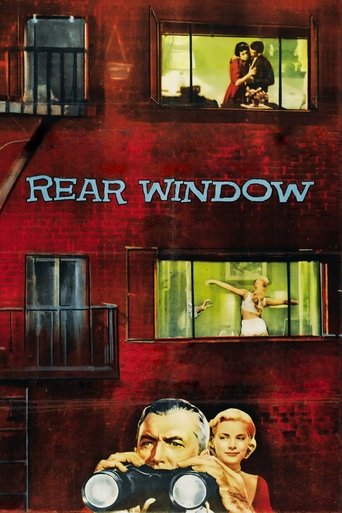
Across a fifty-year career running from silent film to Hollywood he never changed one thing: the power of knowing not what the camera says but what it withholds. From Rear Window to Psycho, from Vertigo to The Birds — every frame is a trap. But the trap is set not for the viewer, for the object of the camera. We look from the same place as the trapper; that makes us accomplices.
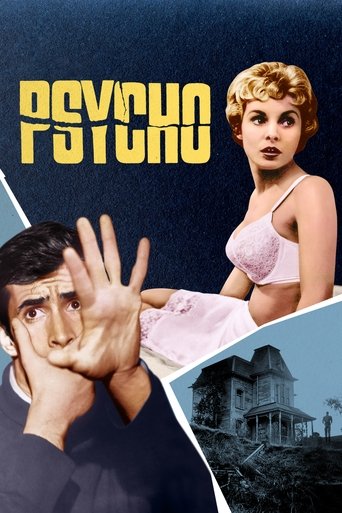
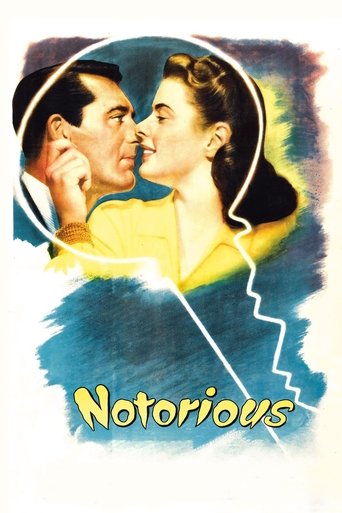
Until Psycho the audience signed a moral contract: it knew the hero would survive and that justice would settle back into place. Hitchcock tore that contract up in the first half. When Marion Crane died, it was not only a character that died but an understanding of what a film is. In Rear Window, while Jeff watches his neighbour the audience watches Jeff; voyeurism links up in a chain and the guilt is shared. In Notorious, Alicia is both a CIA agent and a captive — the two roles make her powerful and helpless at once; Hitchcock does not resolve the contradiction, he holds it. Every film makes the same move: the reliable ground slips, and the viewer finds himself inside the slippage.
As a boy his father sent him to a police station and the officer locked him in a cell for a few minutes — to teach him a lesson. Hitchcock told that story all his life. An innocent person caught in a trap: that became the core of nearly every film he went on to make.
He learned the trade in Germany, alongside the shadow masters of silent cinema — how light can become a threat, how an empty corridor can take your breath away. By the time he reached Hollywood the technique was ready; the only thing missing was someone to take him seriously.
He was nominated five times for Best Director. He never won. It is one of the most discussed injustices in the history of awards — though perhaps it was right. Because what saved Hitchcock was not the Oscars but the French. Truffaut and Cahiers du Cinéma pulled him out from under the label of "popular thriller director" and put him where he belonged: among the greatest auteurs in cinema. That a critical movement can give a director a second birth — Hitchcock is the proof.
THE WORLD OF Alfred Hitchcock
Hitchcock's frame is never neutral. To look in through a doorway, to reach down a staircase, to sit across from a window — all of these are the complicity of looking. The viewer watches; that makes him a voyeur; being a voyeur unsettles him. And this is exactly where Hitchcock's trap closes: what happens on screen lives not on the screen but in the viewer's mind.
Technically Hitchcock's arsenal was wide and calculated. In Rear Window he never took the camera out of one apartment — the whole world fitted into the frame of a window. In Psycho he removed the star of the first half from the stage for the second, and the audience's sense of safety was shattered. He invented the dolly zoom: the camera pulls back while the lens moves in, space bends, the ground slides. But technique is not a tool, it is a result; the real work is done in the viewer's body. He once said in an interview: if there is a bomb under the table and the audience does not know, you have surprise; if they know, you have suspense. Suspense is far above surprise.
Where to start
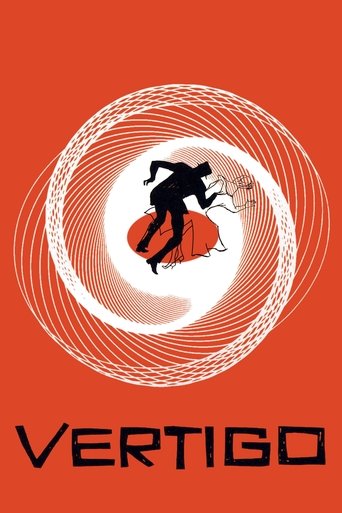
 Vertigo 1958
Hitchcock'un zirvesi. Obsesyon, kimlik kaybı, sinema tarihinin en karanlık aşk filmi.
 Rear Window 1954
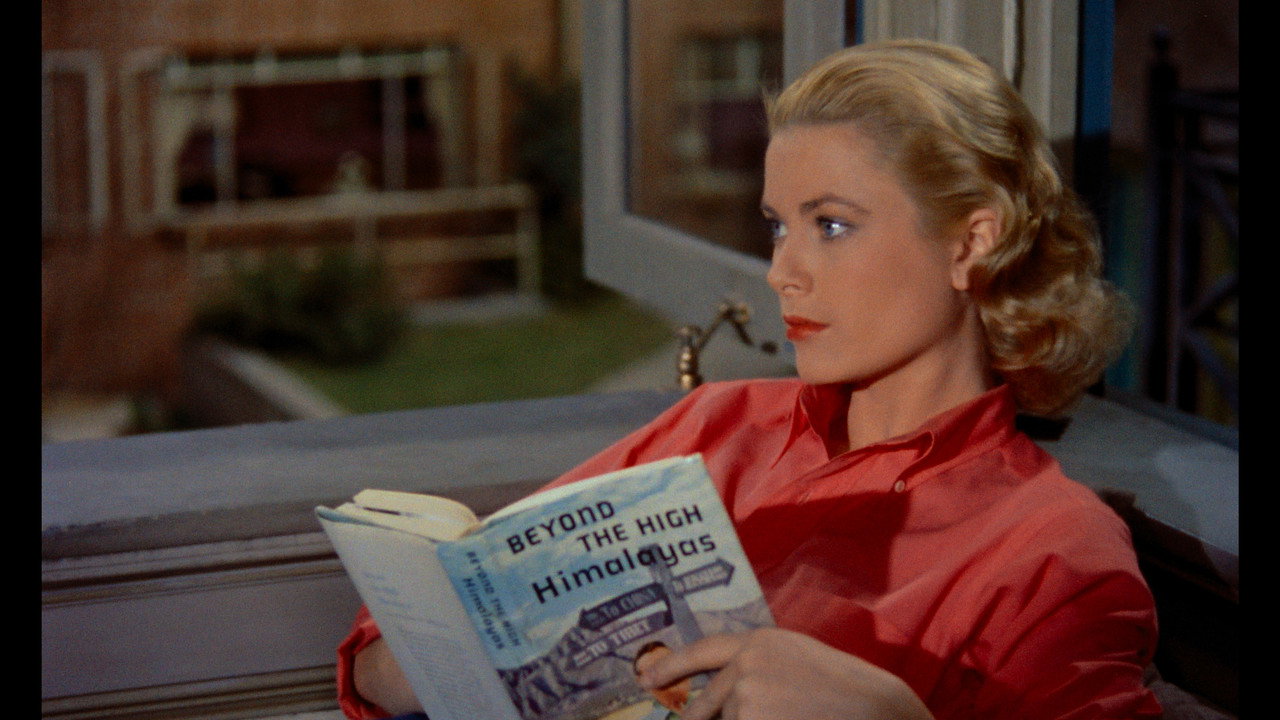
Voyeurizm ve sinema aynı şeydir — Hitchcock bunu kanıtladı. Grace Kelly, Jimmy Stewart.
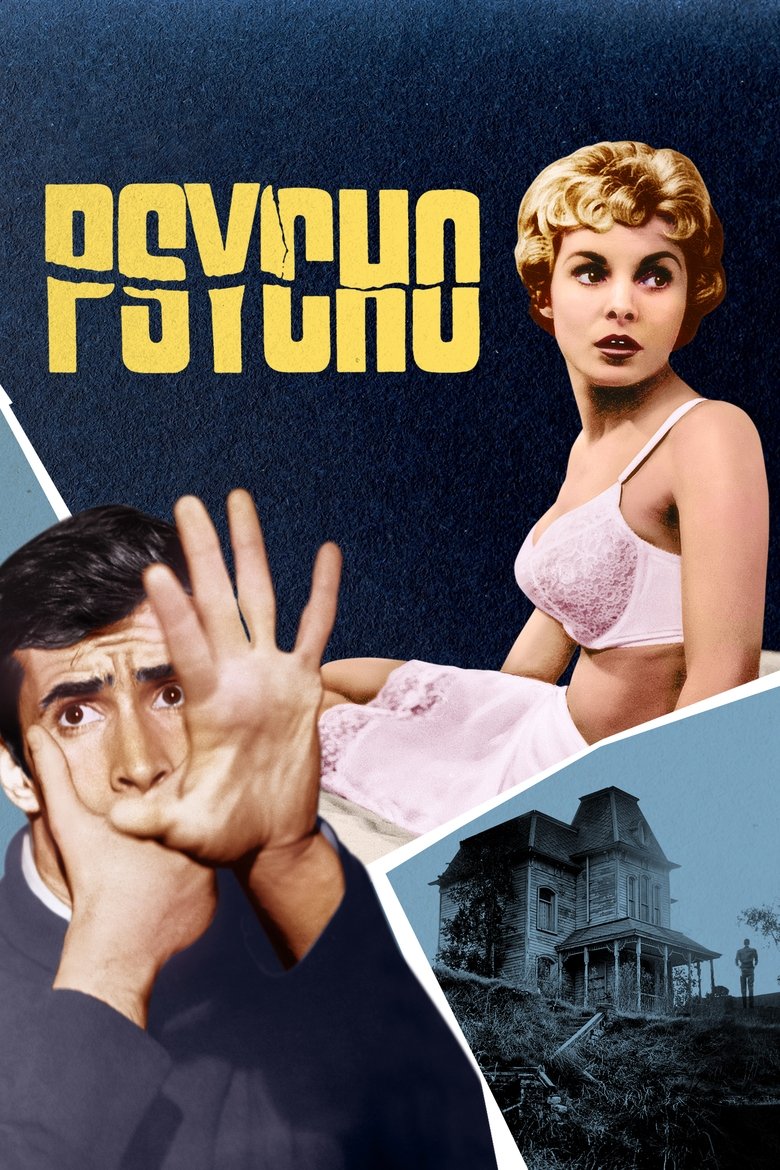 Psycho 1960
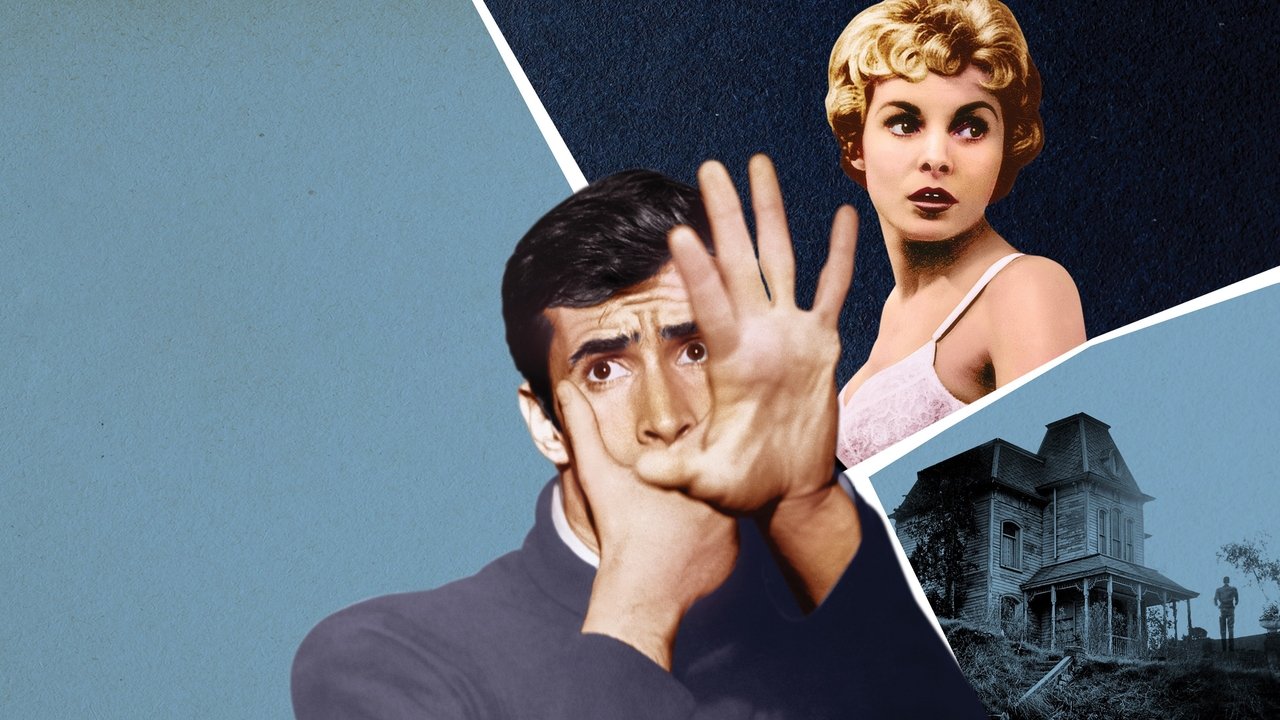
Her şeyi değiştirdi. Birinci yarısında kimi öldürdüğünü ve neden bilirsin.
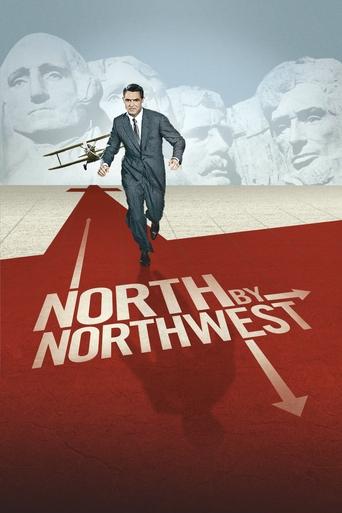
 North by Northwest 1959
MacGuffin'in şaheseri. Cary Grant kaçıyor; neden? Önemli değil.
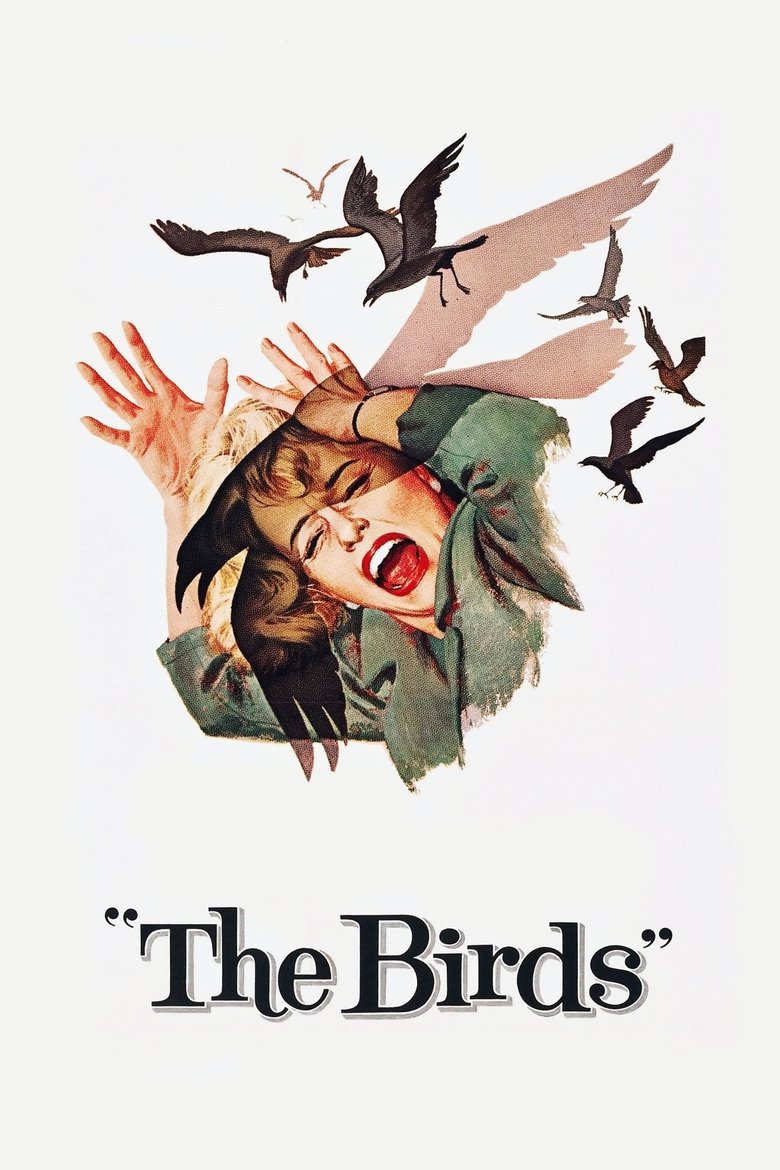 The Birds 1963
Açıklama yok. Neden yok. Bu yokluk korkunun ta kendisidir.
Canon films





Filmography


Awards
- Best DirectingAcademy Awards · 1960 · nominated · Psycho
- Best DirectingAcademy Awards · 1954 · nominated · Rear Window
- Best DirectingAcademy Awards · 1945 · nominated · Spellbound
- Best DirectingAcademy Awards · 1944 · nominated · Lifeboat
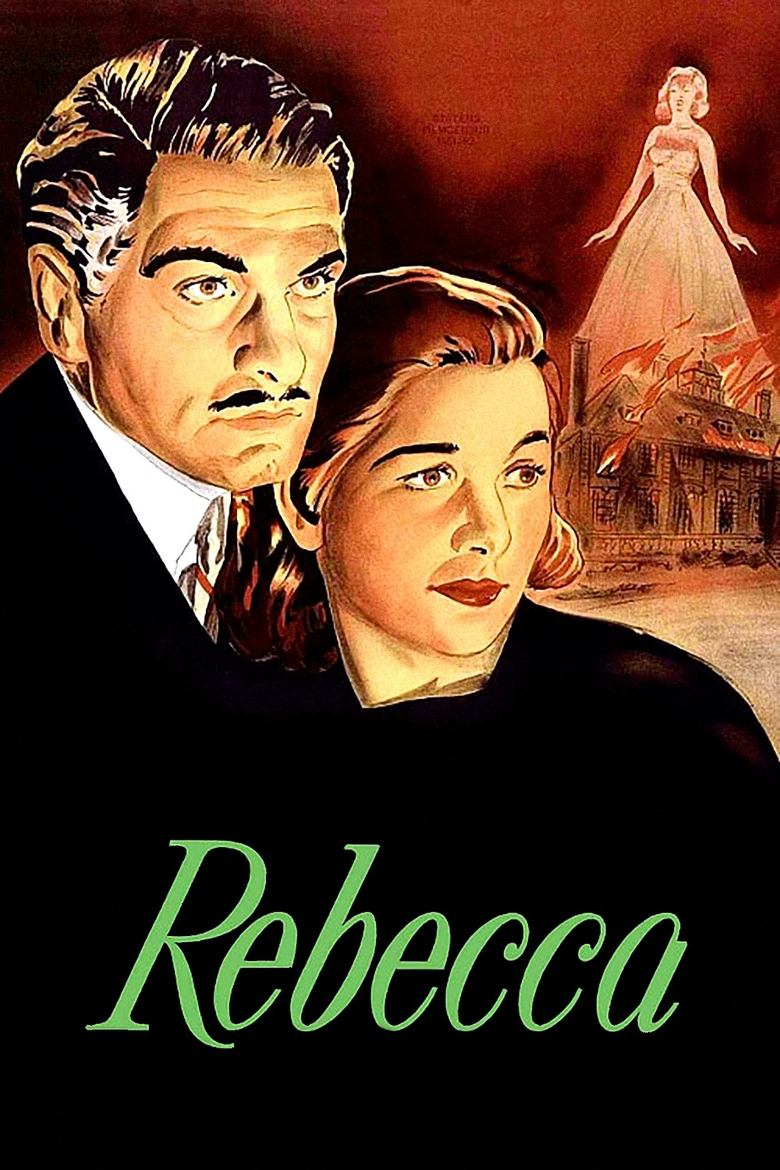
- Best DirectingAcademy Awards · 1940 · nominated · Rebecca
Interviews
- Keir Burrows
- Cinematographers on Cinematography