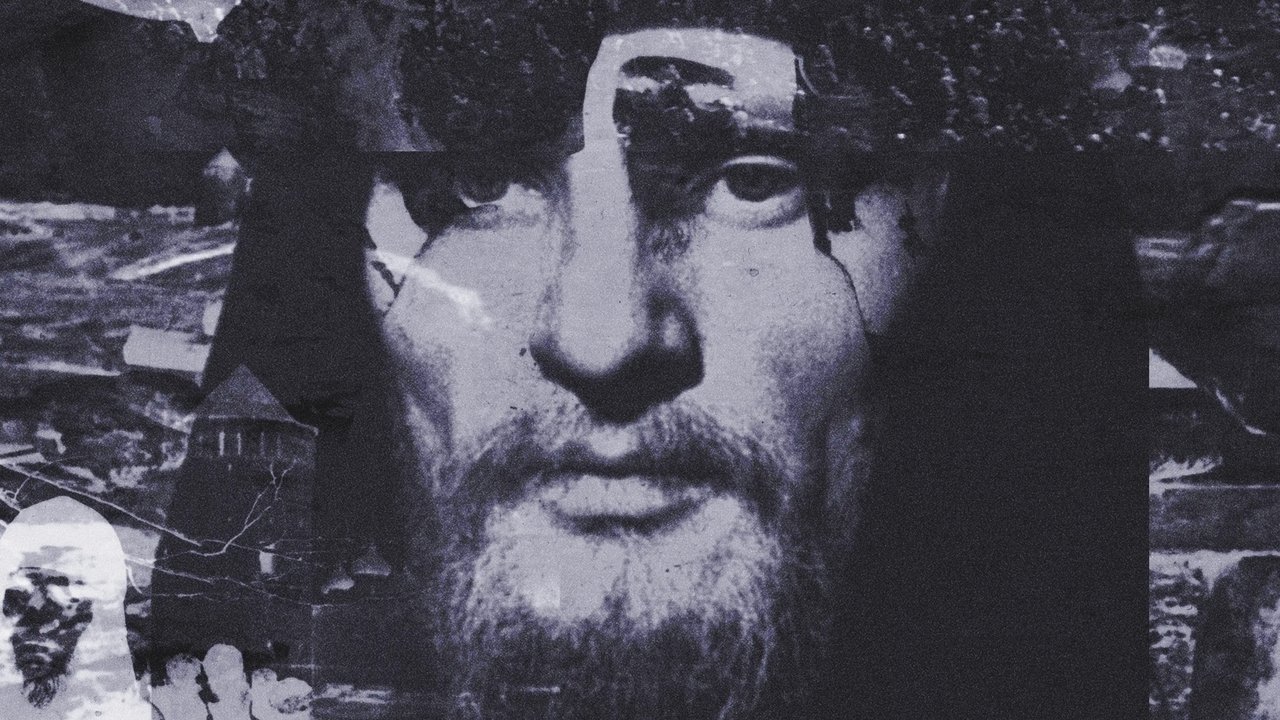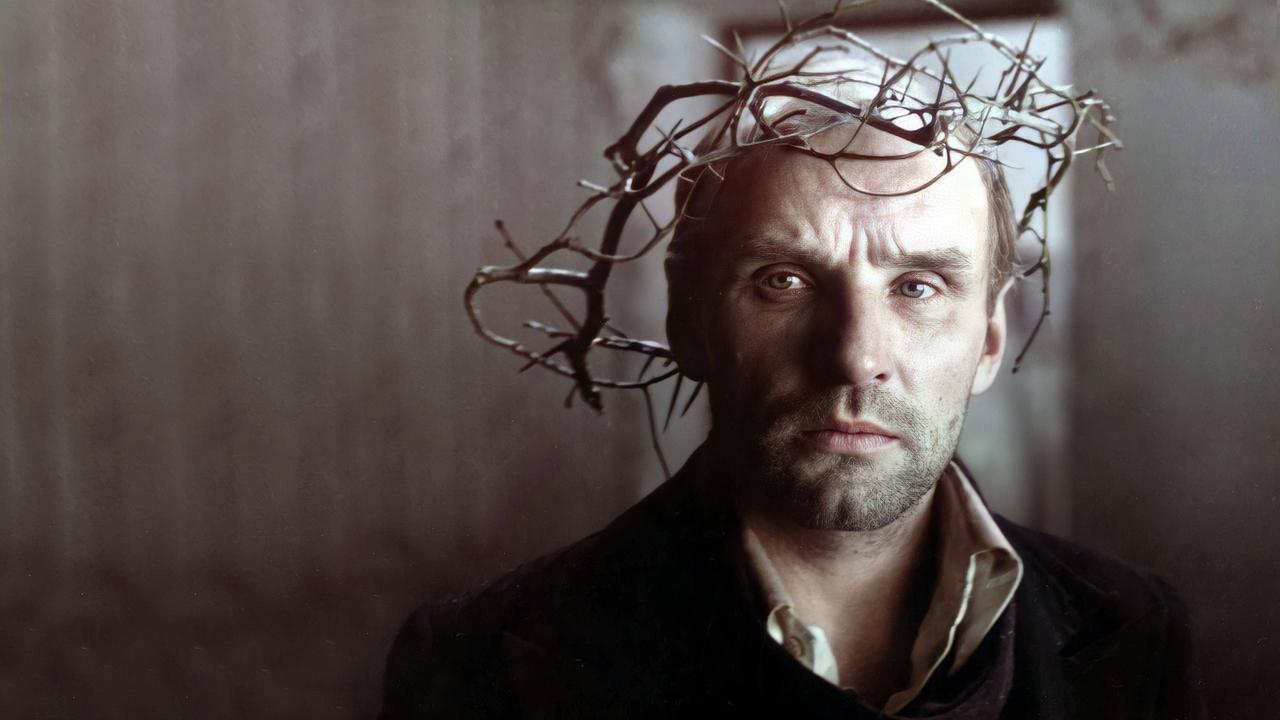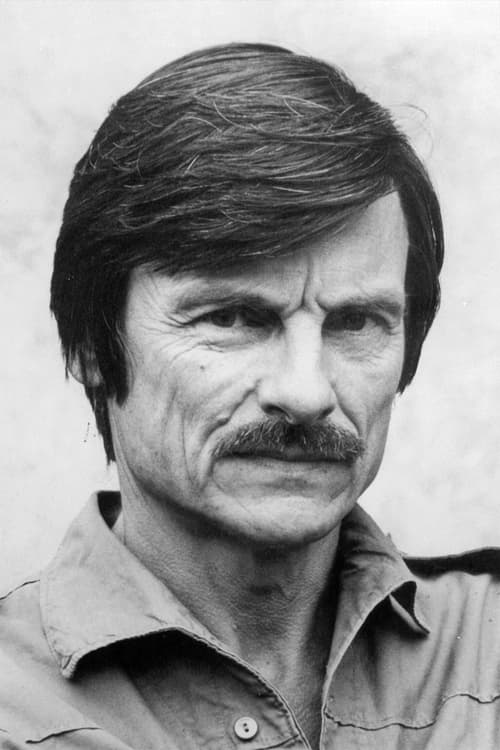
Russia · 1932–1986
Andrei Tarkovsky
He chose to hold a shot past the point where the viewer's patience runs out.
“The allotted function of art is not, as is often assumed, to put across ideas, to propagate thoughts, to serve as example.”
Sculpting in Time / Mühürlenmiş Zaman (1986)
The Poet of Cinema
Andrei Tarkovsky made only seven feature films. With those seven he left the deepest mark in the history of cinema.
Working in the Soviet Union, under censorship and ideological pressure, he never once made the films the state wanted. Every film was a refusal — quiet, heavy, unbreakable.
For Tarkovsky cinema was the art of sculpting in time. The camera did not move — it watched. It rained because it had to rain. Time flowed because time dissolves everything.
Stalker, Andrei Rublev, Solaris — these films do not let go of you once you have seen them. Because Tarkovsky does not answer. He leaves the question open. And that open question goes on living in the mind for years.
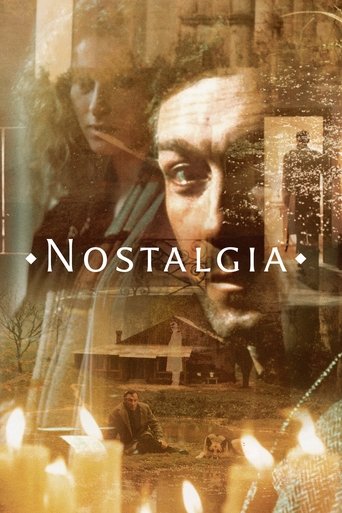
He died in exile in Paris in 1986. **But in his Zone, in the house left under water, in the trembling light of a burning candle — he is still alive.**
THE WORLD OF Andrei Tarkovsky
For Tarkovsky cinema is the carving of time. His shots lengthen because he is in no hurry; he finds a falling drop, the wind crossing a field, water running down a wet wall worth watching. Plot barely interests him — what concerns him is the moment itself, how the soul comes into contact with time. A Tarkovsky film is not something you watch but something you live inside; it runs like memory rather than like a clock. Few films repay patience as generously as his.
Water, fire, earth and dream are his unchanging vocabulary. He moves between faith and doubt, matter and spirit, memory and the present, because Tarkovsky sees cinema not as an art but as a form of prayer. Wrestling with Soviet censorship, dying in exile, he left behind seven films without conceding anything — and those seven are the strongest proof that cinema can be spiritual. Whoever watches him leaves the film looking at the world a little more slowly, a little more deeply.
Where to start
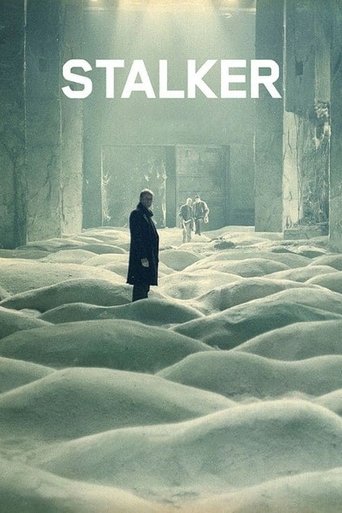
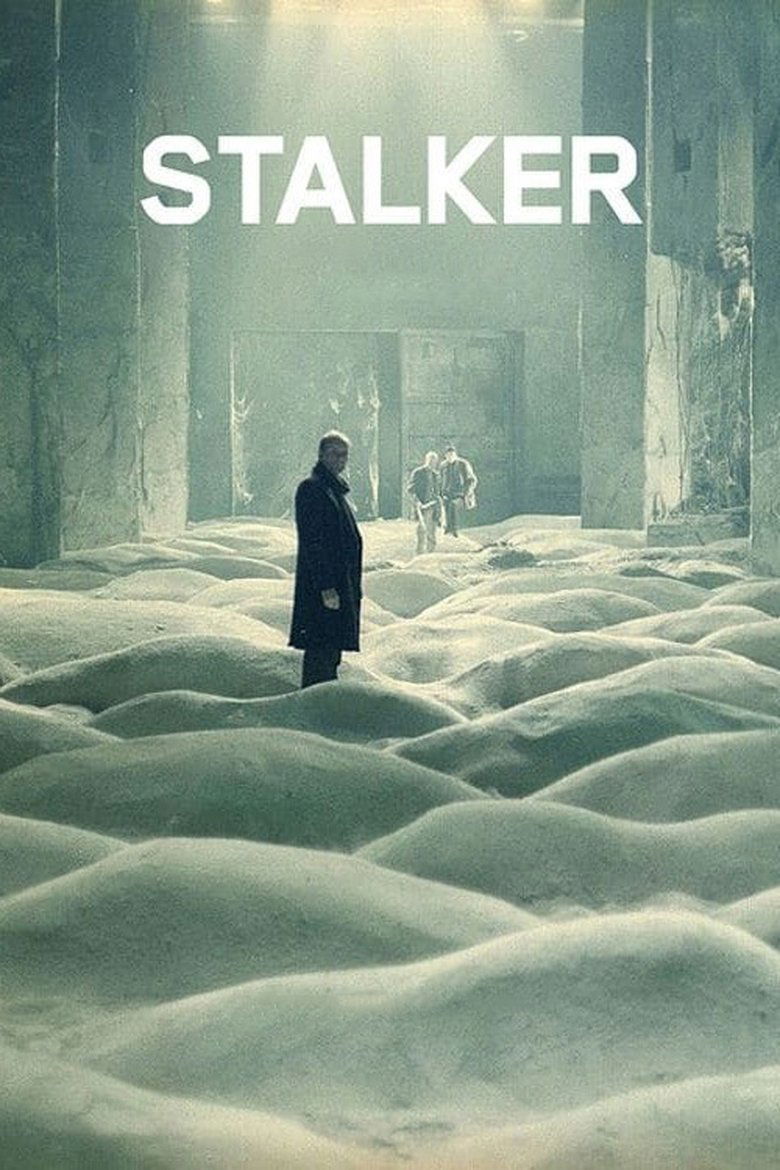 Stalker 1979
Zona'ya giriş. Sinema tarihinin en uzun ve en derin yolculuğu.
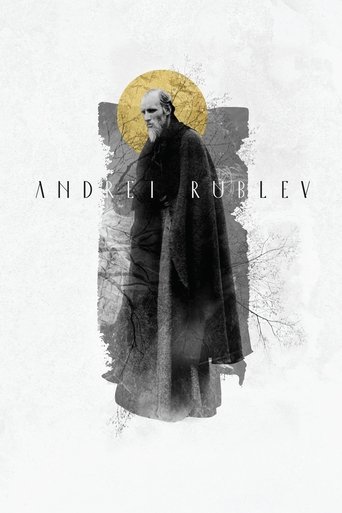
 Andrei Rublev 1966
Bir ikonacının hayatı üzerinden Rusya tarihi.
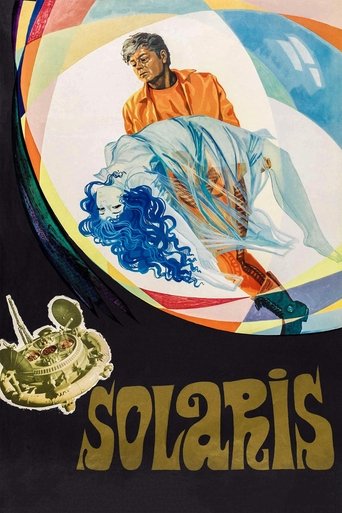
 Solaris 1972
Uzay filmi değil, hafıza ve kayıp filmi.
 Mirror 1975
Tarkovsky'nin en kişisel filmi. Otobiyografik, şiirsel.
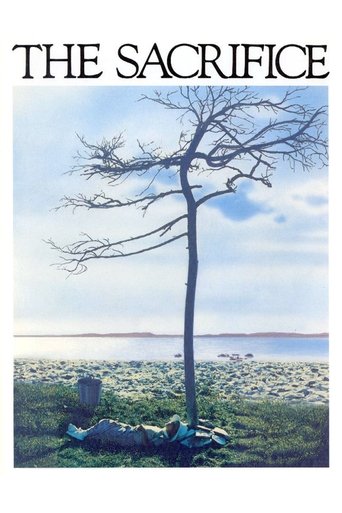
 The Sacrifice 1986
Son film. Bir vedanın güzelliği.




Awards
- Venice Film Festival · 1962 · won · Ivan's Childhood
Interviews
- Documentary