Country room
Russia
The state paid for the film, then hid it.
If nobody sees a film for twenty years after it is shot, when was it made?
The Soviet Union gave cinema the most generous budget in the world.
And applied the harshest censorship.
At the start of the twentieth century, just after a revolution, something happened that had happened nowhere else: a state declared cinema the most important art.
It paid, founded schools, opened studios. Young directors were making their own films in their twenties. Eisenstein was twenty-seven when he made Potemkin.
The same state was the censor.
Those two sentences explain the whole of Russian cinema. There was money, there was opportunity, there was equipment — and when it was finished the film could be put in a room.
Askoldov finished The Commissar in 1967. It sat on the shelf for twenty years and he never made another. German's Trial on the Road waited fifteen. Muratova's films were banned and she worked as a librarian.
Read more
There are a hundred and thirteen films in this room, and some of them have two dates: the year of the shoot and the year it could be seen. Sometimes twenty years lie between.
Those twenty years are not a loss but a fact. To understand the films you have to know both.
In 1991 the state dissolved and the censorship ended. So did the money.
Russian cinema of the nineties is almost absent — studios closed, directors could not find work. Then in the two thousands it began again, this time on private money.
Today the censorship is back. In a different form, but back.
The Chain
Battleship Potemkin
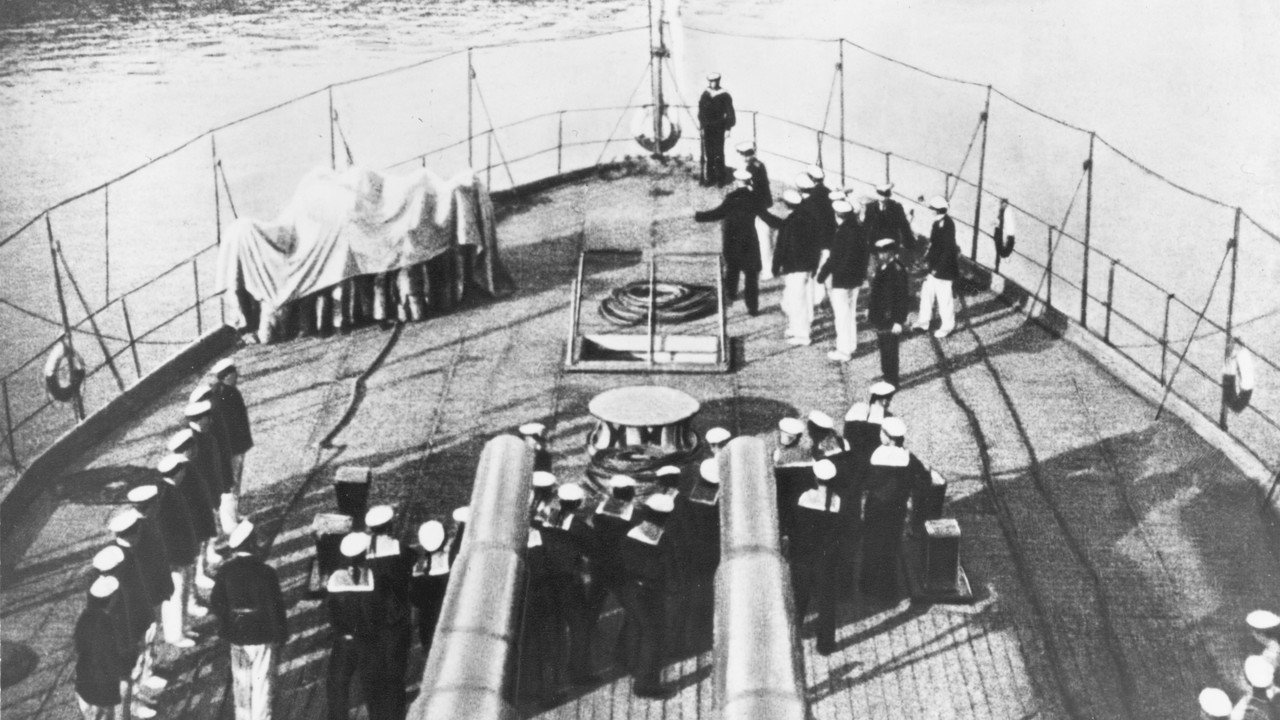
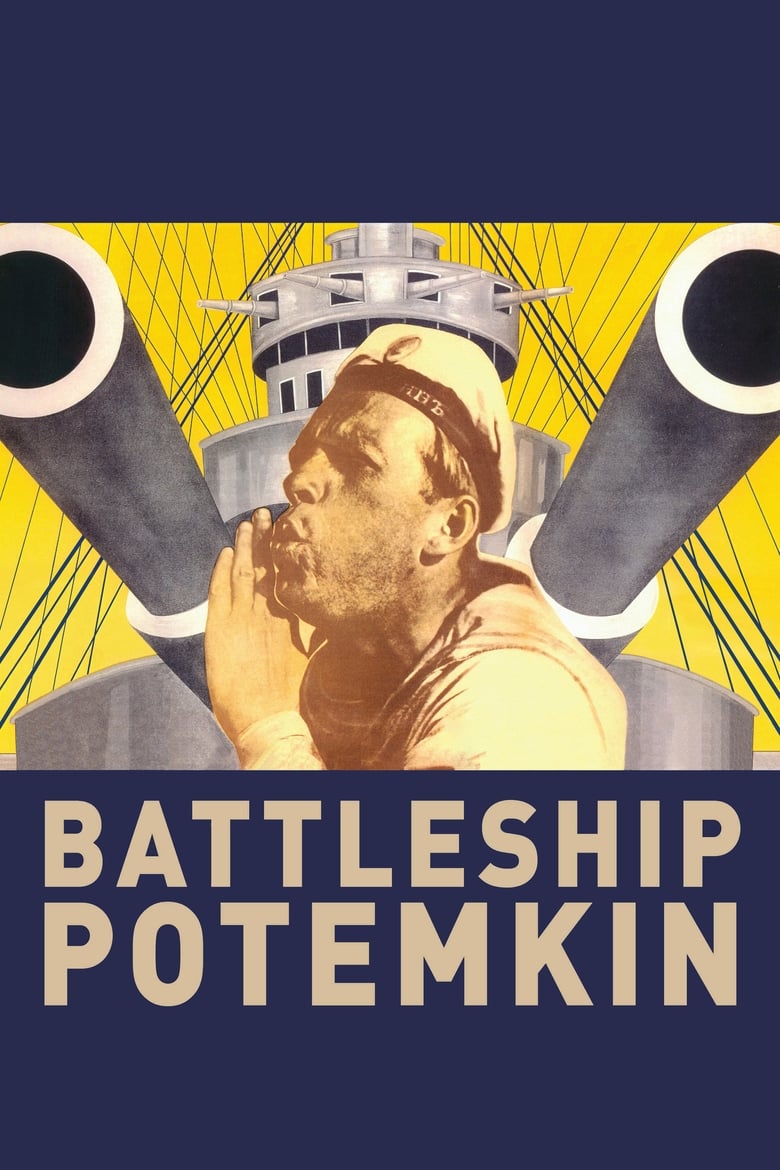
The scene on the Odessa steps never happened. Eisenstein invented it, and it came to be remembered as a real event — cinema rewriting history begins here.

Man with a Movie Camera
No script, no actors, no intertitles. Vertov announces this at the start and keeps his word for sixty-eight minutes.

Earth
A tractor arrives and the village changes. Dovzhenko made it to praise collectivisation, but it lingers so long on death, on fruit, on soil, that the propaganda falls away and the poetry stays.

The Cranes Are Flying
Made four years after Stalin's death, it speaks not of wartime heroism but of a woman's grief. It won the Palme d'Or at Cannes — the only Palme Soviet cinema received.
I Am Cuba
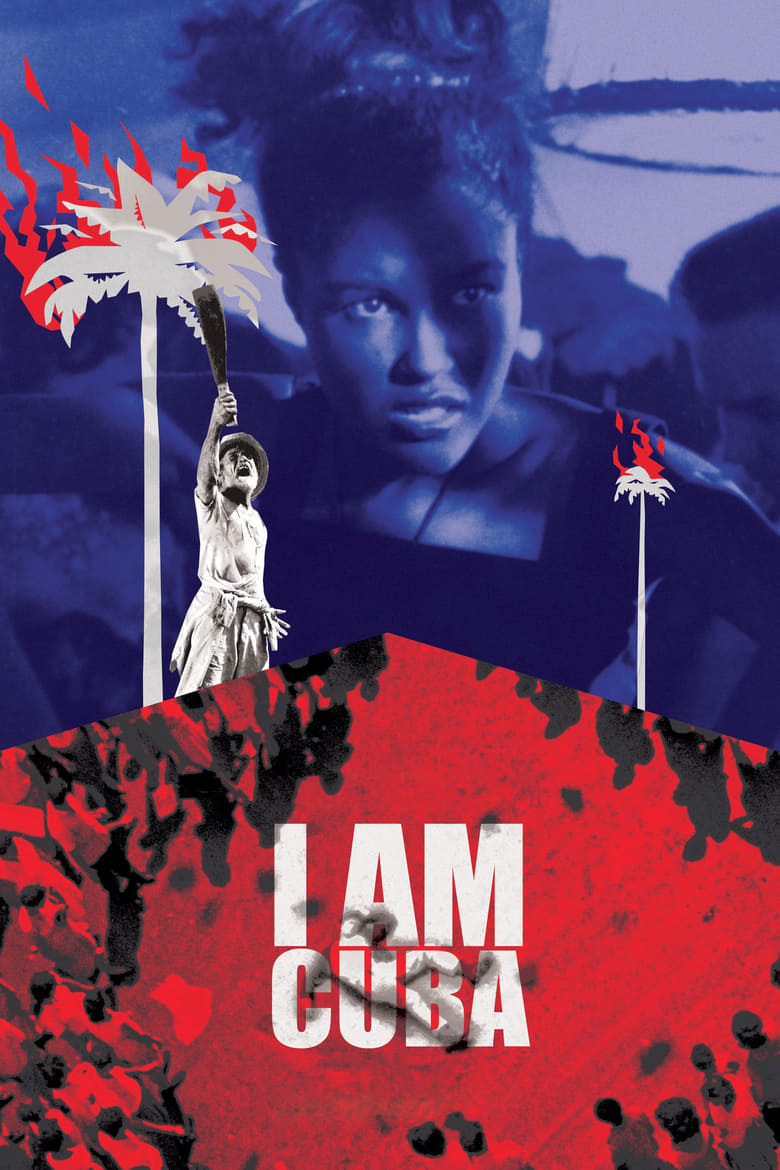
Kalatozov went to Cuba and made a revolution film. The Soviets did not like it, the Cubans did not like it, and it disappeared for thirty years. Then Scorsese and Coppola found it and put it back in circulation.

Shadows of Forgotten Ancestors
A Hutsul village in the Carpathians, its own language, its own dress, its own rites. Paradjanov left Soviet realism and never returned to it — and paid for that.

Andrei Rublev
A fifteenth-century icon painter losing his faith. The film went unshown for five years; a cut version was screened at Cannes in the small hours of the morning and won a prize there.

The Commissar
A Red Army commissar becomes pregnant and gives birth in the home of a Jewish family. The film was banned, attempts were made to destroy the prints, Askoldov was expelled from the party and never made another film. A copy surfaced in 1987.

The Color of Pomegranates
The life of the eighteenth-century Armenian bard Sayat-Nova — but there is no narrative, only tableaux. Every frame still and symmetrical. Four years after the film Paradjanov went to prison.

Mirror
Tarkovski filmed his own childhood, his mother, his dreams. No sequence, no events. Soviet distributors gave it "third category" — fewest prints, fewest cinemas.

The Ascent
Two partisans walk through snow and one of them betrays. It won the Golden Bear at Berlin. Two years later Shepitko died in a car crash, aged forty-one.
Stalker
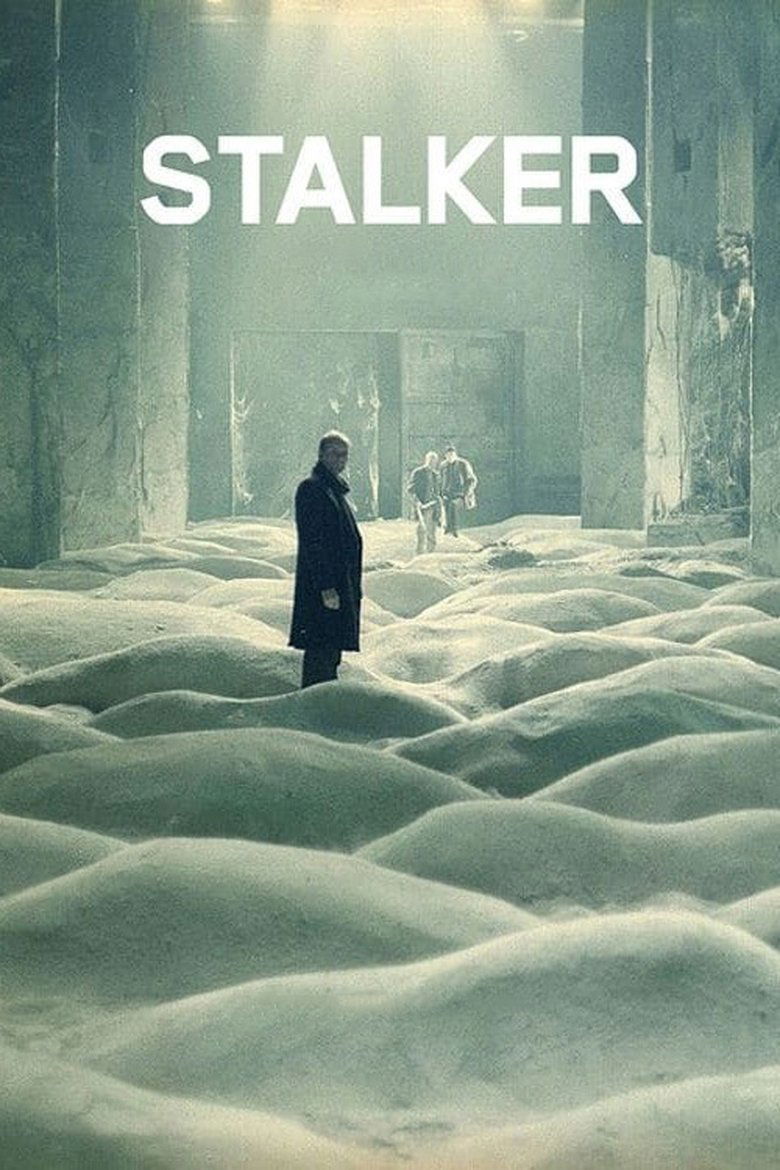
The film was shot twice. The entire negative of the first shoot was ruined at the laboratory and Tarkovski began again from nothing. The cinematographer changed, the script changed, and it became a different film.
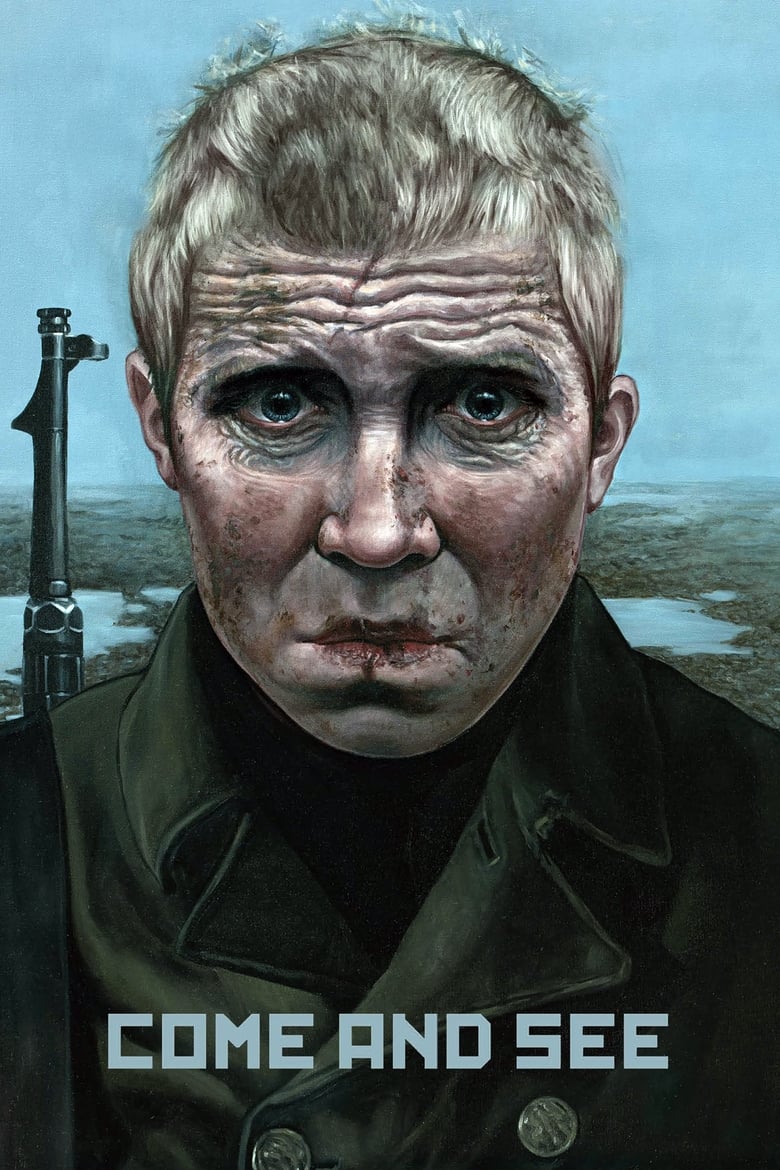
Come and See
A boy joins the partisans and for two hours his face changes. Klimov wrote the script in 1977 and waited eight years for permission. It was his last film — he never made another.

Repentance
A small-town mayor dies and every night his body is dug up. Shot in 1984, it waited three years, was released when glasnost came, and millions in the Soviet Union saw it.

The Return
After twelve years away a father comes home and takes his two sons on a journey. It won the Golden Lion at Venice. The boy who played one of the sons drowned before the release.

Leviathan
A town hall seizes a man's house and the law is of no use at all. The film was made with state money, and on release the culture minister criticised it.