Kazakhstan
Darezhan Omirbaev
Hands, feet, doors — the face comes last.
Omirbaev came to cinema from mathematics, and the films carry that discipline. Nothing is surplus: a scene lasts as long as it has to, a shot shows what it came to show and ends.
He looks at the detail instead of the face. A hand, a shoe, a door handle, a roll of banknotes. He doesn't tell you what the character feels; he shows what they do and leaves the rest to you. The comparison with Bresson comes from here, and Omirbaev makes it himself.
His actors are mostly not professionals. Even when he uses professionals he films them like ordinary people — he doesn't let them act.
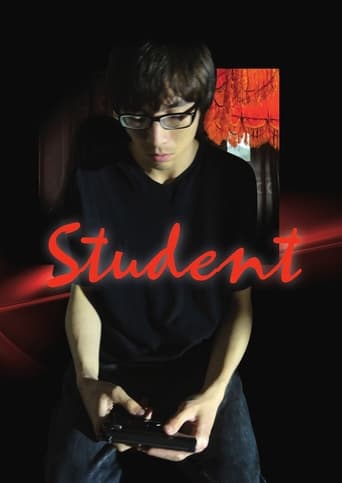
The stories often come from Russian literature but are carried to Kazakhstan. A Tolstoy story becomes a driver's debt, a Dostoevsky novel becomes a student with no money. The classic text isn't ornament; it's a tool for describing the present.
- CameraShots of detail — hand, foot, object; the face is withheld.
- SoundSilence and everyday noise, with almost no score.
- SignatureThe classic novel carried into present-day poverty.
Where to start