Country room
Kazakhstan
All three of the Soviet-period films in this room are in Russian. The twenty-nine films made after independence are in Kazakh — here a country's independence appears first as a decision about language. Yet in those same thirty-nine films there is not one woman director.
In which language does a country tell its independence?
1985 → 2024
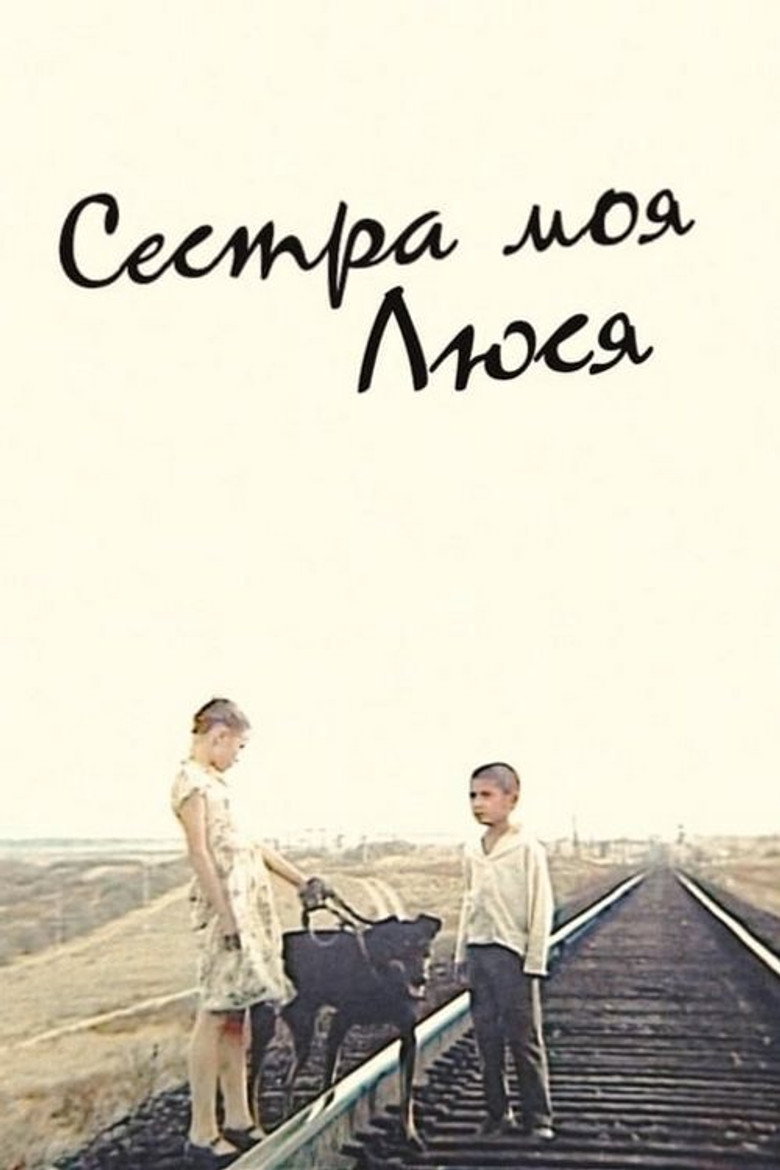
My Sister Lucy
A provincial town in the fifties and two young women who want to go to the city. Shinarbayev studied in Moscow and made his first film in Russian — in those years there was no other option. Four years later the best-known rock musician in the Soviet Union takes the lead in a Kazakh film.

The Needle
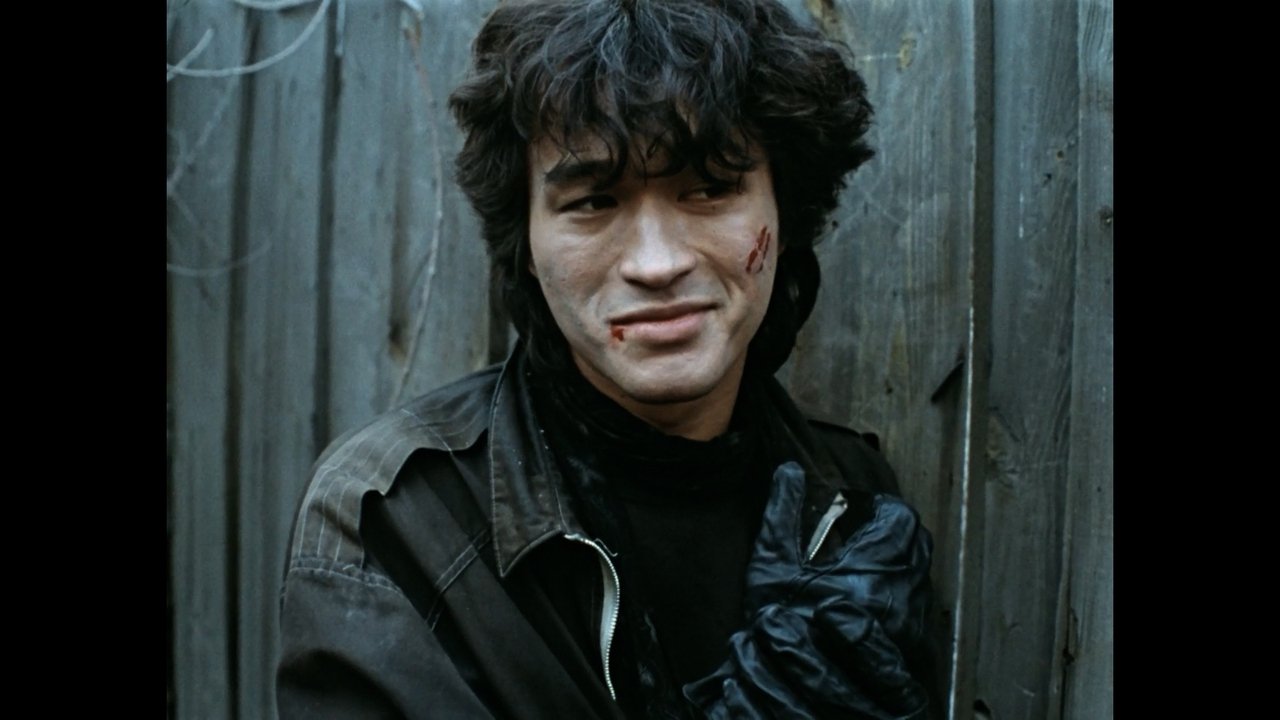
Moro returns to the city and finds his former lover addicted to morphine. With Viktor Tsoi in the lead, the film reached millions in the union's final years and carried Kazakh cinema to the centre for the first time. The next year a story of revenge is handed down through generations.
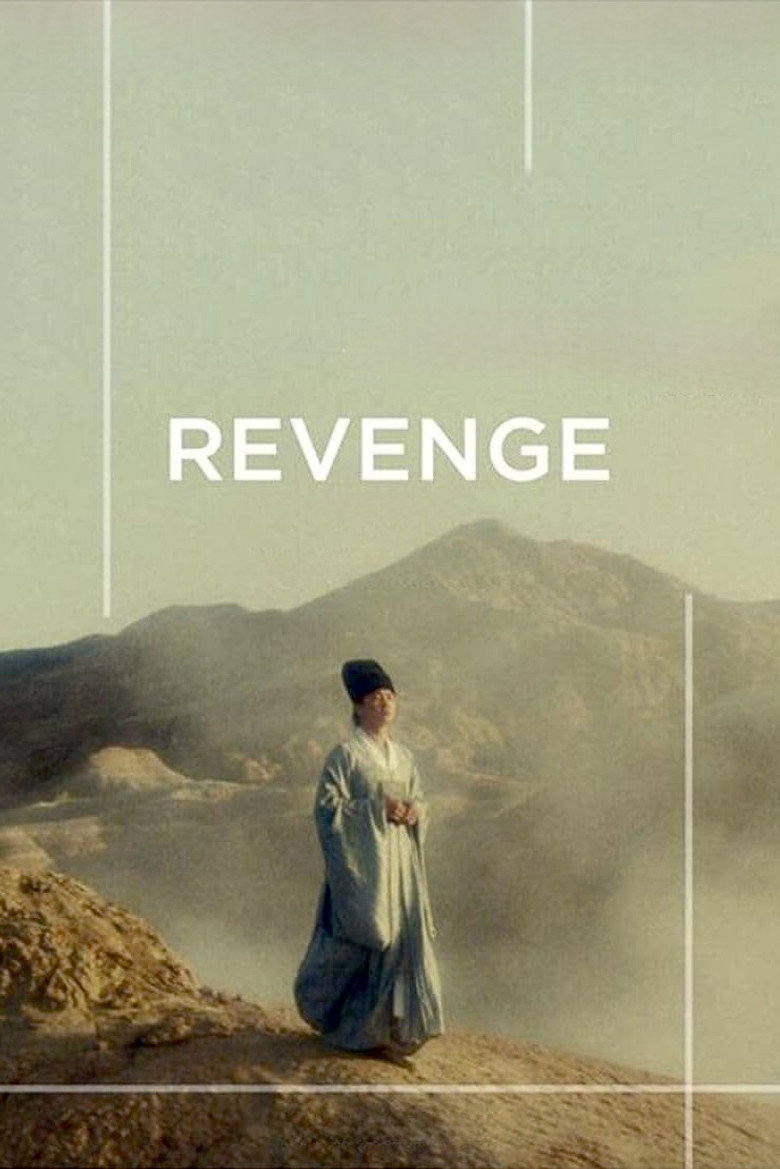
Revenge
The story of a family of Korean origin became a record of a people deported into Soviet Kazakhstan. This is the chain's last link made in Russian. The next year the country declares independence and its cinema changes language.
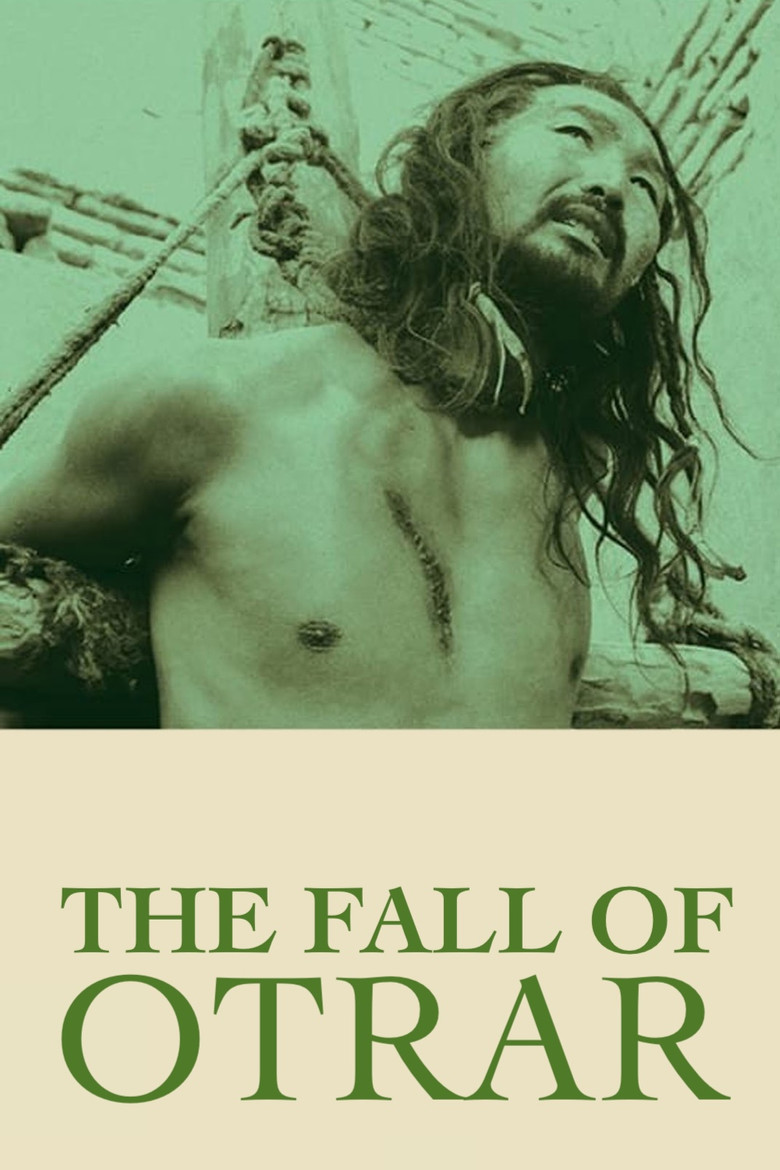
The Fall of Otrar
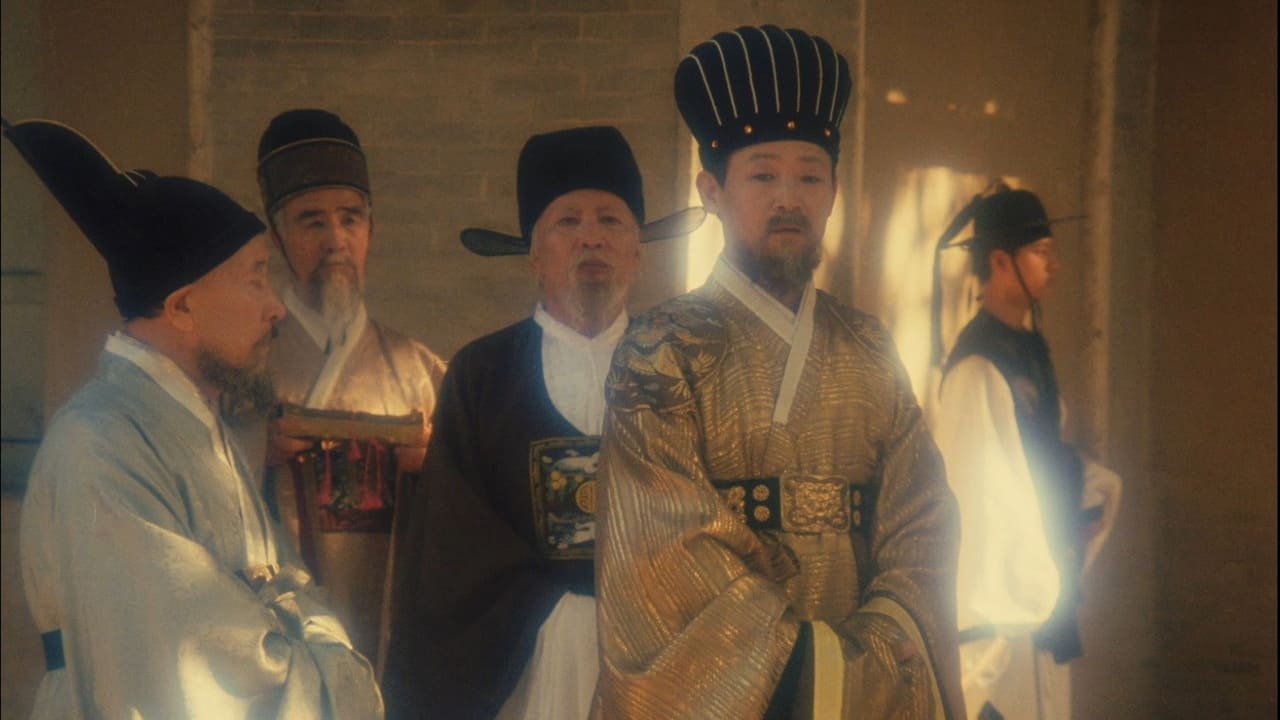
The thirteenth century, the Mongol invasion, and a city about to fall. Made in the year independence was declared, it began the country's attempt to write itself a past — the first film in Kazakh in this chain. The next year a young man from the provinces spends a year in Almaty and gains nothing.
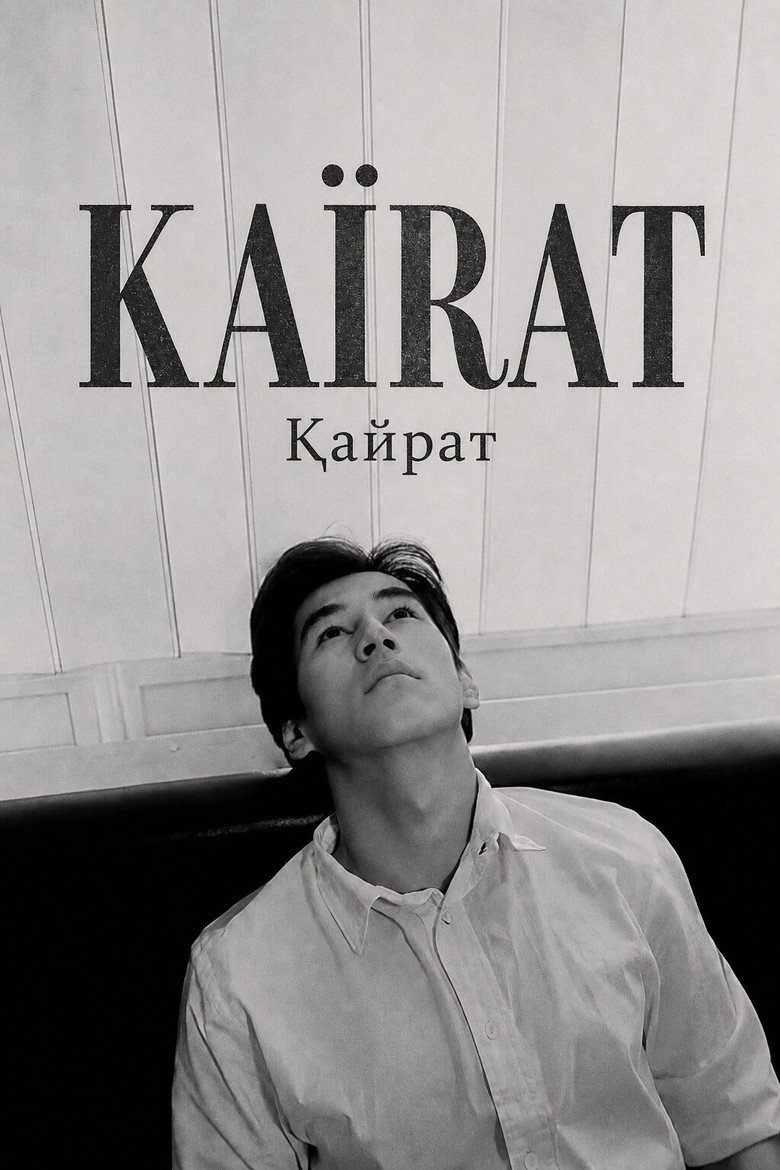
Kairat
Kairat barely speaks and the film does not explain him. Here Omirbaev established the form of independent Kazakh cinema — long takes, little dialogue, absence of event. Five years later a director returns to the village where he was born and films there.

Aksuat
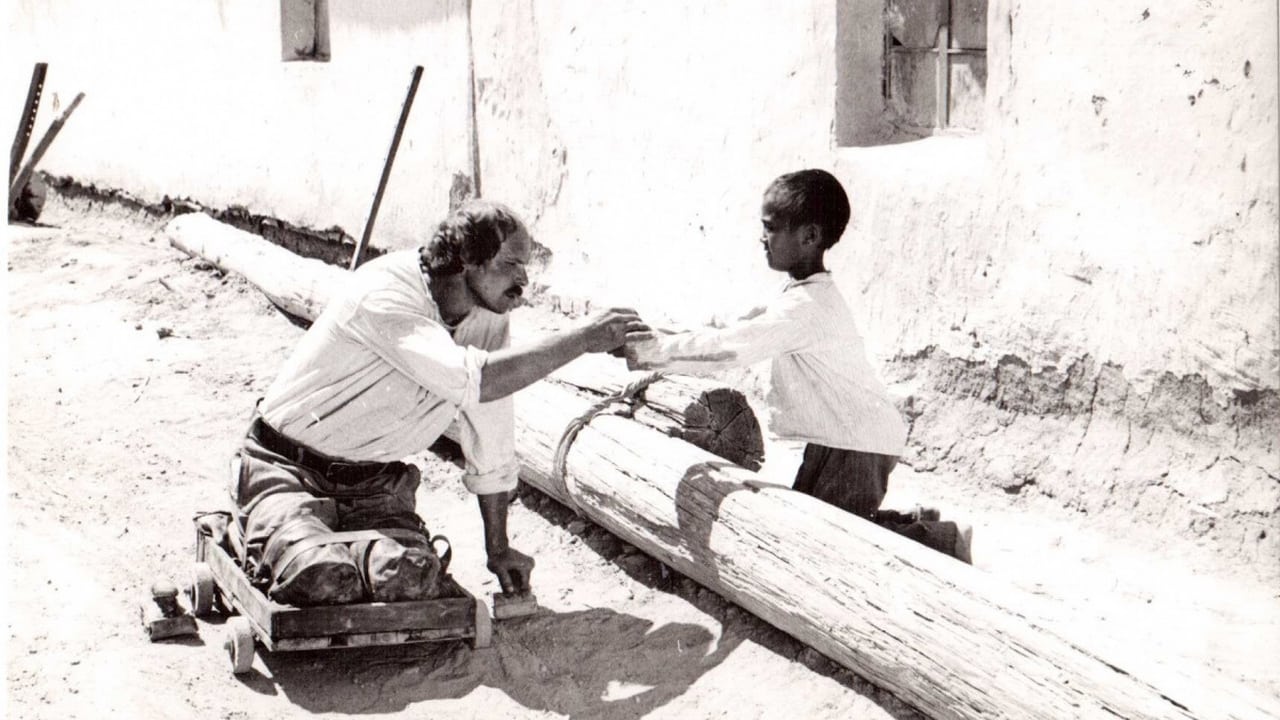
Two brothers, a village, and a woman arriving from the city. The film took its name from a real village, and most of the cast were from there. Two years later an accident puts a man into a debt he cannot pay.
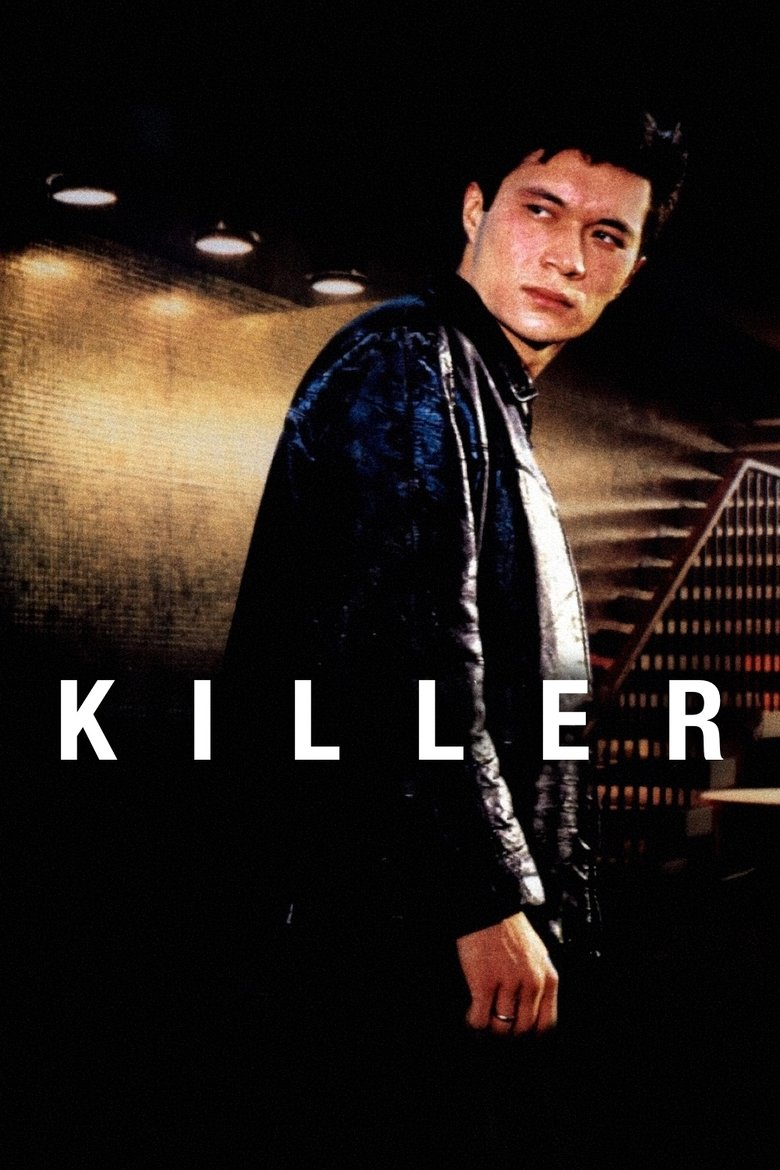
Killer
Marat's car has an accident, compensation is demanded, and what he must do to pay it becomes steadily clearer. It took the Un Certain Regard prize at Cannes — Omirbaev's first time there. Five years later a hunter in the mountains teaches a boy something without saying anything.
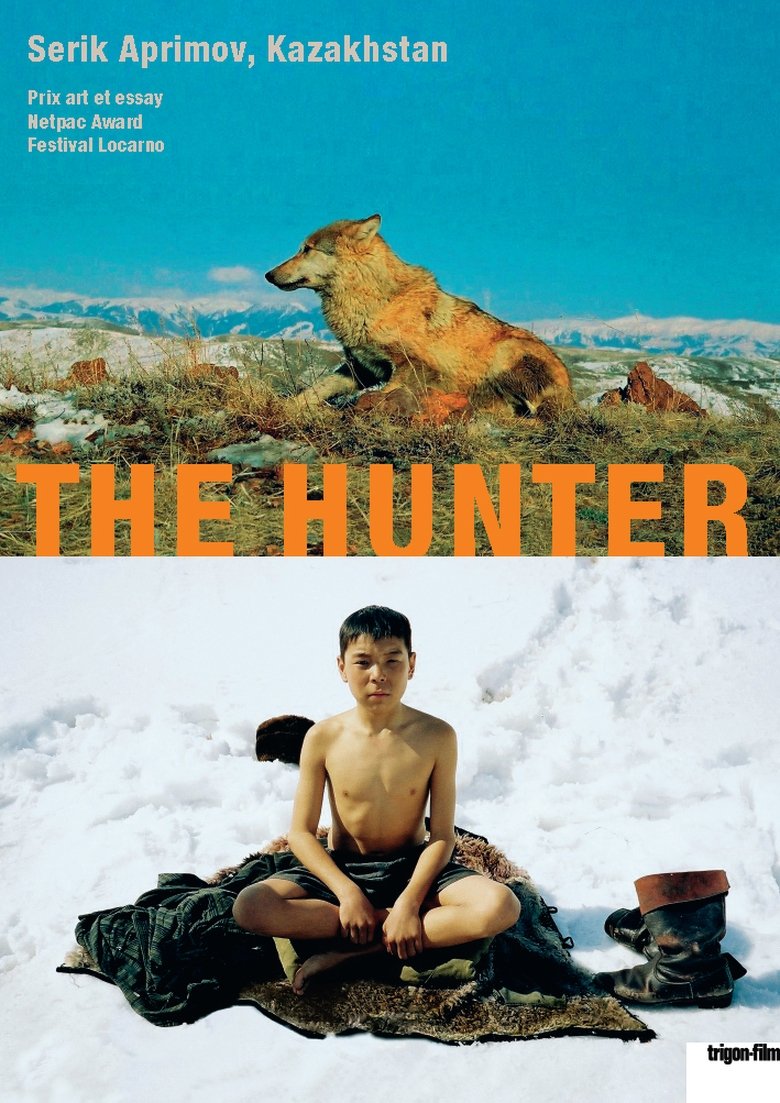
The Hunter
Nobody tells him who his father was. Aprimov films the steppe as a place of learning, and what is taught is never put into words. Five years later a shepherd must marry and the only girl on the steppe is kilometres away.
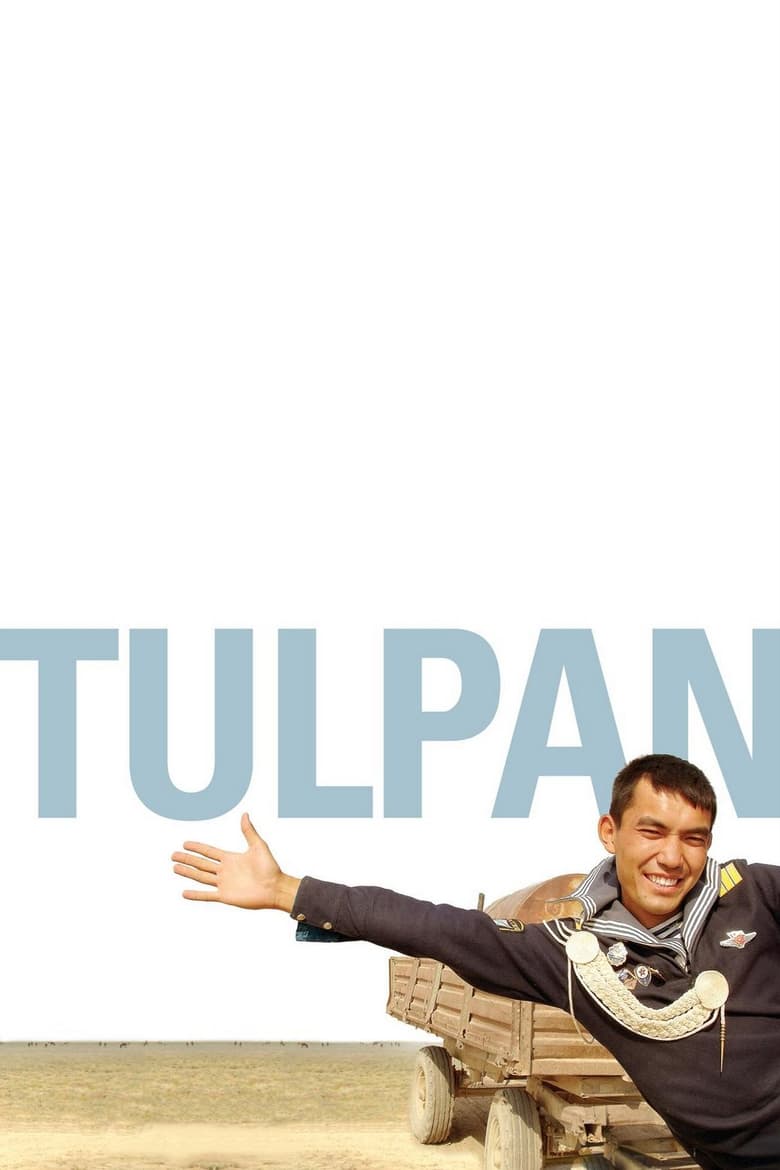
Tulpan
Asa is refused because his ears are too big and so cannot become a shepherd. Dvortsevoy came from documentary and won the Un Certain Regard prize at Cannes. Three years later Dostoyevsky's student is carried into contemporary Almaty.
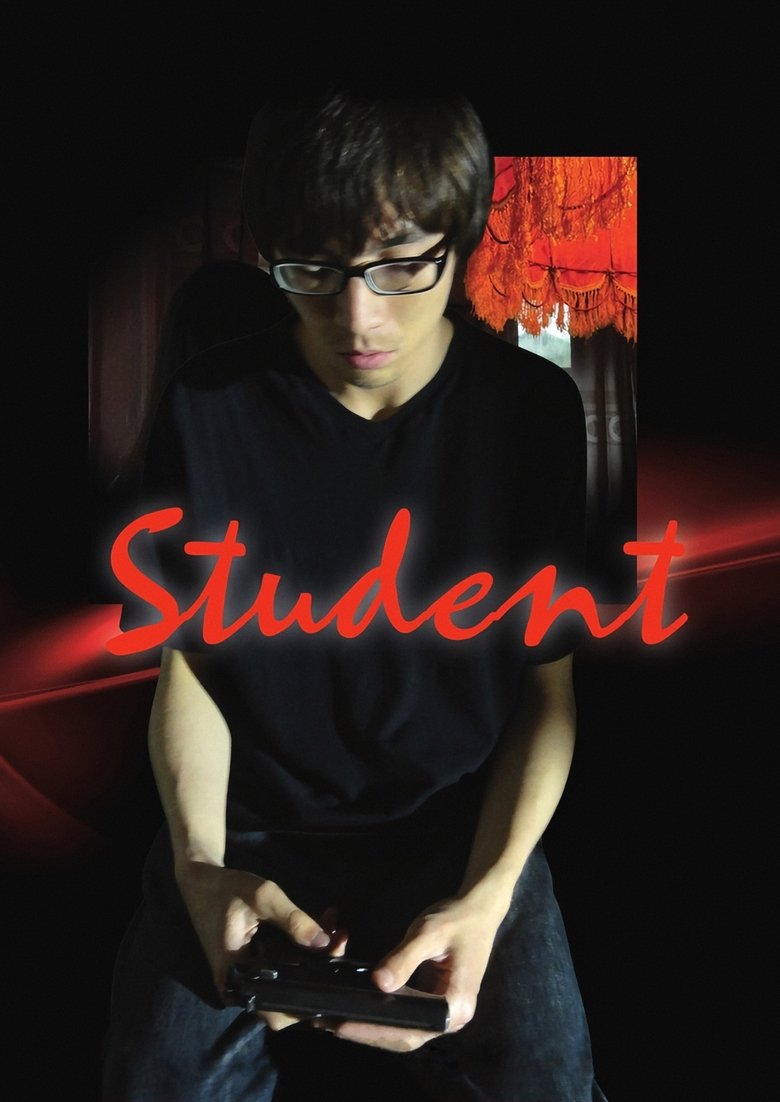
Student
A university, a shop, and unpaid rent. Even after committing the crime, Omirbaev's student is visible to nobody. The next year a system of extortion runs in a school in front of the adults.
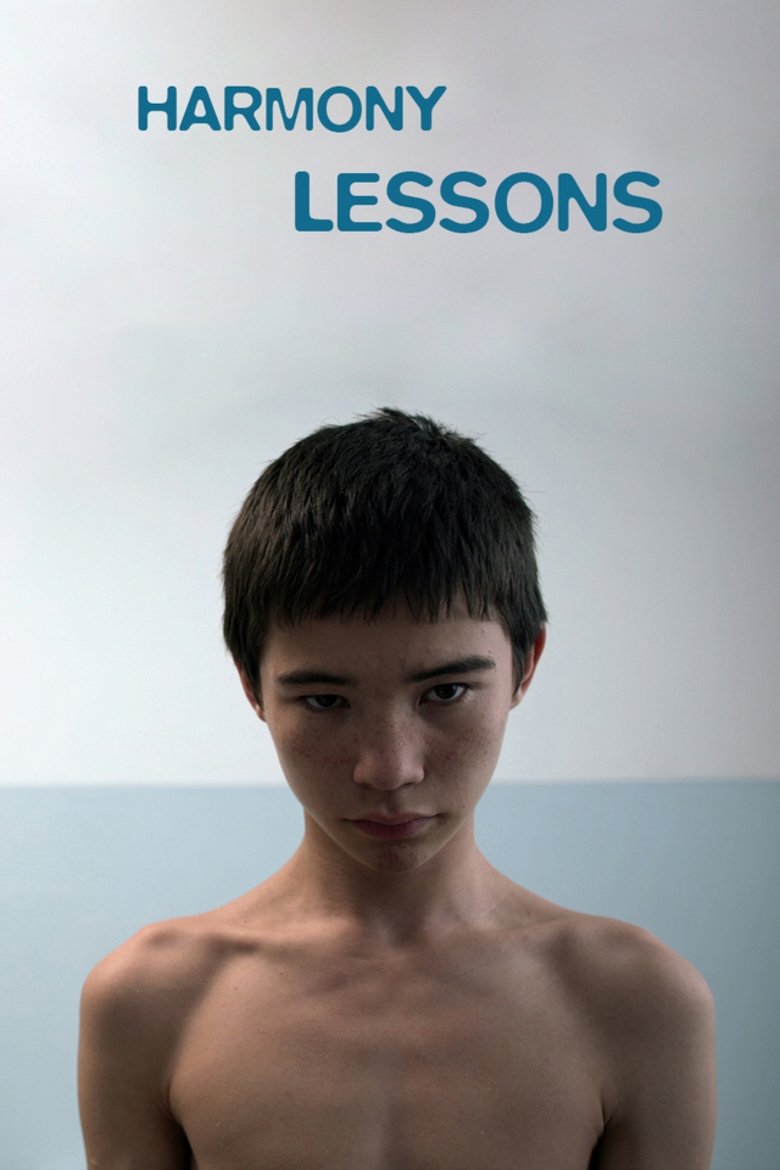
Harmony Lessons
Aslan, thirteen, is humiliated in class and nobody intervenes. With his first film Baigazin won the Silver Bear in Berlin. Three years later the same director tells four separate collapses in the provinces of the nineties.
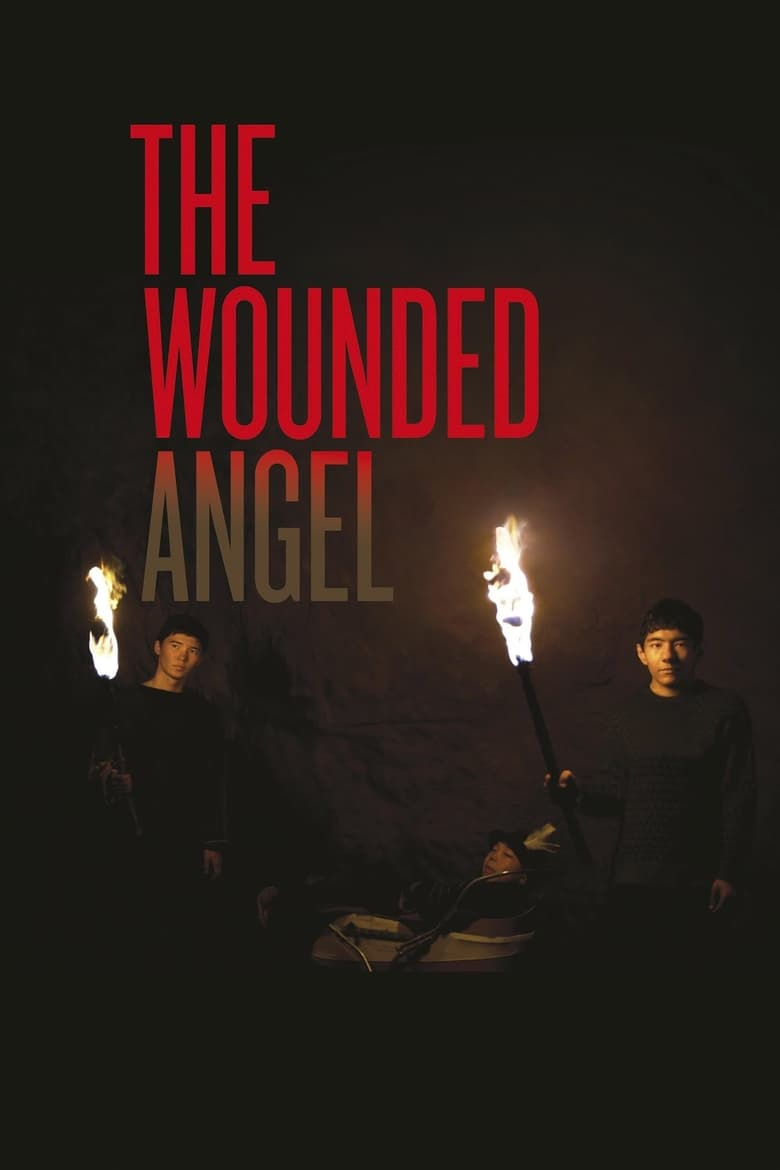
The Wounded Angel
Four boys, the same town, and none of them knows the others. Baigazin showed childhood not as innocence but as a gap left by adults. Two years later a woman runs from the hospital where she gave birth and works illegally in Moscow.
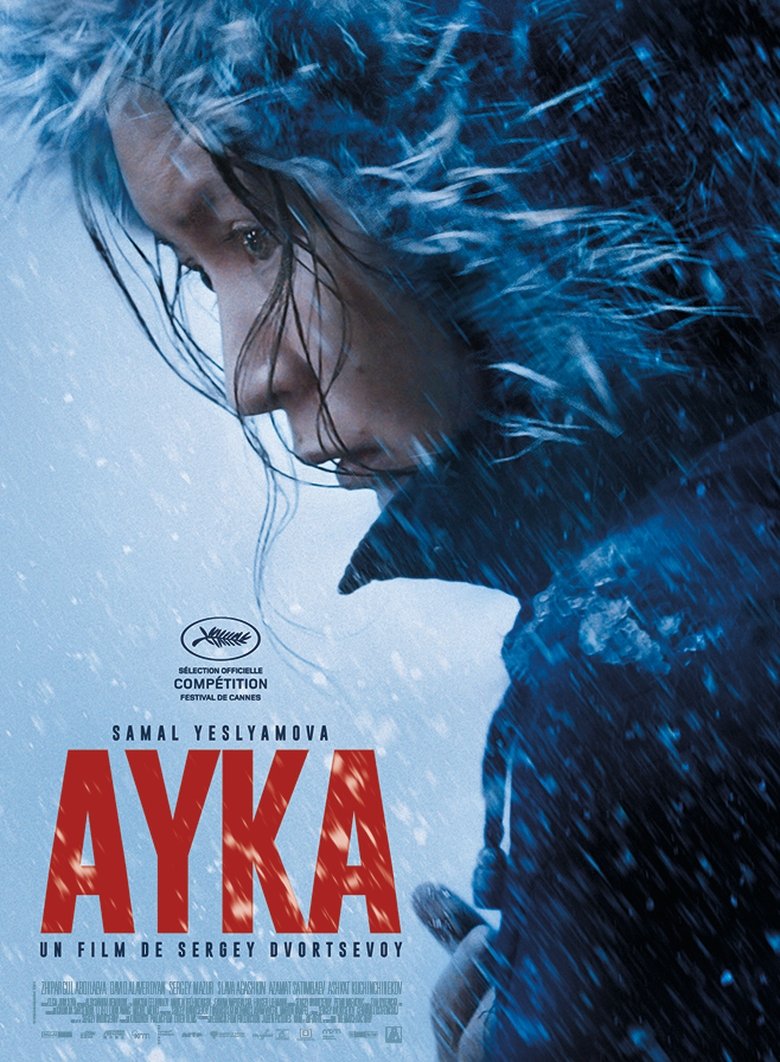
Ayka
Ayka is in debt and does not have a single minute to stop. The film took six years to make and won the best actress prize at Cannes. Two years later a policeman comes to close the case and noir is carried onto the steppe.

A Dark, Dark Man
A murder, a file, and an investigation somebody wants closed. Yerzhanov took every convention of the genre and changed none — the steppe works inside those conventions. Two years later a man begins working for the person who killed his wife.
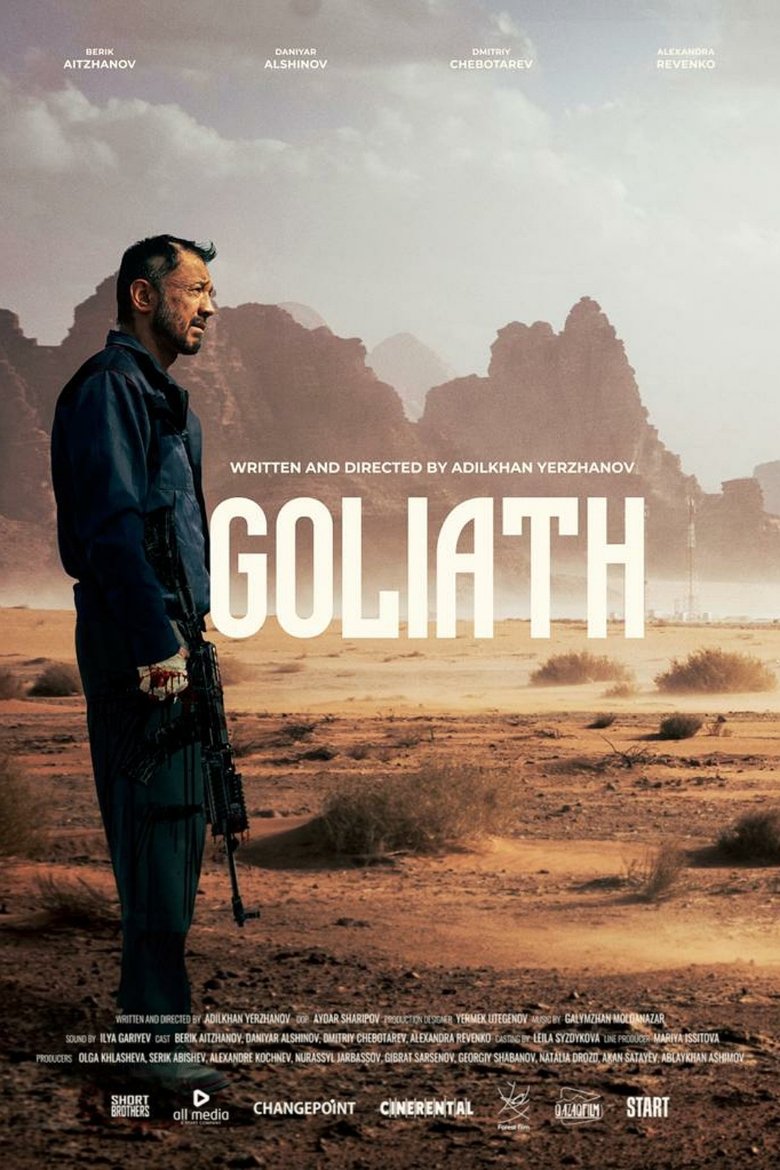
Goliath
Arzu spreads his revenge over years and says nothing throughout them. Yerzhanov reversed the pace of the gangster film. Two years later a woman looks for her son and the man beside her has another purpose.
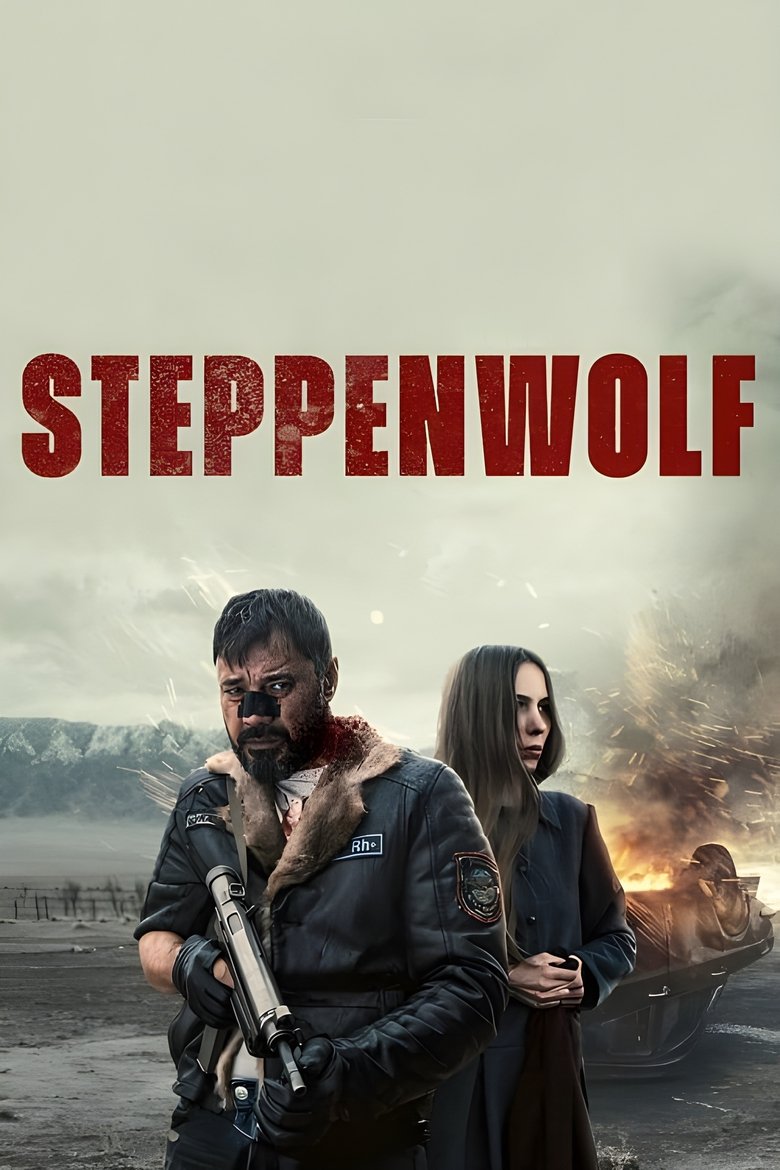
Steppenwolf
Nobody rescues anybody, and on the steppe calling for help is not a thing. The chain began in 1985 with a provincial story in Russian and ends thirty-nine years later in Kazakh — in between, a country changed its language.
Directors in this room