Russia · 1896–1954
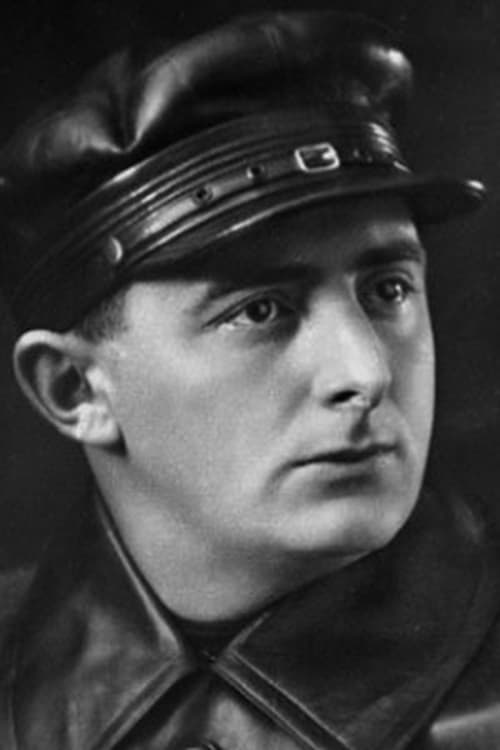
Dziga Vertov
He studied music and psychoneurology and experimented with sound collages; he entered cinema at twenty-two as the editor of a newsreel.
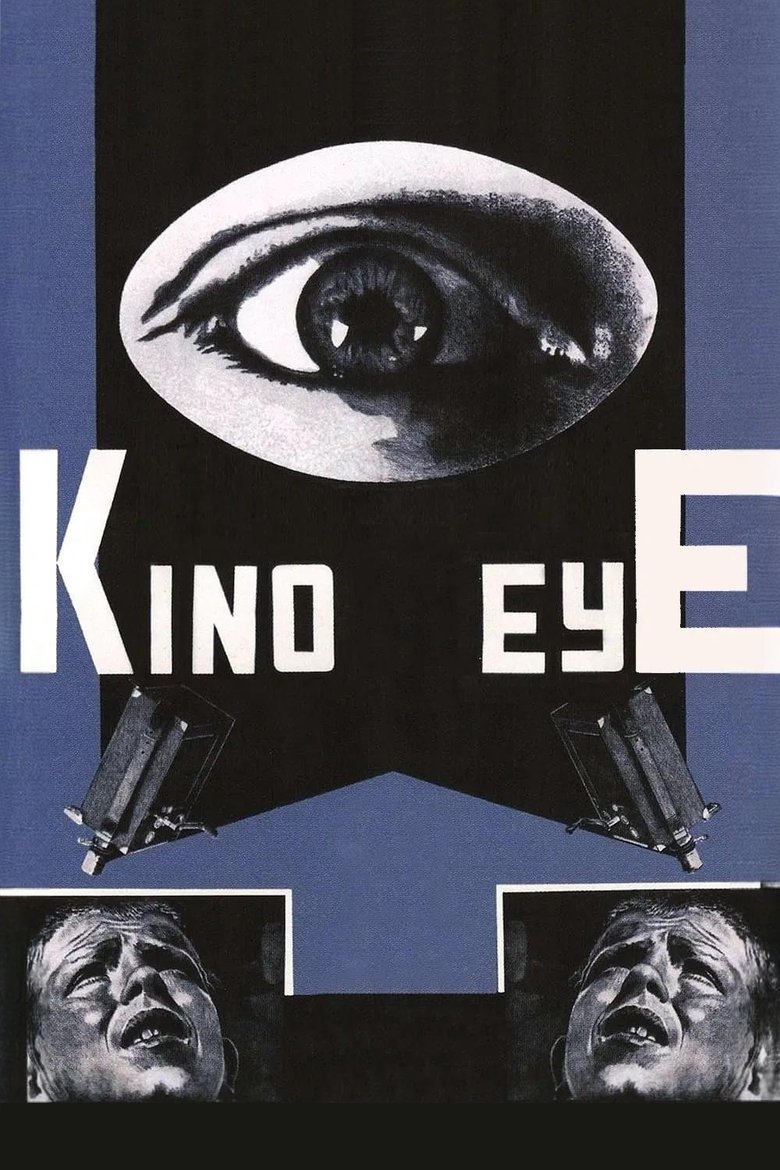
“I am kino-eye, I am a mechanical eye.”
Vertov'un Kinoks: A Revolution manifestosu (1923); Kino-Eye: The Writings of Dziga Vertov derlemesinde.
Vertov rejected fiction. Actors, script, sets; he considered these remnants of an outworn theatre, and held the camera's eye above the human eye. Film, for him, should record life and then reorganise it in the edit.
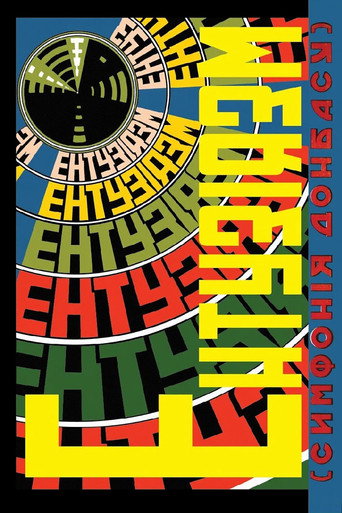
Editing was his real instrument. A day in a city, the working of a factory, a cinema auditorium itself; images join through rhythm and become a symphony. His training in music explains that rhythm.
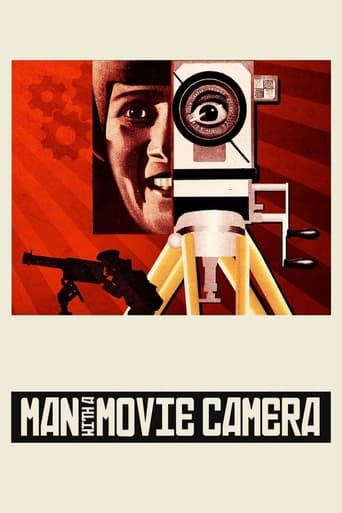
His best-known film shows itself too: the man carrying the camera, the woman working at the editing table, the audience watching the film. How cinema is made becomes part of the film's subject, which is why it is still counted as a starting point for experimental cinema.