
Italy · 1920–1993
Federico Fellini
He refused real locations and had the sea built in a studio; his most convincing scenes came out of plastic.
“A different language is a different vision of life.”
Federico Fellini: Interviews (ed. B. Cardullo, 2006, s.180) — fikrin kökeni daha eskiye dayanır
The Ringmaster of Dreams
Federico Fellini filmed dreams. He wove reality and fantasy so tightly together that it became impossible to say where one ended and the other began.
He was born in Rimini, a small seaside town. When the circus came he would drop everything and run. That circus never left. It surfaces somewhere in every one of his films — clowns, acrobats, people in strange costumes, crowds and noise.
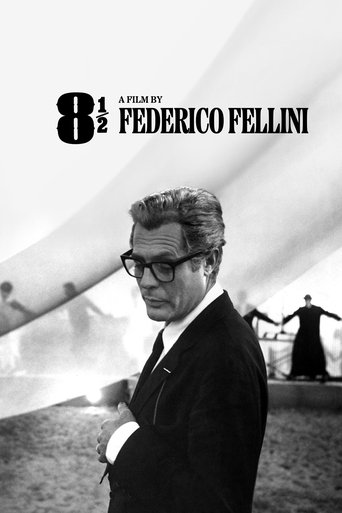
8½ may be the most honest film ever made about cinema. A director does not know what to do, the inspiration has gone, past and imagination have run into one another. Fellini did not hide any of it; he put it on the screen exactly as it was.
His musical partnership with Nino Rota is without equal. Rota's melodies are so worked into Fellini's images that the two can no longer be separated. A Fellini film opens, Rota's notes are heard, and you are already inside that world.
THE WORLD OF Federico Fellini
Fellini films not reality but the dream. In his world there are no borders — memory and fantasy, childhood and the present, the circus and the church all run into each other. Carnival processions, giant women, jesters, monsters rising out of the sea wander across his stage, because for Fellini cinema is the place where the unconscious overflows onto the screen. Trying to understand a Fellini film is pointless — it was not made to be understood but to be felt, like a dream.
He feeds on the Italian provinces, on Catholic guilt, on the enchantment of a world of spectacle. His move from the melancholy realism of the early years to that overflowing, flamboyant, autobiographical carnival is one of the boldest transformations in cinema. Nostalgia and mockery, melancholy and celebration exist at the same time in his hands. If the word Felliniesque became an adjective, this is why: nobody else celebrated life's strange, bittersweet, overblown show with such delight. To watch him is to walk about inside someone else's dream.
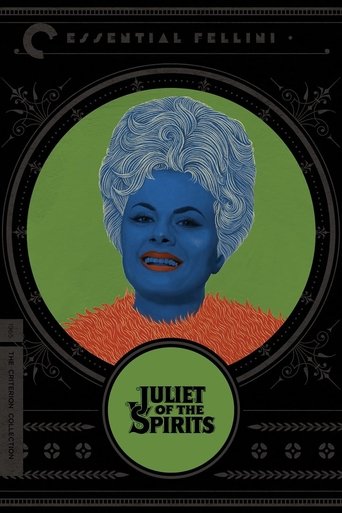
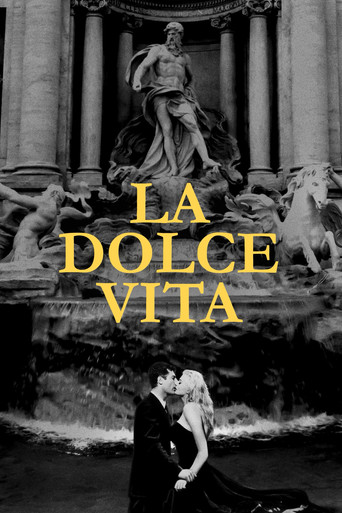
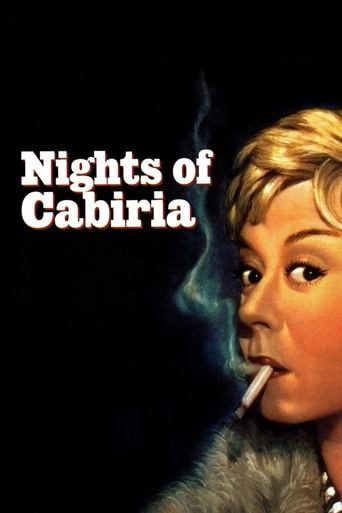
Canon films


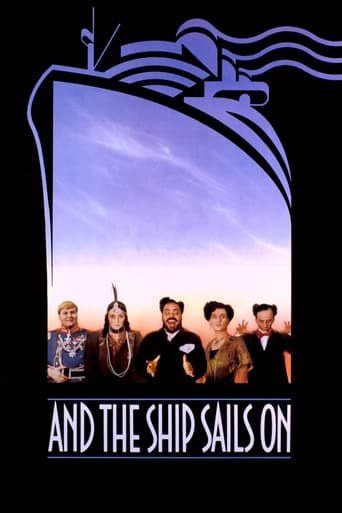
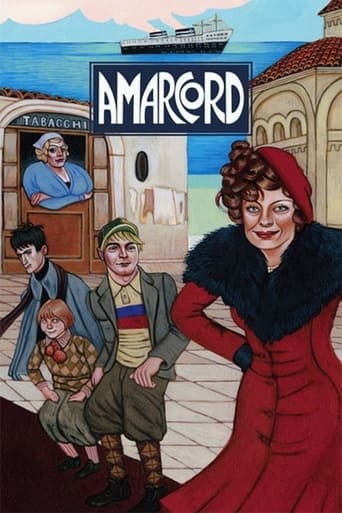
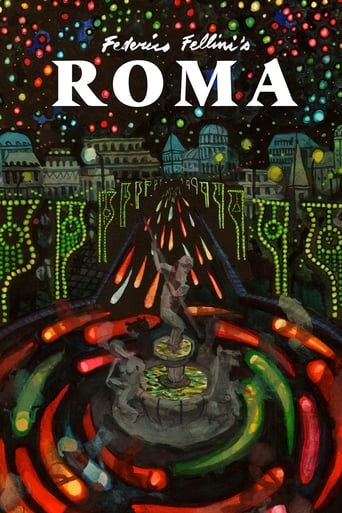
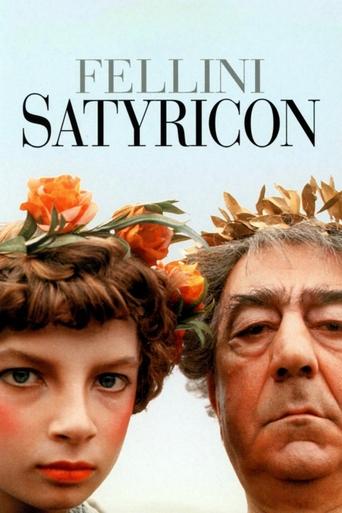
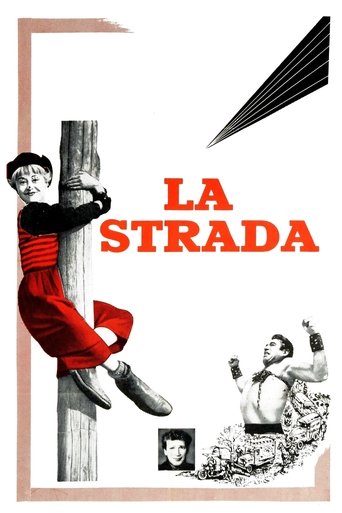
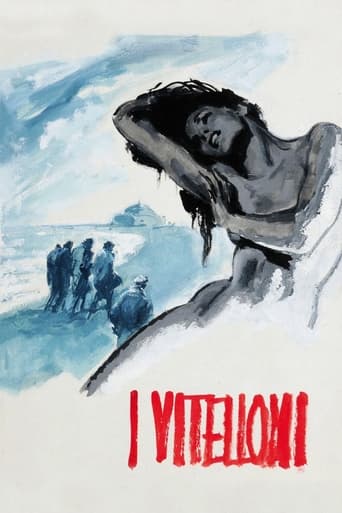

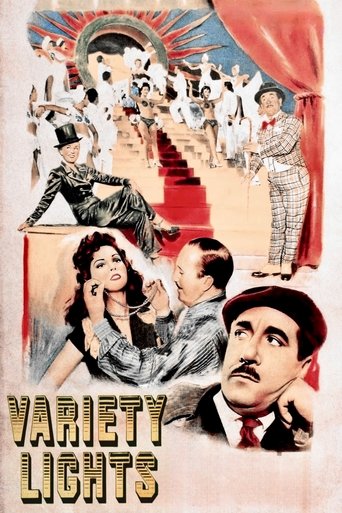
Awards
- Miglior registaDavid di Donatello · 1989 · nominated · La voce della Luna
- Miglior registaDavid di Donatello · 1987 · nominated · Intervista
- Miglior registaDavid di Donatello · 1985 · nominated · Ginger e Fred
- Migliore sceneggiaturaDavid di Donatello · 1985 · nominated · Ginger e Fred
- David di Donatello · 1983 · won · E la nave va
- Miglior registaDavid di Donatello · 1983 · nominated · E la nave va
- Writing (Screenplay – Based on Material from Another Medium)Academy Awards · 1976 · nominated · Fellini's Casanova
- Best DirectingAcademy Awards · 1975 · nominated · Amarcord
See all · 26
- Writing (Original Screenplay)Academy Awards · 1975 · nominated · Amarcord
- Academy Awards · 1974 · won · Amarcord
- David di Donatello · 1973 · won · Amarcord
- Best DirectingAcademy Awards · 1970 · nominated · Fellini Satyricon
- Academy Awards · 1963 · won · 8½
- Best DirectingAcademy Awards · 1963 · nominated · 8½
- Writing (Story and Screenplay – Written Directly for the Screen)Academy Awards · 1963 · nominated · 8½
- Best DirectingAcademy Awards · 1961 · nominated · La Dolce Vita
- Writing (Story and Screenplay – Written Directly for the Screen)Academy Awards · 1961 · nominated · La Dolce Vita
- David di Donatello · 1959 · won · La dolce vita
- Academy Awards · 1957 · won · Nights of Cabiria
- Writing (Story and Screenplay – Written Directly for the Screen)Academy Awards · 1957 · nominated · I Vitelloni
- Academy Awards · 1956 · won · La Strada
- David di Donatello · 1956 · won · Le notti di Cabiria
- Writing (Screenplay – Original)Academy Awards · 1956 · nominated · La Strada
- Writing (Story and Screenplay)Academy Awards · 1949 · nominated · Paisan
- Writing (Screenplay)Academy Awards · 1946 · nominated · Rome, Open City
- Cannes Film Festival · 1960 · won · La dolce vita
Interviews
- Belgian TV — Second Look (1960)
- NBC (1965)


