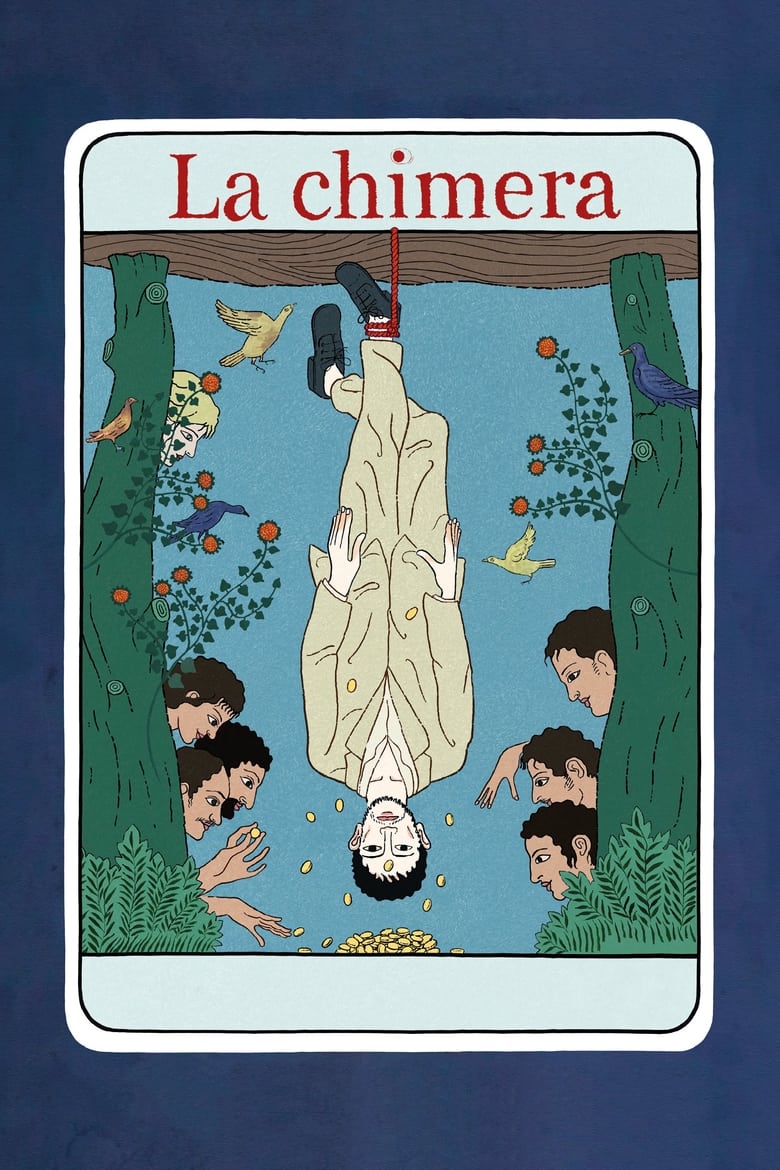
Country room
Italy
Italy turned looking into a moral question.L'Italia ha fatto del guardare una questione morale.
Is filming poverty the same as seeing it?Filmare la povertà significa vederla?
The camera went into the street out of necessity.La macchina da presa è uscita in strada per necessità.
It never quite came back inside.E non è più rientrata del tutto.
In Italy, cinema was never only cinema.In Italia il cinema non è mai stato soltanto cinema.
When the war ended, nothing was being shot at Cinecittà. People who had lost their homes were living in the studios. The camera went out into the street. Because there was nowhere else to go. The manifesto was written later.Alla fine della guerra a Cinecittà non si girava. Negli studi vivevano persone che avevano perso la casa. La macchina da presa è uscita in strada. Perché non c'era altro posto dove andare. Il manifesto è stato scritto dopo.
Rossellini filmed Rome while the wounds were still open. The city wasn't a set; it was the film itself.Rossellini ha filmato Roma quando le ferite erano ancora aperte. La città non era una scenografia; era il film stesso.
A few years later Cesare Zavattini went further. He said there was no need to look for big stories. Following one person was enough. For ninety minutes. If you really knew how to look, life was already writing the story.Qualche anno più tardi Cesare Zavattini è andato oltre. Ha detto che non serviva cercare grandi storie. Bastava seguire una persona. Per novanta minuti. Se sapevi davvero guardare, la vita stava già scrivendo la storia.
De Sica tried it.De Sica ci ha provato.
In Bicycle Thieves the lead wasn't a professional actor but an actual factory worker.In Ladri di biciclette il protagonista non era un attore professionista, ma un vero operaio.
The point wasn't to look more real.Non si trattava di sembrare più reali.
Read more
It was to let a real life walk in front of the camera.Si trattava di lasciare che una vita vera passasse davanti alla macchina da presa.
But there's a small paradox here.Ma qui c'è un piccolo paradosso.
Most of the Italian films we call "realist" didn't record their sound on set. The dialogue was spoken again later, in a studio.Gran parte dei film italiani che chiamiamo "realisti" non registrava il suono in presa diretta. I dialoghi venivano ridetti dopo, in studio.
In a way, the cinema that looked most real was using one of the most artificial tools there is.In un certo senso, il cinema che sembrava più vero usava uno degli strumenti più artificiali che esistano.
Maybe realism was never a technical matter.Forse il realismo non è mai stato una questione tecnica.
The objection didn't come from aesthetics either.E nemmeno l'obiezione è venuta dall'estetica.
In 1952 a government minister was furious about De Sica's Umberto D.Nel 1952 un ministro si arrabbiò per Umberto D. di De Sica.
Why show the country's poverty to the whole world?Perché mostrare al mondo intero la povertà del paese?
The argument wasn't about how the film was made.La discussione non riguardava come il film fosse stato girato.
It was about who has the right to be seen.Riguardava chi ha il diritto di essere visto.
Neorealism didn't last long.Il neorealismo non è durato a lungo.
But the directors looking at the same streets didn't make the same films.Ma i registi che guardavano le stesse strade non hanno girato gli stessi film.
Fellini slowly turned Rome into a dream.Fellini ha trasformato Roma, poco a poco, in un sogno.
Antonioni became interested in the silences where people lose one another.Antonioni ha cominciato a interessarsi ai silenzi in cui le persone si perdono.
Same country. Same cities. Completely different eyes.Lo stesso paese. Le stesse città. Sguardi completamente diversi.
Italy's influence didn't stop there either.E l'influenza dell'Italia non si è fermata qui.
In Calcutta a young graphic designer watched Bicycle Thieves. His name was Satyajit Ray.A Calcutta un giovane grafico vide Ladri di biciclette. Si chiamava Satyajit Ray.
He went home and began telling the story of his own village.Tornò nel suo paese e cominciò a raccontare il proprio villaggio.
Similar journeys followed in Tehran, in Havana, in Dakar.Viaggi simili avvennero poi a Teheran, all'Avana, a Dakar.
Italy didn't teach the world how to film poverty.L'Italia non ha insegnato al mondo come si filma la povertà.
It left behind a harder question.Ha lasciato una domanda più difficile.
Is turning a camera toward a person really the same as seeing them?Puntare una macchina da presa su una persona significa davvero vederla?
The ChainLa catena
One film leads to anotherUn film ne genera un altro

Ossessione
Italian cinema began inside the war. Fascist censors banned this film and destroyed the negative; Visconti had hidden a copy.Il cinema italiano è nato dentro la guerra. La censura fascista vietò il film e ne distrusse il negativo; Visconti ne aveva nascosta una copia.

Rome, Open City
No sets, no lights, no money. The city itself became the décor, and the world gave it a name.Niente set, niente luci, niente soldi. La città stessa è diventata la scenografia, e il mondo le ha dato un nome.
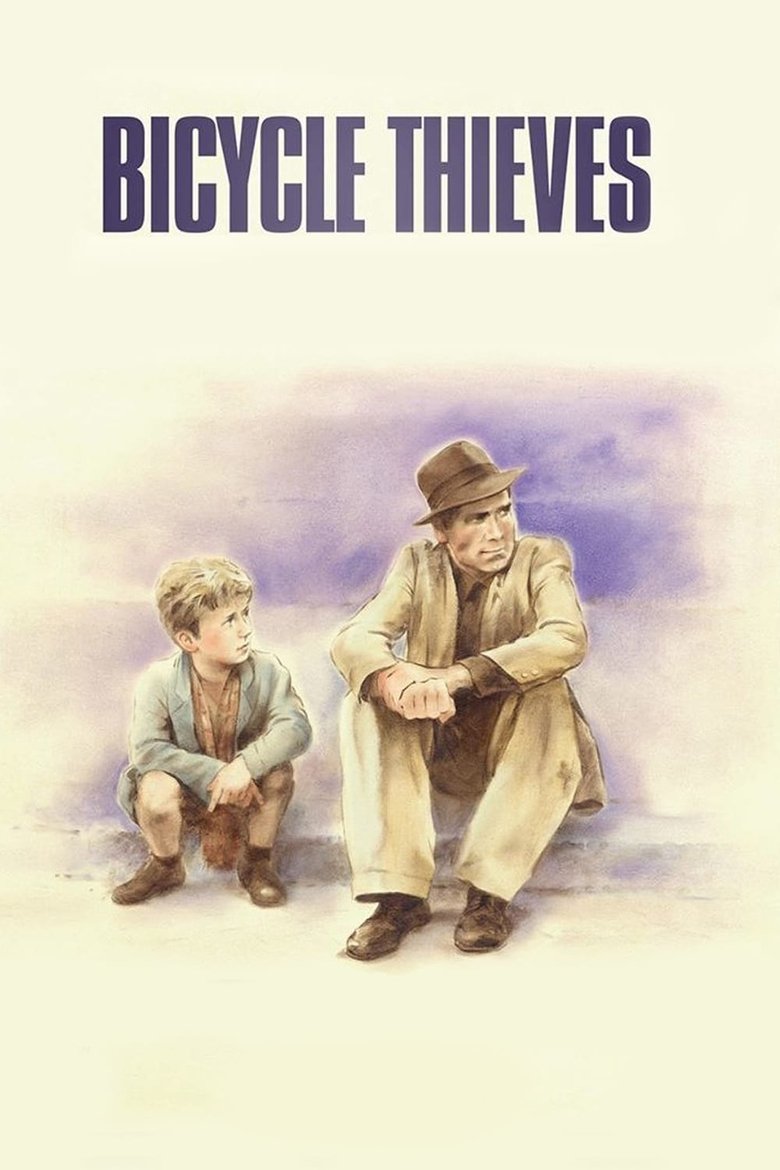
Bicycle Thieves
A bicycle, a father, a son. This is where the world learned how much can be said with so little.Una bicicletta, un padre, un figlio. È qui che il mondo ha imparato quanto si può dire con così poco.

La strada
Fellini came out of neorealism and turned towards dream without leaving the street. The same pavement, a different light.Fellini è uscito dal neorealismo e si è voltato verso il sogno senza lasciare la strada. Lo stesso marciapiede, un'altra luce.

L'avventura
It was booed at Cannes. A woman disappears, the film stops looking for her, and leaves the audience in that gap.Fu fischiato a Cannes. Una donna scompare, il film smette di cercarla e lascia lo spettatore in quel vuoto.

Divorzio all'italiana
Italy argues its heaviest questions by laughing. A law once softened murder; the film mocked it, and the law fell years later.L'Italia discute le sue questioni più gravi ridendo. Una legge attenuava l'omicidio; il film la mise in ridicolo, e anni dopo la legge cadde.

Il posto
The laughter stops and the camera enters the office. Olmi films the job won not as a victory but as a door closing.La risata finisce e la macchina da presa entra in ufficio. Olmi filma il posto ottenuto non come una vittoria, ma come una porta che si chiude.

Salvatore Giuliano
Rosi founded a genre here: the inquiry film without an answer. The crime is plain, the culprit is not, and the film does not hide it.Qui Rosi ha fondato un genere: il film d'inchiesta senza risposta. Il delitto è chiaro, il colpevole no, e il film non lo nasconde.

Il vangelo secondo Matteo
The man who filmed the Gospel was a Marxist, and Catholic circles praised the result. Such things happen in Italy.L'uomo che ha filmato il Vangelo era marxista, e gli ambienti cattolici ne lodarono il risultato. In Italia succedono queste cose.
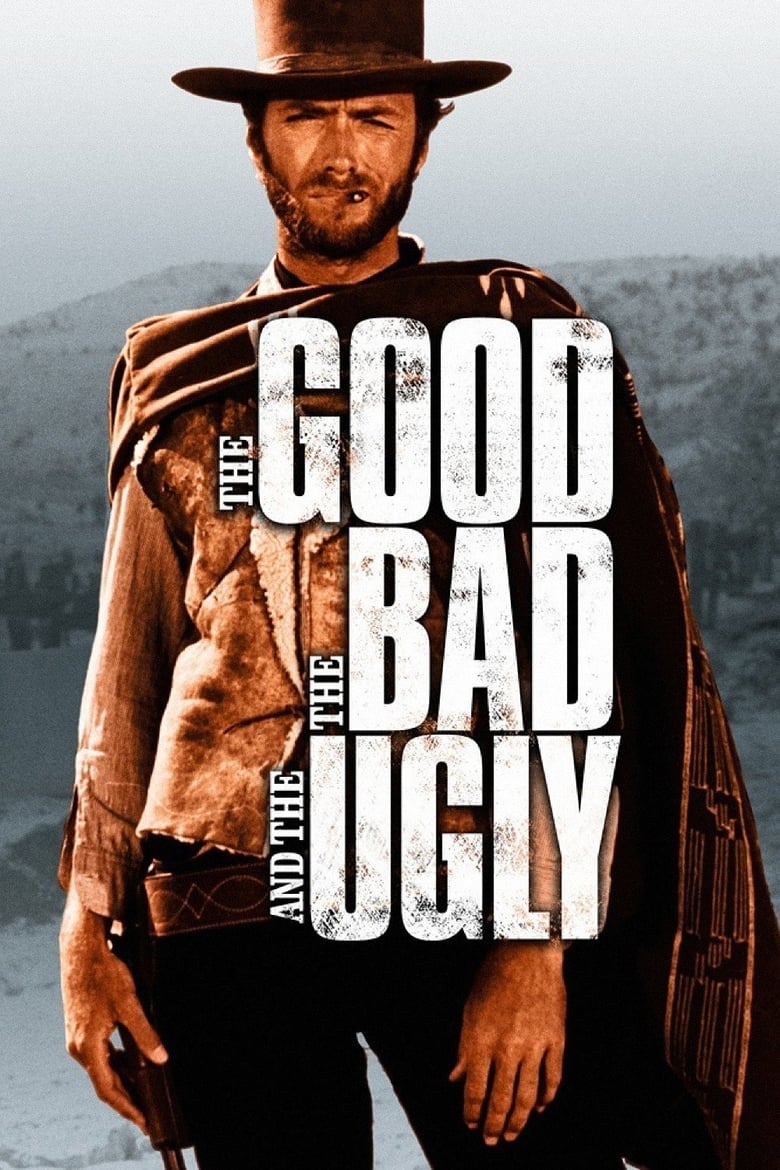
The Good, the Bad and the Ugly
In those same years Italy filmed America's myth better than America. Shot in Spain, dubbed afterwards, sold to the world as a western.In quegli stessi anni l'Italia ha filmato il mito americano meglio dell'America. Girato in Spagna, doppiato dopo, venduto al mondo come western.

The Battle of Algiers
This time the camera looked not at Italy but at a colony. It seems so real that they had to open it with a notice: no documentary footage was used.Questa volta la macchina da presa non ha guardato l'Italia ma una colonia. Sembra così vero che dovettero aprirlo con un avviso: nessun materiale documentario è stato usato.

Il conformista
The morality of looking passed into form itself. Light, shadow and framing tell the story of a man's surrender.La morale dello sguardo è passata nella forma stessa. Luce, ombra e inquadratura raccontano la resa di un uomo.
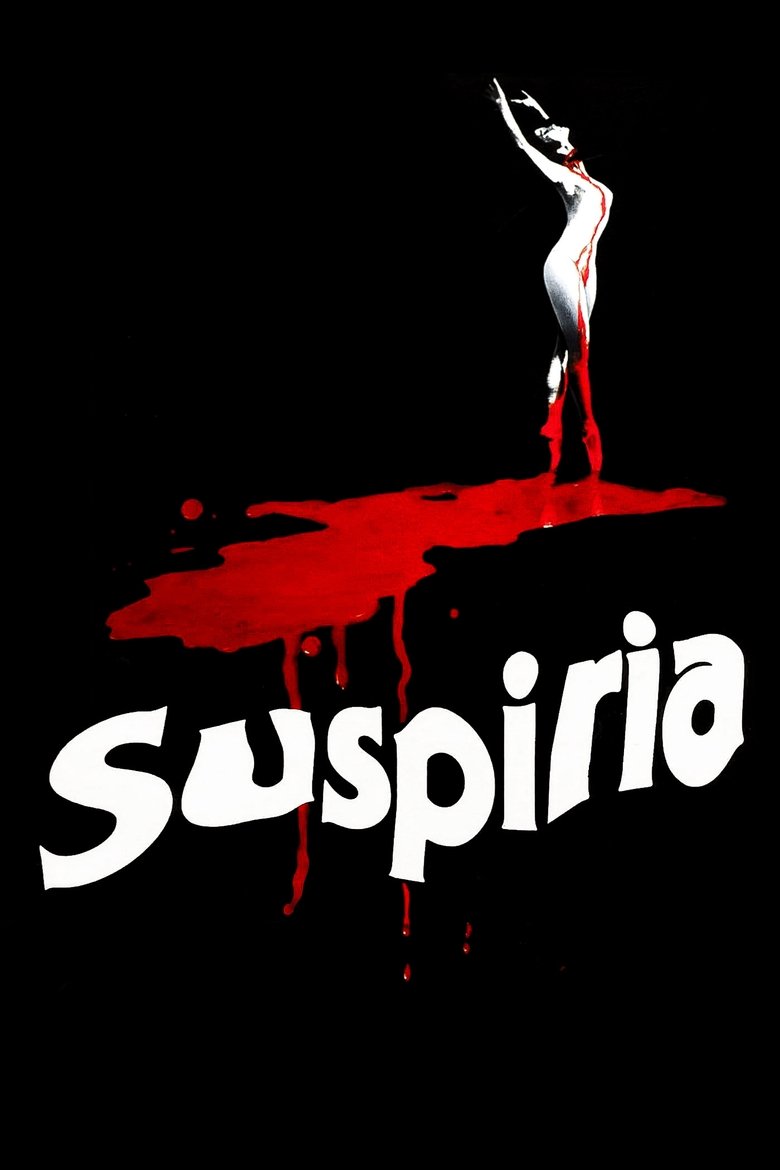
Suspiria
And Italy also did the exact opposite. Colour, sound, dread; nothing of realism is left — and yet it is still an Italian film.E l'Italia ha fatto anche l'esatto contrario. Colore, suono, terrore; del realismo non resta nulla, eppure è ancora un film italiano.

Cinema Paradiso
In the eighties the cinemas began to close. Italy sang a lament for its own cinema, and the world wept at it.Negli anni ottanta le sale hanno cominciato a chiudere. L'Italia ha cantato un lamento per il proprio cinema, e il mondo ci ha pianto.

Gomorrah
Then the camera went back into the street. Sixty years had passed and the question had not changed at all.Poi la macchina da presa è tornata in strada. Erano passati sessant'anni e la domanda non era cambiata.

Happy as Lazzaro
Italy never found the answer. But it reminded us once more that turning a camera on someone is not innocent — this time with a fable.L'Italia non ha trovato la risposta. Ma ha ricordato ancora una volta che puntare una macchina da presa su qualcuno non è innocente: stavolta con una favola.
VeinsLe vene
How a country's cinema changed direction, and with whom.Come il cinema di un paese ha cambiato rotta, e con chi.
As the war ended nothing was being shot in the studio; people who had lost their homes lived there.Alla fine della guerra nello studio non si girava nulla; ci vivevano persone che avevano perso la casa.
Once the street had been told, the camera turned inward: one to dream, the other to emptiness.Raccontata la strada, la macchina da presa si volse all'interno: uno verso il sogno, l'altro verso il vuoto.
Italians argued their heaviest questions by laughing; someone always got hurt in the end.Gli italiani discutevano le questioni più gravi ridendo; alla fine qualcuno restava sempre ferito.
Unable to answer who really runs the country, cinema made the investigation itself the film.Non potendo rispondere a chi governi il paese, il cinema fece dell'indagine stessa il film.
In a Catholic country the directors neither rejected nor accepted the sacred; they argued with it.In un paese cattolico i registi non rifiutarono né accettarono il sacro; ci discussero.
The American western was shot in Spain, dubbed afterwards and sold to the world.Il western americano fu girato in Spagna, doppiato in seguito e venduto al mondo.
The films the world thinks of as Italy; some describe Italy, others the Italy people wanted.I film che il mondo associa all'Italia; alcuni raccontano l'Italia, altri l'Italia che si desiderava.
Italian cinema today is not at peace with its past, and that is a good thing.Il cinema italiano di oggi non è in pace con il suo passato, e questa è una buona cosa.
Today
All of this was shot in recent years. To see how we got here, you have to go back eighty years.Tutto questo è stato girato negli ultimi anni. Per capire come ci siamo arrivati bisogna tornare indietro di ottant'anni.