© Jack de Nijs for Anefo · CC BY-SA 3.0 nl · Wikimedia Commons
France · 1932–1984
François Truffaut
He handed his own childhood to an actor and then followed that actor for twenty years.
“There are three stages of loving film: seeing a film twice, writing about it, then making one yourself.”
Truffaut — eleştirmenlikten yönetmenliğe geçişi üzerine yazıları
THE WORLD OF François Truffaut
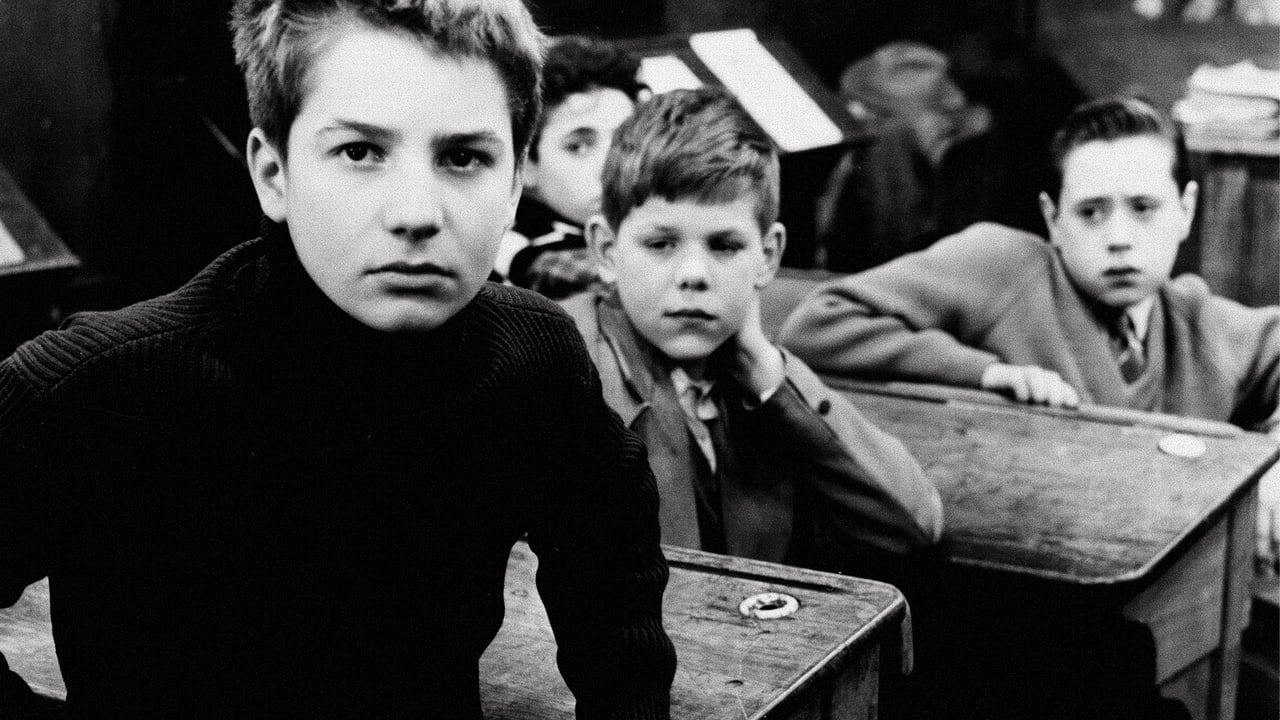
The last image of Truffaut's first film is the moment a runaway boy reaches the sea. Antoine Doinel gets to the beach, turns, looks into the camera, and the frame freezes. Not a happy ending, not a defeat: a question. Truffaut never let that boy go, and in his hands cinema became a way of following a life frame by frame.
Part of his own childhood was spent in a reform school. The man who got him out, found him work and pushed him to write criticism was André Bazin. Truffaut decided that the best way to repay the debt was to attack French cinema's polished, literature-borrowed films. What he wrote was harsh, sure of itself and often unfair, but it said plainly what a whole generation did not want.
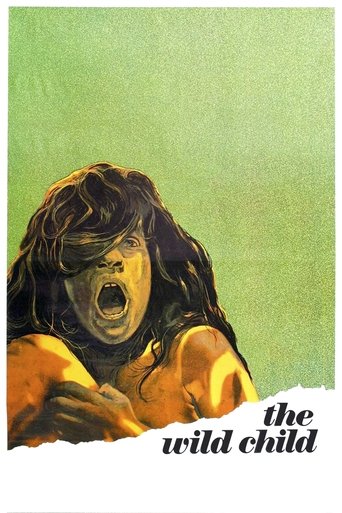
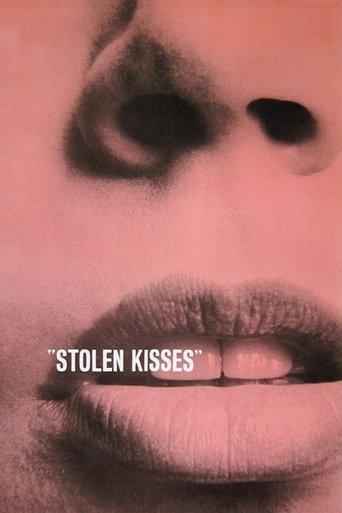
In his own films he was not harsh. After The 400 Blows he called Jean-Pierre Léaud back as Doinel for years; the boy grew up, fell in love, married, separated, and with each film looked a little more like Truffaut. In Jules and Jim the love circling two friends and one woman passes through decades at the speed of a song. In The Wild Child he himself plays the doctor trying to teach speech to a boy found in the woods, and that patience is partly Bazin's.
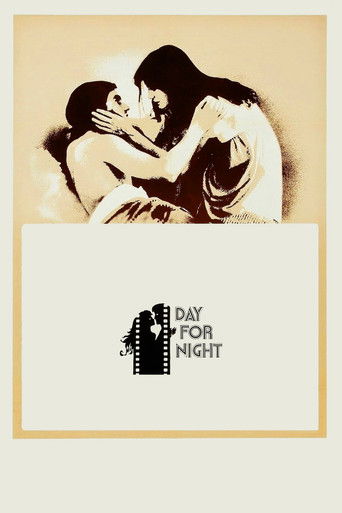
His long interview with Hitchcock became one of the first great books to take him seriously as a master. In Day for Night he showed the tired, funny, frantic family of a film shoot and played the director himself: a man in a hearing aid trying to hold all that chaos together.
Truffaut died young. What remains are the films of someone who believed cinema was something you could fall in love with and give your whole life to. In every one of them the same boy keeps running toward the sea.
- CameraChasing a running child, out of breath.
- SoundA narrator's voice, a letter read aloud, Delerue's strings.
- SignatureThe frozen final frame.
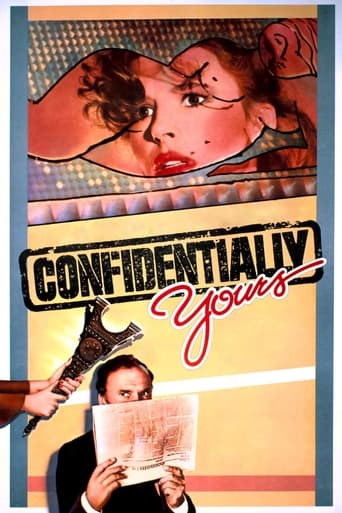
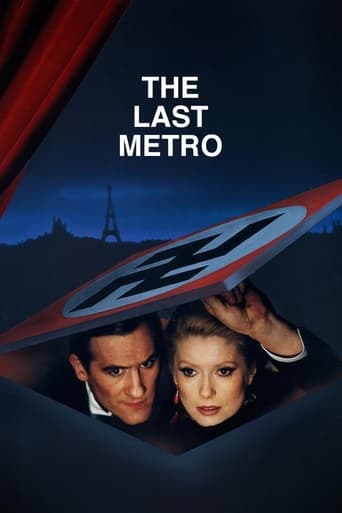
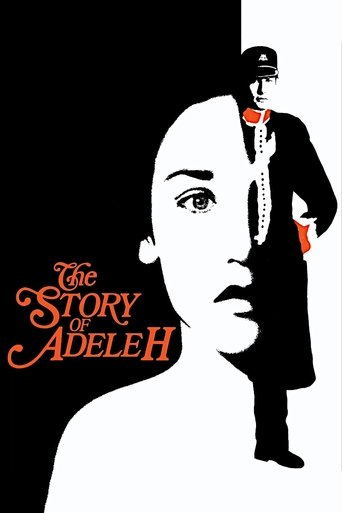
Canon films



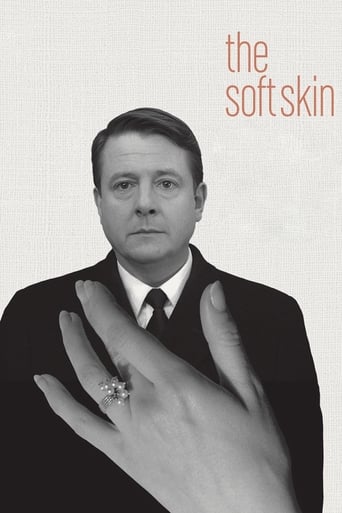
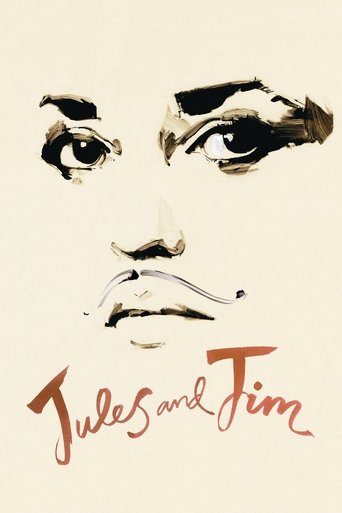


Awards
- Best DirectorCésar · 1983 · nominated · Vivement dimanche!
- César · 1980 · won · The Last Metro
- César · 1980 · won · The Last Metro
- Best Foreign Language FilmAcademy Awards · 1980 · nominated · The Last Metro
- Best Actor in a Supporting RoleBAFTA · 1978 · nominated · Close Encounters of the Third Kind
- Best DirectorCésar · 1975 · nominated · The Story of Adele H.
- Best DirectingAcademy Awards · 1974 · nominated · Day for Night
- Writing (Original Screenplay)Academy Awards · 1974 · nominated · Day for Night
See all · 14
- Academy Awards · 1973 · won · Day for Night
- BAFTA · 1973 · won · Day for Night
- Best Foreign Language FilmAcademy Awards · 1968 · nominated · Stolen Kisses
- Writing (Story and Screenplay – Written Directly for the Screen)Academy Awards · 1959 · nominated · The 400 Blows
- Valladolid International Film Festival (Seminci) · 1972 · won · Two English Girls
- Valladolid International Film Festival (Seminci) · 1970 · won · The Wild Child