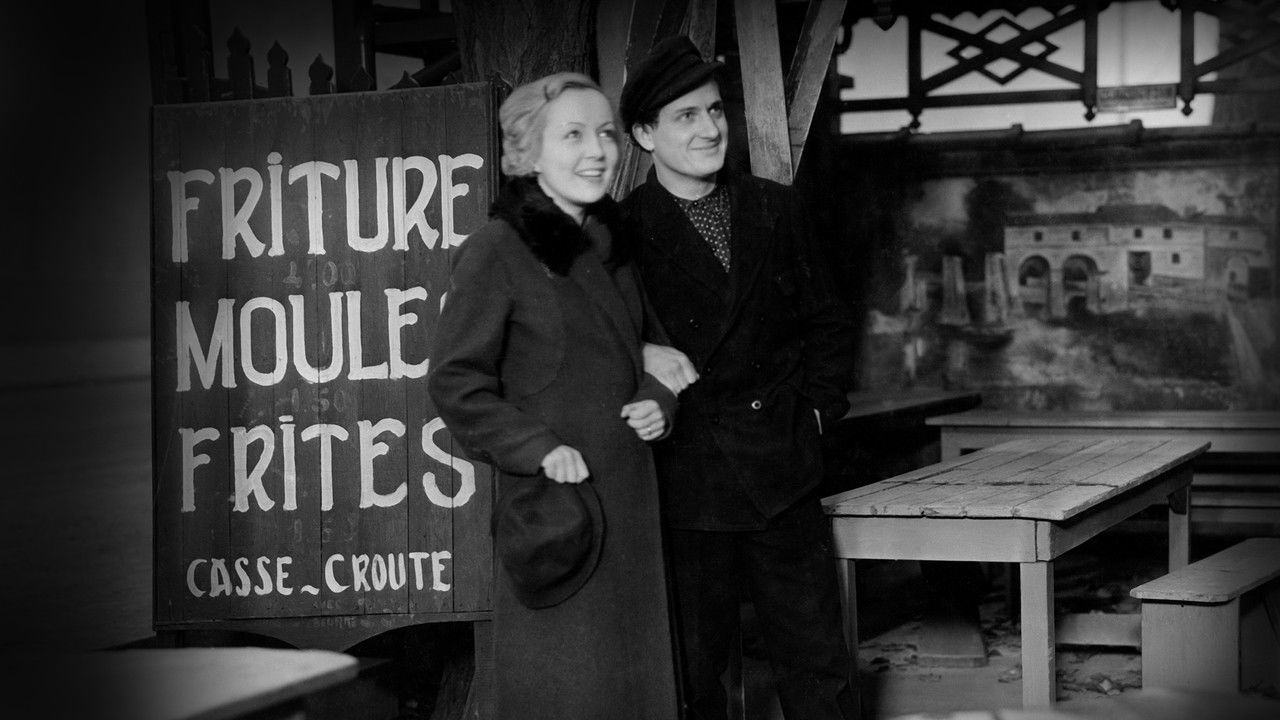
Country room
France
Cinema belongs to the director.Le cinéma appartient au réalisateur.
Who does a film belong to?À qui appartient un film ?
France never settled it.La France n'a pas donné de réponse définitive à cette question.
Maybe that is why the rest of the world is still asking.Mais elle a appris au monde à la poser.
Who does a film belong to?À qui appartient un film ?
The one who pays? The one who writes? The one behind the camera? Or if something stays with you after the film ends, does the film belong to whoever made that?À celui qui paie ? À celui qui écrit le scénario ? À celui qui se tient derrière la caméra ? Ou bien : ce qui reste une fois le film terminé est l'œuvre de quelqu'un — et le film lui appartient-il pour autant ?
For a long time nobody really argued about it. Cinema was an industry, and the roles were clear: the producer financed, the writer wrote, the actor acted, the director got all the pieces assembled on schedule. A good film was a well-organised film.Pendant longtemps, personne n'en a vraiment débattu. Le cinéma était une industrie et, comme à l'usine, les tâches étaient réparties : le producteur finance, le scénariste écrit, l'acteur joue, le réalisateur assemble toutes les pièces à temps. Un bon film était un film bien organisé.
Read more
Then a young critic in France broke the arrangement.Puis, en France, un jeune critique a défait cet ordre.
In 1954, in Cahiers du cinéma, François Truffaut went after two of the most respected screenwriters of the day, Jean Aurenche and Pierre Bost. His real quarrel was not with two men. It was with the safe cinema they stood for. Films that looked flawless and left no one behind.En 1954, dans les Cahiers du cinéma, François Truffaut s'en prend à Jean Aurenche et Pierre Bost, scénaristes respectés de l'époque. Sa véritable cible n'était pas ces deux hommes, mais le cinéma sans risque qu'ils représentaient. Ces films impeccables qui ne marquent personne.
For him, what separated one film from another was not its story but the way it looked at the world.Pour lui, ce qui distingue un film d'un autre n'est pas son histoire, mais son regard sur le monde.
The idea was not Truffaut's. Alexandre Astruc had said a few years earlier that a camera could be used like a pen: the director was not someone who shot images but someone who wrote with them. What Truffaut did was drop that idea into the middle of a fight.L'idée n'avait pas commencé avec Truffaut. Quelques années plus tôt, Alexandre Astruc avait dit que la caméra pouvait s'utiliser comme un stylo : le cinéaste n'est pas celui qui filme, c'est celui qui écrit sa pensée. Ce que Truffaut a fait n'était pas de trouver du neuf, mais de jeter cette idée au milieu de la bagarre.
That the fight started in France was no accident. Renoir's warmth, Bresson's silence, Melville's solitude have nothing in common. France never built a shared cinematic language; it built a culture that took the director's own voice seriously. The auteur idea grew in that soil.Que la bagarre ait éclaté en France n'est pas un hasard non plus. L'amour des hommes chez Renoir, le silence de Bresson, la solitude de Melville ne se ressemblent en rien. La France n'a pas fondé une langue commune du cinéma ; elle a fondé une culture qui prend au sérieux la voix propre du cinéaste. C'est sur ce terrain que l'idée d'auteur a poussé.
Then the interesting part. The writers picked up cameras.Puis il s'est passé quelque chose de curieux. Ceux qui écrivaient ont pris une caméra.
Godard, Chabrol, Rohmer, Rivette. They stopped writing articles and started shooting — no money, in the street, in friends' apartments. Sometimes the light was not enough. Sometimes the sound broke up. Nobody tried to hide it, because for the first time what showed through was not polish but personality.Godard, Chabrol, Rohmer, Rivette. Ils n'écrivaient plus d'articles, ils tournaient — sans argent, dans la rue, chez des amis. La lumière n'a pas toujours suffi. Le son a parfois débordé. Personne n'a cherché à le cacher, car pour la première fois ce n'était pas la perfection qui se voyait, c'était une personnalité.
France never called it a theory. La politique des auteurs: a stance, a preference, and a bit of taking sides.La France n'a jamais appelé cela une théorie. La politique des auteurs : une attitude, un choix, et un peu aussi une manière de prendre parti.
"Auteur theory" was born on the other side of the ocean. Andrew Sarris carried the idea to America, Pauline Kael stood up against it, and the argument started over. The idea never settled as it spread; everywhere it went it opened a new quarrel. Maybe that was the only way it could stay alive.L'« auteur theory » est née de l'autre côté de l'océan. Andrew Sarris a porté l'idée en Amérique, Pauline Kael s'est dressée contre elle, et la dispute a recommencé. En se répandant, l'idée ne s'est pas apaisée ; partout où elle est passée, elle a ouvert une nouvelle querelle. C'était peut-être sa seule façon de rester en vie.
We still talk about a director's world. A Bergman film. A Tarkovsky shot. A Wong Kar-wai scene. None of it is an official title; all of it is the echo of one question asked years ago.Aujourd'hui encore, nous parlons du monde d'un cinéaste. Un film de Bergman. Un plan de Tarkovski. Une scène de Wong Kar-wai. Aucune de ces expressions n'est un titre officiel ; ce sont autant d'échos d'une seule question posée il y a des années.
Who does a film belong to?À qui appartient un film ?
This magazine takes its name from there. There is still no answer — an answer was never what France gave.C'est de là que vient le nom de cette revue. La réponse n'existe toujours pas — et de toute façon, ce que la France a donné n'était pas une réponse.
The ChainLa Chaîne
One film leads to anotherUn film en entraîne un autre

L'Atalante
French cinema learned its first hard lesson here: a film's fate can be taken out of its director's hands.Le cinéma français a reçu ici sa première grande leçon : le destin d'un film peut aussi échapper à son réalisateur.

La Règle du jeu
The film was rejected. Years later it was declared a masterpiece. France's memory for cinema tends to work late.Le film fut rejeté. Des années plus tard, on le déclara chef-d'œuvre. La mémoire du cinéma français travaille souvent en retard.
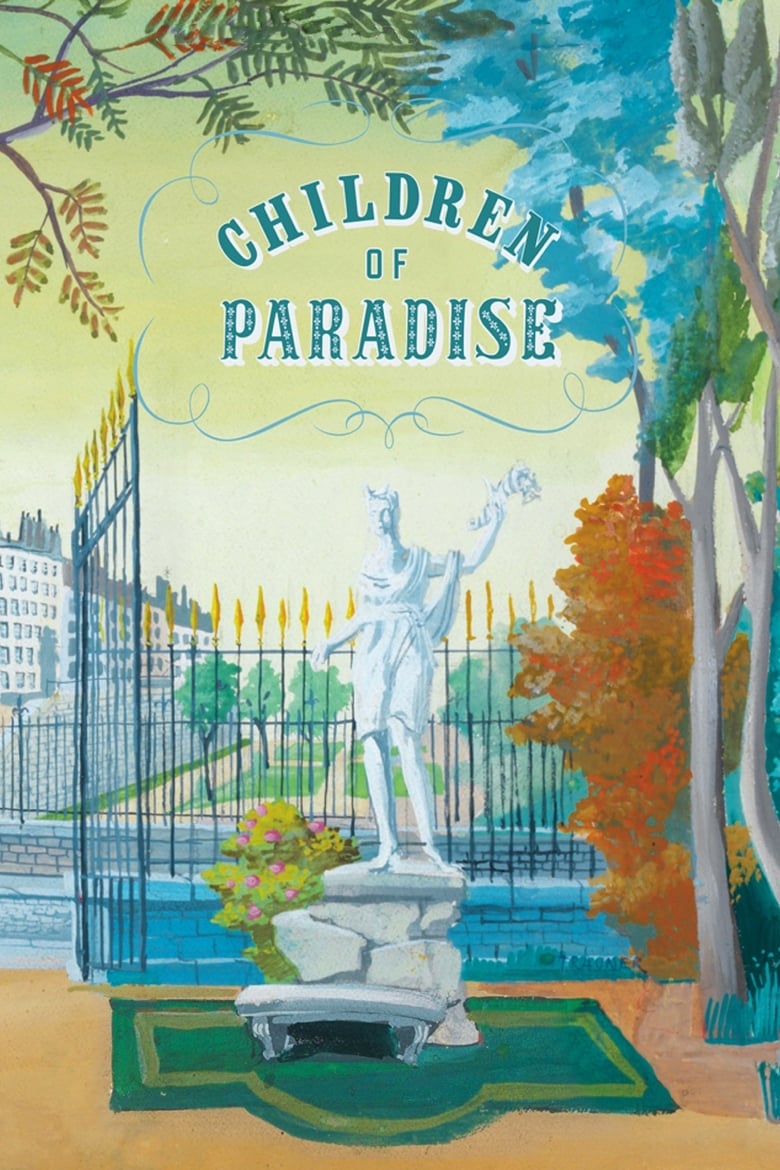
Children of Paradise
The war was over. But in whose name would cinema speak now?La guerre était finie. Mais au nom de qui le cinéma allait-il parler désormais ?

Le Salaire de la peur
Clouzot pushed tension to its limit. Someone else would look for the same intensity by removing tension altogether.Clouzot a poussé la tension jusqu'à sa limite. Un autre chercherait la même intensité en la retirant complètement.
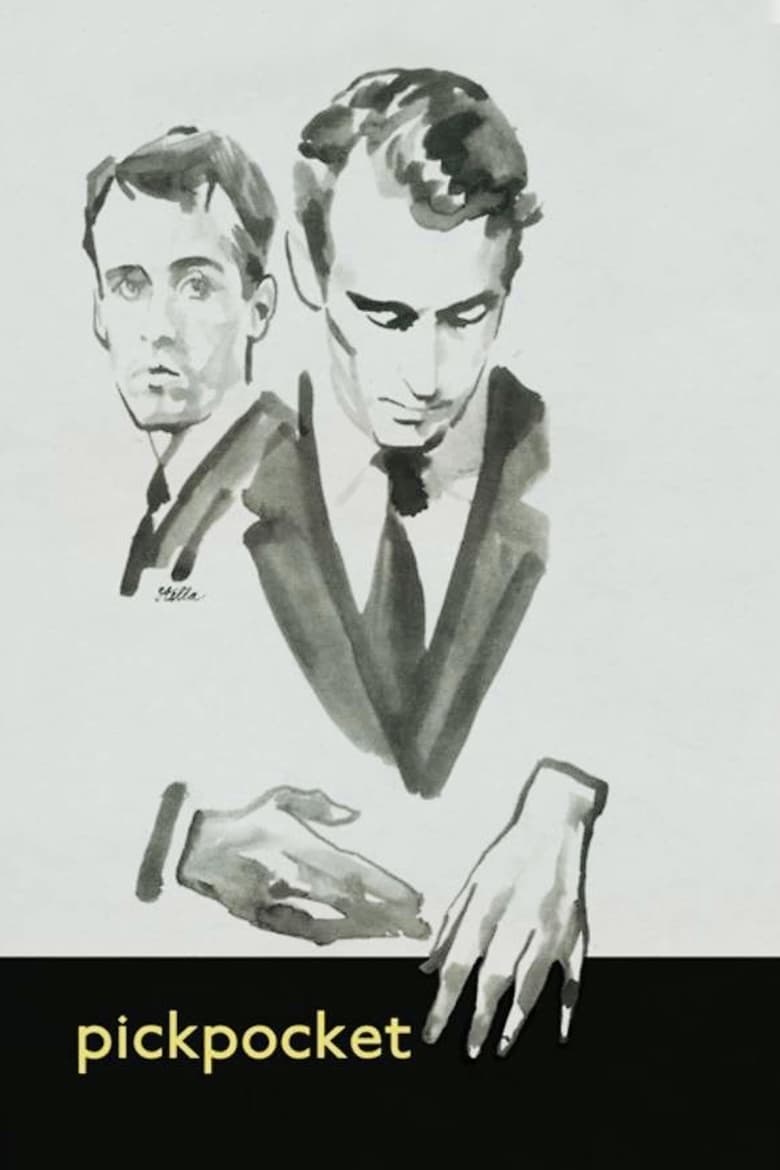
Pickpocket
1959. Bresson subtracted emotion; the same year, someone else broke memory apart.1959. Bresson retranche l'émotion ; la même année, un autre met la mémoire en morceaux.

Hiroshima Mon Amour
Telling a story was no longer enough. Cinema was looking for the shape of remembering.Raconter une histoire ne suffisait plus. Le cinéma cherchait aussi la forme du souvenir.

The 400 Blows
The critic stopped writing. The camera took over.Le critique a cessé d'écrire. La caméra a pris le relais.

À bout de souffle
For the first time editing stopped being invisible. The audience began to see how a film was made.Pour la première fois, le montage cessait d'être invisible. Le spectateur se mettait à voir comment un film se fabrique.

Cléo from 5 to 7
And there's this: inside the same movement there was a completely different way of looking.Et puis il y a ceci : à l'intérieur du même mouvement, il existait un tout autre regard.

The Umbrellas of Cherbourg
Reality breaks sometimes through color, sometimes through silence. France allowed both at once.La réalité se brise parfois par la couleur, parfois par le silence. La France a permis les deux en même temps.
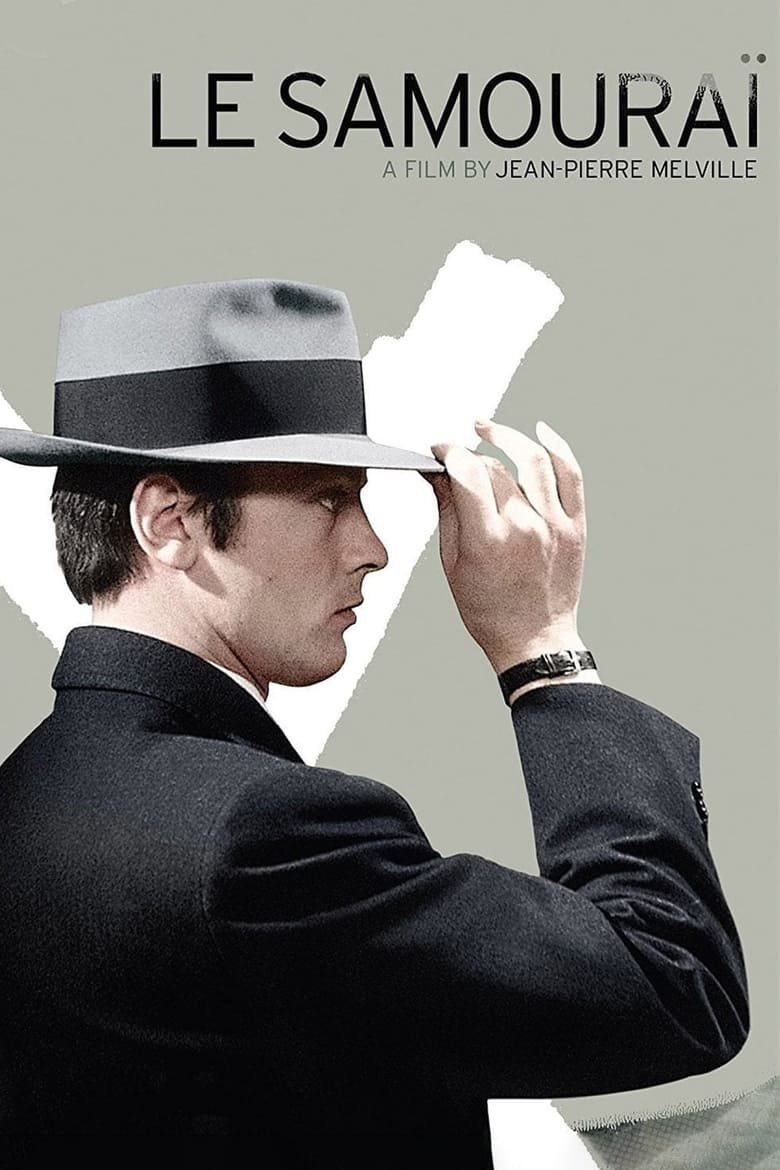
Le Samouraï
Melville built a style by taking away. Tati went looking for order inside excess.Melville a bâti un style en retirant. Tati, lui, cherchait l'ordre à l'intérieur de l'excès.

Playtime
Tati spent everything he had to build that city. The film never returned it, and it ruined him.Tati a dépensé tout ce qu'il avait pour bâtir cette ville. Le film ne le lui a pas rendu, et l'a ruiné.

My Night at Maud's
Twenty-six years pass here. This selection skips them, because the real rupture came later and it sounded nothing like this.Vingt-six ans passent ici. Cette sélection les saute, car la vraie rupture est venue plus tard, et elle sonnait tout autrement.

La Haine
This time the point wasn't to portray France, but to show who France wasn't seeing.Cette fois, il ne s'agissait pas de raconter la France, mais de montrer qui la France ne voyait pas.

Beau Travail
The gaze had turned to the body. The next generation would question the gaze itself.Le regard s'était tourné vers le corps. La génération suivante allait interroger le regard lui-même.

Portrait of a Lady on Fire
And the question came back to where it started. Who is looking, who is being looked at — and who owns the film?Et la question est revenue à son point de départ. Qui regarde, qui est regardé — et à qui appartient le film ?
VeinsLes Veines
How a country's cinema changed direction, and with whom.Comment le cinéma d'un pays a changé de cap, et avec qui.
Entering the sound era, France found its heroes on docks and in rented rooms.En entrant dans le parlant, la France trouva ses héros sur les quais et dans les chambres louées.
They refused the postwar order: one threw out acting, another never let his hero speak.Ils refusèrent l'ordre d'après-guerre : l'un supprima le jeu d'acteur, l'autre ne laissa jamais parler son héros.
The New Wave was not a programme; it was a few friends who wrote in a magazine for years.La Nouvelle Vague n'était pas un programme ; c'était quelques amis qui écrivirent des années durant dans une revue.
On the left bank of Paris there was another group, arriving from literature and documentary.Sur la rive gauche de Paris, il y avait un autre groupe, venu de la littérature et du documentaire.
The exuberance of the sixties ended, French cinema went home and did not like what it found.L'exubérance des années soixante prit fin ; le cinéma français rentra chez lui et n'aima pas ce qu'il y trouva.
In the same decade, the most ornate Paris and the northern towns shot with amateurs.Dans la même décennie, le Paris le plus orné et les villes du Nord tournées avec des amateurs.
A record of the films that went out into the world as France; not a ranking of quality.Le relevé des films partis dans le monde en représentant la France ; non un classement de qualité.
Films whose protagonist is not human: a meadow, a migration route, a field of ice.Des films dont le protagoniste n'est pas humain : une prairie, une route de migration, un champ de glace.
French cinema today does not run in one direction; all it shares is that the director still decides.Le cinéma français d'aujourd'hui ne va pas dans une seule direction ; la seule chose qu'il partage, c'est que c'est encore le réalisateur qui décide.
Today
All of this was shot in the last few years. To see how we got here, you have to go back ninety years.Tout cela a été tourné ces dernières années. Pour voir comment on en est arrivé là, il faut remonter quatre-vingt-dix ans.