
South Korea · 1936
Im Kwon-taek
After dozens of films he turned to traditional song, and that is the film the world came to know him by.
THE WORLD OF Im Kwon-taek
For a long stretch of Korean cinema, Im Kwon-taek shot whatever the studios asked for, and then he turned back to his country's traditions and its old voices. In Seopyeonje a wandering pansori singer inflicts unthinkable pain on his adopted daughter to perfect her voice. The grief in her song carries the wounds of both an art and a nation.
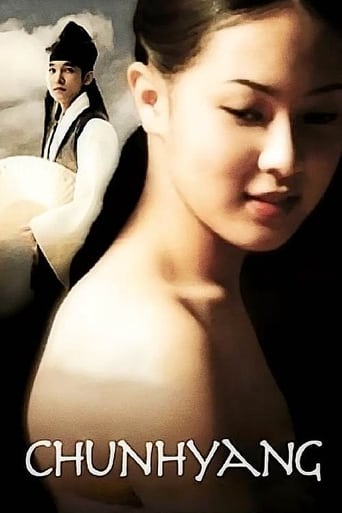
In his films the Korean landscape is not a backdrop; roads, hills and winter light are part of the story. In long takes the singers walk down a path as they sing, and the camera follows without cutting. In Chunhyang he told a folk tale by weaving a pansori performance on stage together with the images on screen.
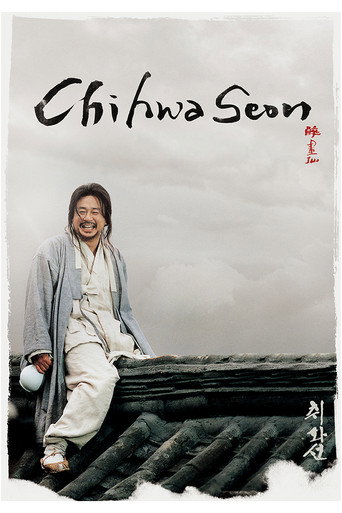
In Painted Fire he followed the life of a painter who recognised no rules, who drank and wandered and would not fit his work into any school. Im's cinema shows the weight of tradition and the free voice that rises from within it, both at once.
- CameraLong and still; it waits until the song ends.
- SoundPansori — a drum and a single voice.
- SignatureThree figures walking a road.
Where to start
Canon films


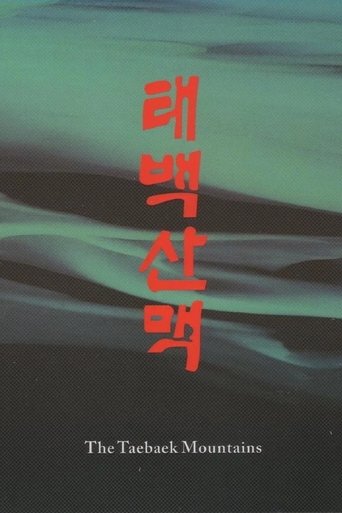
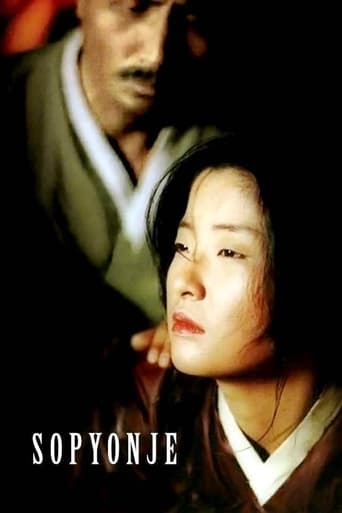

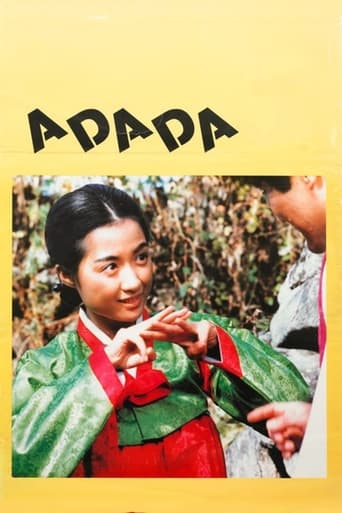
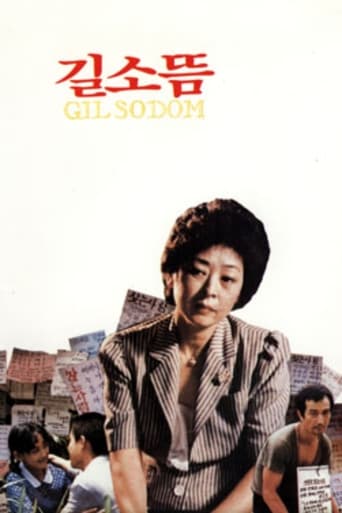
Awards
- Cannes Film FestivalCannes Film Festival · 2002 · nominated · Chihwaseon
- Cannes Film FestivalCannes Film Festival · 2000 · nominated · Chunhyang


