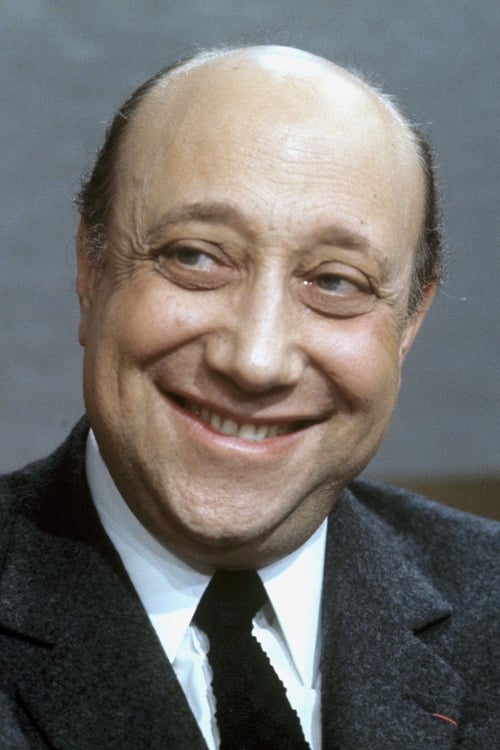
France · 1917–1973
Jean-Pierre Melville
He built his own studio and wrote his own rules; after him the hat and the raincoat became a genre.
“I believe that you must be madly in love with cinema to create films. You also need a huge cinematic baggage.”
Melville on Melville (Rui Nogueira, röportaj derlemesi, 1971)
The Solitary Man
Jean-Pierre Melville built his own studio with his own hands, made his films with his own money, and answered to nobody. What came out of it — Le Samouraï, Le Cercle Rouge, L'Armée des ombres — was the silent, cold, inescapable origin of modern crime cinema.
His real name was Jean-Pierre Grumbach. He loved Herman Melville so much that he changed his surname. That admiration for the American novelist soon extended to American noir — Huston, Hawks, Ford. But Melville reshot those films in Paris; with fewer words and more silence.
During the Second World War he served in the French Resistance. That experience passed directly into his films — not only into L'Armée des ombres but into his whole career. People with a code, being ready for betrayal, choosing silence. He built the gangster as a kind of Resistance fighter; both live in the same world, only in different wars.
In the fourteenth arrondissement of Paris he built his own studio. He did everything himself: sets, light, editing. The directors of the nouvelle vague admired him, but Melville was never part of them. He had begun earlier and he was far quieter.
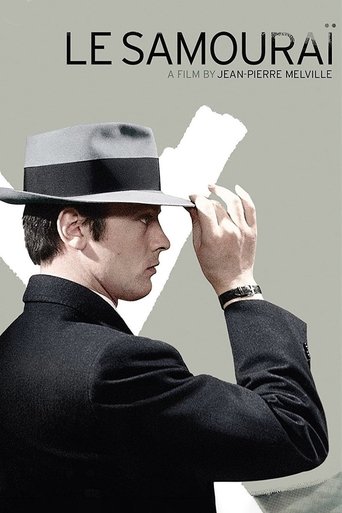
His films speak little. In Le Samouraï, Alain Delon says almost nothing for stretches of tens of minutes. A movement of a hand, a door closing, a full glass left untouched — in Melville these are dramatic acts. He died in 1973, at fifty-five, before he could finish his last film.
THE WORLD OF Jean-Pierre Melville
Melville's frame loves silence. Two men sit in a room; one speaks, the other does not look up. The scene can last five minutes, and the tension does not come from music — it comes from the air gathering inside the space. Opening a case, checking a gun, not answering a telephone: in Melville these are dramatic acts. Anything more is considered unnecessary.
He grew up drinking American noir, but he did not imitate it. He took Howard Hawks's economy, John Huston's codes of masculinity, and poured his own French coldness over them. Beneath everything lay his Resistance experience: being ready for betrayal, keeping the code, choosing silence. That is why Le Samouraï and L'Armée des ombres, so unlike each other on the surface, are the same film underneath.
Where to start
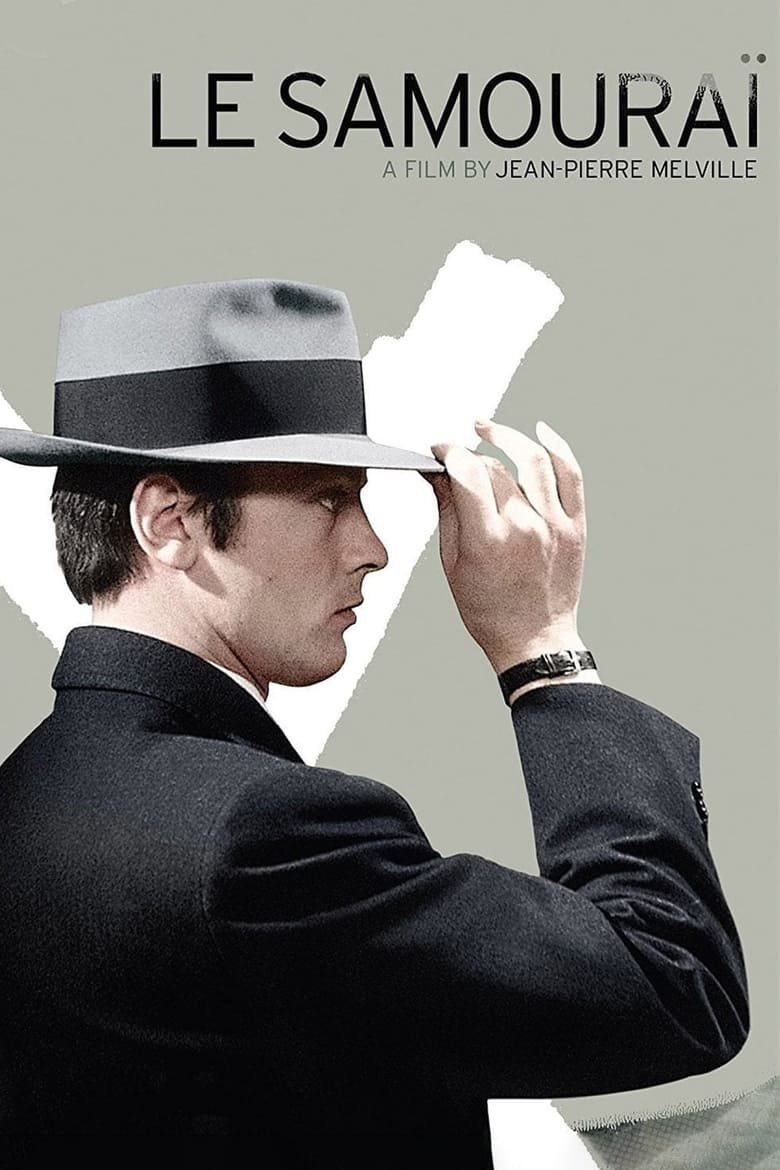 Le Samouraï 1967
Başlangıç noktası. Bir kiralık katil, bir oda, bir şapka. Melville bu kadarla yeter.
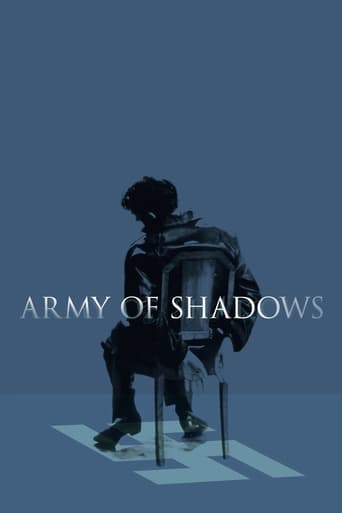
 Army of Shadows 1969
Direniş savaşının içindeki ahlaki çürüme. Melville bunu bizzat yaşadı.
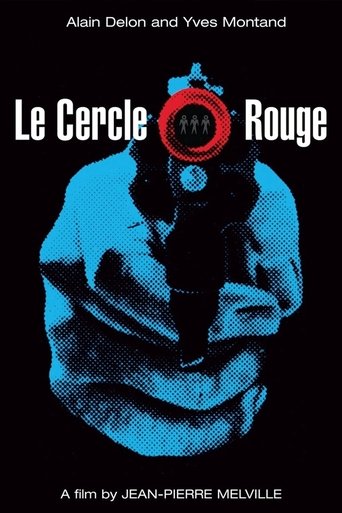
 Le Cercle Rouge 1970
Dört adam, bir soygun, çözülmesi imkânsız bir kader.
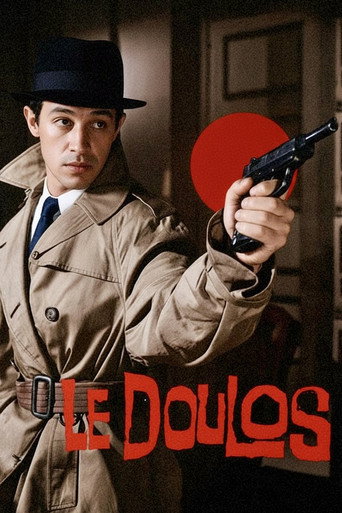
 Le Doulos 1962
Kim ajan, kim değil? Melville izleyiciyi sonuna kadar askıda bırakır.
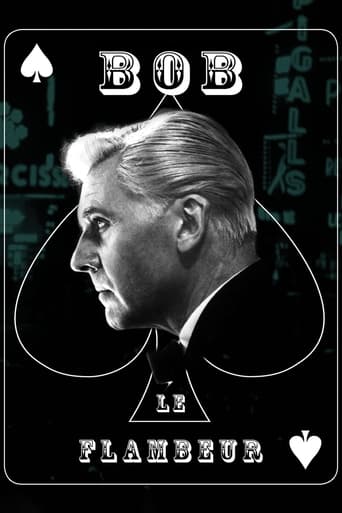
 Bob le Flambeur 1956
Kumarbazın büyük soyguncu hayali. Melville'in noir sevgisinin ilk açık itirafı.
Canon films


Interviews
- INA — Archive


