Italy · 1906–1976
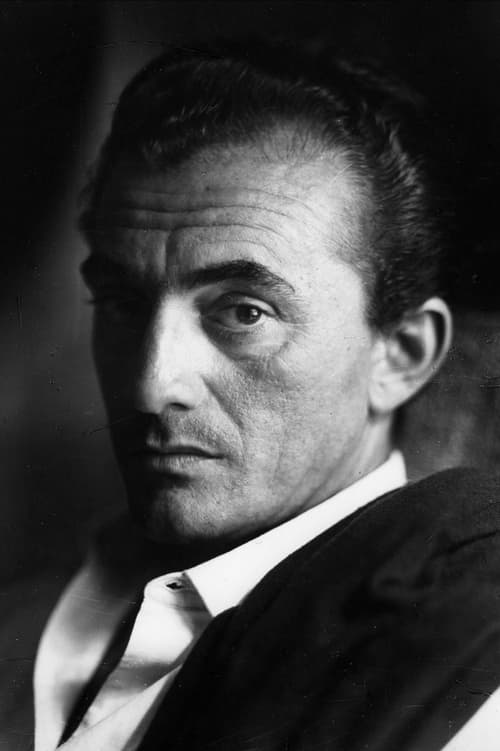
Luchino Visconti
He had furniture brought in period-accurate even when it would stay out of frame; the actors could only perform inside the correct objects.
THE WORLD OF Luchino Visconti
Visconti came from a ducal family and was a communist; his cinema burns with a tension between those two worlds that never goes out. In La Terra Trema he filmed Sicilian fishermen using real villagers speaking their own dialect. In Rocco and His Brothers the sons of a family who move from the South to Milan lose one another and themselves inside the big city.
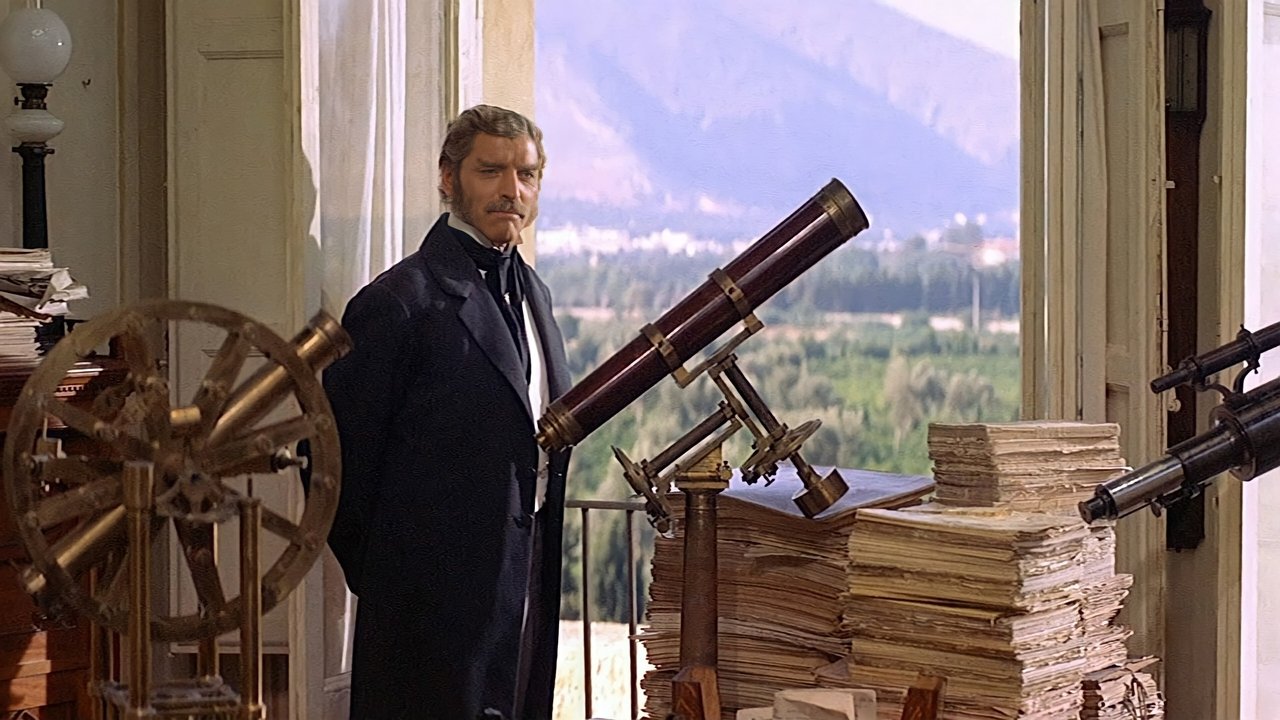
But he gave his great film to the collapse of his own class. In The Leopard a Sicilian prince understands that Italian unification spells the end of his old world, and he watches it quietly, with dignity, but never deceived. The great ball in the film's last part goes on and on; candles melt, the dances end, the prince sees himself growing old in a mirror.
Visconti came from opera and built his images like a stage: costumes, furniture, light, everything real and heavy. In Death in Venice an ageing composer walks toward death in pursuit of beauty. His films catch the last light of a world at the very moment it goes out.
- CameraPulls back; it wants the whole room.
- SoundOpera, the hum of a crowded hall.
- SignatureA long ball sequence; by the end nobody is the same.
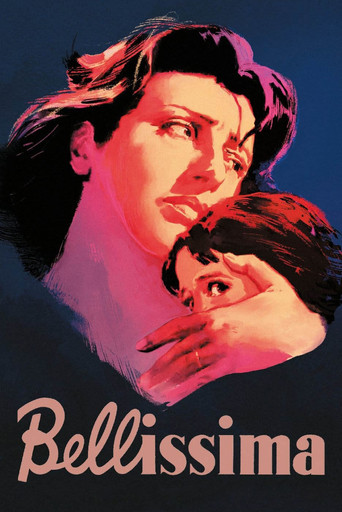
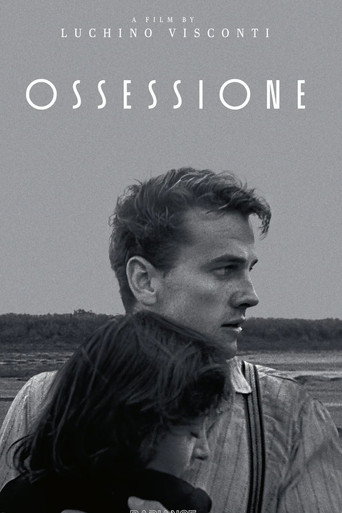
Canon films




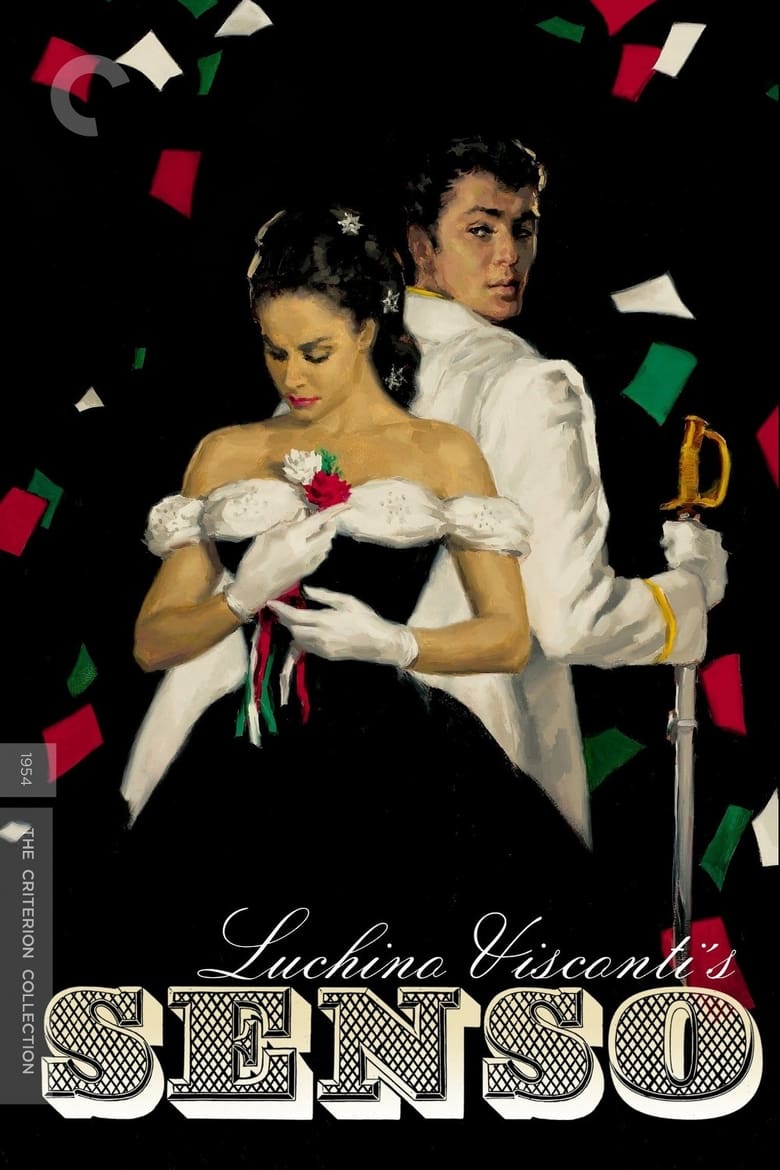

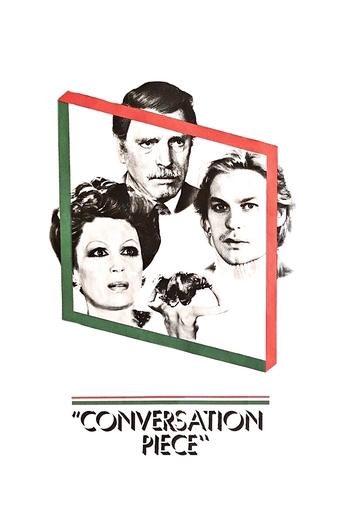
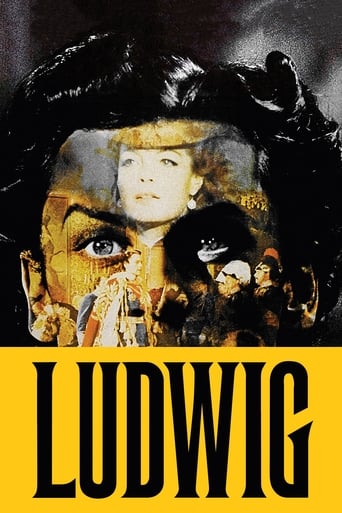
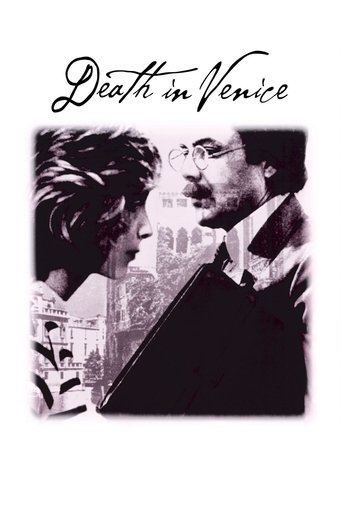
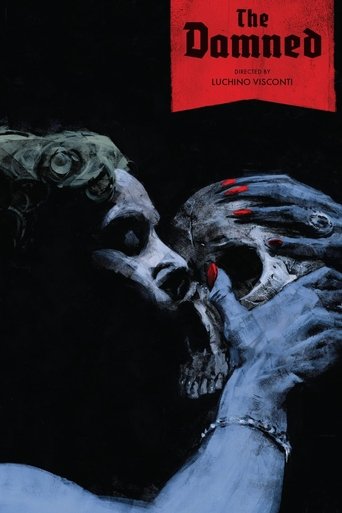

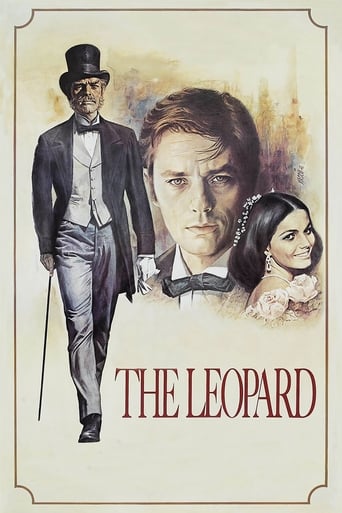


Awards
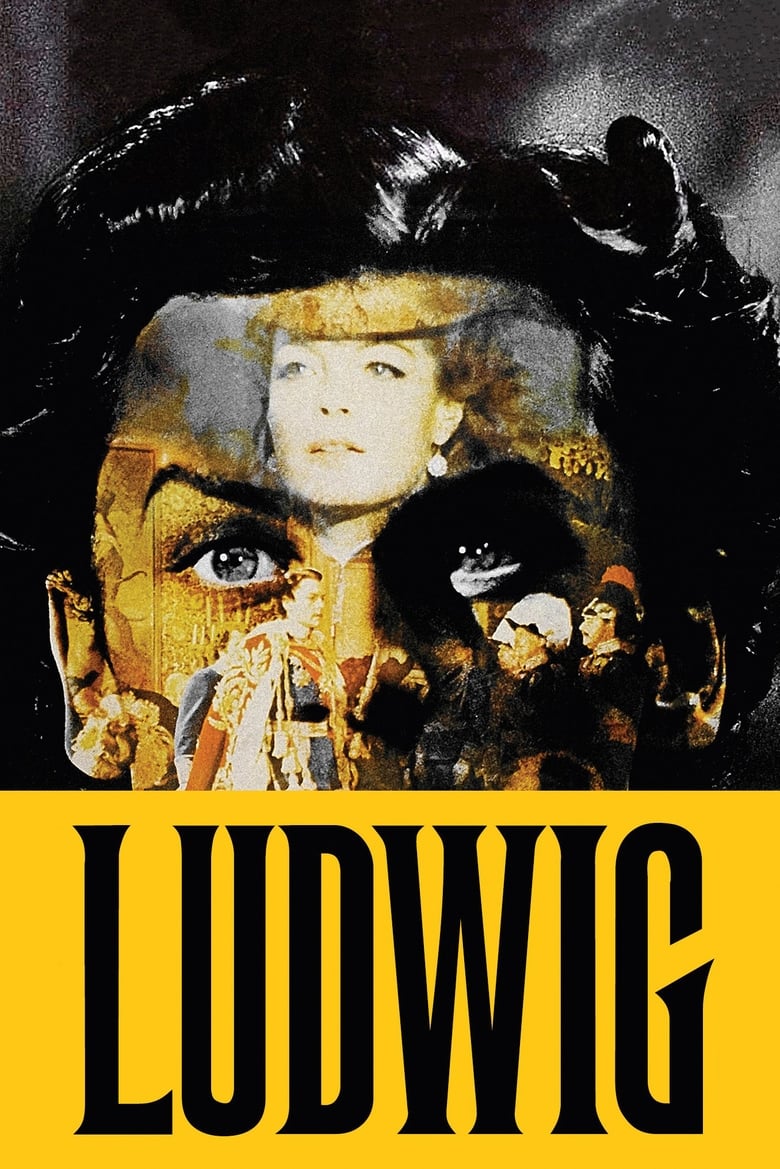
- David di Donatello · 1972 · won · Ludwig
- Best DirectionBAFTA · 1971 · nominated · Death in Venice
- David di Donatello · 1970 · won · Morte a Venezia
- Writing (Story and Screenplay – Based on Material Not Previously Published or Produced)Academy Awards · 1969 · nominated · The Damned
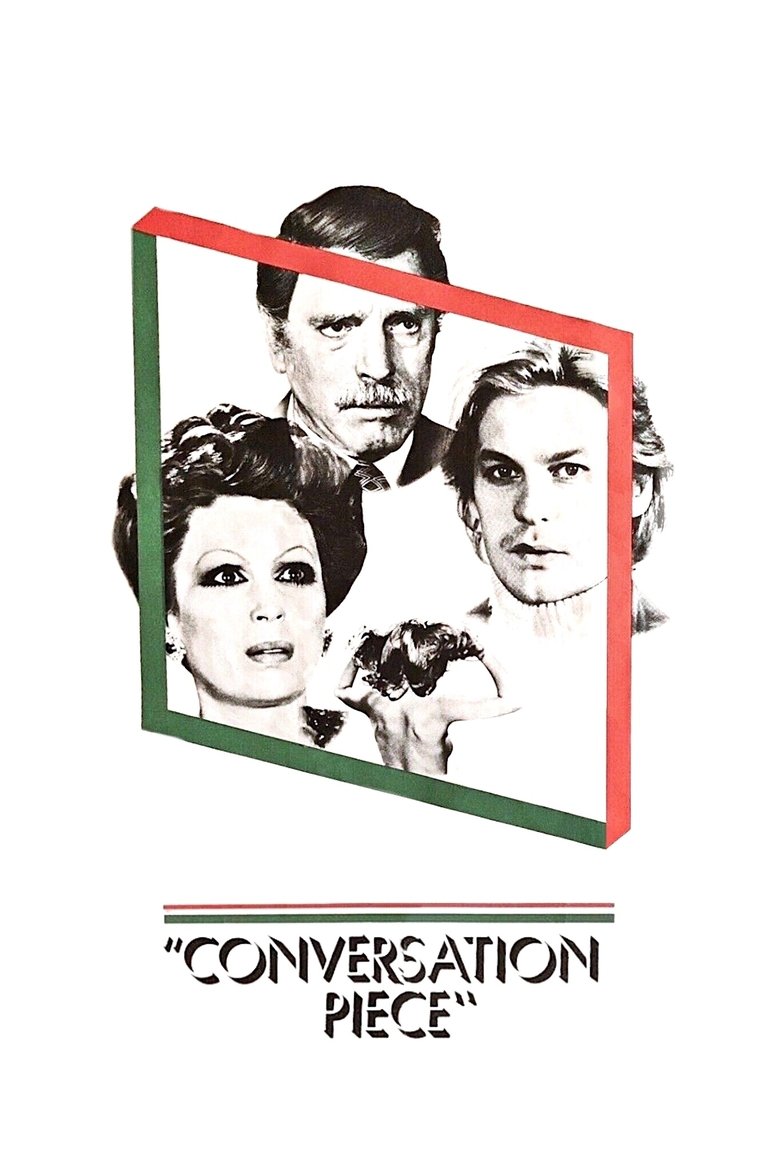
- Valladolid International Film Festival (Seminci) · 1975 · won · Conversation Piece
- Valladolid International Film Festival (Seminci) · 1973 · won · Ludwig
- Venice Film Festival · 1965 · won · Sandra
- Cannes Film Festival · 1963 · won · The Leopard