
© Bibliothèque nationale de France · Public domain · Wikimedia Commons
Italy · 1912–2007
Michelangelo Antonioni
He left the camera running after the characters walked out of frame; the emptied space became the film itself.
“People do not understand one another; instead of explaining this I try to show it.”
Antonioni'nin Cannes bildirisi ve röportajları
THE WORLD OF Michelangelo Antonioni
In L'Avventura a woman disappears on an island she has gone to with friends. Her lover and her best friend start searching for her, then slowly stop searching and turn toward each other. She is never found, and the film does not explain. In Antonioni's cinema what truly disappears is people's ability to touch one another.
He watched characters walking among architecture, empty streets, glass buildings. At the end of L'Eclisse two lovers agree to meet at a corner and neither comes; in their place the camera shows, at length, the corner, the street lamp, a puddle, the passers-by. When he first used colour in Red Desert, he turned factory smoke and painted fruit into the colour of a woman's inner turmoil.
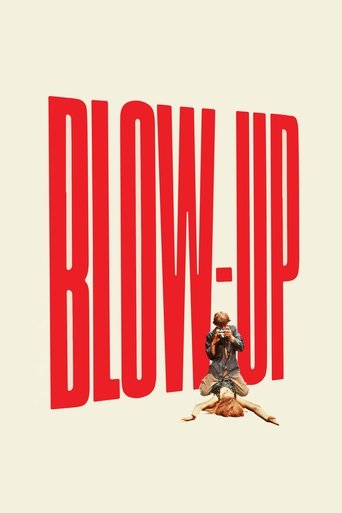
In Blow-Up a photographer in London enlarges pictures he took in a park and believes he can see a body; but the more he enlarges the image, the more it dissolves. That is exactly Antonioni's world: the closer you look, the less sure you are.
- CameraRemains in the space after the person is gone.
- SoundWind, a factory, the long gap between lines.
- SignatureA frame in which architecture dwarfs the person.
Where to start
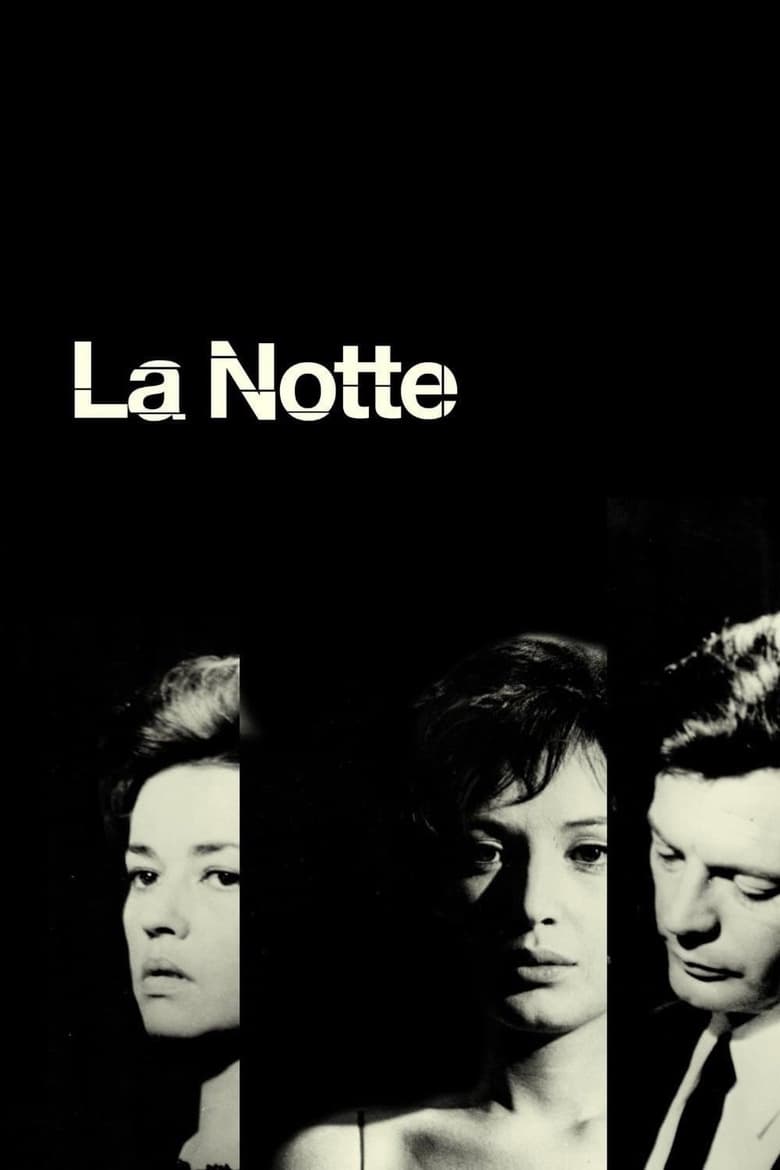
Canon films





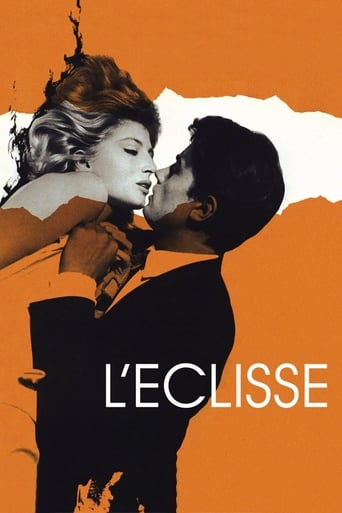
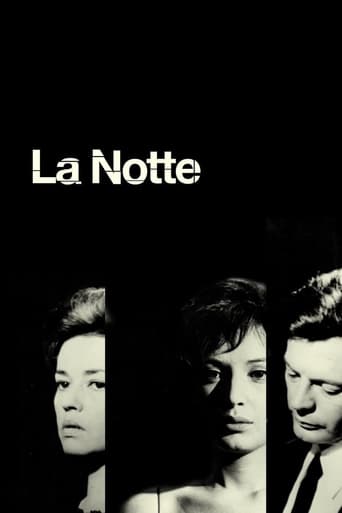

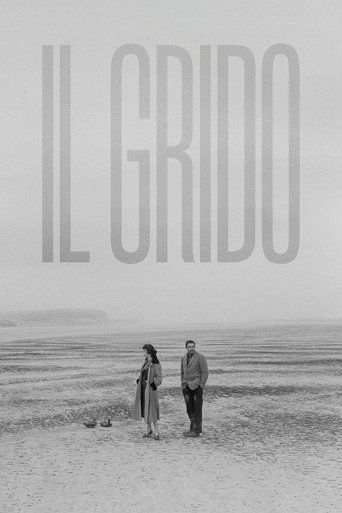

Awards
- Best British FilmBAFTA · 1967 · nominated · Blowup
- Best DirectingAcademy Awards · 1966 · nominated · Blowup
- Writing (Story and Screenplay – Written Directly for the Screen)Academy Awards · 1966 · nominated · Blowup
- David di Donatello · 1960 · won · La notte
- Venice Film Festival · 1964 · won · Red Desert
- Berlin International Film Festival · 1961 · won · La Notte
- Locarno Film Festival · 1957 · won · Il grido


