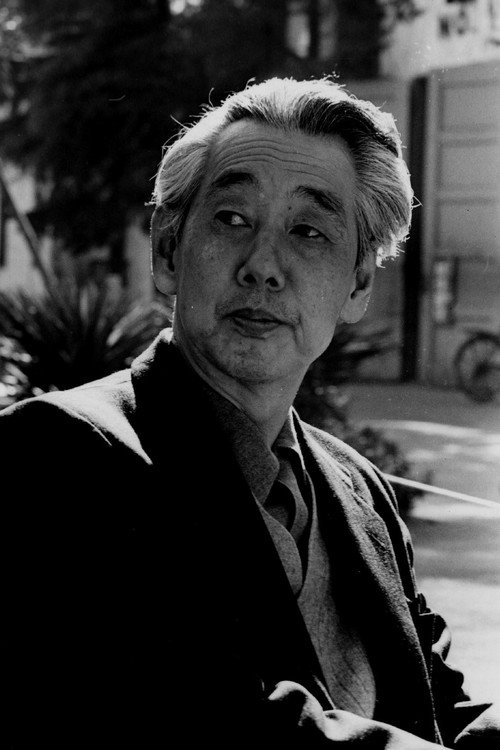
Japan · 1905–1969
Mikio Naruse
He was allowed to direct only after about ten years as a prop man and assistant at the studio.
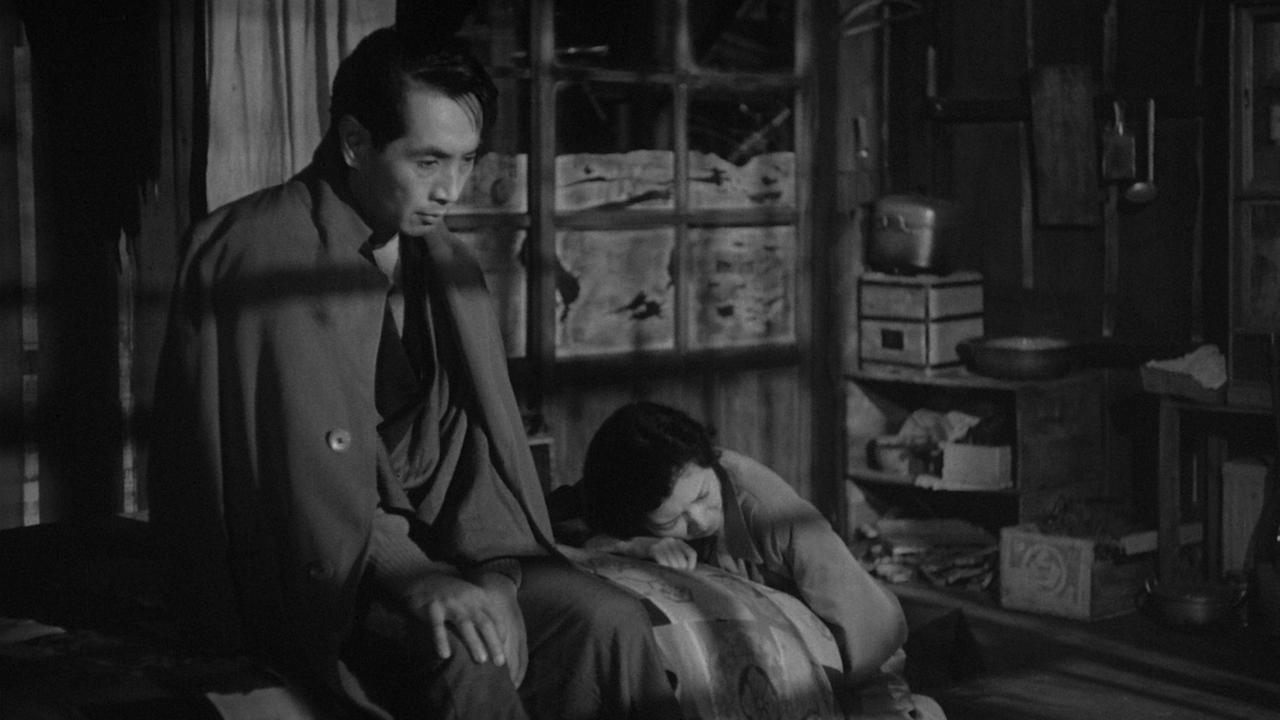
In Naruse's films life does not improve. A woman works, clears a debt, breathes a little, and then falls back to the same place. That repetition is not pessimism but an economic observation.
His editing is built from a great many short shots, yet you do not notice while watching; the flow seems of one piece. Beneath the calm surface runs a fast current, and the tension of the film comes from there.
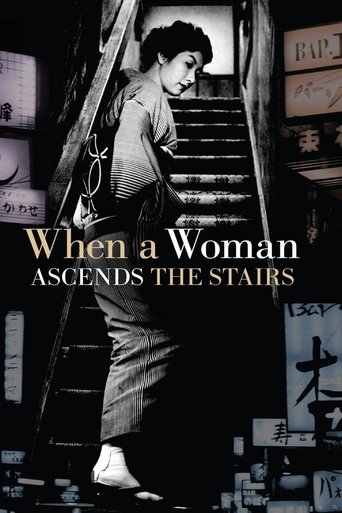
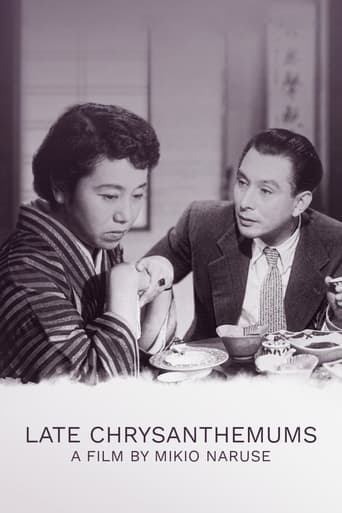
He filmed his women without soliciting pity. They calculate, they bargain, they lie when they must; survival is not a display of virtue but daily work. Within the family narrative of Japanese cinema his is the coolest gaze.
Where to start