United States · 1915–1985
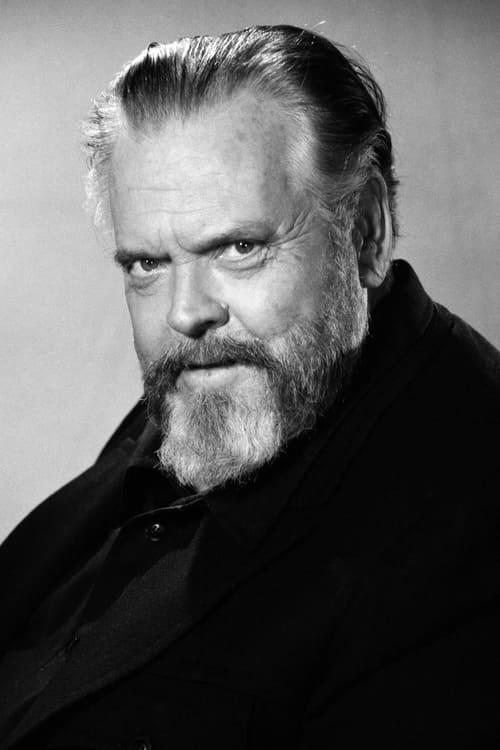
Orson Welles
He began without having learned cinema, and so did not know what could not be done.
“A film is never really good unless the camera is an eye in the head of a poet.”
Welles röportajı — sinema yazınında kayıtlı
THE WORLD OF Orson Welles
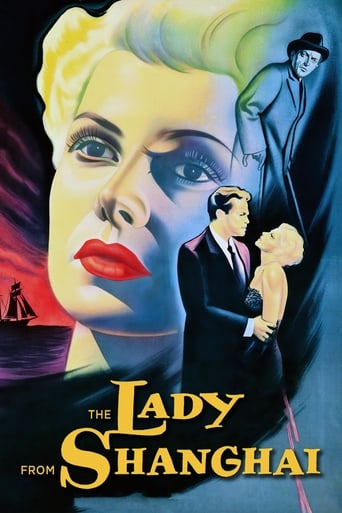
Welles's story is usually told through a beginning: a first film, made in his twenties, for which a studio handed him everything. But his real story comes after: films taken out of his hands, projects left half done, a man spending years looking for money to shoot a single scene. Citizen Kane was a door. Welles spent the rest of his life behind it, trying to finish his own films.
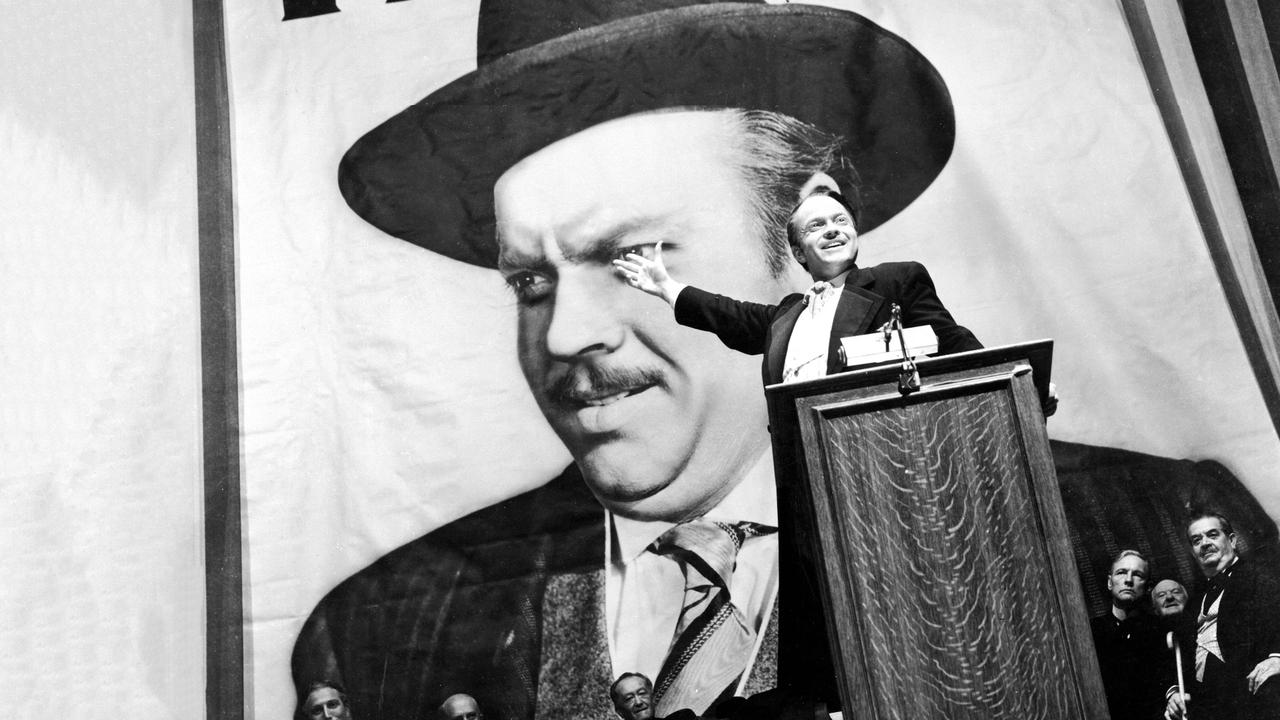
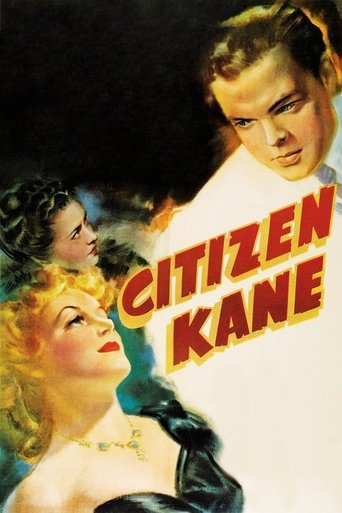
He came to Hollywood from radio. His War of the Worlds broadcast became famous for the listeners who believed the Martians had really landed; Welles knew how to build a world out of sound. In Citizen Kane he did the same with images. With cinematographer Gregg Toland he kept both the front and the back of each shot in focus; ceilings appeared, rooms deepened, and a man's life turned into contradictory answers to a reporter's questions.
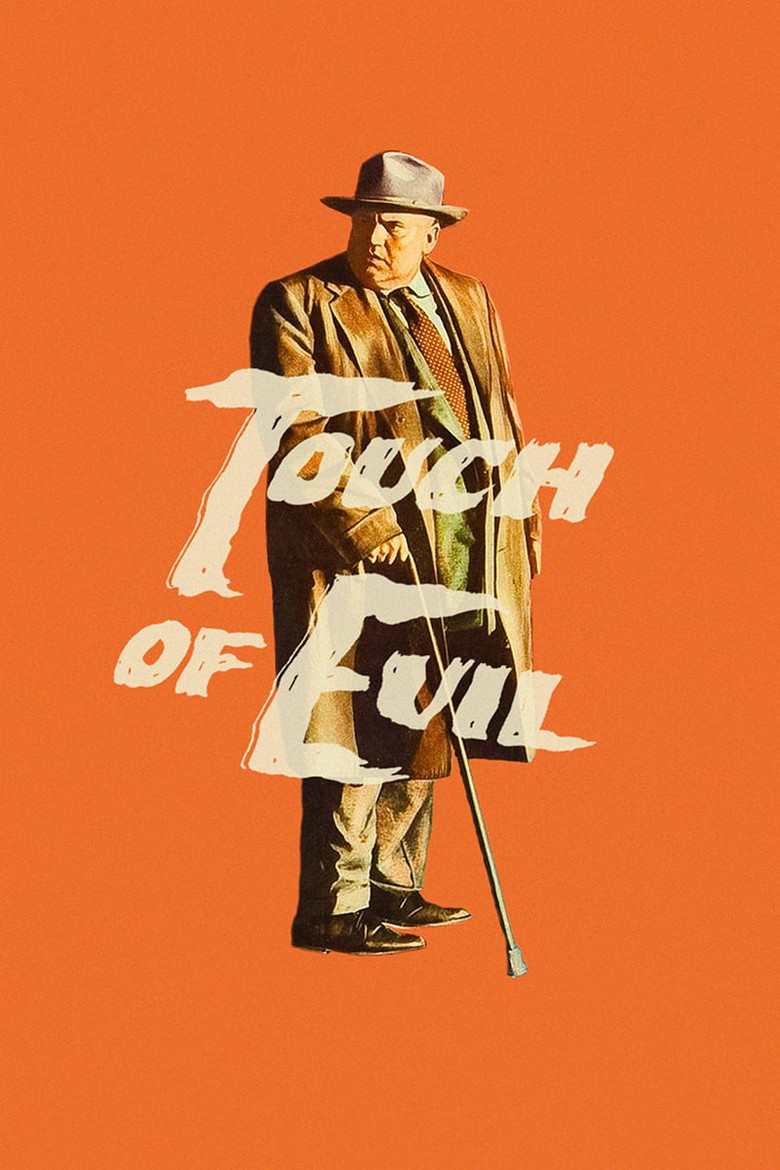
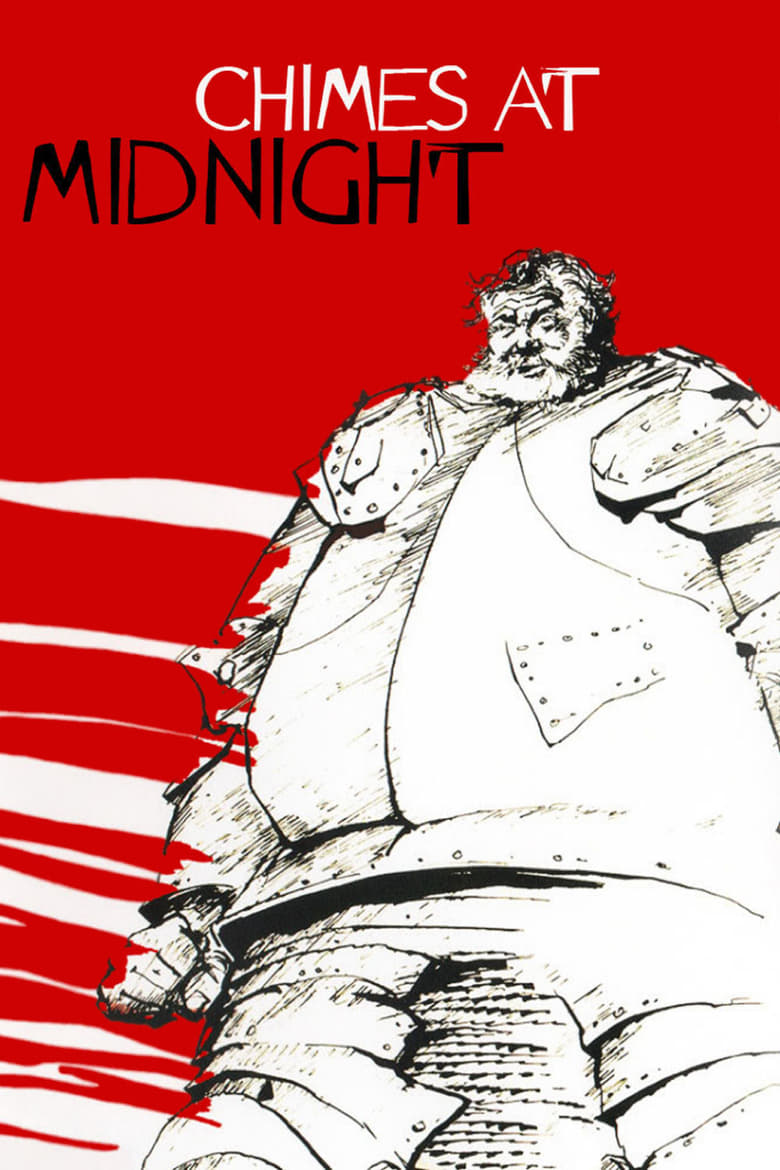
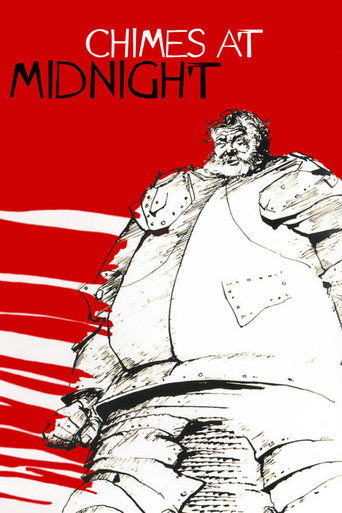
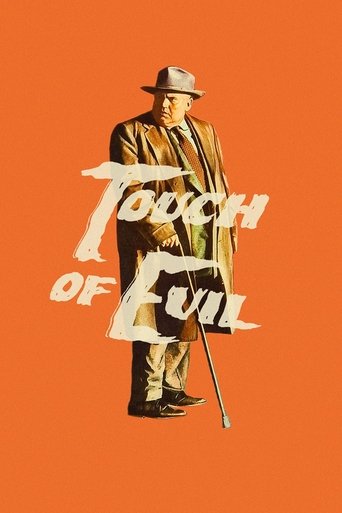
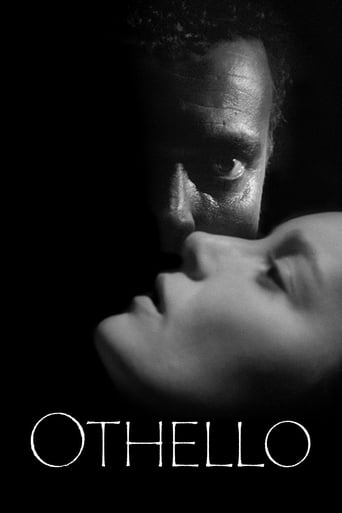
His next film, The Magnificent Ambersons, was cut down by the studio while he was abroad, its ending changed, the removed footage lost. From then on his career moved like a negotiation. In the opening of Touch of Evil the camera glides unbroken over a border town, counting down the ticking of a bomb. In Europe he filmed Shakespeare with his own money and his own actors; in Chimes at Midnight he played Falstaff and showed a friendship ending in betrayal on a fog-bound battlefield.
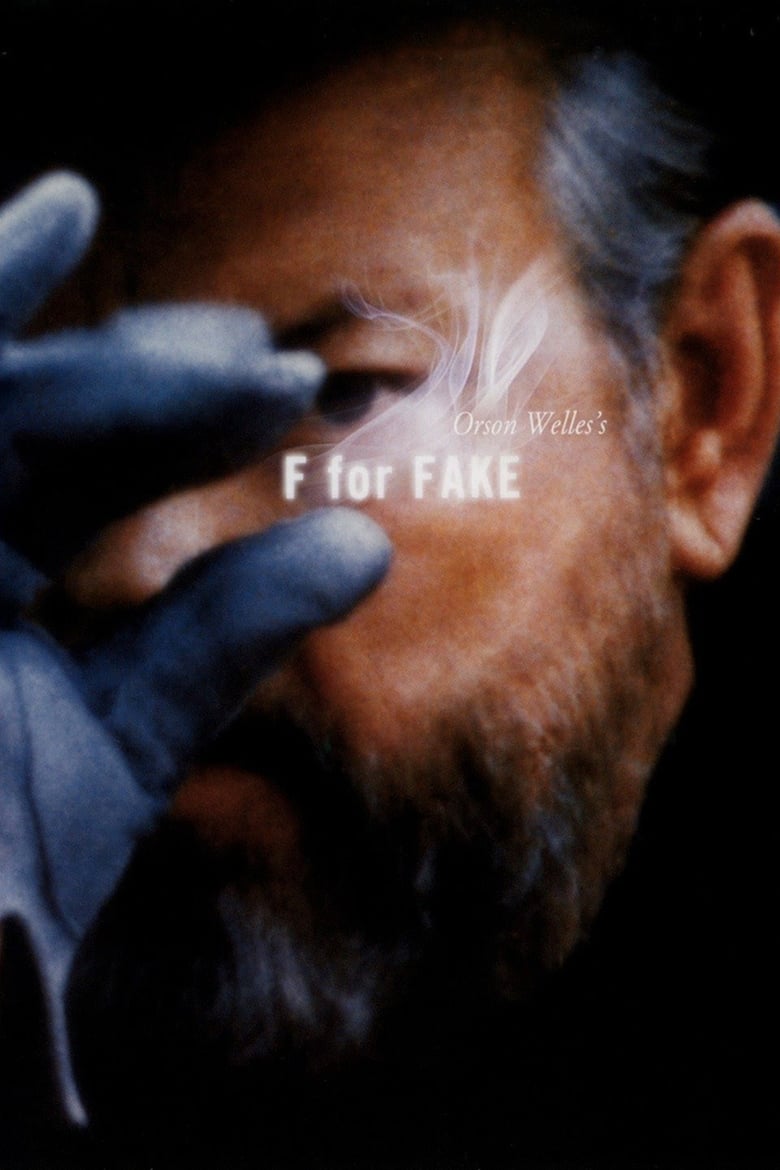
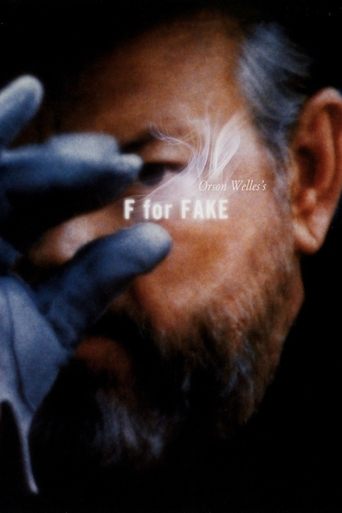
In F for Fake he built a game around forgery, art and his own legend, and lied to the audience with a smile. His last great project, The Other Side of the Wind, could only be completed years after his death.
Welles's is a cinema of the unfinished. But even its broken pieces are braver than many finished films.
- CameraLooks up from below; the ceiling enters the frame.
- SoundOverlapping voices, radio technique, echo.
- SignatureDeep focus — two distances in one frame.
Where to start
Canon films







Awards
- Writing (Original Screenplay)Academy Awards · 1947 · nominated · Monsieur Verdoux
- Academy Awards · 1941 · won · Citizen Kane
- Best ActorAcademy Awards · 1941 · nominated · Citizen Kane
- Best DirectingAcademy Awards · 1941 · nominated · Citizen Kane
- Cannes Film Festival · 1952 · won · Othello