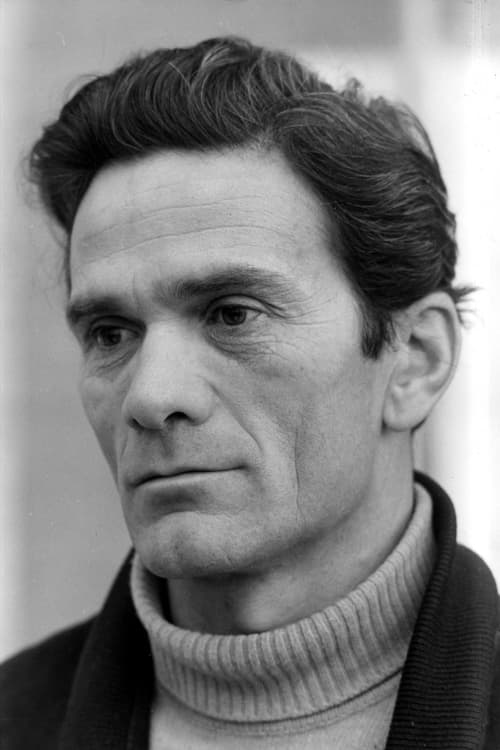
Italy · 1922–1975
Pier Paolo Pasolini
He came to cinema as a poet and novelist, and found his actors in the street.
The faces in Pasolini's films are not professional, and that is a matter of belief rather than aesthetics. For him the person who should stand before the camera is the person who lives the life being told.
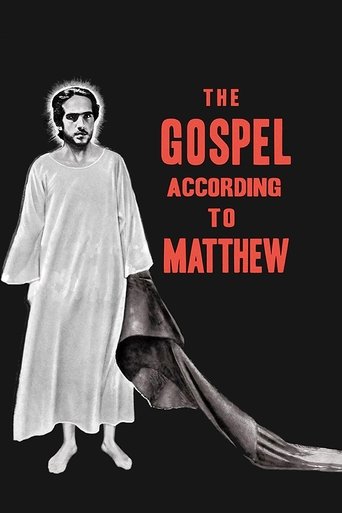
He placed the sacred and the vulgar in the same frame. He shot a gospel adaptation in the poorest villages of southern Italy; the saint's face was a shepherd's face. That juxtaposition was not provocation but an argument: holiness is already there.
His late films were built not to disturb the viewer but to show how power uses the body. They are still not films one can watch without argument, and that too is deliberate.
In Italian cinema, the one vein where literature and politics speak directly was opened by him.
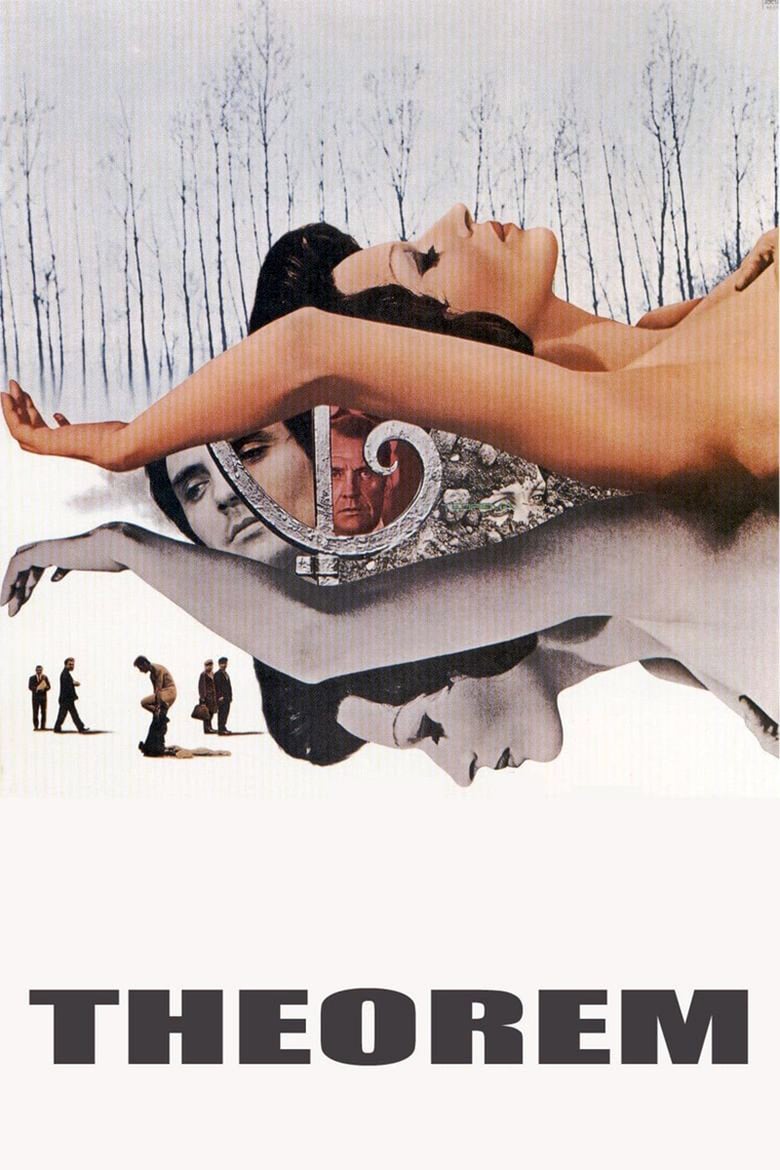
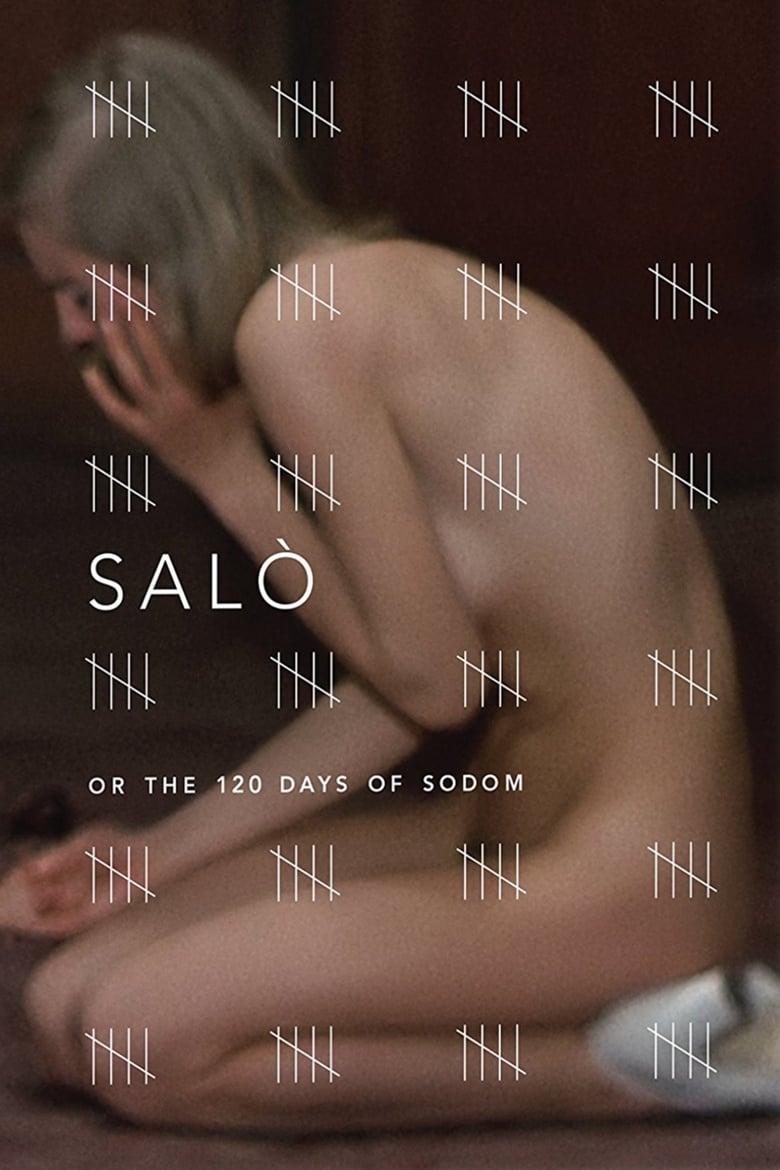
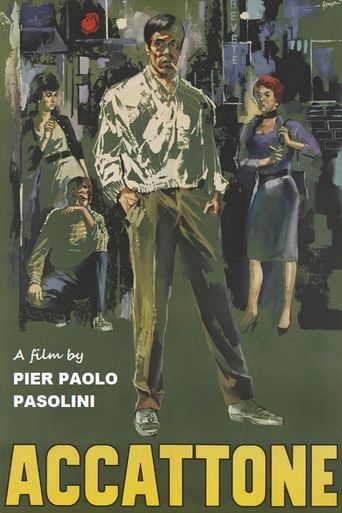
Canon films





Awards
- United Nations AwardBAFTA · 1967 · nominated · The Gospel According to St. Matthew
- Writing (Story and Screenplay – Written Directly for the Screen)Academy Awards · 1961 · nominated · La Dolce Vita
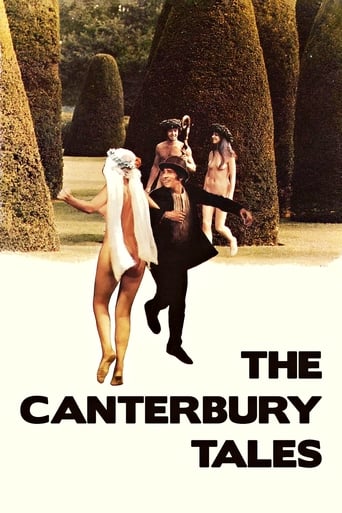
- Berlin International Film Festival · 1972 · won · The Canterbury Tales


