India · 1925–1976
Ritwik Ghatak
He came from theatre and poetry, and never accepted the partition.
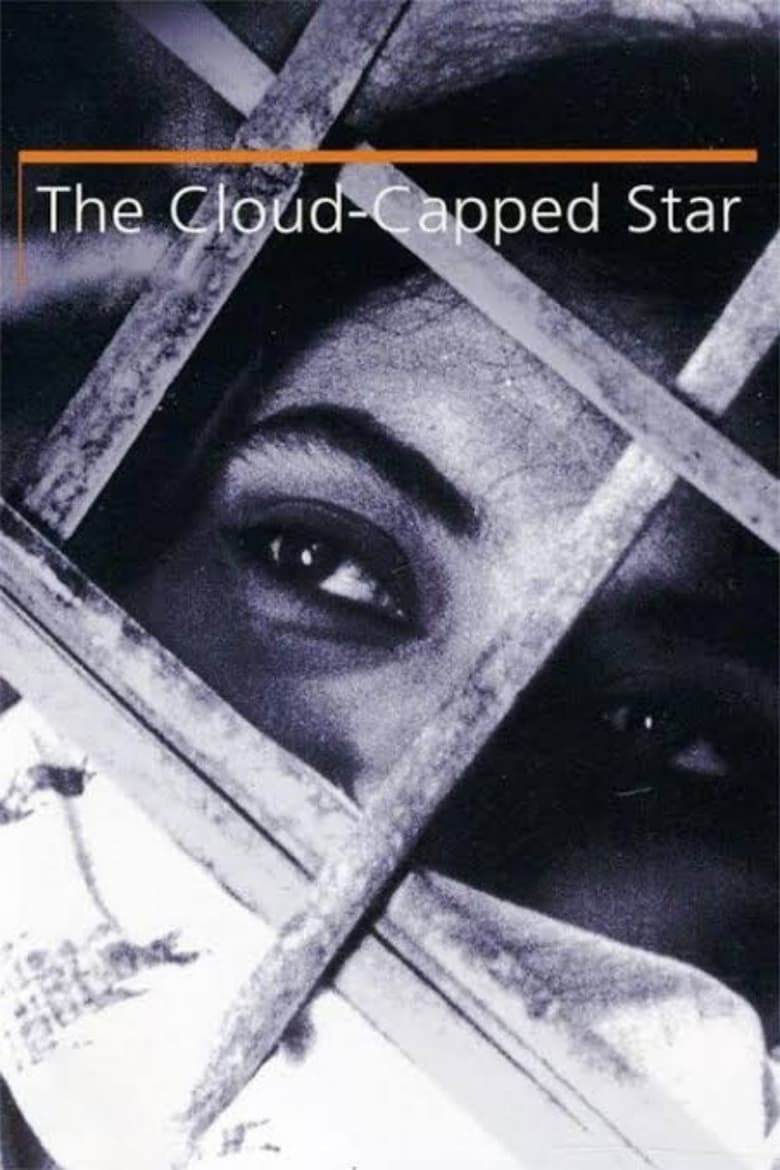
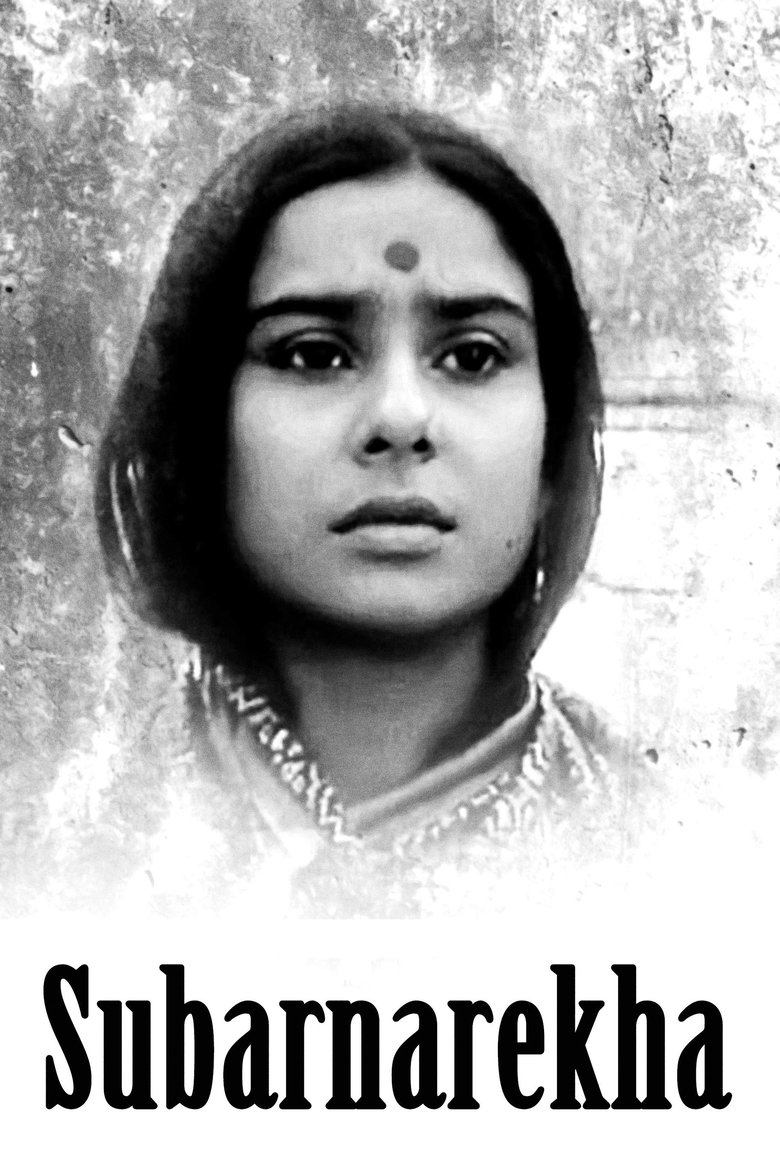
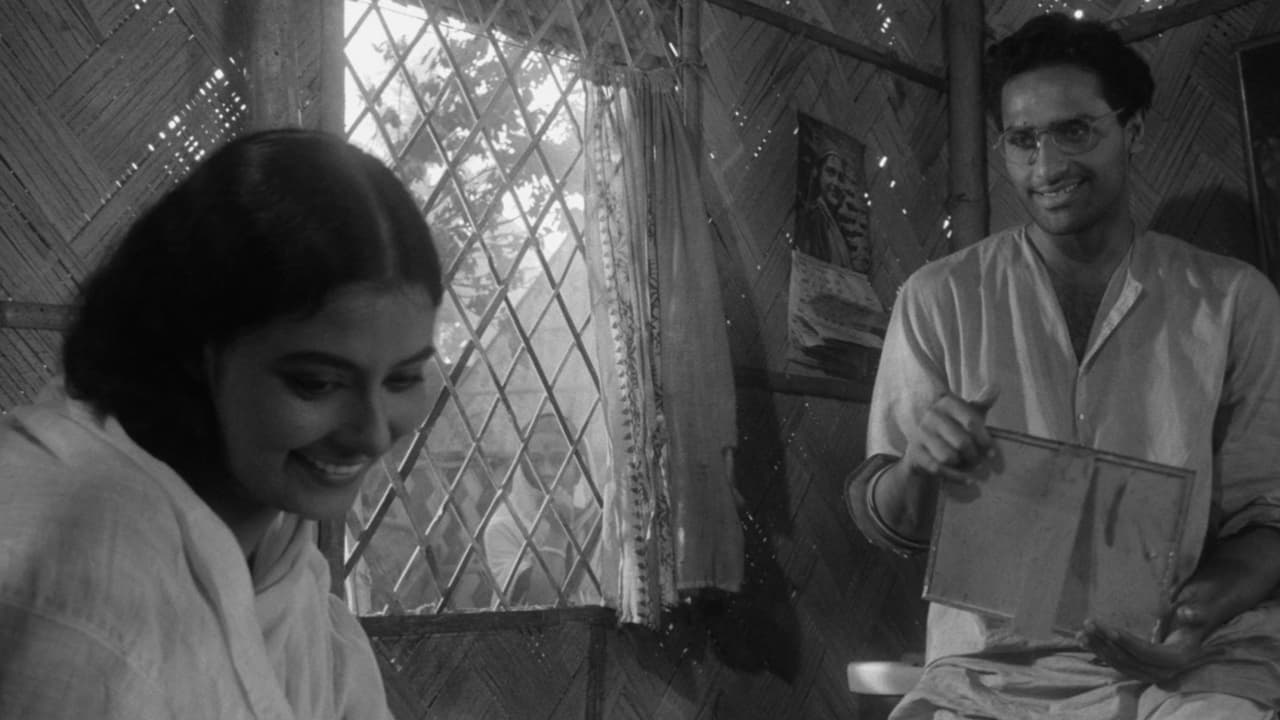
All of Ghatak's films speak from the same wound: the partition of Bengal and a people losing their home. The refugee camp, the rented room, the overcrowded family — all of it follows from that rupture.
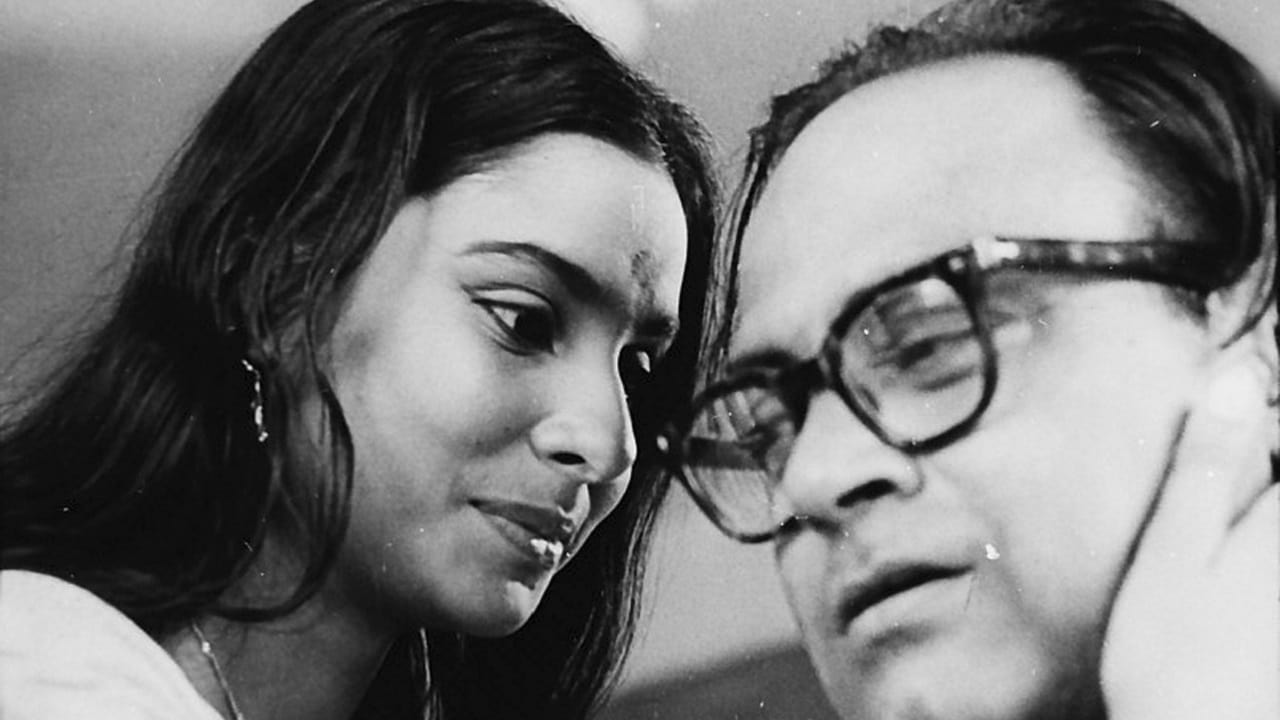
He did not refuse melodrama; he used it to the full. Voices rise, music enters, gestures grow large. For him, pain told with measure became invisible; to lower the volume would have been a kind of lie.
In the same period another director in Bengal built a quieter language, and the world knew him sooner. Ghatak's films did not reach a wide audience in his lifetime; their real reception came later, especially among generations studying film in India — he himself taught briefly at that school.