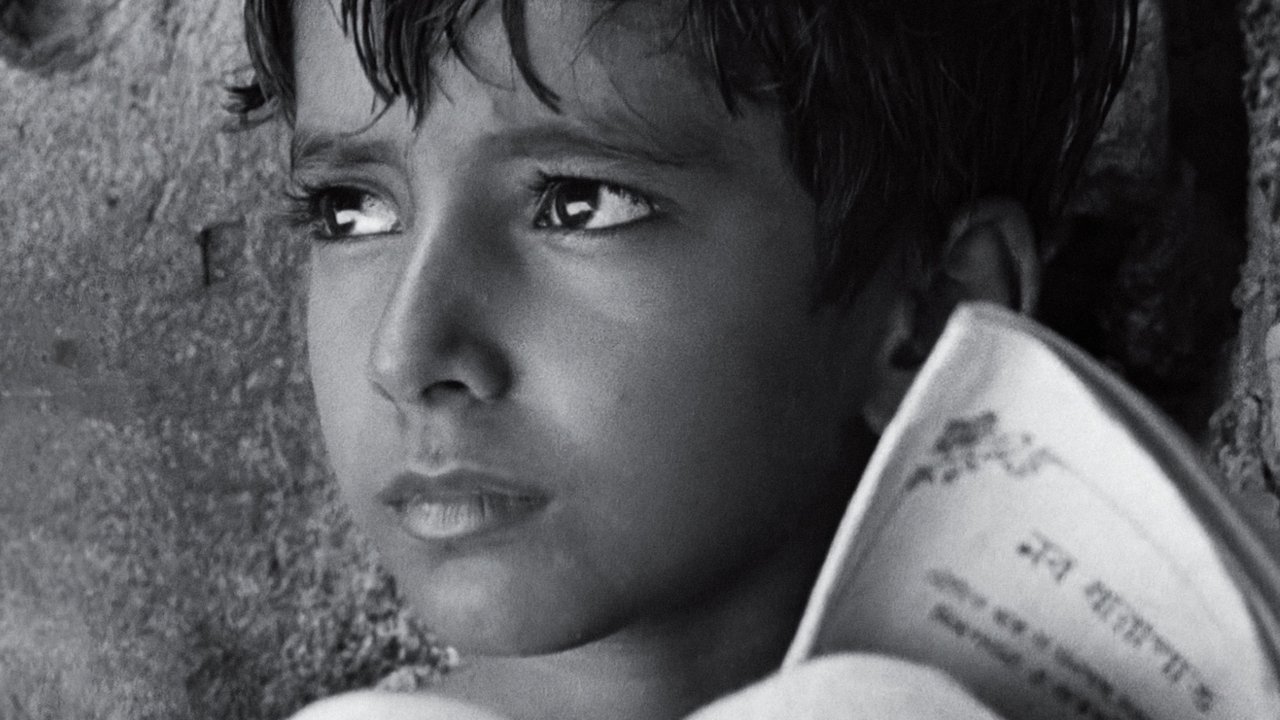
Country room
India
How many cinemas can one country have?
Why might two films made in the same country never have seen each other?
Cinema in India did not begin in one place.
It began in eight places, in eight languages.
A director in Kerala is shooting in Malayalam. Eight hundred kilometres north another is shooting in Bengali. The same year, the same country, funded by the same state. They have not seen each other's films. They have probably not heard of each other.
That is not a disconnection. It is a structure.
Cinema in India did not spread from one centre. Bombay filmed in Hindi, Calcutta in Bengali, Madras in Tamil, Kerala in Malayalam. Each had its own studios, its own stars, its own audience. A Tamil film does not screen in Calcutta; a Bengali film does not take in Madras. Cinemas inside one country that never hear each other.
From outside it all looks like Indian cinema. From inside there are nine separate ones.
Read more
On this page we will visit them one at a time. Ray's Bengali, Adoor's Malayalam, Kasaravalli's Kannada. Some are large — Hindi is the widest vein, with fifty films. Some are small: there is a single film in Assamese, and a woman made it alone, with her own camera.
Being small is not being less important. It is only being fewer.
Let us say one thing at the start: the dance sequences of Bollywood are not here. They are India's most visible face and among the most watched films in the world. But this room is about something else — films where the camera looks at few people for a long time.
The two live in the same country at the same time and do not much like each other. That too is a language.
The Chain

Pather Panchali
Ray worked in advertising and had never made a film; he raised the money by pawning his wife's jewellery. When it screened at Cannes it was the first time anyone noticed India had a cinema.

Pyaasa
A poet nobody will publish becomes famous when he is presumed dead. Guru Dutt made this, and died five years later.

The Cloud-Capped Star
The daughter of a family fleeing partition carries everyone. Nobody asks her. At the end she shouts from a hillside: I want to live.

Charulata
In an 1870s house: a lonely wife, a busy husband, a poet cousin. Ray called this his own favourite among his films.

Bhuvan Shome
A rigid railway officer takes a holiday and a village woman changes him. The Indian new wave is taken to begin here.

Swayamvaram
A couple who eloped look for work and do not find it. Kerala's own cinema begins here, and it never once looked towards Bombay.

Ankur
A landowner's son returns to the village, something happens with the woman in the house, then he leaves. Parallel cinema — the quiet sibling growing up beside Bollywood — starts here.

Akaler Sandhane
A crew arrives to shoot a film about famine; the village is already hungry. Sen turned the camera on his own profession and asked an uncomfortable question.
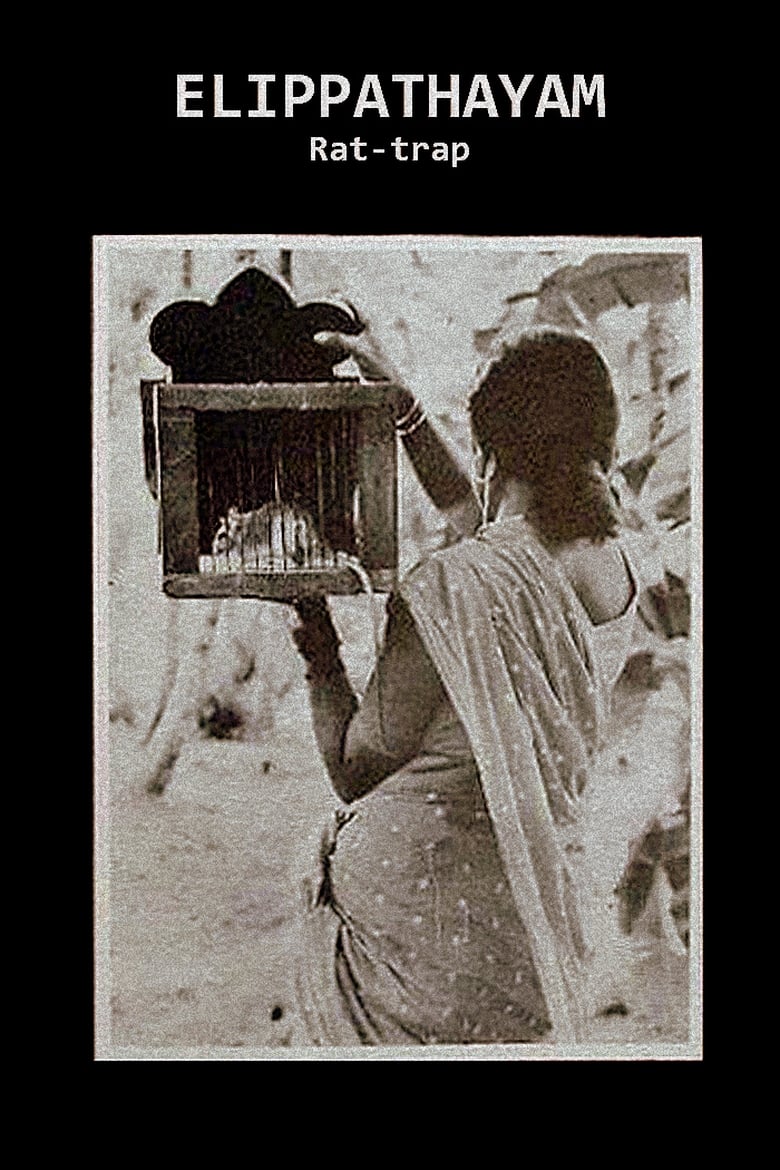
Elippathayam
The last man of a collapsing house will not go out. His sisters leave. The title means rat trap, and who it was set for is never said.

Paar
A poor couple drives a herd of pigs across a river. The woman is pregnant. The film's longest scene is that crossing and the camera never cuts.

Tabarana Kathe
A retired clerk waits for his pension. His file moves from desk to desk. Kannada cinema's best-known director looked at the same thing across six films: one person inside a system.

Nayakan
A boy who saw his father murdered becomes the boss of Bombay. Tamil cinema found a place here between the commercial and the artistic, and stayed there.

Daasi
A girl sold in the 1920s, a servant in a house. Telugu art cinema consists of almost one man, and this is his film.

Court
An old singer is tried for a song said to have driven a worker to suicide. Tamhane was twenty-seven, and he carried Marathi cinema into the world.

Village Rockstars
A ten-year-old girl wants a guitar. Rima Das made the film alone — camera, editing, production, all of it — and Assamese cinema was sent to the Oscars for the first time.
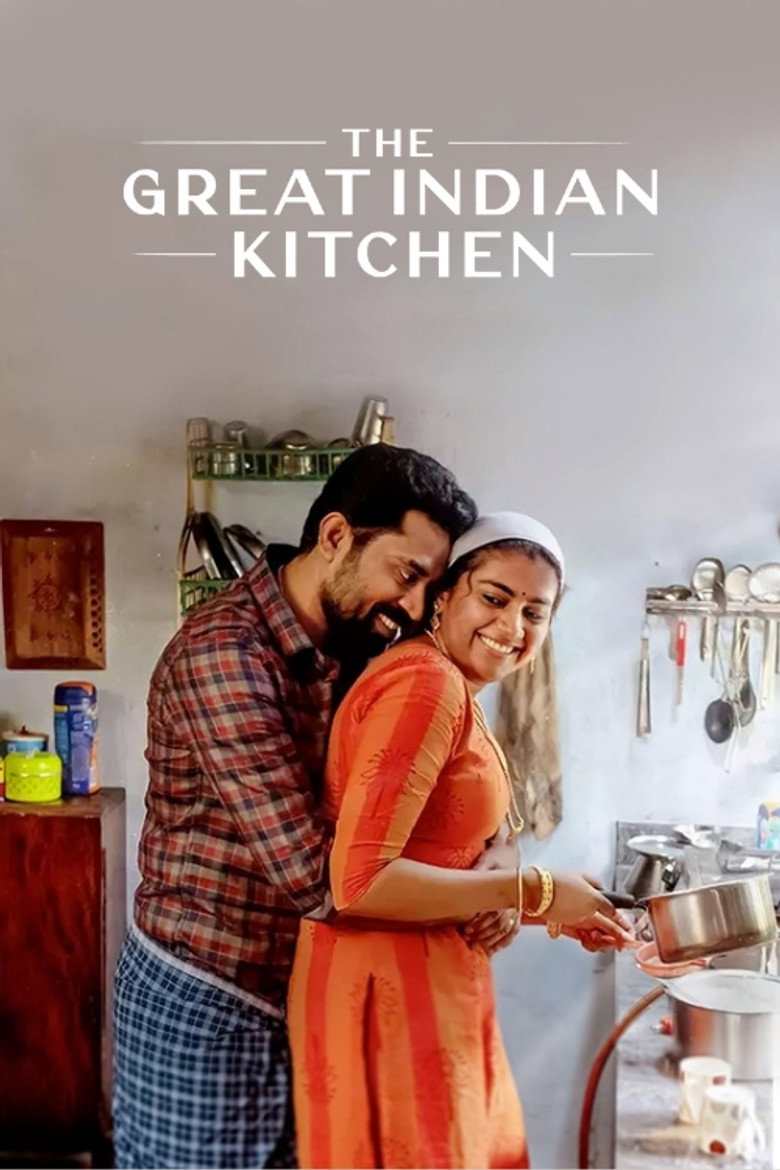
The Great Indian Kitchen
Food is cooked, dishes washed, the sink blocks, food is cooked again. The film keeps this up for two hours until the viewer cannot take it either. That is the point.