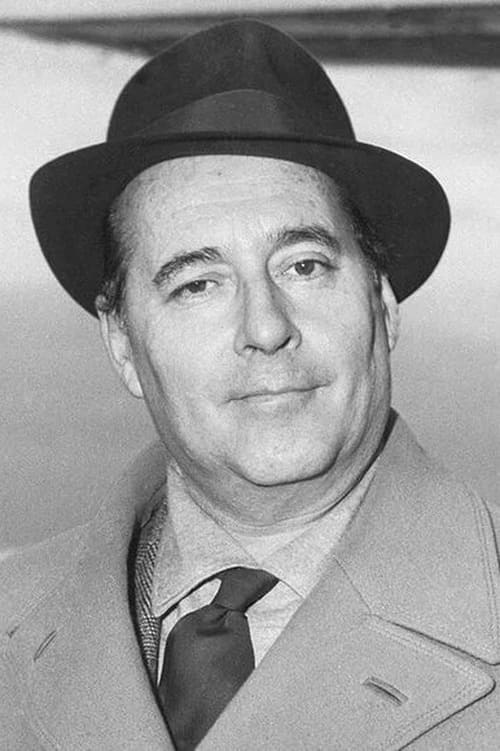
Italy · 1906–1977
Roberto Rossellini
He shot as soon as the war ended with whatever was at hand: damaged stock, real ruins, people who were not actors.
“Things are there. Why manipulate them?”
Rossellini — gerçekçilik üzerine sözü, İtalyan sinema yazınında kayıtlı
THE WORLD OF Roberto Rossellini
In Stromboli Ingrid Bergman plays a foreign woman who, after the war, marries an island fisherman and comes to live on a volcanic island. The island is stone, wind and smoke; both she and we know she does not belong to this world. At the end she climbs the slope of the volcano, collapses with exhaustion and calls out to God. Whether an answer comes, the film does not say.
The films Rossellini and Bergman made together were misunderstood in the shadow of the scandal their love caused. Yet in these films Rossellini was trying something new: the camera that had shown the ruins of war now followed a person's inner ruin with the same plainness, adorning nothing. The young critics in Paris saw it at once.
Until the end of his life Rossellini used cinema as an instrument of curiosity: he travelled through India, and filmed a French king dressing one morning, the daily life of a philosopher, the Messiah talking with people. For him the camera was always a way of learning something and of looking together.
- CameraIn the street, handheld, looking at what is already there.
- SoundReal street noise, dubbed speech, a bell.
- SignatureAn ordinary day passing through ruins.
Canon films







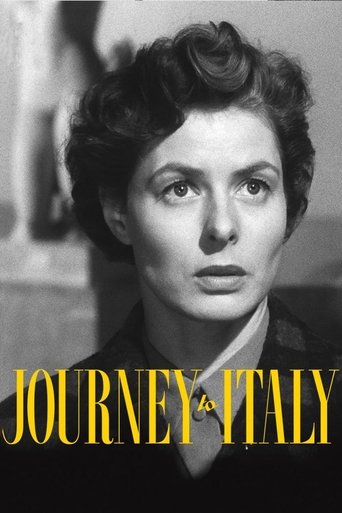
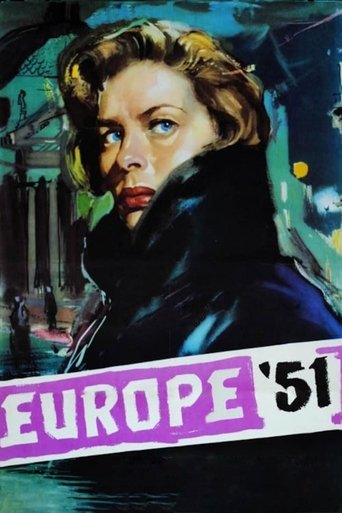

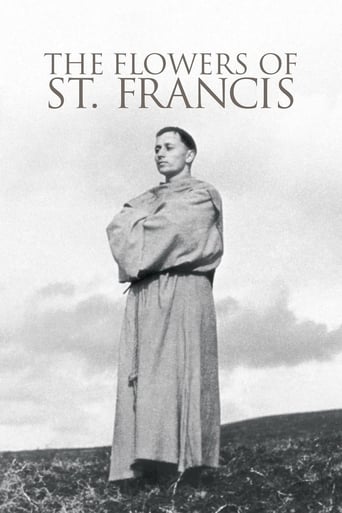
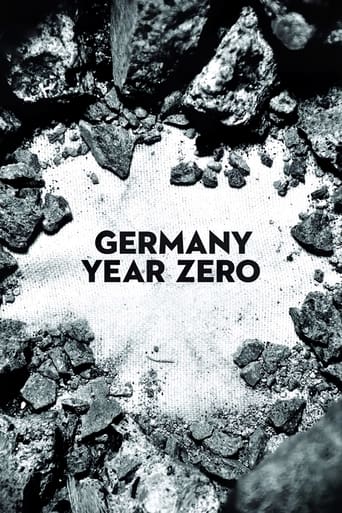

Awards
- Writing (Story and Screenplay)Academy Awards · 1949 · nominated · Paisan
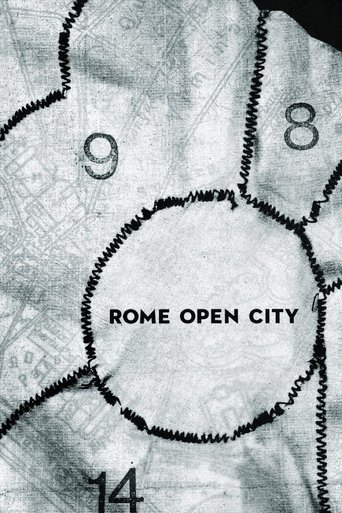
- Writing (Screenplay)Academy Awards · 1946 · nominated · Rome, Open City
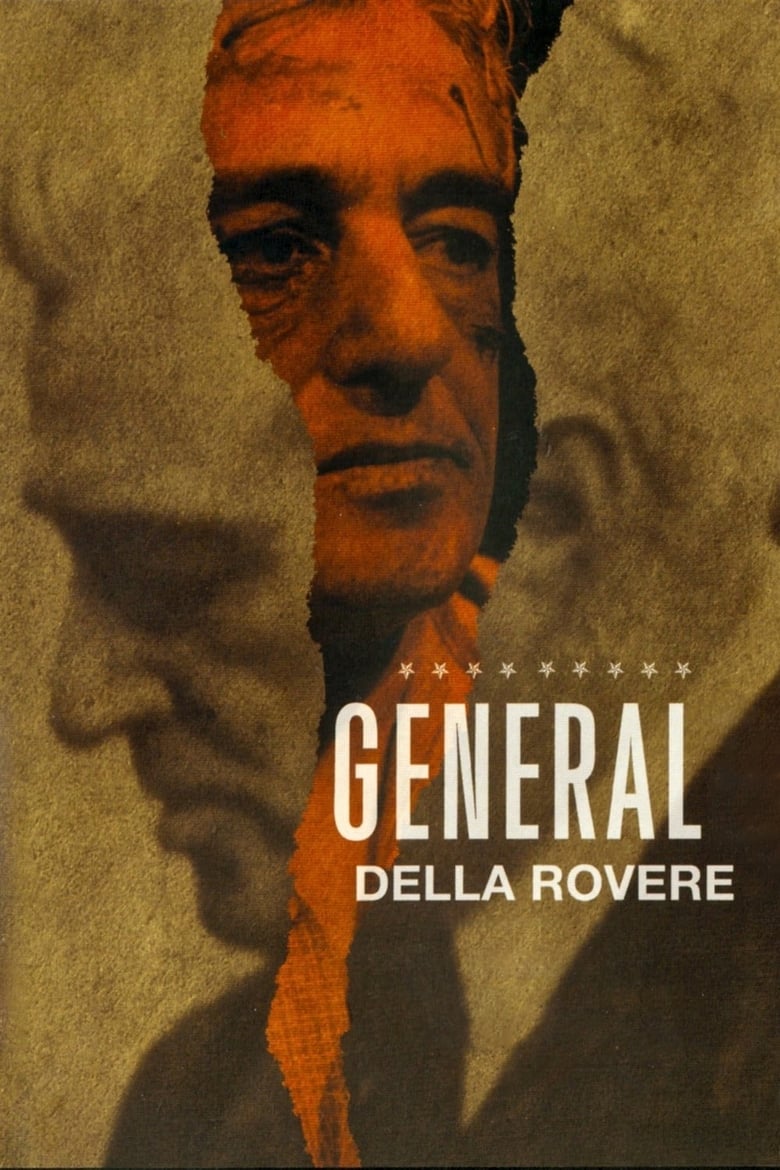
- Venice Film Festival · 1959 · won · General Della Rovere
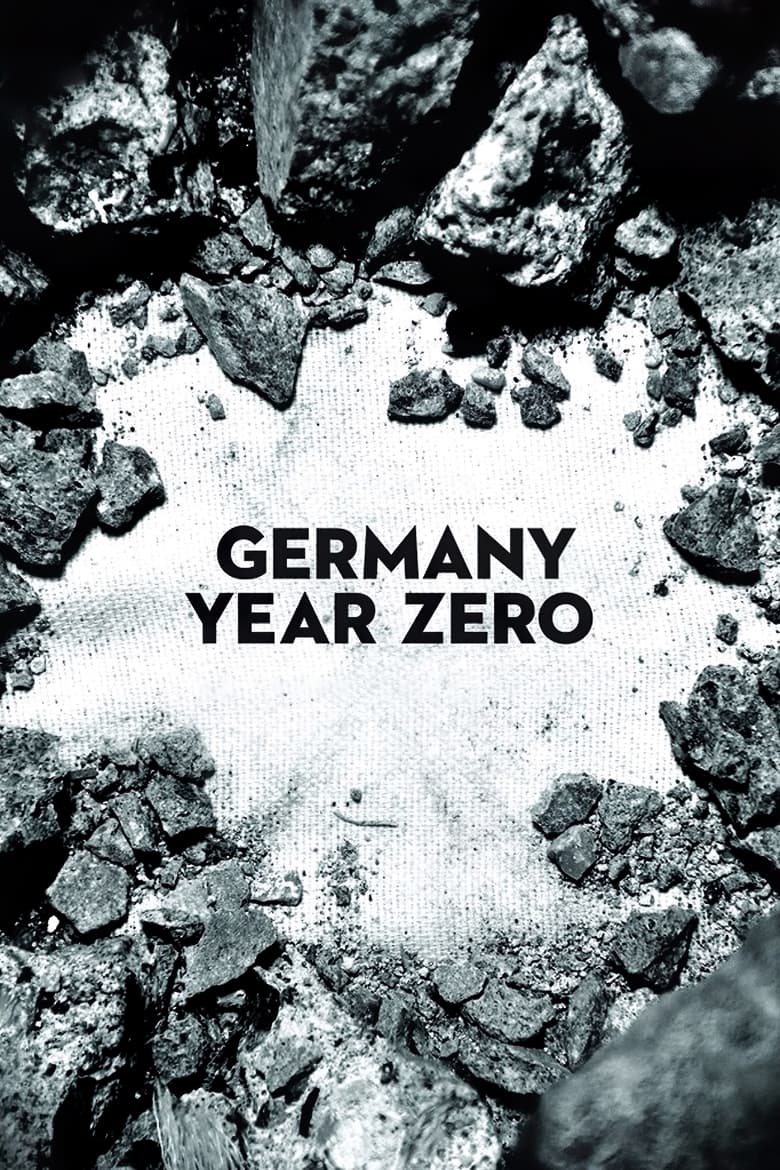
- Locarno Film Festival · 1948 · won · Germany Year Zero
- Cannes Film Festival · 1946 · won · Rome, Open City


