
Türkiye · 1937–1984
Yılmaz Güney
He directed part of his work from prison, through written instructions.
Güney was a star first. One of Yeşilçam's biggest box-office actors, he began making his own films, and those films refused everything stardom carries: no hero, no deliverance, no camera protecting a face.
Property and dispossession sit at the centre of his cinema. Whose land, whose water, who owes what, who is bound to whom. In his work these are material rather than moral questions; if a man is digging for treasure it is because he has never been paid for his labour.
The films he wrote but could not shoot matter as much as those he did. Scripts written in prison were sent to directors outside, and the films were built from those instructions. The method passed into the narration: a distanced, cold gaze that contains no angle favouring the protagonist.
His filmography is the place where cinema in Turkey met politics most harshly; bans, imprisonment and exile are not background to the work but its direct condition of production.
THE WORLD OF Yılmaz Güney
Güney's world is built between the prison and the road. The characters are either shut inside somewhere or trying to reach somewhere; both are versions of the same constraint. Land, debt, honour and the state press on them at once.
He wrote scripts while in prison and his films were shot outside by others; that way of working passed into the structure of the films. The crowded casts, the several stories running at once and the instructions carried by letter have to be thought of together.
- CameraWide landscape and a crowded cast; a face enters close-up only when it must.
- SignatureA family walking in the snow and the train left behind.
Where to start
 Yol 1982
Five prisoners on leave; the outside is another prison.
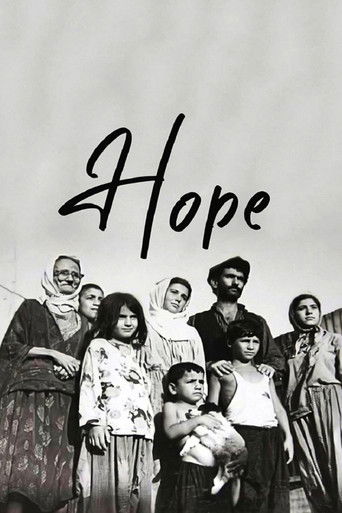
 Umut 1970
The film in which the star is stripped of his gestures; a way out sought underground.
 Duvar 1983
A prison ward rebuilt in exile; the mechanism itself.
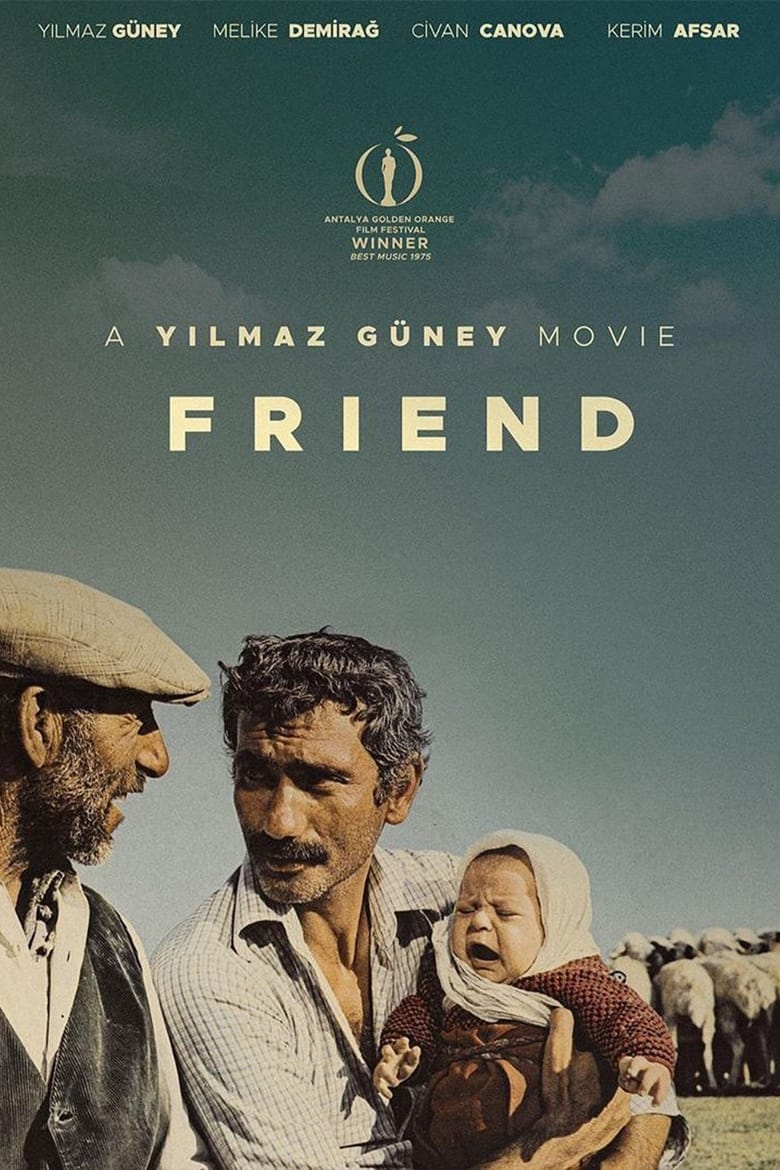 Arkadaş 1974
An old friend arrives in a resort town; class difference opens up over one summer.




Awards
- Cannes Film Festival · 1982 · won · Yol


