Türkiye · 1964
Zeki Demirkubuz
He takes on the camera, the editing and often the producing of his own films.
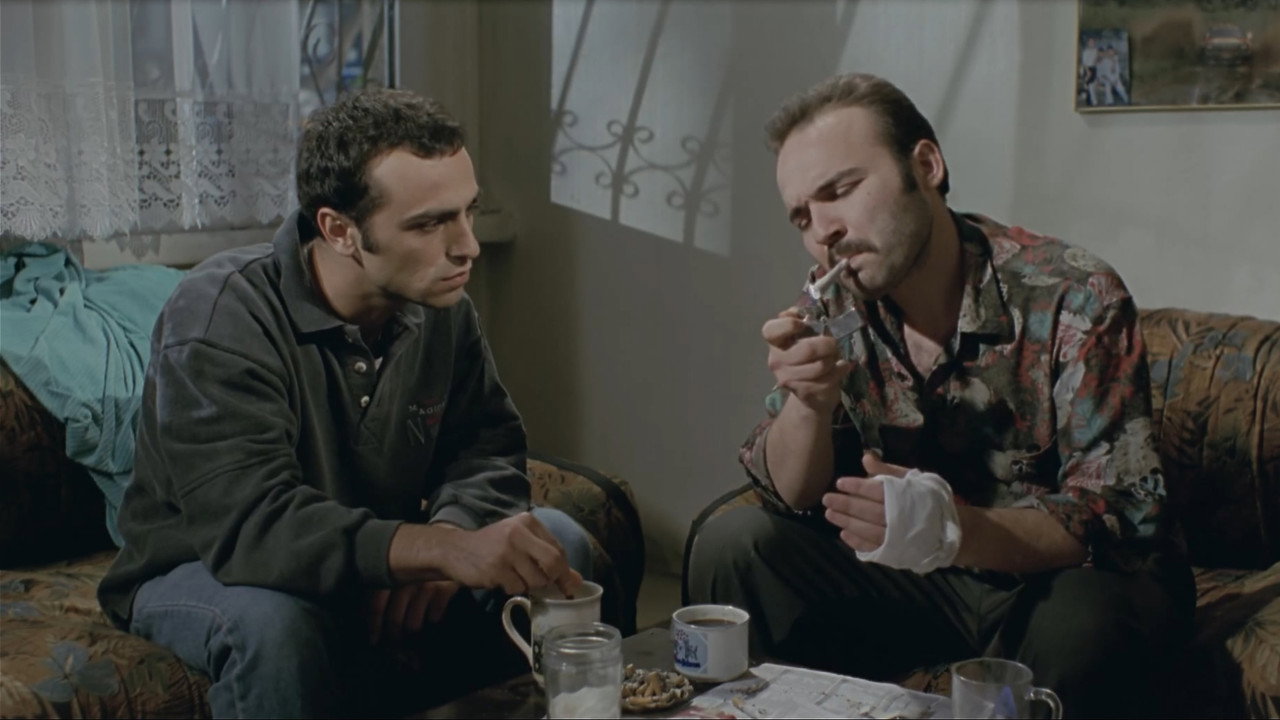
There is no way out in Demirkubuz's films, and this is a structural decision rather than a choice of pessimism. The space is always enclosed: a hotel room, a corridor, a cheap flat, a television left on. The camera stays inside that space and mostly refuses to show the outside.
His characters choose their own disasters knowingly. They see that something is going wrong, it is in their power to stop it, and they do not. His films therefore begin like crime stories and turn into questions of conscience; the punishment does not arrive from outside but from the person's own decision.
The Dostoevsky influence is often cited, but what matters is method rather than literature: sin, confession, endurance. Demirkubuz forgives neither his protagonist nor his viewer. The cutting is not sharp, the scenes run long, the conversations do not end; the sense of entrapment is built inside that duration.
He remains one of the most stubborn examples of independent cinema in Turkey, continuing to shoot with his own means, his own crew, and nobody's permission.