Forms
Animation
Every frame is made by hand, one at a time. Animation is cinema built rather than filmed — and so it never has to resemble the real.
Poetic Animation
Works led by the image rather than the story; usually short, usually for adults.

Shakespeare performed with puppets; Trnka drops the words entirely and keeps the movement.

A man remembers his childhood; the watercolour texture keeps the memory blurred.

War, home and childhood joined by association; there is no story, only remembering.

Every frame hand-painted in oils; a village melodrama turns into a painting.
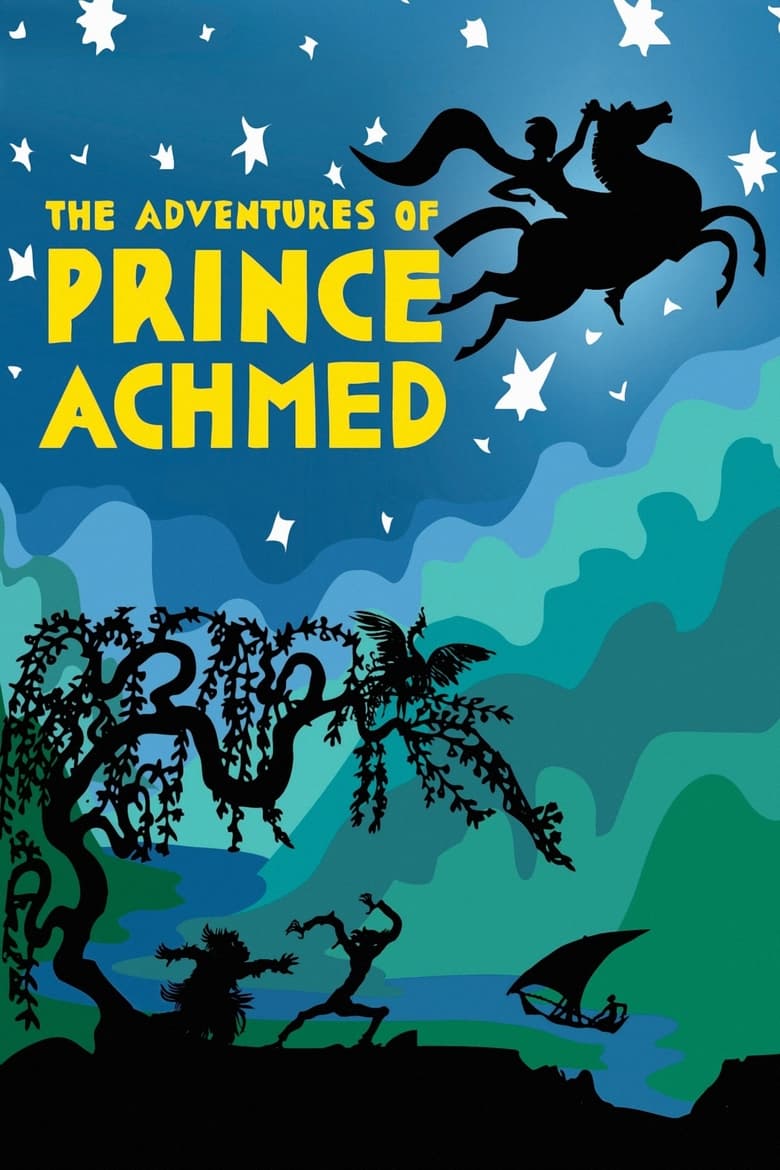
A tale told in cut-out silhouettes; among the oldest surviving feature-length animations.

A country's industrialisation seen by a boy looking for his father; not a word is spoken.
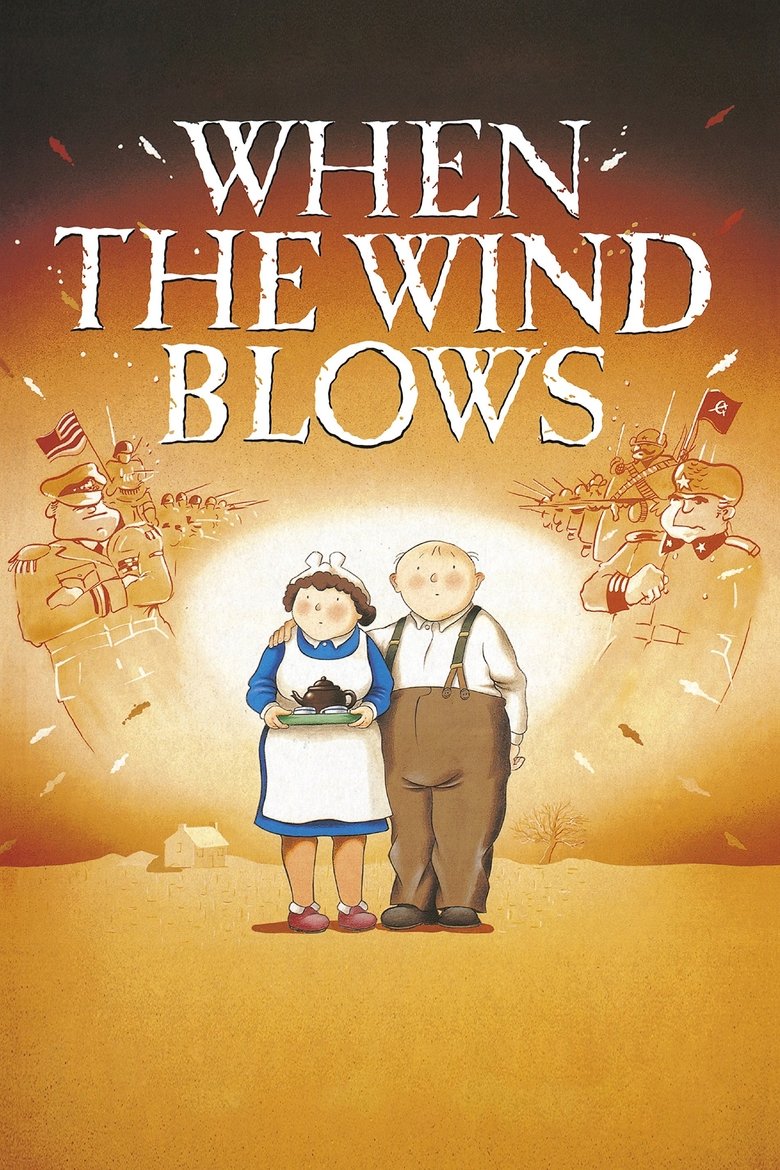
An elderly couple preparing for a nuclear attack with a government leaflet; the gentle drawing deepens the horror.

A fable that took over thirty years to finish; Ghibli's founders count it as their own beginning.

A magician whose time has passed and a girl who believes in him; almost no dialogue.

The friendship of a dog and a robot; the wordless telling makes the separation heavier.

A man washed up on an island and a turtle; a lifetime with no dialogue and no explanation.

A severed hand searches for its owner; the two narrative lines move in different drawing styles.

A film that crosses from live action into animation; the change of form is the subject itself.

A life story made of clay; the coarseness of the material does not soften the pain.

Years of letters between two lonely people; two separate worlds, one grey and one brown.

The ornament of medieval manuscripts translated straight into animation; perspective is refused on purpose.

A story of siblings from Irish mythology; circles and flat colours build a repeating pattern.
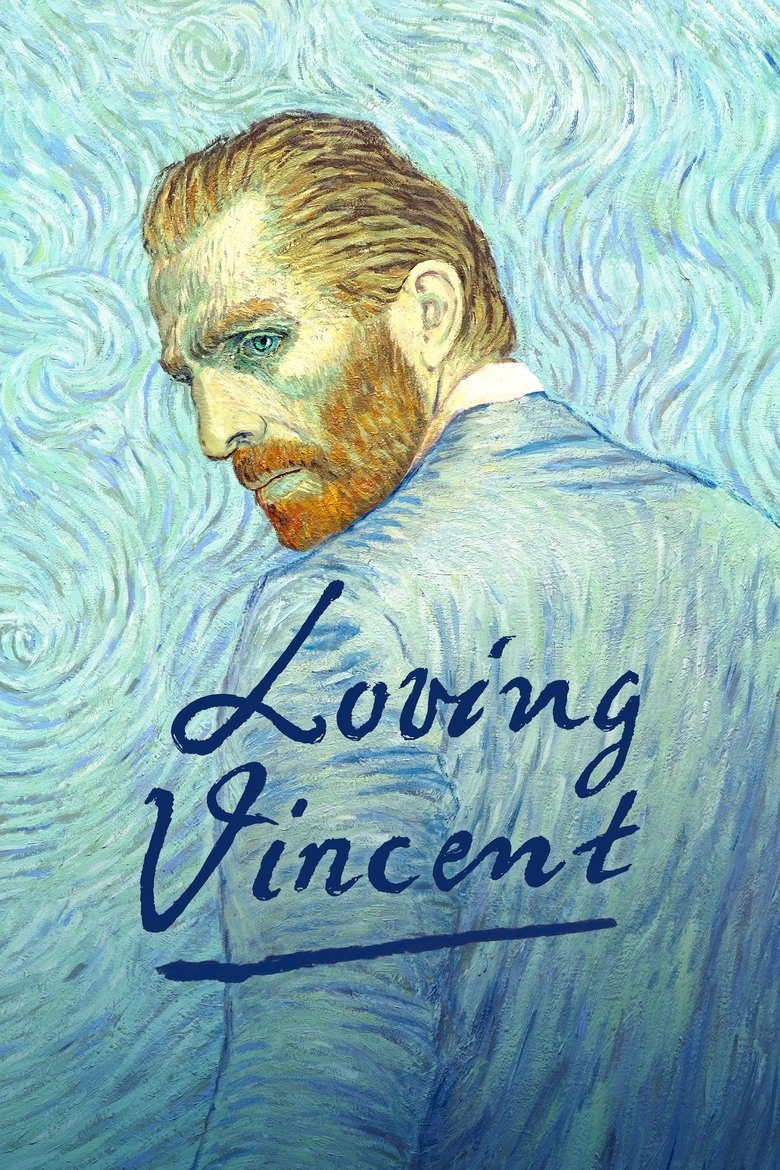
Every frame oil-painted by hand in the painter's own style; the work of a hundred-person studio.
Made by Hand
Puppets, cut paper, clay and one-person workshops; the strand that stayed outside the computer.

Founding legends told with wooden puppets; a national narrative built by hand.

Discarded mannequins repeat the same life in a warehouse; objects become actors.

Toys move on their own; the nursery becomes an uneasy place.

In three parts two figures devour, love and destroy each other; the clay never stops changing shape.

A journey where engravings meet live action; Zeman's technique is still copied today.

An old woman searching for her grandson and three singers; a crime story told with almost no speech.
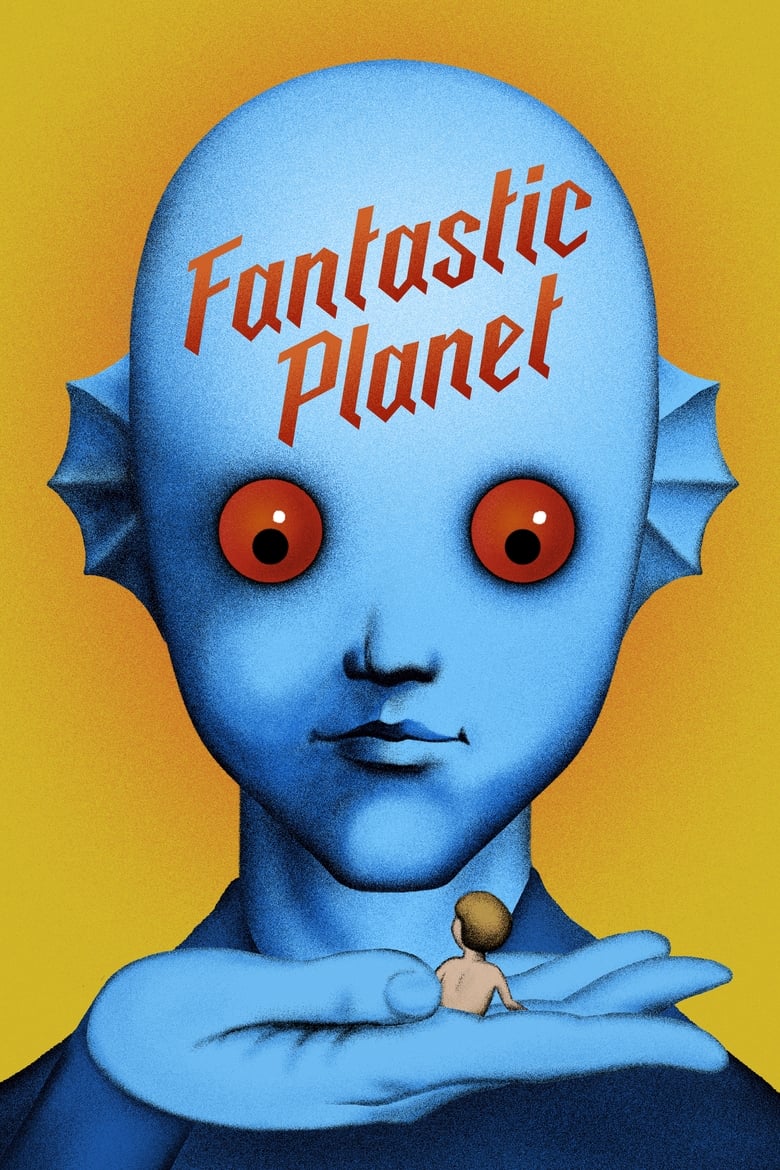
A planet where humans are pets; the cut-out technique deepens the strangeness.

Nineteenth-century engravings combined with live actors; the page of a book starts to move.

A potter and the giant hand that coerces him; a puppet film made against censorship.

A town carved in wood and wooden figures; the fairytale turned into a gothic nightmare.
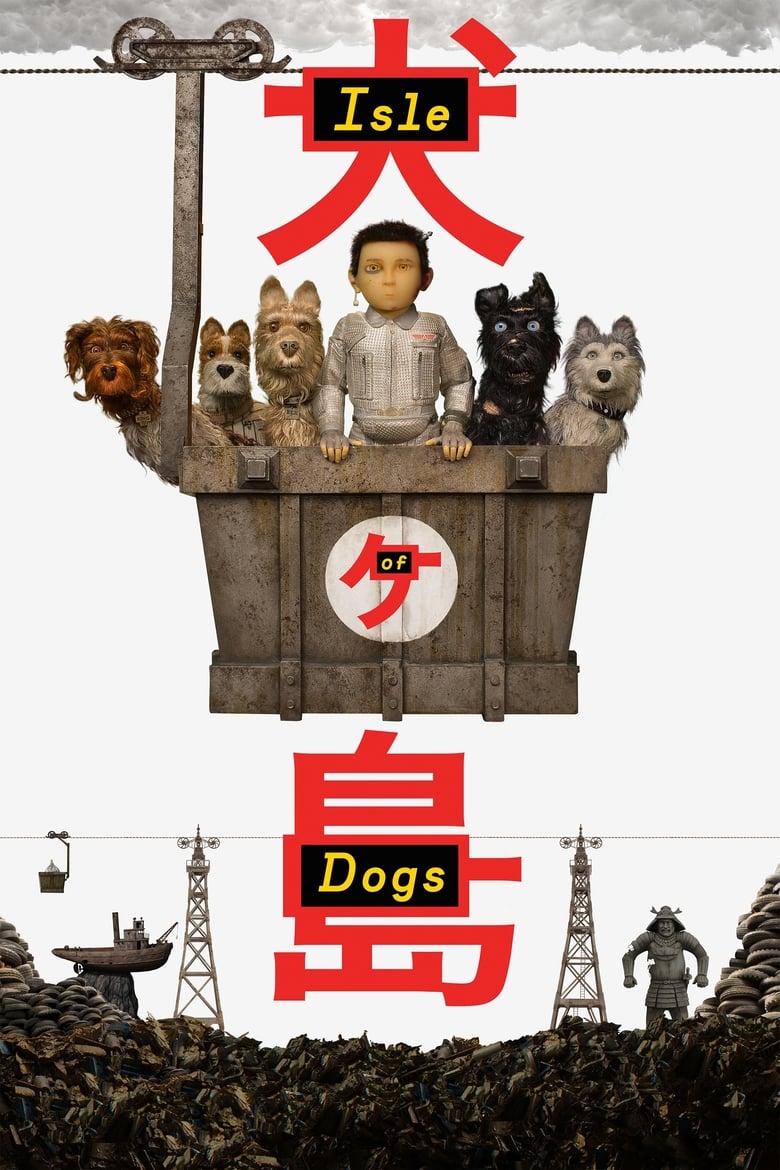
Stop-motion dogs and symmetrical frames; everything handmade is left visible.

Comic-book halftone, mixed frame rates and deliberate misalignment; computer animation made to look hand-drawn.
Colour and Spectacle
Animation at its most spectacular; looking is reason enough.

A girl in boy's clothes and a wagon train heading west; flat colours and hard lines.

A mother and daughter's day spent finding a chicken; each character painted in a single colour.

The Ramayana interwoven with a divorce; four different drawing styles in one film.

A love story between Havana and New York; the jazz scenes play out in hand-drawn rooms.

A boy who comes from a rainbow and a world in the future; colour is the narrative itself.
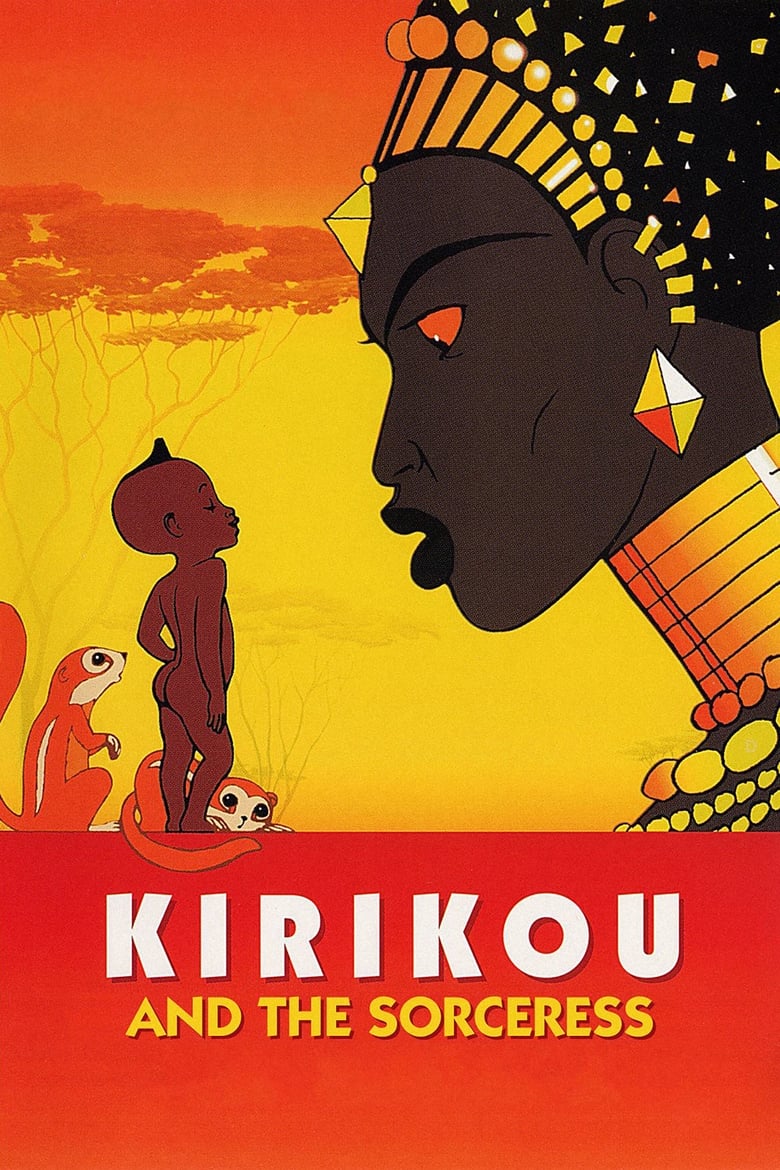
A child hero born of a West African tale; the moment European animation looked elsewhere.

A wolf hunter's daughter and a girl who lives in the forest; the line is rigid in town and free in the woods.

A cat and other animals as the waters rise; no speech, no humans.

A boy's instrument makes paper move; stop-motion meets origami.
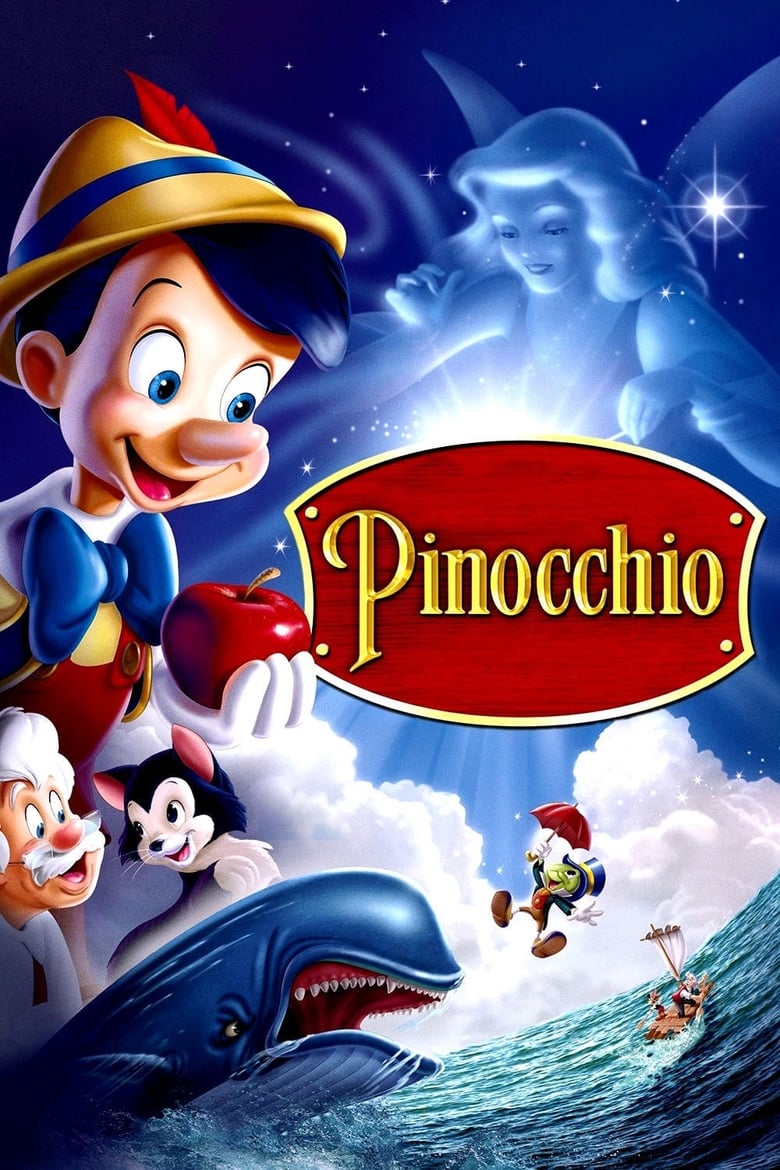
A puppet trying to become a boy; an early demonstration of how far colour animation could technically go.

The first animated feature; colour and depth invented from scratch by one studio.

A flat, angular design taken from medieval illumination; the studio's most stylised film.

A colour scheme built underwater; the film that began hand-drawn animation's last great period.

In the ballroom scene hand-drawn figures turn inside a computer-built hall; two techniques meet for the first time.

The first feature made entirely on computers; the choice of plastic surfaces came from the technical limit itself.

Almost no speech in the first half hour; animation returns to the language of silent cinema.

Cartoon characters cast shadows inside live action; two worlds meet under the same light.

Computer animation trying to look hand-painted; technology turning back towards painting.
Looking at Childhood
The difference between what is made for children and what is made about childhood.

A blind sister and her little brother; a story of mourning in the shape of a children's tale.

A mother separated from her son under the Khmer Rouge; here childhood is told as a loss.

The forbidden friendship of a bear and a mouse; the watercolour line softens the tale but not the fear.

A boy arriving at an orphanage and the others already there; the puppets show the pain without decorating it.

The tale told with puppets and stuffed animals; a children's book turned into an uneasy place.

A girl disguised as a boy and the tale she tells; two drawing styles separate two realities.

Stop-motion made with real fur; the shimmer of the pelts in every frame is left in on purpose.


