Journal
Cape Fear
The same predator. Three different eras. Three different consciences.
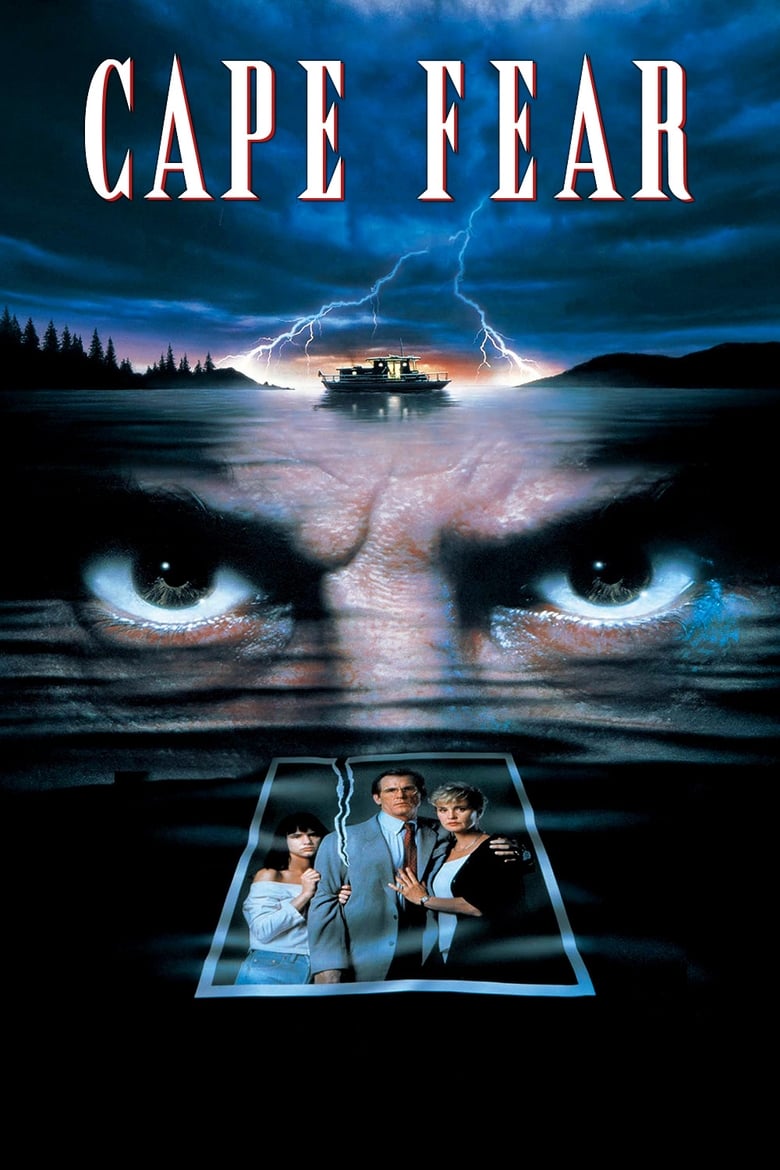
A man gets out of prison. He goes after the people he believes took his years from him. For over sixty years, the first sentence we use to describe Cape Fear has barely changed. The strange thing is that when I rewatch the films, what stays with me is no longer this story. The man knocking at the door is always the same. But the house behind the door is a different house every time. ⸻ It all began with The Executioners, published in 1957. At first glance the title means those who execute. But the English word "executioner" carries one more shadow. Not just the one who kills. The one who carries out the sentence. In the very title, John D. MacDonald leaves a quiet question: Who really carries out the execution? The court? Or the anger the court breeds? The novel's first pages hold no firm answer. Maybe that's why it has been retold for years. ⸻ The first great change didn't happen in cinema. It happened in society itself. When the 1962 adaptation was made, Hollywood was still within the limits of the Production Code. The word rape could not be spoken plainly; Max Cady's military past was softened. From today it's easy to read this as censorship. But rewatching the film, another possibility comes to me. Maybe society was looking in the mirror. Just from a slight distance. ⸻ In the 1962 film, Max Cady is a threat from outside. Sam Bowden is, almost unquestionably, on the right side. Years later Roger Ebert summed the film up as "the story of a good man trying to protect his family from a madman." It's hard to argue. Because the film itself doesn't argue. Bowden's rightness is accepted from the start. The tension is built elsewhere. Outside the door. ⸻ One of the things that most surprises me rewatching the film today is Bernard Herrmann's music. Many people, hearing those strings, think first of Hitchcock. But Herrmann's music here doesn't only build tension. From the first notes it makes you feel a stranger approaching the house. When Martin Scorsese, thirty years later, called back the same score instead of commissioning a new one, perhaps he was recalling not just a theme but that feeling. Some melodies outlive their films. Others outlive our fears. ⸻ In the 1991 version, the first change I noticed wasn't Max Cady. It was Sam Bowden. Scorsese, instead of enlarging the story's villain, shrinks its hero. Bowden is now a man who cheated on his wife. A father grown distant from his daughter. A lawyer who deliberately withheld a crucial piece of information in court. In an instant the film's balance shifts. Because even if Max Cady's crimes stay the same, the conscience that meets him is no longer so at ease. Maybe that was Scorsese's greatest change. He didn't rewrite Max Cady. He changed the mirror across from him. ⸻ One of my favorite stories behind Cape Fear never appears in the film. In the late 1980s, the first name interested in the project wasn't Martin Scorsese but Steven Spielberg. In the same period Scorsese was working on another project: Schindler's List. In the end the paths switched. Spielberg made that film. Scorsese made Cape Fear. For years this is told as "two directors traded films." Every time I read it I think of something else. As if the two directors lent each other not a film but a temperament. And looking back, the fact that both made the right film gives a strange sense of relief. ⸻ It's often told that Robert De Niro really ground down his teeth for the role. It's an interesting detail. But rewatching the film, it's not the teeth that stay with you. It's the way he speaks. Because this Max Cady doesn't just commit violence. He explains his violence. Defends it. Tries to justify it. Maybe that's what unsettles me most. Not that a person does evil. But that he can translate it into a moral language. ⸻ A small piece of casting by Scorsese grows more meaningful over the years. Gregory Peck, the Sam Bowden of 1962, is this time Max Cady's lawyer. And Robert Mitchum is a policeman. The first time I watched, I took it for a pleasant salute. It doesn't feel that way now. As if Scorsese were whispering to us: Change not a character, only where he stands. Sometimes the whole story changes. ⸻ By the time this piece goes out, Cape Fear has reached its third great interpretation. This time not a film. A series. Javier Bardem's Max Cady stands somewhere apart from both Robert Mitchum's cold threat and Robert De Niro's overflowing rage. He carries the danger not only in his physical presence but in his speech, his silence, his waiting. What draws Nick Antosca is no longer only revenge. The secrets a family has learned to live with over the years. The way guilt moves through a house. Perhaps that's why this story, over sixty years old, is still being retold. Max Cady doesn't change. The house whose door he knocks on changes. In 1962 people feared evil coming from outside. In 1991, the guilt hidden within. Today, perhaps most of all, not being sure we truly know one another. ⸻ The novel is the same. So is the man knocking at the door. Maybe what was remade was never Cape Fear. What was remade was the conscience that opens the door.
Related films